Did you know that improperly maintained air compressor tanks are responsible for nearly 30% of related accidents? Ensuring their safe operation requires meticulous inspection and adherence to strict safety protocols. Neglecting these measures can lead to catastrophic failures, risking injury and environmental harm. Understanding the essential safety tips is critical for preventing such incidents, yet many operators overlook key maintenance steps. Let’s explore the core practices that keep your equipment and personnel safe, starting with the importance of thorough inspections.
Key Takeaways
- Regularly inspect tanks for rust, cracks, dents, and leaks to ensure structural integrity.
- Fully depressurize and disconnect tanks before performing maintenance or repairs.
- Test safety valves and pressure regulators periodically to prevent over-pressurization.
- Use appropriate personal protective equipment (PPE) during inspections and repairs.
- Keep tanks stored in dry, well-ventilated areas and follow a routine maintenance schedule.
Understanding the Risks of Improperly Maintained Air Compressor Tanks
While proper maintenance is vital for guaranteeing safety, neglecting the upkeep of air compressor tanks can lead to serious risks. Corrosion, fatigue, and internal damage often develop unnoticed, weakening the tank’s structural integrity. Over time, rust can compromise the metal, increasing the likelihood of leaks or catastrophic failure under pressure. Excessive moisture buildup accelerates corrosion, further weakening the tank walls. Without regular inspections and maintenance, small issues can escalate, risking sudden rupture or explosion. These incidents pose significant safety hazards, potentially causing injuries or property damage. Understanding these risks highlights the importance of diligent care. Proper maintenance, including controlling moisture and monitoring for signs of deterioration, is essential to prevent preventable failures and guarantee safe, reliable operation of your air compressor system.
How to Inspect Your Air Compressor Tank for Signs of Damage or Corrosion?
Regularly inspecting your air compressor tank is essential to identify early signs of damage or corrosion before they lead to failure. Begin by visually examining the entire surface, paying close attention to any rust, pitting, or discoloration, especially around weld seams and joints. Look for any bulges, dents, or cracks that may indicate structural weakness. Use a flashlight to inspect welds and hard-to-see areas thoroughly. Tapping the tank lightly with a non-metallic object can reveal thin or weakened spots through changes in sound. Check for any signs of moisture or corrosion inside the tank, which may require draining or internal inspection. Always guarantee the tank is depressurized and disconnected before inspection to prevent injury. Regular, cautious assessments help maintain safe operation and extend the tank’s lifespan.
Proper Pressure Settings and Safety Valves to Prevent Over-Pressurization
Ensuring the correct pressure settings and functioning safety valves is critical to preventing over-pressurization of your air compressor tank. Incorrect pressure can cause tank failure or safety hazards. Always set the compressor’s pressure regulator to the manufacturer’s recommended maximum. Safety valves act as a safeguard, releasing excess pressure before damage occurs. Regularly test safety valves to confirm proper operation, and replace any that are faulty. Use the following table to understand key parameters:
| Parameter | Recommended Setting | Inspection Frequency |
|---|---|---|
| Maximum Working Pressure | Manufacturer’s limit | Monthly |
| Safety Valve Pressure | Slightly above max | Quarterly |
| Pressure Regulator | Set to recommended max | Monthly |
| Relief Valve | Functional test annually | Annually |
Consistent monitoring minimizes risk of tank rupture and maintains safe operation.
The Importance of Regular Drainage to Remove Moisture and Prevent Rust
Regular drainage is vital to prevent moisture buildup inside the tank, which can lead to rust formation and compromise structural integrity. By removing accumulated water, we help maintain compressor efficiency and reduce the risk of unexpected failures. Implementing consistent drainage practices extends the lifespan of the equipment and guarantees safe operation.
Prevents Rust Formation
Water accumulation inside the tank can lead to rust formation, compromising its structural integrity over time. Rust weakens the metal, increasing the risk of failure and potential safety hazards. To prevent this, regular drainage is essential to remove trapped moisture before it can cause corrosion. We recommend establishing a strict maintenance schedule, ensuring the drain valve is opened at regular intervals, especially after use or during periods of high humidity. Proper drainage not only extends the lifespan of the tank but also maintains safety standards by reducing the risk of sudden failures. It’s critical to monitor for signs of rust or corrosion and address any issues immediately. Consistent, cautious drainage practices are key to safeguarding the tank’s integrity and ensuring reliable, safe operation.
Maintains Compressor Efficiency
Accumulated moisture inside the compressor tank can substantially diminish its efficiency if not properly managed. Moisture reduces compression quality and increases the risk of internal corrosion, leading to costly repairs. Regular drainage is essential to remove this moisture before it causes damage. Below is a table illustrating key drainage practices:
| Practice | Frequency | Equipment Needed |
|---|---|---|
| Manual Drain Operation | After each use | None |
| Automatic Drain Installations | Weekly or monthly | Drain Valve |
| Visual Inspection | Weekly | Inspection Tools |
| Moisture Level Monitoring | Daily | Moisture Sensors |
| Drain Valve Maintenance | Quarterly | Wrench, Lubricant |
Consistent drainage preserves efficiency and prevents rust, safeguarding the compressor’s performance over time.
Extends Equipment Lifespan
To effectively prolong the lifespan of your air compressor, it’s vital to prioritize the timely removal of moisture that accumulates inside the tank. Moisture can lead to rust, which weakens the tank structure and increases the risk of failure. Regular drainage is essential; neglecting this can cause costly repairs and downtime. We recommend:
- Draining the tank daily or after each use to remove accumulated water.
- Using a manual or automatic drain valve to guarantee consistent removal.
- Inspecting the tank regularly for signs of rust or corrosion to address issues early.
Tips for Safe Handling During Tank Maintenance and Repairs
Before performing maintenance or repairs, we must guarantee the tank is fully depressurized to prevent accidental release of stored energy. Proper protective gear, including gloves and eye protection, is essential to guard against potential hazards. Adhering to these safety steps minimizes risks and ensures safe handling during tank maintenance.
Depressurize Before Maintenance
Have we properly isolated the air pressure before beginning maintenance on the tank? Confirming the tank is fully depressurized is essential to prevent accidental releases that could cause injury or equipment damage. To do this safely, follow these steps:
- Shut off the compressor and disconnect power to prevent automatic re-pressurization during maintenance.
- Open the drain valve at the tank’s lowest point to release any residual air and moisture.
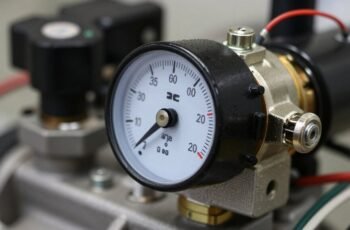
- Use a pressure gauge to verify zero pressure before proceeding, confirming the tank is completely depressurized.
Taking these precautions minimizes risk and guarantees a safe maintenance process. Never attempt repairs on a pressurized tank, as sudden releases can be dangerous. Always double-check pressure levels before starting work.
Wear Proper Protective Gear
Ensuring safety during tank maintenance and repairs requires wearing the appropriate protective gear at all times. This includes safety goggles or a face shield to guard against debris, high-pressure sprays, or accidental splashes. We also recommend heavy-duty gloves designed for handling pressurized equipment to protect your hands from sharp edges and hot surfaces. Ear protection is essential if noise levels are high during maintenance tasks. Additionally, wearing long sleeves and flame-resistant clothing minimizes skin exposure to possible sparks or chemical residues. Proper footwear with non-slip soles helps prevent falls when working around wet or slippery surfaces. Always inspect your protective gear before use to ensure it’s in good condition. Using the right personal protective equipment is critical to minimizing risk and ensuring a safe working environment.
Why and How to Perform Visual and Structural Inspections?
Performing regular visual and structural inspections of air compressor tanks is essential for identifying potential hazards before they lead to failure. These inspections help detect corrosion, cracks, or other signs of deterioration that could compromise tank integrity. To do this effectively, we recommend:
- Visually examining the entire surface for rust, blistering paint, or obvious damage.
- Checking for leaks or moisture accumulation around fittings and welds.
- Inspecting internal surfaces when possible, especially for corrosion or sediment buildup.
Caution is critical; always verify the tank is depressurized before inspection. Use proper lighting and magnification tools for detailed examination. Regular inspections help prevent catastrophic failures and ensure long-term safety.
Best Practices for Storage and Environmental Considerations
Proper storage and environmental control are critical to maintaining the integrity and safety of air compressor tanks. We recommend storing tanks in a dry, well-ventilated area to prevent corrosion caused by moisture and humidity. Avoid exposure to extreme temperatures, as excessive heat can weaken tank materials and increase pressure risks, while cold environments may cause condensation and corrosion. Elevate tanks off the ground on stable, non-corrosive supports to prevent contact with water or debris. Implementing protective covers or paint coatings can also reduce environmental wear. Regularly inspect storage conditions to identify potential hazards promptly. Maintaining a controlled environment minimizes corrosion, material degradation, and pressure-related failures, ensuring the tank’s longevity and safe operation.
Recognizing and Responding to Signs of Tank Failure or Leakages
Detecting early signs of tank failure or leakage is essential to prevent catastrophic incidents and maintain safe operation. Recognizing these signs promptly allows for immediate action, minimizing risks. Key indicators include:
- Unusual noises such as hissing or banging, which may signal pressure loss or structural issues.
- Visible corrosion, cracks, or paint peeling on the tank surface, indicating material degradation.
- Unexpected pressure drops or frequent safety valve releases, suggesting internal leaks or weaknesses.
If any of these signs are observed, it’s crucial to shut down the compressor, evacuate the area if necessary, and conduct a thorough inspection. Immediate response helps prevent tank rupture, explosions, or other hazardous failures, ensuring safety for all personnel.
Developing a Routine Maintenance Schedule to Ensure Long-Term Safety
Establishing a consistent maintenance routine is the best way to guarantee the long-term safety and reliability of air compressor tanks. Regular inspections should include checking for corrosion, cracks, and signs of wear that could compromise tank integrity. Drain all moisture from the tank regularly to prevent rust formation, which can weaken the structure over time. Pressure relief valves need testing and calibration according to manufacturer specifications to verify proper functioning under operational conditions. It’s essential to verify that safety labels are visible and intact. Record all maintenance activities and any anomalies observed during inspections. Adhering to a detailed schedule based on usage and environmental factors minimizes the risk of failure, ensuring safe operation and extending the lifespan of the equipment.
Frequently Asked Questions
How Often Should I Replace My Air Compressor Tank?
We suggest replacing your air compressor tank every 10 to 15 years, depending on usage and inspection results. Regularly check for corrosion, cracks, or damage, and always follow manufacturer guidelines to guarantee safety and peak performance.
What Personal Protective Equipment Is Recommended During Tank Maintenance?
We recommend wearing safety goggles, hearing protection, and gloves during tank maintenance; studies show eye injuries account for 20% of compressor-related accidents. Always prioritize PPE to guarantee safety and prevent potential injuries.
Can Ambient Temperature Affect Air Compressor Tank Safety?
Ambient temperature directly impacts tank safety by influencing pressure levels; high temperatures increase pressure, risking rupture, while low temperatures can cause condensation and corrosion. We must monitor and control environmental conditions to guarantee safe operation.
Are There Specific Safety Standards or Certifications I Should Look For?
Yes, we should look for safety standards like ASME certification and OSHA compliance, because these guarantee rigorous testing and adherence to safety protocols. Ignoring these could lead to dangerous failures and serious injuries, so always verify compliance before use.
How Do I Safely Dispose of an Old or Damaged Air Compressor Tank?
We recommend depressurizing the tank completely, draining residual fluids, then consulting local hazardous waste disposal regulations. Carefully disassemble the tank, avoiding sharp edges, and transport it to certified recycling facilities to guarantee environmentally safe disposal.
Conclusion
In summary, regular maintenance is vital—studies show that improperly maintained tanks account for over 40% of compressor accidents. By following these safety tips, we can greatly reduce risks, prevent costly failures, and guarantee safe operation. Vigilance in inspections, pressure management, and routine upkeep isn’t just best practice; it’s indispensable for protecting personnel and equipment. Let’s stay proactive and diligent to maintain a safe, reliable working environment.