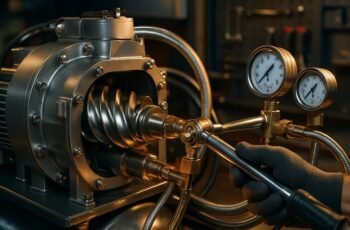
When an air compressor refuses to start, it can stem from a range of electrical or mechanical issues that require systematic troubleshooting. We recognize the importance of pinpointing the root cause efficiently and safely. By carefully examining key components such as the power supply, pressure systems, and motor connections, we can identify potential faults that hinder operation. However, each step must be approached with precision to avoid further damage or safety risks, prompting us to explore these areas in detail.
Key Takeaways
- Check and reset circuit breakers or replace blown fuses to ensure proper power supply.
- Test the pressure switch for correct activation and continuity at specified pressures.
- Inspect motor wiring, connections, and voltage supply for damage or irregularities.
- Verify oil levels and quality, ensuring mechanical parts are lubricated and free of damage.
- Examine safety valves and mechanical components for debris, corrosion, or wear impairing operation.
Common Causes When Your Air Compressor Won’t Start
When an air compressor fails to start, it’s often due to a straightforward electrical or mechanical issue that prevents power from reaching the motor. Common electrical causes include blown fuses, tripped circuit breakers, or faulty wiring connections, all of which interrupt the power supply. Mechanical issues frequently involve a seized motor, damaged start capacitors, or worn-out components that hinder motor rotation. Additionally, incorrect voltage supply or power fluctuations can prevent the compressor from initiating. Dirty or clogged air filters can also cause motor overload, leading to failure to start. Identifying these issues requires a precise inspection of electrical connections, circuit integrity, and mechanical parts to guarantee proper operation. Addressing these common causes can often restore functionality without extensive repairs.
How to Check and Reset the Power Supply
To guarantee your air compressor receives proper power, we need to verify the integrity of the electrical supply first. Begin by inspecting the circuit breaker or fuse box. Ensure the breaker is in the “On” position or the fuse is intact. If the breaker has tripped, reset it by switching it off then on again. If a fuse is blown, replace it with a fuse of the same rating. Observe the electrical diagram below to understand the flow:
| Power Source | Load (Compressor) | Circuit Breaker | Fuse Status |
|---|---|---|---|
| Main Power | Power cord | Reset or replace | Intact or blown |
Accurate checking guarantees the compressor’s power supply is reliable before proceeding further.
Inspecting and Troubleshooting the Pressure Switch and Safety Valves
Since the pressure switch and safety valves directly control the compressor’s operation and safety, we need to carefully inspect these components for proper function. Begin by verifying that the pressure switch activates at the correct cut-in and cut-out pressures, using a multimeter to test continuity when pressure reaches specified thresholds. Check for corrosion, debris, or damage that could impede operation. For safety valves, ensure they release at designated pressure levels by manually testing or inspecting for signs of leakage or corrosion. If the safety valve doesn’t release or remains stuck, replace it immediately. Confirm that the pressure switch wiring is secure and free of shorts. Proper calibration and functional safety devices are essential to preventing startup issues and guaranteeing safe compressor operation.
Examining the Motor and Electrical Connections for Faults
Electrical faults or loose connections often cause the motor of an air compressor to fail to start. To diagnose this, we carefully inspect all wiring for signs of wear, corrosion, or damage. We verify that all terminal connections are tight and secure, ensuring no wires are loose or disconnected. Using a multimeter, we check for continuity in the wiring harness and test the power supply at the motor terminals to confirm voltage presence. We also examine the contact points within the motor’s switch and relay, looking for signs of pitting or corrosion that may impede proper operation. Any damaged wires or connections are replaced immediately. This systematic electrical evaluation helps identify faults that could prevent the motor from starting, ensuring the electrical system functions correctly before moving on to other potential issues.
Ensuring Proper Oil Levels and Mechanical Condition
After verifying the electrical connections and guaranteeing the motor receives proper voltage, it’s important to assess the mechanical condition of the compressor. Proper oil levels and mechanical integrity are crucial for reliable operation.
To secure optimal performance, check the following:
- Oil Level: Confirm the oil is within the recommended range; low oil can cause overheating and component failure.
- Oil Quality: Inspect for contamination or sludge, which impair lubrication and increase wear.
- Mechanical Wear: Examine moving parts such as pistons, cylinders, and valves for signs of damage or excessive wear.
- Corrosion and Debris: Clear any buildup or corrosion that can hinder movement and reduce efficiency.
Maintaining these factors prevents mechanical failures and guarantees the compressor starts reliably.
When to Seek Professional Help for a Non-Starting Air Compressor
We should consider professional assistance when mechanical issues persist despite basic troubleshooting, as internal components may be damaged or worn. Electrical system concerns, such as faulty wiring or circuit board failures, often require specialized diagnostics and repairs. If these problems continue after initial checks, it’s crucial to consult a qualified technician to prevent further damage or safety hazards.
Persistent Mechanical Issues
Persistent mechanical issues can indicate underlying problems that are beyond simple troubleshooting. When your compressor fails to start despite basic checks, consider these signs:
- Unusual Noises: Grinding or knocking sounds suggest internal component damage.
- Excessive Vibration: Unsteady operation may point to worn bearings or misaligned parts.
- Overheating Components: Excess heat indicates friction or lubrication failure.
- Irregular Cycles: Frequent cycling or stuck pistons signal internal mechanical obstructions.
These issues often require disassembly, precise diagnosis, and specialized parts. Ignoring such symptoms can lead to further damage or complete failure. If these signs persist, it’s crucial to seek professional assistance to prevent costly repairs and ensure safe operation.
Electrical System Concerns
Electrical system issues are a common cause of air compressor startup failures, often indicating problems beyond simple mechanical troubleshooting. When the compressor doesn’t respond to power, it may be due to faulty wiring, blown circuit breakers, or damaged switches. If you notice persistent tripping of circuit breakers or a burnt smell near electrical components, it’s a sign that professional inspection is necessary. Faulty capacitors, damaged relays, or electrical shorts can also prevent startup and pose safety hazards. In such cases, attempting repairs without proper expertise risks further damage or injury. We recommend seeking professional help whenever electrical diagnostics reveal irregularities, or if you’re uncomfortable working with high-voltage components. Proper diagnosis and repair by qualified technicians guarantee safety and restore reliable operation.
Frequently Asked Questions
How Often Should I Perform Maintenance on My Air Compressor?
We recommend performing maintenance on your air compressor every 1-3 months, depending on usage intensity. Regular checks of filters, oil levels, and drain valves optimize performance, prevent failures, and extend your compressor’s lifespan effectively.
Can Using the Wrong Oil Cause Starting Issues?
Using the wrong oil can cause starting issues by compromising lubrication, causing friction, and leading to overheating or damage. Properly selected oil guarantees smooth, swift starts, preventing mechanical misfires and maintaining compressor efficiency and longevity.
What Safety Precautions Should I Take Before Troubleshooting?
Before troubleshooting, we confirm the compressor is unplugged, wear insulated gloves and eye protection, verify the power supply, and discharge stored energy safely. These precautions prevent electrical shocks and injuries during inspection and repair procedures.
Are There Specific Signs Indicating a Failing Motor?
We see signs like unusual noises, excessive heat, and frequent tripping of circuit breakers indicating a failing motor. These symptoms suggest bearing wear, winding faults, or electrical issues, prompting prompt inspection and potential replacement for reliable compressor operation.
How Long Do Air Compressors Typically Last With Proper Care?
With proper maintenance, air compressors generally last between 10 to 15 years. Regular oil changes, filter replacements, and timely inspections extend their lifespan, ensuring peak performance and preventing unexpected failures or motor issues.
Conclusion
In summary, careful checking and consistent calibration are essential when troubleshooting a non-starting air compressor. By methodically examining electrical elements, pressure components, and mechanical parts, we prevent potential problems and promote proper performance. Precise inspection and prompt action can prevent persistent issues, ensuring your compressor remains reliable and ready whenever you need it. Remember, when in doubt, professional assistance provides peace of mind and perfect performance.