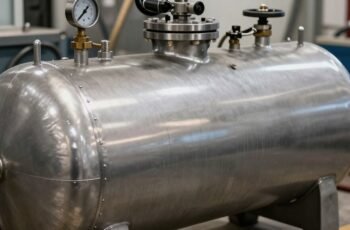
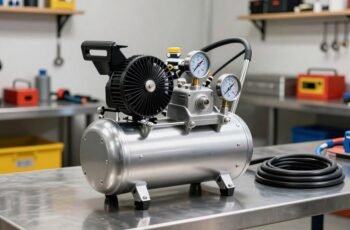
When selecting an oil-free air compressor, we recognize the importance of understanding technical specifications and operational considerations that align with specific industrial or personal needs. Evaluating factors like capacity, pressure, and efficiency requires a systematic approach to guarantee ideal performance and longevity. As we explore these critical elements, it becomes clear that informed choices depend on detailed analysis—an approach that can markedly impact the long-term value and reliability of your investment.
Key Takeaways
- Assess your required CFM and PSI ratings to ensure the compressor meets your operational demands.
- Consider the application environment—medical, food, or electronics—to select models with appropriate purity standards.
- Evaluate noise levels, durability, and maintenance needs for long-term reliability and minimal downtime.
- Compare brands based on specifications, warranty coverage, and after-sales support to ensure value and service quality.
- Check for features like portability, cooling systems, and energy efficiency to match your space and usage requirements.
What Is an Oil-Free Air Compressor and How Does It Work?
An oil-free air compressor operates without the use of lubricating oil in its compression chamber, relying instead on alternative mechanisms to guarantee smooth and efficient airflow. These compressors typically utilize advanced sealing techniques, such as piston rings made from non-lubricating materials or specialized ceramic coatings, to minimize friction and prevent wear. The absence of oil reduces contamination risks, making these units suitable for sensitive applications like medical and food processing. The compression process involves direct contact between moving parts and the compressed air, necessitating precision engineering to maintain efficiency and durability. Overall, oil-free compressors employ innovative materials and design features to achieve reliable operation without lubrication, emphasizing cleanliness, maintenance ease, and performance consistency.
Key Benefits of Choosing an Oil-Free Model for Your Needs
Choosing an oil-free air compressor offers significant advantages in maintaining superior air quality, as it eliminates the oil contaminants common in traditional models. Additionally, these units demand less maintenance due to the absence of oil-related components, reducing downtime and operational costs. This also minimizes the risk of oil contamination, ensuring cleaner output for sensitive applications.
Cleaner Air Quality
Because oil-free air compressors do not rely on lubricating oil within the compression chamber, they produce markedly cleaner air compared to traditional oil-lubricated models. This absence of oil minimizes the risk of oil carryover into the compressed air output, substantially reducing contamination. As a result, the air delivered is free from oil residues, particulates, and other impurities that could compromise sensitive applications. Such purity is critical in industries like pharmaceuticals, food processing, electronics manufacturing, and medical environments, where even trace contaminants can cause product contamination or equipment malfunctions. The consistent, contaminant-free airflow enhances operational reliability and product quality. Overall, oil-free models provide a cleaner, safer, and more reliable air source, making them essential for applications demanding the highest air purity standards.
Lower Maintenance Needs
Eliminating oil from the compression process considerably reduces the maintenance requirements of the air compressor. Without oil, there’s no need for regular oil changes, filter replacements, or lubrication checks, which simplifies operational protocols. This reduction in routine maintenance decreases downtime and extends component lifespan by minimizing wear-related issues associated with oil contamination. Additionally, oil-free compressors are less prone to sludge buildup and oil-related blockages, ensuring consistent performance over time. The absence of oil also means fewer parts requiring servicing, lowering overall maintenance costs. From a technical perspective, the design of oil-free systems emphasizes durability and reliability, focusing on solid-state components and advanced materials. This streamlined maintenance profile makes oil-free compressors a practical choice for applications demanding high uptime and predictable performance.
Reduced Oil Contamination
Oil-free compressors considerably reduce the risk of oil contamination in compressed air systems, which is crucial for applications requiring high purity levels. Contaminant-free air ensures product quality, prevents equipment damage, and minimizes the need for additional filtration. Unlike oil-lubricated models, oil-free units eliminate the possibility of oil carryover, which can compromise sensitive processes or contaminate end products. This is especially essential in industries like pharmaceuticals, food processing, and electronics manufacturing, where even trace oil residues are unacceptable. By maintaining cleaner air, oil-free compressors improve operational reliability and reduce maintenance costs associated with oil filtration and system cleaning. Overall, choosing an oil-free model delivers a significant advantage in maintaining the integrity of your compressed air quality and safeguarding your operations against contamination risks.
Factors to Consider When Buying an Oil-Free Air Compressor
When selecting an oil-free air compressor, it’s essential to evaluate key factors that influence performance, durability, and suitability for specific applications. First, consider the compressor’s CFM (cubic feet per minute) and PSI ratings to make certain it can meet your operational demands. Next, assess the motor power and compression stage, as these impact efficiency and longevity. Material quality and build construction also matter; durable components reduce maintenance and downtime. Noise levels are critical in noise-sensitive environments, so check decibel ratings. Additionally, evaluate the compressor’s cooling system—adequate cooling prevents overheating and extends lifespan. Finally, examine the unit’s size and portability features, especially if space or mobility is a concern. These factors collectively determine the compressor’s ability to deliver consistent, reliable performance tailored to your specific needs.
Best Applications for Oil-Free Air Compressors in Different Industries
Oil-free air compressors are critical in industries where air purity directly impacts product quality and safety. We see their application in medical and dental fields, food and beverage processing, and electronics manufacturing, where contamination must be minimized. Understanding these industry-specific requirements helps identify the most suitable compressor solutions for each application.
Medical and Dental Uses
Because maintaining air purity is crucial in medical and dental environments, oil-free air compressors are essential for guaranteeing contaminant-free airflow. These systems eliminate the risk of oil contamination, which can compromise patient safety and equipment integrity. The applications are critical, including:
- Respiratory devices, where pure air ensures patient safety during ventilation.
- Dental tools, requiring sterile air for precise, infection-free procedures.
- Operating rooms, where contaminated air could lead to infections.
- Laboratory environments, demanding uncompromised air quality for accurate diagnostics.
Food and Beverage Processing
In food and beverage processing, maintaining strict air quality standards is vital to guarantee product safety and compliance with industry regulations. Oil-free air compressors are essential here because they eliminate the risk of oil contamination, which can compromise product integrity and pose health hazards. These compressors provide clean, dry air necessary for applications like packaging, filling, and carbonation, where even trace oil residues are unacceptable. Their design ensures no oil carryover, reducing the need for additional filtration and minimizing product waste. Additionally, oil-free compressors operate more reliably in environments demanding high hygiene standards, supporting consistent production flow. By choosing the right oil-free compressor, manufacturers can meet stringent quality controls, reduce maintenance costs, and guarantee regulatory compliance, ultimately safeguarding consumer health and product quality.
Electronics Manufacturing Applications
Electronics manufacturing demands exceptionally clean and reliable compressed air to guarantee product quality and process stability. Oil-free air compressors are essential here, preventing contamination that can compromise delicate components. The critical applications include:
- Precision component assembly — ensuring no oil residues affect sensitive microchips.
- Cleanroom environments — maintaining ultra-pure air standards for manufacturing and testing.
- Sensor calibration — delivering consistent, contaminant-free air for high-accuracy measurements.
- Packaging processes — avoiding oil contamination that could impair product integrity.
Using oil-free compressors minimizes the risk of product defects, reduces maintenance costs, and enhances overall process reliability. In high-stakes environments like electronics, where even microscopic contaminants matter, these systems provide the necessary assurance of purity and precision.
How to Assess Power, Capacity, and Portability Features
To effectively evaluate oil-free air compressors, we must carefully analyze their power, capacity, and portability features to guarantee they meet specific operational demands. Power, measured in horsepower or watts, indicates the compressor’s ability to sustain high-demand tasks; higher ratings typically support continuous operation. Capacity, expressed in CFM (cubic feet per minute), determines airflow volume, essential for applications requiring consistent pressure. We should assess the compressor’s duty cycle to ensure it can handle prolonged use without overheating. Portability involves weight, size, and design features like handles or wheels, which influence ease of transportation and deployment in various environments. Balancing these factors allows us to select a compressor that aligns with both the workload and mobility requirements, securing the best performance and operational efficiency.
Maintenance and Longevity: What to Expect From Oil-Free Compressors
Oil-free compressors typically require less maintenance due to their simplified design, which reduces the frequency of parts replacement and servicing. Their corrosion-resistant components considerably enhance durability, especially in harsh environments. As a result, these features collectively contribute to an extended operational lifespan, making them a cost-effective choice over time.
Reduced Maintenance Needs
Because oil-free compressors eliminate the need for oil lubrication, they inherently require less routine maintenance than traditional models. This reduction minimizes the risk of oil-related failures and simplifies upkeep. Specifically:
- Fewer filter replacements, as there’s no oil to contaminate the air.
- Lower risk of internal component wear, reducing unexpected downtime.
- Decreased need for oil changes, saving time and costs.
- Simplified inspection routines, enabling quicker diagnostics and repairs.
This streamlined maintenance approach not only prolongs the compressor’s operational lifespan but also enhances reliability. By removing oil-related components, we eliminate a common point of failure, leading to more consistent performance and predictable maintenance schedules. Overall, oil-free systems present a more efficient, cost-effective solution for demanding industrial environments.
Corrosion Resistance Benefits
Corrosion resistance is a significant advantage of oil-free air compressors, especially in environments prone to moisture or corrosive substances. These compressors use materials and coatings designed to withstand oxidation and deterioration, minimizing metal degradation over time. Without oil in the compression chamber, there’s less risk of oil-related contaminants accelerating corrosion. This resistance enhances operational reliability in humid or chemically aggressive settings, reducing maintenance costs associated with corrosion damage. Additionally, the design often incorporates corrosion-resistant components, such as stainless steel or coated surfaces, which sustain performance integrity. Consequently, oil-free compressors maintain their efficiency longer in challenging conditions, ensuring consistent airflow quality without frequent part replacements or repairs caused by corrosion-related failures.
Extended Equipment Lifespan
Extended equipment lifespan is a key benefit of oil-free air compressors, primarily due to their simplified design and reduced internal wear components. This streamlined construction minimizes the risk of component failure over time, leading to more consistent operation and lower maintenance costs. With fewer parts prone to degradation, you can expect:
- Enhanced reliability, reducing unexpected downtime
- Lower maintenance frequency, saving time and money
- Consistent air quality, maintaining system integrity
- Longer service intervals, extending the overall lifespan of the compressor
These factors contribute to a more durable investment, ensuring the compressor remains operational and efficient for years. By choosing an oil-free model, you’re prioritizing longevity and dependable performance, critical for high-demand industrial applications.
Comparing Top Brands and Models: Which Offers the Best Value?
When evaluating top brands and models of oil-free air compressors, it’s essential to focus on the balance between initial cost, operational efficiency, and long-term reliability. We analyze specifications such as CFM ratings at given pressures, power consumption, and duty cycle to assess performance value. Reputable brands often incorporate advanced components that enhance durability and reduce maintenance costs, translating to better long-term investments. Comparing models involves scrutinizing warranty terms, noise levels, and energy efficiency ratings. While lower upfront prices may seem attractive, they can be offset by higher operational costs or reduced lifespan. Ultimately, the best value emerges from a thorough assessment of initial investment, ongoing operating expenses, and the expected lifespan, ensuring the compressor meets both current needs and future scalability.
Common Mistakes to Avoid When Selecting an Oil-Free Air Compressor
Selecting an oil-free air compressor without careful consideration can lead to costly mistakes that compromise performance and longevity. To avoid pitfalls, we must recognize common errors:
- Ignoring CFM and PSI requirements, risking inadequate airflow or pressure for your tasks.
- Overlooking duty cycle specifications, which can cause overheating and premature failure under continuous use.
- Choosing solely based on price, sacrificing necessary features or quality that guarantee durability.
- Neglecting future scalability, limiting capacity when your operational needs expand, leading to costly upgrades.
These mistakes can result in inefficient operation, increased downtime, and higher maintenance costs. A thorough understanding of your application and compressor specifications is essential for making a strategic, long-term investment that guarantees reliable performance.
Tips for Installing and Using Your Oil-Free Compressor Safely and Efficiently
Proper installation and usage are critical to maximizing the safety and efficiency of your oil-free air compressor. We recommend positioning the unit in a well-ventilated, level area to prevent overheating and guarantee stable operation. Adequate clearance around the compressor facilitates heat dissipation and reduces noise levels. Always connect the compressor to a dedicated power source with appropriate grounding to minimize electrical hazards. Regularly inspect hoses and fittings for leaks or wear, as compromised connections can reduce performance and pose safety risks. During operation, avoid overloading the system beyond its rated capacity, which can cause excessive wear or failure. Adhering to manufacturer guidelines for startup, shutdown, and maintenance ensures the best performance, prolongs lifespan, and maintains safety standards.
How to Find the Best Deals and Warranty Options for Your Purchase
To secure the best deals and warranty options for your oil-free air compressor, we should begin by thoroughly researching various suppliers and comparing their pricing, promotional offers, and included services. This process minimizes financial risk and ensures value optimization. Key steps include:
Thoroughly research suppliers, compare prices and warranties, and seek promotions to ensure the best value and coverage for your air compressor.
- Analyzing pricing structures—identify competitive rates and hidden costs.
- Assessing warranty coverage—determine duration, scope, and conditions to avoid future expenses.
- Evaluating after-sales support—reliable service can prevent downtime and additional costs.
- Seeking bundle offers and promotions—these can maximize savings while providing added value.
This approach ensures an informed purchase, balancing upfront investment with long-term reliability, and reduces the risk of unexpected expenses or inadequate coverage.
Frequently Asked Questions
Are Oil-Free Air Compressors Quieter Than Oil-Lubricated Models?
Oil-free air compressors are generally quieter because they lack the internal oil-lubricated components that produce noise. This makes them ideal for noise-sensitive environments, offering smoother operation with reduced mechanical noise compared to oil-lubricated models.
How Environmentally Friendly Are Oil-Free Air Compressors?
Oil-free air compressors are like green warriors, emitting fewer pollutants and reducing oil waste. We find they’re more environmentally friendly, thanks to their cleaner operation and lower risk of oil spills, aligning well with eco-conscious goals.
Can Oil-Free Compressors Be Used Continuously for Long Periods?
Yes, oil-free compressors can be used continuously for long periods, provided they are properly maintained, operate within their designed capacity, and are equipped with adequate cooling systems to prevent overheating and guarantee peak performance.
What Is the Typical Lifespan of an Oil-Free Air Compressor?
Typically, oil-free air compressors last around 10,000 to 20,000 hours, equating to roughly 8-12 years with proper maintenance. We find their lifespan depends heavily on usage intensity and adherence to maintenance schedules.
Are There Specific Safety Concerns With Oil-Free Models?
Yes, oil-free compressors pose safety concerns like potential emission of ozone or other pollutants, which can affect air quality. Proper ventilation, regular maintenance, and adherence to safety guidelines are essential to mitigate these risks effectively.
Conclusion
In summary, choosing the appropriate oil-free air compressor demands thorough evaluation of your particular operational requirements, balancing capacity, efficiency, and durability. By avoiding typical mistakes and focusing on reputable brands with strong warranties, we can guarantee dependable performance and long-term savings. Remember, a stitch in time saves nine—investing in quality and proper maintenance early on reduces downtime and enhances efficiency, making your investment genuinely worthwhile.