Many users underestimate the complexity involved in selecting a high-pressure air compressor, often focusing solely on maximum pressure without considering flow rate, power efficiency, or durability. These factors directly impact operational reliability and cost-effectiveness over time. Understanding the nuances can prevent costly mistakes, yet the process remains technical and nuanced. Exploring these critical considerations will help you make informed decisions aligned with your specific application requirements, ensuring best performance and safety.
Key Takeaways
- Determine required maximum pressure (PSI) and flow rate (CFM) based on your tools and application needs.
- Choose between portable and stationary models considering mobility, space, and operational duration.
- Evaluate compressor build quality, brand reputation, and compliance with industrial standards for durability.
- Ensure proper site preparation, including ventilation, electrical supply, and stable foundation, for safe installation.
- Regularly maintain and inspect the compressor to ensure safety, efficiency, and longevity of operation.
What Is a High-Pressure Air Compressor and How Does It Work?
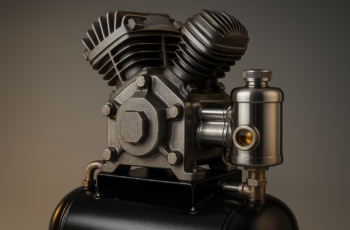
What exactly is a high-pressure air compressor, and how does it operate? These devices are designed to generate and deliver compressed air at pressures considerably higher than standard models, often exceeding 300 psi. They function through a compression mechanism—typically reciprocating, rotary screw, or centrifugal—that increases the volume of air while decreasing its volume, raising its pressure. The intake air is filtered, then compressed within cylinders or rotors, which generate heat that must be managed via cooling systems. The compressed air is stored in high-pressure tanks or directly supplied to tools and equipment. Precise control valves regulate pressure output, ensuring consistent delivery. High-pressure compressors are essential in applications requiring intense power, such as industrial manufacturing, testing, or specialized equipment operation.
Key Factors to Consider When Choosing a High-Pressure Compressor
Choosing the right high-pressure compressor involves analyzing several critical factors to guarantee it meets your specific operational requirements. Key considerations include pressure capacity, flow rate, power consumption, and durability. High-pressure applications demand precise specifications to ensure efficiency and safety. It’s crucial to evaluate the compressor’s maximum working pressure, ensuring it aligns with your operational needs. The flow rate determines how quickly compressed air is delivered, impacting productivity. Power efficiency affects operational costs over time, making energy consumption a necessary factor. Durability and build quality influence maintenance intervals and lifespan, especially under continuous use.
Selecting a high-pressure compressor requires careful evaluation of pressure, flow, efficiency, and durability for optimal performance.
- Maximum operating pressure
- Flow rate capacity
- Energy efficiency
- Mechanical robustness
Types of High-Pressure Air Compressors and Their Uses
Choosing the right high-pressure air compressor depends on whether portability or stability is more critical, as well as the specific application scope. We’ll analyze the distinctions between portable and stationary models, alongside their suitability for industrial versus hobbyist tasks. Understanding these factors helps optimize performance and cost-effectiveness for your needs.
Portable vs. Stationary Models
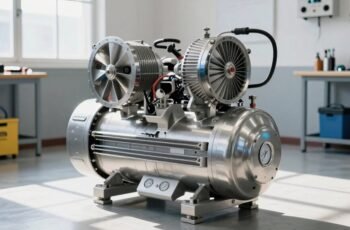
When selecting a high-pressure air compressor, understanding the distinctions between portable and stationary models is essential for optimizing performance and meeting specific operational needs. Portable units offer flexibility, ease of transport, and quick deployment, making them suitable for on-site or remote applications. In contrast, stationary models are designed for continuous, high-capacity use within fixed locations, providing stability and efficiency for industrial operations.
Consider these factors:
- Power source compatibility and mobility requirements
- Space constraints and installation environment
- Expected operational duration and duty cycle
- Maintenance accessibility and long-term reliability
Analyzing these elements helps determine the most appropriate model, balancing mobility with capacity, and ensuring the compressor aligns with operational demands and logistical considerations.
Industrial vs. Hobby Uses
High-pressure air compressors vary markedly in design and capacity to suit distinct applications, ranging from industrial operations to hobbyist projects. Industrial models are built for continuous, high-demand use, featuring robust construction, high flow rates, and durable components to handle prolonged operation and demanding environments. They often operate at higher pressures and volumes, supporting manufacturing, automation, and large-scale tasks. Conversely, hobbyist compressors prioritize portability, ease of use, and lower operational costs. These units typically have smaller tanks, lower power requirements, and simplified controls, making them suitable for small-scale projects like airbrushing, DIY repairs, or model building. Understanding these differences helps select a compressor that aligns with specific needs, ensuring peak performance, longevity, and cost-efficiency across both industrial and hobbyist applications.
How to Assess Your Air Pressure and Flow Requirements
Understanding your specific air pressure and flow requirements is essential for selecting the right compressor. To accurately assess these needs, we analyze operational demands, including continuous versus intermittent use, and the maximum pressure required for your tools. Precise evaluation prevents over- or under-sizing equipment, optimizing efficiency and lifespan. Key considerations include:
- Tool specifications: Identify the maximum PSI and CFM ratings of your tools.
- Application cycles: Determine if your tasks demand constant airflow or periodic bursts.
- Pressure drop factors: Account for hose length, diameter, and fittings that can reduce effective pressure.
- Simultaneous tool operation: Calculate combined airflow needs when multiple tools run concurrently.
This analytical approach guarantees the compressor’s capacity aligns with actual operational demands, avoiding unnecessary energy consumption or performance issues.
Important Safety Features and Maintenance Tips
Ensuring safety and proper maintenance is critical to maximizing compressor performance and preventing accidents. Key safety features include automatic shutoff systems that prevent over-pressurization, pressure relief valves that mitigate excess pressure buildup, and robust electrical grounding to reduce shock risks. Regular inspection of hoses and fittings for leaks or damage is essential, as compromised components can lead to sudden failures. Maintenance should focus on replacing filters, checking oil levels, and cleaning cooling systems to prevent overheating. Proper lubrication reduces mechanical wear, extending compressor lifespan and ensuring stable operation. Adhering to manufacturer-recommended service intervals and safety protocols minimizes operational hazards. This disciplined approach ensures reliability, operator safety, and optimal compressor efficiency over its service life.
Comparing Budget, Mid-Range, and Professional-Grade Compressors
When selecting a compressor, it’s essential to compare the features, performance, and durability across different price points—namely budget, mid-range, and professional-grade models. Budget models typically prioritize affordability but often compromise on longevity, airflow capacity, and pressure stability. Mid-range options strike a balance, offering improved build quality and performance suitable for moderate tasks. Professional-grade compressors emphasize durability, high efficiency, and consistent performance under continuous operation, often featuring advanced cooling systems and larger tanks.
- Build quality and material durability
- Maximum pressure and airflow capacity
- Operational noise levels and vibration control
- Maintenance intervals and ease of servicing
Top Brands and Models for High-Pressure Air Compressors
Selecting the right high-pressure air compressor hinges on identifying reputable brands known for their reliability, performance, and technological innovation. Industry leaders like Ingersoll Rand, Bauer, and Atlas Copco consistently deliver models with advanced cooling systems, precise pressure controls, and durable components suitable for demanding applications. For example, Ingersoll Rand’s high-pressure series offers efficient, oil-lubricated units with robust motor designs, while Bauer emphasizes portability and user-friendly interfaces with their compact, high-capacity models. Atlas Copco’s designs integrate smart technology for real-time diagnostics and energy efficiency. When evaluating models, consider specifications such as maximum pressure ratings, airflow capacity, and build quality. These brands have established a reputation for producing high-pressure compressors that meet industrial standards and ensure operational longevity.
Tips for Buying and Installing Your High-Pressure Air Compressor
Effective site preparation and adherence to safe installation practices are essential for ideal compressor performance and personnel safety. We recommend evaluating space requirements, ventilation, and electrical supply before installation to prevent operational issues. Ensuring these technical considerations are addressed minimizes risks and maximizes the compressor’s longevity.
Proper Site Preparation
Proper site preparation is critical to guarantee the safe and efficient operation of your high-pressure air compressor. It involves evaluating environmental factors, ensuring structural integrity, and optimizing space for maintenance. Key considerations include:
- Structural support: Confirm the foundation can bear the compressor’s weight and vibrational loads.
- Ventilation: Ensure adequate airflow to prevent overheating and facilitate cooling.
- Electrical supply: Verify power requirements and wiring capacity meet the compressor’s specifications.
- Drainage and moisture control: Minimize exposure to water and humidity that could damage components or cause corrosion.
A thorough examination of these factors minimizes operational disruptions, prolongs equipment lifespan, and enhances safety. Proper site preparation integrates technical requirements with environmental conditions, forming a foundation for reliable, efficient compressor performance.
Safe Installation Practices
Ensuring safe installation of a high-pressure air compressor requires careful adherence to manufacturer guidelines and industry standards to prevent accidents and equipment damage. Proper placement involves selecting a stable, level surface capable of supporting the compressor’s weight and vibration. Adequate ventilation is essential to dissipate heat and prevent overheating, while clearances around the unit facilitate maintenance and airflow. Electrical connections must meet local codes, including grounding and circuit protection, to reduce risk of electrical faults. Additionally, installing safety devices such as pressure relief valves and check valves ensures operational safety. Regular inspection and adherence to maintenance schedules further mitigate hazards. By following these precise practices, we ensure the compressor operates reliably, safely, and efficiently over its lifespan.
Frequently Asked Questions
What Is the Typical Lifespan of a High-Pressure Air Compressor?
Typically, a high-pressure air compressor lasts around 8 to 15 years with proper maintenance; factors like usage intensity, build quality, and regular servicing considerably influence its operational lifespan and overall performance longevity.
How Energy-Efficient Are Different High-Pressure Compressor Models?
Different high-pressure compressor models vary in energy efficiency, with modern designs often featuring variable speed drives and advanced motor technology that optimize power consumption, reducing operational costs and environmental impact, making them more suitable for energy-conscious applications.
Can High-Pressure Air Compressors Be Used for Industrial or Residential Purposes?
We believe high-pressure air compressors are versatile, suitable for both industrial and residential uses. For example, a manufacturing plant efficiently compressed air for tools, while homeowners use smaller models for DIY projects, demonstrating adaptability across settings.
What Are the Common Troubleshooting Issues With High-Pressure Compressors?
We often find that common troubleshooting issues include overheating, pressure drops, and abnormal noise. We analyze these problems by inspecting valves, filters, and pressure gauges, ensuring proper maintenance, and replacing worn components to optimize compressor performance efficiently.
Are There Specific Regulations or Certifications Required for High-Pressure Compressors?
Regulations and certifications for high-pressure compressors are the backbone of safety, ensuring compliance with standards like ASME, CE, or OSHA. We emphasize adhering to these to prevent hazards and maintain operational integrity, like a ship steering through regulatory waters.
Conclusion
Choosing the right high-pressure air compressor is like arming yourself with a precision-tuned powerhouse capable of transforming your operations. With careful consideration of specifications, safety, and brand reputation, you’ll gain access to unparalleled efficiency—imagine a relentless force that powers through the toughest tasks with unwavering reliability. Proper selection and maintenance guarantee your compressor becomes an indomitable engine, elevating productivity to levels where only the most advanced technology dares to tread.