Ensuring the safety of air compressor tanks is a critical aspect of maintaining reliable equipment operation and protecting personnel. Proper installation, regular inspections, and adherence to industry standards are essential to prevent potential failures. Understanding the key components, maintenance procedures, and warning signs of damage can substantially reduce risks. As we explore these topics, you’ll find that proactive safety measures are not just best practices—they are necessary for preventing costly accidents or environmental hazards.
Key Takeaways
- Regularly inspect and maintain pressure relief valves, gauges, and tank surfaces to prevent corrosion, cracks, and leaks.
- Ensure proper installation on a stable, level surface with appropriate fittings and vibration dampers.
- Monitor and regulate air pressure accurately, using automatic regulators and safe venting systems.
- Promptly address any signs of damage, corrosion, or wear to avoid catastrophic tank failures.
- Follow safety standards for storage, handling, and repair procedures, including proper depressurization and protective equipment use.
What Are the Key Components of a Safe Air Compressor Tank?
A safe air compressor tank relies on several critical components that work together to guarantee proper operation and safety. Key elements include pressure relief valves, which prevent over-pressurization, and pressure gauges, providing real-time monitoring. The tank’s construction materials influence air quality by minimizing oil and particulate contamination, ensuring cleaner output. Noise reduction features, such as sound enclosures and mufflers, are essential for minimizing operational noise, promoting a safer environment. Drain valves are also essential for removing accumulated moisture, preventing corrosion and maintaining air purity. These components collectively guarantee that the tank functions within safe parameters, preserves air quality, and minimizes noise levels. Properly maintaining these elements is vital for reliable, safe, and efficient compressor operation.
How to Properly Install and Set Up Your Air Compressor Tank
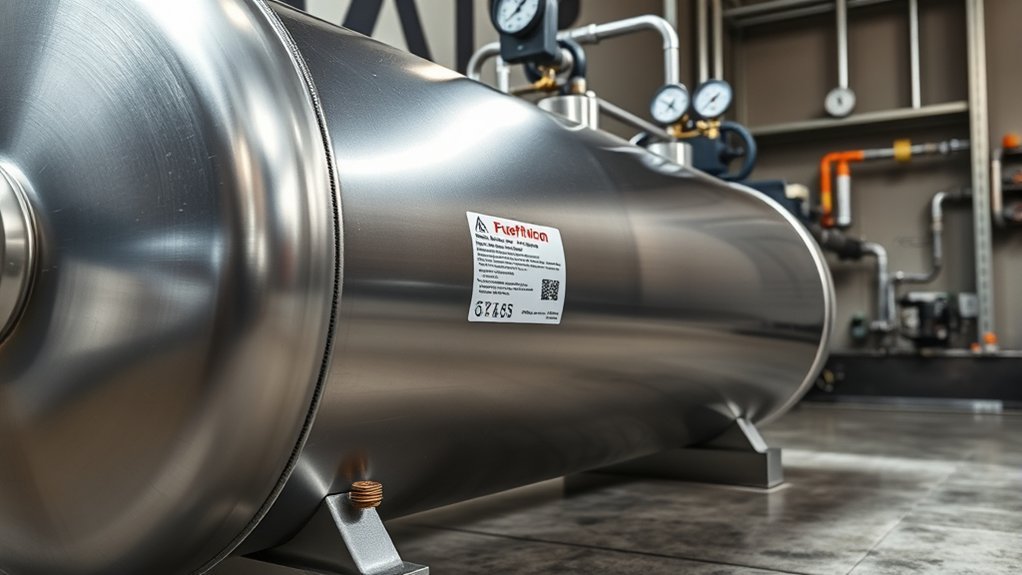
Proper installation and setup are vital steps to guarantee your air compressor tank operates safely and efficiently. Start by selecting a stable, level surface that guarantees proper drainage and minimizes vibration. Position the tank away from heat sources, ensuring adequate airflow to maintain ideal air quality. Connect the tank using appropriately rated fittings and secure all connections to prevent leaks. Install a pressure relief valve and verify it functions correctly, acting as a safety safeguard. To reduce noise pollution, consider mounting the tank with vibration dampers or installing sound barriers. Proper setup also involves calibrating pressure settings and verifying air quality filters are clean and effective. These measures ensure safe operation, prolong equipment lifespan, and contribute to a quieter, cleaner work environment.
Why Regular Inspections Are Crucial for Tank Safety
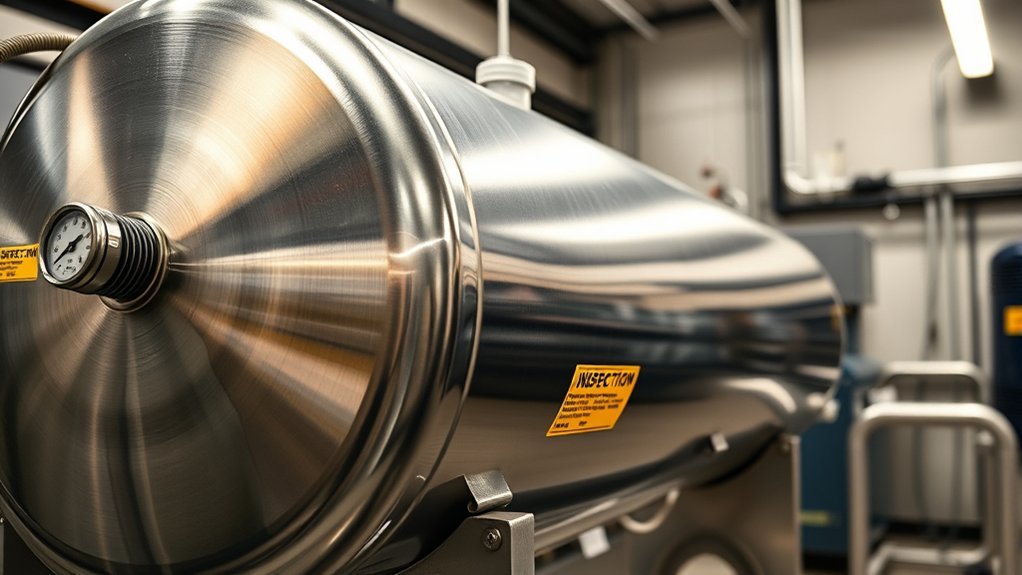
Regular inspections are essential to maintaining the safety and integrity of an air compressor tank because they allow us to identify potential issues before they escalate into dangerous failures. During inspections, we assess the condition of the tank paint, checking for corrosion or peeling that could compromise structural integrity. We also evaluate areas for signs of wear, fatigue, or cracks. Ensuring the tank’s surface is properly maintained helps prevent corrosion-related failures. Additionally, inspections include noise reduction assessments, as unusual sounds can indicate internal issues or pressure irregularities. Addressing these early minimizes the risk of catastrophic failure. Regular inspections, thus, serve as a critical preventative measure, enabling timely repairs and ensuring the tank operates safely and efficiently over its lifespan.
How to Manage and Maintain Air Pressure Levels Safely
Effective management of air pressure levels is critical to guaranteeing the safety and efficiency of an air compressor tank. Maintaining ideal pressure prevents over-pressurization, reducing the risk of tank rupture, and supports consistent air quality. Precise control of pressure levels also minimizes noise, promoting a safer work environment. To achieve this, we recommend:
- Regularly calibrating pressure gauges to guarantee accurate readings
- Using automatic pressure regulators to maintain steady pressure levels
- Implementing proper venting systems to release excess pressure safely
These steps help preserve air quality, prevent sudden pressure drops, and reduce noise pollution. Consistent monitoring and adjustment are essential for safe operation, ensuring the tank functions reliably while safeguarding personnel and equipment.
Recognizing Signs of Wear, Corrosion, or Damage in Your Tank
Because corrosion and physical damage can compromise the structural integrity of an air compressor tank, it’s essential to regularly inspect for these issues. We focus on tank material and wear indicators to detect early signs of deterioration. For metallic tanks, look for pitting, rust, or discoloration, which signal corrosion. If a plastic or composite tank shows cracks, warping, or delamination, these are clear damage indicators. Wear indicators include thinning of the tank walls, bulging, or blistering, often caused by internal corrosion or chemical reactions. Regular visual inspections, combined with tactile checks for softness or roughness, help identify compromised areas. Recognizing these signs early allows for timely repairs or replacements, safeguarding safety and maintaining peak tank performance.
The Importance of Safety Valves and Pressure Relief Devices
Proper installation of safety valves and pressure relief devices is critical to maintaining tank integrity under pressure. Regular safety inspections ensure these components function correctly and prevent overpressure scenarios. Confirming these devices are correctly installed and maintained is essential for reliable operation and personnel safety.
Proper Valve Installation
Have you guaranteed that safety valves and pressure relief devices are correctly installed on your air compressor tank? Proper valve installation is critical for securing safe operation. Accurate valve calibration ensures that pressure relief activates at the designated set point, preventing over-pressurization. Proper tank labeling provides clear identification of safety mechanisms, reducing human error during maintenance. An improperly installed valve can lead to catastrophic failure, risking injury and equipment damage. Confirm that:
- Valves are correctly oriented and securely mounted
- Valve calibration aligns with manufacturer specifications
- Tank labeling clearly indicates pressure limits and device status
Making certain these details are correct is crucial for operational safety and compliance. Proper installation not only protects personnel but also extends the lifespan of your equipment, maintaining safe and efficient operation.
Regular Safety Inspections
Regular safety inspections are essential to guarantee that safety valves and pressure relief devices function correctly and reliably. These inspections verify proper operation, prevent over-pressurization, and maintain ideal air quality while minimizing noise levels. Regular checks ensure that safety devices respond promptly to pressure fluctuations, reducing the risk of tank damage or failure. In addition, inspecting for corrosion, debris buildup, and proper calibration helps sustain noise reduction and air quality standards.
| Inspection Task | Frequency | Key Focus |
|---|---|---|
| Safety valve testing | Monthly | Proper release pressure |
| Pressure relief device | Quarterly | Correct operation and calibration |
| Air quality assessment | Annually | Contaminant buildup |
| Noise level measurement | Biannually | Noise reduction effectiveness |
| Corrosion inspection | Semi-annual | Structural integrity |
Best Practices for Draining Moisture and Preventing Rust
Moisture accumulation inside an air compressor tank can lead to corrosion and compromised performance if not managed effectively. To guarantee ideal operation, consistent moisture elimination is essential. Regularly drain the tank using the drain valve to remove accumulated water, preventing rust formation. Additionally, employing moisture separators can enhance moisture control, reducing the risk of corrosion. Implementing rust prevention measures, such as applying protective coatings or corrosion inhibitors, further safeguards the tank’s integrity.
Consider these best practices:
- Schedule routine drainings to prevent moisture build-up and extend tank lifespan.
- Use quality moisture separators to improve moisture elimination efficiency.
- Apply rust inhibitors periodically to create a protective barrier against corrosion.
Adhering to these practices ensures the tank remains dry, rust-free, and reliable.
What to Do in Case of a Tank Leak or Failure
In the event of a tank leak or failure, immediate safety measures are critical to prevent injury or damage. We must quickly shut down the compressor, isolate the tank, and ventilate the area to reduce pressure and release any residual gases. Proper leak repair techniques involve identifying the source accurately, using appropriate materials, and following manufacturer specifications to guarantee a secure, lasting fix.
Immediate Safety Measures
What immediate steps should we take if a tank leak or failure occurs? First, shut down the compressor immediately to prevent further damage or air compressor noise escalation. Next, evacuate personnel from the area to minimize exposure to potential hazards and reduce environmental impact. Confirm that the area is well-ventilated to disperse any released gases, which could pose health risks or environmental issues. Additionally, isolate the tank to prevent additional leaks.
- Prioritize safety over equipment; avoid opening the tank unless trained and properly equipped.
- Notify emergency services and maintenance teams promptly.
- Use appropriate personal protective equipment to safeguard against exposure.
Taking these steps ensures safety, reduces environmental impact, and limits noise hazards until professional repairs can be performed.
Proper Leak Repair Techniques
Once the area has been secured and personnel evacuated, addressing the leak or failure in the tank requires careful application of proper repair techniques. First, depressurize the tank completely to prevent further air loss and guarantee safety. For small leaks, use approved patching materials compatible with compressed air tanks, assuring a secure seal to maintain air quality and prevent contamination. For larger breaches, professional welding or metal replacement is essential to restore integrity. Proper repair minimizes noise during operation and prevents further deterioration. Always verify the repair’s effectiveness through pressure testing before resuming full use. Maintaining the tank’s integrity assures consistent air quality and reduces noise pollution, both of which are critical for safe, efficient compressor operation.
Understanding the Role of Certification and Compliance Standards
Certification and compliance standards serve as essential benchmarks that guarantee air compressor tanks meet rigorous safety and performance criteria. These standards, such as those governing air compressor certification, ensure tanks are constructed and tested to withstand operational pressures without failure. Compliance standards are crucial for preventing accidents, protecting personnel, and maintaining system integrity.
Key elements include:
- Rigorous testing protocols that validate durability under real-world conditions.
- Strict manufacturing guidelines to ensure consistent quality.
- Regular inspections and certifications to uphold safety over time.
Adhering to these standards isn’t optional—it’s a critical safeguard. Certification and compliance standards provide assurance that air compressor tanks are safe, reliable, and compliant with industry regulations, reducing risks and enhancing operational efficiency.
Tips for Safe Storage and Handling of Air Compressor Tanks
Proper storage of air compressor tanks involves secure placement in well-ventilated areas away from heat sources. Regular inspections are essential to identify corrosion, leaks, or damage that could compromise safety. Safe handling procedures must be followed during transportation and maintenance to prevent accidental releases or injury.
Proper Storage Practices
To guarantee safety, it’s essential that air compressor tanks are stored correctly, following strict guidelines for handling and placement. Proper storage minimizes risks associated with pressure buildup, corrosion, and noise pollution. Confirm tanks are placed in well-ventilated, stable environments, away from sources of heat or impact. Maintain adequate clearance to prevent damage and facilitate maintenance. To optimize air compressor capacity and noise reduction, store tanks on level, solid surfaces to prevent shifting or tipping. Use sound attenuators or enclosures where noise levels could disturb nearby personnel. Key practices include:
- Secure placement to prevent accidental movement or tipping.
- Adequate ventilation to reduce moisture buildup and corrosion.
- Isolation from noise-sensitive areas for effective noise reduction.
Regular Inspection Routines
Regular inspection routines are essential for maintaining the safety and integrity of stored air compressor tanks. Consistent, detailed inspections help identify corrosion, cracks, or any signs of wear that could compromise tank integrity. During these routines, we examine welds, fittings, and pressure relief devices to guarantee proper function. We also check for corrosion, pitting, or blistering on the tank’s surface, which could indicate internal issues. Maintaining accurate records of inspection dates and findings helps track deterioration over time. Adhering to strict inspection routines enhances air compressor tank safety by preventing failures and potential accidents. It’s vital that inspections are performed by trained personnel following manufacturer guidelines and relevant standards, guaranteeing early detection and prompt remedial action.
Safe Handling Procedures
Ensuring safe storage and handling of air compressor tanks requires strict adherence to established procedures to prevent accidents and equipment damage. Proper procedures safeguard air quality and noise control, reducing health risks and environmental impact. When handling tanks, always verify pressure release before moving, secure tanks to prevent tipping, and store in well-ventilated areas. Use appropriate PPE and maintain ambient air quality to avoid inhalation hazards. Implement noise control measures, such as sound barriers or mufflers, to minimize disturbance. Regularly check for leaks or corrosion that could compromise safety.
- Minimize risk of injury or damage through proper handling techniques
- Maintain ideal air quality to protect workers’ health
- Control noise levels to guarantee a safe environment
Frequently Asked Questions
How Often Should I Replace or Upgrade My Air Compressor Tank?
We recommend replacing or upgrading your air compressor tank every 10-15 years, depending on its condition. Regular tank maintenance and an inspection schedule help identify corrosion or damage, ensuring safety and peak performance.
What Are the Common Causes of Tank Failure?
Common causes of tank failure include corrosion from moisture exposure and metal fatigue, which can be mitigated through corrosion prevention measures and diligent pressure monitoring, ensuring early detection of potential issues and prolonging tank integrity.
Can I Repair a Damaged Air Compressor Tank Myself?
We don’t recommend repairing a damaged air compressor tank ourselves; instead, we perform thorough tank inspections, address corrosion prevention issues, and consult professionals to guarantee safety and compliance with industry standards before any repair or reuse.
How Does Ambient Temperature Affect Tank Safety?
Temperature fluctuations influence tank safety by promoting condensation buildup, which can accelerate corrosion and weaken the structure. Maintaining stable ambient temperatures minimizes these effects, ensuring the compressor tank’s integrity and safe operation over time.
Are There Specific Safety Precautions for Portable vs. Stationary Tanks?
We guarantee portable safety by securing tanks during transport and inspecting for leaks regularly, while stationary precautions include pressure relief devices, structural integrity checks, and proper maintenance protocols to prevent accidents and ensure compliance with safety standards.
Conclusion
In summary, ensuring air compressor tank safety is a proactive process that requires vigilance and adherence to best practices. Regular inspections, proper maintenance, and compliance with standards are our best tools to prevent mishaps. When we stay ahead of potential issues, we avoid playing with fire and keep our operations running smoothly. Remember, safety isn’t just a guideline—it’s a mindset that protects everyone involved and preserves equipment integrity.