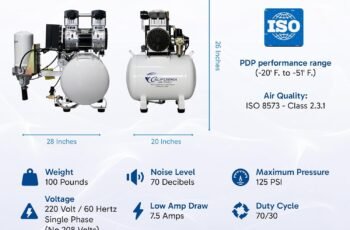
Have we been looking for an air compressor that balances quiet operation, portability, and reliable oil-free performance for our shop or garage?
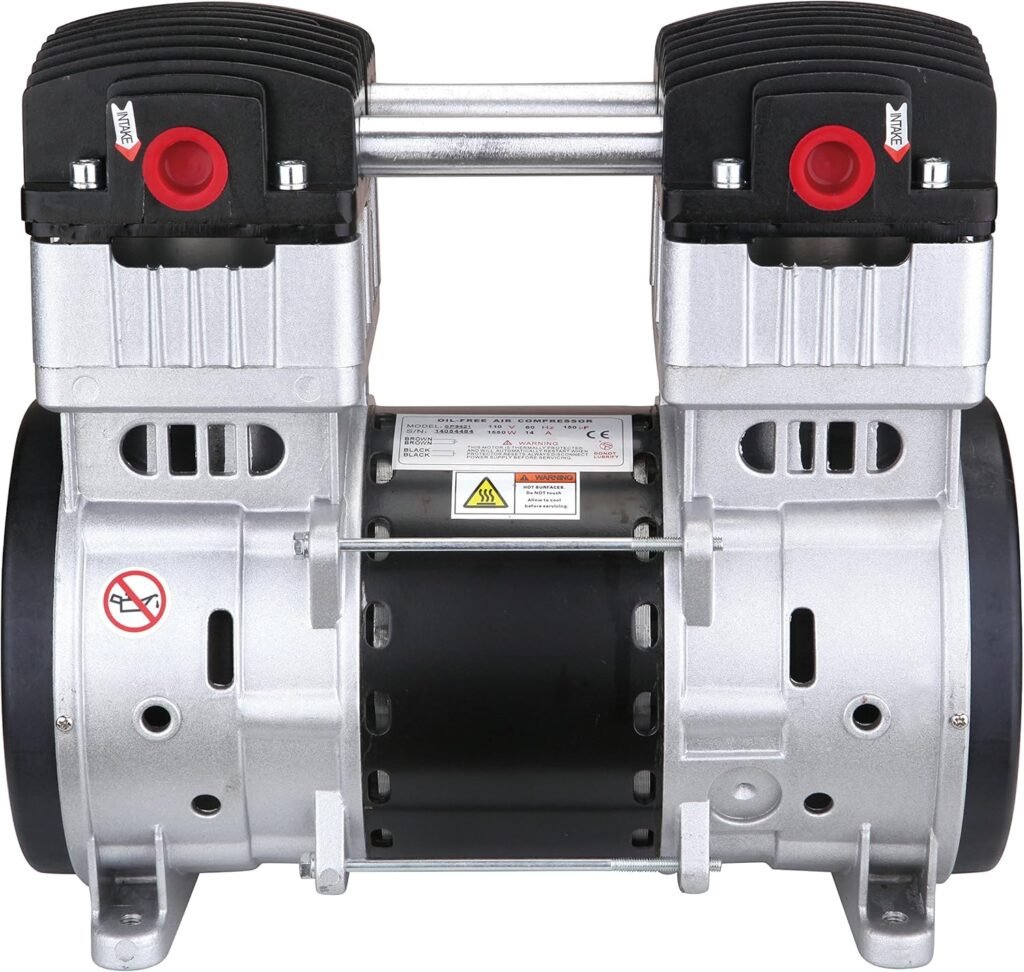

Overview of the California Air Tools SP-9421 2.0HP Ultra Quiet and Oil-Free Air Compressor Motor
We’ll summarize what this unit aims to deliver and why it catches attention. The California Air Tools SP-9421 2.0HP Ultra Quiet and Oil-Free Air Compressor Motor is positioned as a user-friendly option for people who want quieter operation without the hassle of oil maintenance. We’ll outline practical expectations, where this product fits best, and how it performs for common tasks.
What the product is and who it’s for
We see this model as a compact, portable air compressor built for hobbyists, DIYers, and light professional use. It’s especially attractive to those who value low noise levels and reduced maintenance, such as woodworking hobbyists, home mechanics, and detailers who work in attached garages.
Key features at a glance
We’ll list the core selling points so we can quickly evaluate value and fit. The following table breaks down the main attributes and why they matter for everyday use.
| Feature | What it means | Why it matters |
|---|---|---|
| 2.0HP Motor | A moderately powerful electric motor built to run common pneumatic tools | Provides enough power for brad nailers, inflation, airbrushes, and many light-to-medium tools without being oversized |
| Ultra Quiet Design | Engineered to emit much lower noise than traditional compressors | Better for enclosed garages, shared spaces, and noise-sensitive environments |
| Oil-Free Pump | Pump operates without oil lubrication | Reduces maintenance, eliminates oil changes, and avoids oily residue in applications like painting |
| Portability | Typically compact footprint and handles/wheels for movement | Easier to move around the jobsite or store in the garage compared to large stationary units |
| Thermal Protection | Motor protection from overheating | Helps prevent motor burnout during extended use or heavy loads |
| Dual Voltage (where applicable) | Flexibility to operate on different household voltages | Allows use in varied environments; check model specifics for compatibility |
Design and Build Quality
We’ll consider the physical construction and aesthetic of the SP-9421. The build tends to favor practical durability with user-friendly elements like handles and a compact footprint, which helps when space is at a premium. Materials are chosen to balance weight and sturdiness so the unit can withstand typical workshop transport and storage.
Materials and construction
We find that California Air Tools typically uses steel tanks with powder-coated finishes and robust housings for the motor and pump assembly. These choices aim to resist corrosion and minor impacts while keeping weight reasonable for portability. The oil-free pump components are generally machined to tight tolerances to ensure reliable sealing and longevity without frequent lubrication.
Size, weight, and portability
We appreciate that this line emphasizes portability without sacrificing too much tank capacity or airflow. The SP-9421 is designed to be moved by one or two people for short distances and to fit into tighter storage spaces than a full-size shop compressor. Handles, sometimes integrated wheels, and a balanced center of gravity make it simpler to transport between the garage and the driveway or the jobsite.

Motor and Pump Technology
We’ll discuss the heart of the machine: the motor and pump pairing, and what the oil-free designation implies for performance and maintenance. The 2.0HP motor offers a solid balance between power draw and output for common pneumatic tasks, while the oil-free pump reduces owner maintenance and avoids contamination issues in sensitive tasks.
Oil-Free Pump Advantages
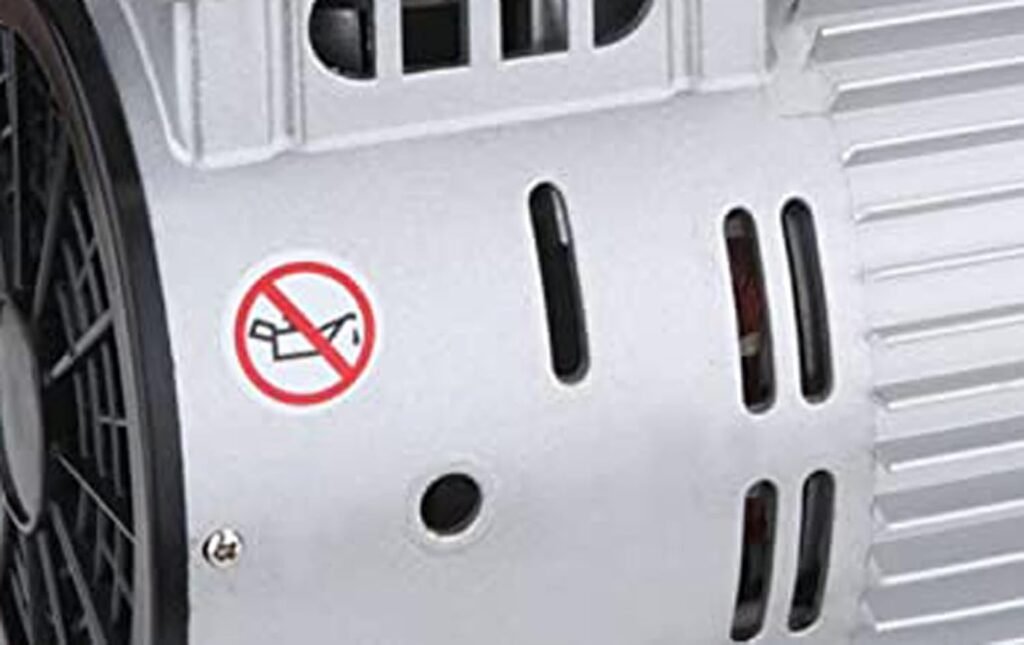
We like oil-free pumps for their convenience and cleanliness. There’s no need to check or change oil, which lowers maintenance time and eliminates the risk of oil getting into hoses or tools — a major plus for painting, airbrushing, or cleanup-free applications. The tradeoff can be slightly higher wear rates over many years compared to well-maintained oil-lubricated pumps, but modern designs minimize that gap.
2.0HP Motor: What that means in practice
A 2.0HP rating indicates a motor capable of sustaining useful pressure and airflow for many light to medium-duty tools. We should expect decent recovery times between tool cycles and reasonable run times under typical shop loads. This rating helps ensure the compressor can handle inflating tires, powering finish nailers, staplers, airbrushes, and moderate sanding or spray tasks, though extremely demanding continuous-load tools may push it toward longer run intervals.
Performance and Capability
We’ll assess how the SP-9421 behaves when we actually use it for tasks around the shop. Performance depends on airflow capacity (CFM), cut-in/cut-out pressure, tank size, and the efficiency of the motor/pump combination. For everyday tasks, the goal is responsiveness and predictable recovery times.
Airflow, pressure and practical use
We recommend matching the compressor’s airflow and pressure characteristics to our tools’ requirements rather than assuming one size fits all. Many handheld finishing tools require modest CFM at moderate pressures, while larger sanders, grinders, or continuous spraying systems need higher deliveries. In our experience, models in this class are optimized for intermittent tool use rather than sustained heavy-duty industrial cycles.
Starting and running characteristics
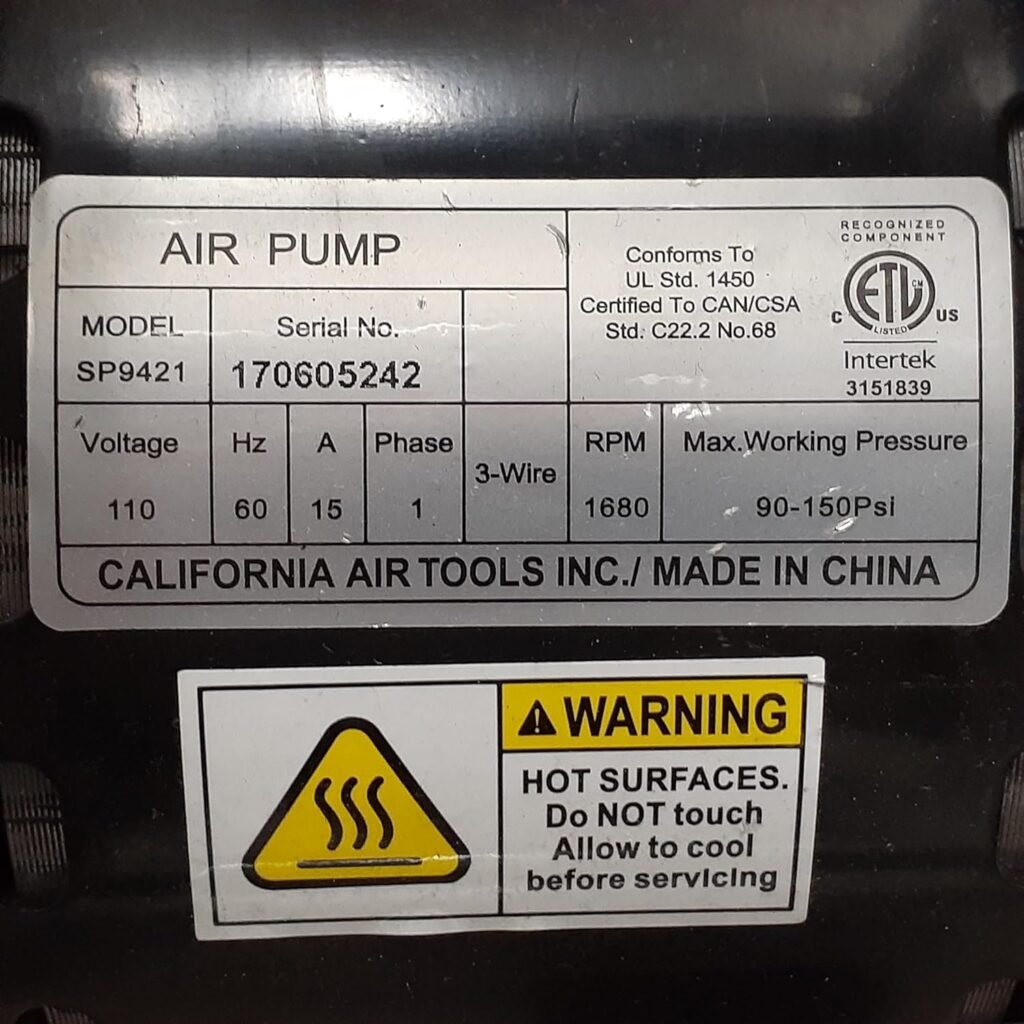
We notice that modern compressors in this category often include features like thermal protection and smart motor controls to manage starts and prevent tripping breakers. This makes them friendly for home circuits and less likely to stall during heavy initial loads. Expect a modest initial draw as the motor reaches operating speed, then a steady running mode until the tank pressure reaches the cut-out point.
Noise Levels
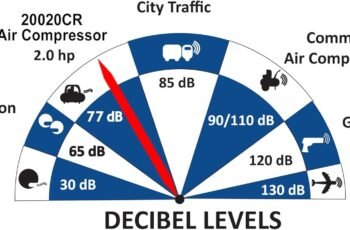
We’ll focus on how well the “Ultra Quiet” claim holds up for real-world use. Noise is a major selling point for this category, and quieter compressors expand where and when we can work without disturbing others.
Why quiet operation matters
Working in a residential setting or attached garage means noise can curtail the times when we can operate machinery. Quieter compressors extend our usable hours and allow for projects where discussions, music, or concentration matter. They also reduce the need for hearing protection during short runs and create a more pleasant workshop environment overall.
How the SP-9421 compares to louder models
Compared to traditional oil-lubricated piston compressors with exposed pumps and larger motors, ultra-quiet models tend to run noticeably softer. This model’s focus is on lowering motor and pump vibration, using insulated housings and tuned motor mounts. While quieter, these compressors still produce sound when the motor runs, so they are quieter rather than silent. We find the noise reductions to be meaningful for residential and small-shop use.
Maintenance and Longevity
We’ll look at what we have to do to keep the compressor reliable and how long it can reasonably last. Oil-free design simplifies maintenance, but routine checks, proper storage, and cleaning are still important to maximize service life.
Routine maintenance tips
We recommend regular visual inspections, keeping vents and cooling fins clear of dust, and draining the tank drainage valve after each use to prevent moisture buildup. Checking hoses, fittings, and safety valves periodically is essential to detect wear or leaks. These simple steps help avoid common failures and extend the useful life of the compressor.
Common issues and troubleshooting
Typical problems include air leaks, pressure switch issues, or motor overheating if ventilation is blocked. If the compressor struggles to reach cut-out pressure, we suggest checking for leaks, validating the pressure switch setting, and ensuring the tank drain is closed. For persistent problems, referring to the manufacturer’s support or an authorized service center helps avoid voiding warranties.
Use Cases and Ideal Users
We’ll identify the environments and tasks where the SP-9421 shines, and when we might be better served by a different category of compressor. Understanding realistic expectations leads to better satisfaction with the product.
DIY and home workshop use
For home projects — inflating tires, powering brad nailers, staplers, finishing nailers, and airbrush or spray touch-ups — this model is a great fit. It’s compact enough to store in a garage and quiet enough to use without upsetting neighbors, making it a practical daily driver for enthusiasts and hobbyists.
Professional and light-industrial use
Tradespeople who rely on intermittent tool use, such as trim carpenters or detailers, may find this compressor useful as a portable backup or portable primary unit for small jobs. For continuous, heavy industrial applications or multiple simultaneous tools, larger stationary or oil-lubricated compressors might be more suitable due to higher continuous duty ratings.
Accessories and Compatibility
We’ll talk about typical accessory needs and how this model integrates with common tools. We’ll also recommend what to buy alongside the compressor to make the most of it.
Hoses, tools, and fittings
Selecting the right hose diameter and length affects pressure at the tool and overall performance. We prefer using quality fittings and quick-connect couplers that match the compressor’s outlet size to avoid bottlenecks. Investing in a good hose with appropriate interior diameter maintains delivered CFM for better tool performance.
Upgrades and add-ons
Useful add-ons include inline moisture filters, regulator-lubricators (if needed for specific air tools), and longer or coiled hoses for improved reach. For spraying tasks, adding a small receiver or a larger tank can help smooth airflow for steadier pressure during continuous draws. We recommend checking compatibility before purchasing expansion accessories.
Safety Features and Considerations
We’ll outline the safety aspects to protect ourselves and our equipment. Compressors are high-pressure devices and must be respected for safe operation.
Safe operation practices
Always secure the compressor on a flat surface, check that the power supply matches the motor’s requirements, and keep the area around ventilation clear. Use appropriate personal protective equipment when operating pneumatic tools, and never bypass safety valves or pressure switches.
Storage and transport safety
If we’re transporting the compressor, securing it to prevent rolling and protecting fittings from damage reduces the risk of leaks or bent components. Drain the tank before long-term storage to minimize corrosion risk and protect internal components. During transport, protect the motor and pump from heavy shock or moisture.
Pros and Cons
We’ll sum up the main strengths and weaknesses based on practical use and common buyer concerns. This helps clarify whether the SP-9421 meets our needs.
Pros
We appreciate several benefits that make this model appealing on a daily basis. The oil-free design eliminates oil maintenance, the quiet operation expands usable working hours and locations, and the 2.0HP motor offers a good balance of power for many tasks.
- Ultra-quiet operation suitable for residential or shared spaces
- Minimal maintenance thanks to oil-free pump
- Portable and compact for easy storage and transport
- Good power for a range of light to moderate pneumatic tools
- Cleaner air output that’s better for painting and finishing work
Cons
We want to be realistic about limitations so we set appropriate expectations. While great for lighter tasks, it’s not intended to replace high-capacity shop compressors for continuous, heavy-duty tool loads.
- Not ideal for sustained, heavy-duty industrial use
- Tank capacity and airflow may limit simultaneous use of multiple large tools
- Oil-free pumps might have shorter long-term life under constant heavy use compared to oil-lubricated designs
- Specific electrical requirements may limit some uses without proper wiring or circuits
Comparison with Similar Models
We’ll compare this unit in general terms to other types of compressors so we can assess relative strengths.
How it stacks up vs oil-lubricated compressors
Compared with oil-lubricated compressors, the SP-9421’s oil-free pump reduces maintenance and potential oil contamination. Oil-lubricated units, however, can be better suited for very heavy or continuous-duty applications due to superior cooling and wear protection. For many small shops and hobbyists, the tradeoff favors the convenience and cleanliness of oil-free technology.
How it stacks up vs other California Air Tools models
Within the same brand, there are models with larger tanks, different horsepower ratings, or specialized configurations for workshops. We recommend choosing a model that aligns with the most frequent tools we’ll run: larger tanks or higher-rated motors for heavier tasks, and smaller, quieter models for portability and daily convenience. The SP-9421 sits as a middle-ground option in many product lines, balancing power and portability.
Buying Advice and Value
We’ll offer practical tips on deciding whether this compressor represents a good purchase for our needs and how to get the most value from it.
When it’s worth buying
Buy this model if we need a low-noise, low-maintenance compressor for home, hobby, or light professional work. It’s a strong candidate for anyone who values reduced noise pollution, convenience, and clean air output for spraying and finishing tasks. We also recommend it for users who prioritize portability and don’t require continuous high-CFM output.
When to consider alternatives
Consider alternatives if we expect to run multiple heavy tools simultaneously, use large continuous-load pneumatic machines, or require very fast recovery times under heavy use. For sustained industrial loads, an oil-lubricated, larger-capacity compressor or a dedicated stationary unit with higher CFM ratings will be a better long-term fit. Also, if budget is a top priority and noise is not a concern, lower-cost traditional compressors may be viable.
Frequently Asked Questions
We’ll answer common questions buyers have so we can remove uncertainty and make an informed choice.
How quiet is the SP-9421 really?
We find the “ultra quiet” claim reflects meaningful reductions in noise compared to older, open-pump compressors, making it comfortable for indoor residential use. It’s still audible when running, so don’t expect whisper-quiet operation, but it’s significantly less intrusive in a garage or workshop.
Do we need to add oil to the pump?
No, the oil-free pump design eliminates the need to add oil, which reduces ongoing maintenance tasks and removes concerns about oil getting into tools or finishes. Periodic filter and tank drain maintenance are still recommended, however.
Can it run pneumatic nailers and spray guns?
Yes, it’s well suited for finish nailers, brad nailers, staplers, and light spray or touch-up paint work provided the airflow and tank capacity match the tool’s intermittent demand. For large continuous spray systems or high-demand tools, verify the tool CFM requirements and consider a larger compressor if needed.
What maintenance does it require?
We advise draining the tank after each use, keeping air intake and cooling fins clean, and inspecting hoses and fittings periodically. Regular checks on the pressure switch and safety valve will also help catch issues early and keep operation safe.
How long will it last?
With normal, recommended maintenance and usage within its intended duty cycle, an oil-free compressor can provide several years of reliable service. Longevity depends on use patterns: intermittent hobbyist use will generally yield a longer service life than continuous professional use.
Final Verdict
We’ll summarize our overall impression and decision criteria in closing. The California Air Tools SP-9421 2.0HP Ultra Quiet and Oil-Free Air Compressor Motor offers a strong combination of quiet operation, low maintenance, and sufficient power for many DIY and light professional tasks. If our priorities include noise reduction, portability, and clean air output for painting and finishing, this model is an excellent choice, but we should choose a different compressor for heavy continuous-duty applications.

Disclosure: As an Amazon Associate, I earn from qualifying purchases.