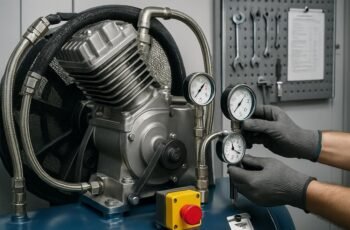
Understanding how rotary screw air compressors consume energy is essential for optimizing operational costs and equipment longevity. Their efficiency depends on multiple factors, including lubrication, load management, and maintenance practices. By analyzing these elements, we can identify opportunities for significant energy savings. As we explore the technical nuances of compressor performance, it becomes clear that strategic choices and consistent monitoring play a critical role in achieving peak efficiency—and the implications of neglecting these aspects warrant closer examination.
Key Takeaways
- Optimizing lubrication reduces internal friction, heat, and energy consumption in rotary screw compressors.
- Selecting models with noise reduction features indicates better mechanical health and efficiency.
- Using variable speed drives allows compressors to adapt to demand, saving energy during low load periods.
- Regular maintenance, including oil analysis and filter changes, prevents contamination and maintains efficiency.
- Real-time monitoring with sensors helps identify inefficiencies and optimize compressor performance.
How Rotary Screw Air Compressors Consume Energy and Why It Matters
Understanding how rotary screw air compressors consume energy is essential because their operational efficiency directly impacts overall plant productivity and energy costs. A key factor is compressor noise, which correlates with internal mechanical processes and energy losses. Excessive noise often indicates inefficient operation, leading to increased energy consumption. Lubrication efficiency also plays a critical role; inadequate lubrication causes higher friction, resulting in greater power draw and wear. Optimizing lubrication reduces mechanical resistance, thereby lowering energy use and minimizing noise levels. These elements are interconnected: poor lubrication increases noise and decreases efficiency, while effective lubrication and noise management ensure smooth operation. By analyzing these factors, we can identify energy drain points, improve compressor performance, and achieve better overall energy utilization in industrial settings.
Key Factors That Affect the Energy Efficiency of Rotary Screw Compressors
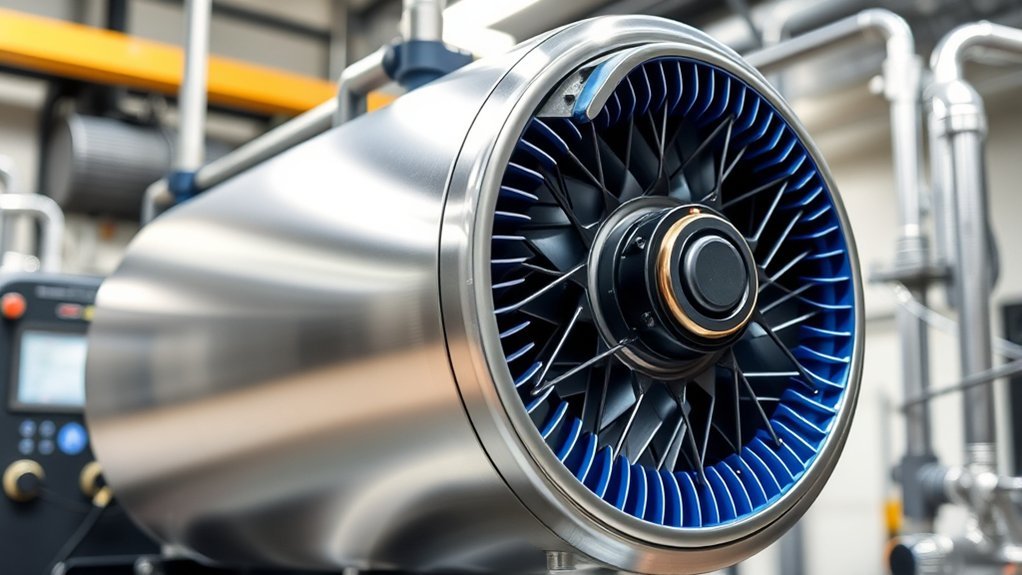
Several key factors influence the energy efficiency of rotary screw compressors, and identifying these elements is crucial for optimizing performance. Lubrication optimization plays a critical role by reducing internal friction and heat generation, thereby enhancing overall efficiency. Proper lubrication ensures smoother rotor operation and minimizes wear, which prolongs compressor life and maintains energy output. Noise reduction also impacts efficiency indirectly; excessive noise often indicates mechanical inefficiencies or misalignments that can increase power consumption. Addressing noise through precise component balancing and soundproofing not only improves operational stability but also reflects underlying mechanical health. Both factors—lubrication optimization and noise reduction—are essential in creating a more energy-efficient system, ensuring the compressor operates at peak performance with minimized energy waste.
Best Practices for Operating and Maintaining for Optimal Energy Savings

To achieve ideal energy savings with rotary screw compressors, diligent operation and maintenance practices are essential. Lubrication enhancement plays a critical role, ensuring the compressor runs smoothly and reducing frictional losses that increase energy consumption. Regular oil analysis and timely filter changes prevent contamination and maintain excellent lubrication properties. Noise reduction also indicates proper functioning; excessive noise may signal misalignment or worn components that elevate energy use. Implementing vibration monitoring helps detect inefficiencies early, supporting precise adjustments. Maintaining consistent operating parameters, such as pressure setpoints and airflow rates, minimizes unnecessary energy expenditure. Combining lubrication enhancement with proactive noise management enhances overall efficiency, prolongs equipment lifespan, and ensures the compressor operates within its designed energy profile.
How to Select Energy-Efficient Rotary Screw Air Compressors
Selecting the right energy-efficient rotary screw air compressor requires a focused evaluation of performance specifications, operational needs, and long-term energy costs. Key factors include optimizing compressor lubrication for minimal wear and energy loss, and selecting models designed for noise reduction to support a safer work environment. Additionally, consider variable speed drives that adapt to demand, ensuring energy savings during low load periods. Evaluate the compressor’s efficiency ratings and maintenance accessibility to sustain performance. Proper sizing prevents overcapacity, reducing idle energy consumption. Ultimately, assess manufacturer support for upgrades and parts, ensuring ongoing efficiency improvements.
Choose energy-efficient rotary screw compressors with optimal lubrication, noise reduction, variable speed drives, proper sizing, and reliable manufacturer support.
- Lubrication systems optimized for minimal friction and energy use
- Noise reduction features for quieter operation
- Variable speed drives for demand-based adjustment
- Accurate sizing to prevent overcapacity
- Reliable manufacturer support for future upgrades
Monitoring and Measuring Energy Efficiency in Your Compressor System
Effective monitoring and measurement are essential for accurately evaluating your compressor system’s energy performance and identifying opportunities for improvement. Conducting detailed energy consumption analysis allows us to pinpoint inefficiencies and track their impact over time. Implementing real-time data collection through advanced sensors and control systems enables precise measurement of key parameters like power usage, pressure, and flow rates. This data provides a foundation for efficiency optimization by revealing fluctuations, load variations, and potential waste. Regular performance audits help establish benchmarks and validate the effectiveness of maintenance or upgrades. Ultimately, systematic monitoring ensures informed decision-making, minimizes energy costs, and enhances overall system efficiency. By continuously evaluating energy metrics, we can proactively address issues and sustain optimal compressor operation.
Frequently Asked Questions
How Does Ambient Temperature Impact Compressor Energy Efficiency?
Ambient temperature notably impacts compressor energy efficiency through ambient cooling and temperature regulation; higher temperatures reduce efficiency by increasing cooling loads, while cooler environments enhance performance, highlighting the importance of proper ambient conditions for maintaining optimal compressor operation.
What Role Does Compressor Size Play in Energy Consumption?
Studies show improper compressor sizing can increase energy consumption by up to 25%. Effective compressor sizing is essential for energy optimization, as oversized units waste power, while undersized ones strain, highlighting the importance of precise calculations for efficiency.
Are There Advanced Technologies That Improve Compressor Energy Efficiency?
We incorporate advanced technologies like variable speed drives and heat recovery systems to enhance compressor energy efficiency, allowing precise flow control and waste heat utilization, which considerably reduces energy consumption and operational costs in modern rotary screw air compressors.
How Does Load Variability Affect Compressor Energy Use?
Load variability impacts compressor energy use considerably; it challenges load optimization and power management. We analyze fluctuations meticulously, adjusting operation to maintain efficiency, reduce energy waste, and optimize performance under varying demand conditions effectively.
What Are Common Misconceptions About Compressor Energy Efficiency?
We find efficiency myths often lead users to underestimate operational costs, while cost misconceptions focus on initial investment rather than lifecycle savings. Understanding these misconceptions helps optimize compressor performance, ensuring energy efficiency aligns with true operational value.
Conclusion
While it’s ironic that the most efficient compressor is often the one we neglect to monitor, our focus on proper lubrication, noise management, and smart controls can drastically reduce energy waste. By embracing rigorous maintenance and careful selection, we release performance gains that seem almost too good to be true—yet they’re backed by data. Ultimately, investing in energy-efficient practices isn’t just smart—it’s essential, even if it feels like we’re chasing an elusive ideal in a complex system.