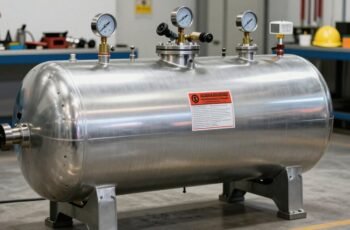
Just as a finely tuned engine relies on clean fuel, your air compressor depends on well-maintained filters to operate efficiently. Neglecting filter replacement can lead to performance issues and internal damage, making it essential to understand proper maintenance procedures. With many factors influencing filter lifespan and function, knowing when and how to replace them is critical for longevity and peak performance. Let’s explore the key steps and considerations to keep your compressor running smoothly.
Key Takeaways
- Regularly inspect filters for dirt, dust buildup, or damage to determine when replacement is needed.
- Follow manufacturer-recommended intervals, typically every 3-6 months, or more frequently in dusty environments.
- Use compatible filters with proper ratings (MERV or micron) to ensure effective filtration and airflow.
- Properly install filters, ensuring a tight seal to prevent leaks and maintain system efficiency.
- Seek professional help if issues persist after filter replacement or if you’re unsure about proper procedures.
Why Regular Filter Replacement Is Vital for Your Air Compressor
Regularly replacing the air compressor filter is essential because a clean filter guarantees ideal airflow and prevents contaminants from entering the system. Contaminants such as dust, oil, and particulate matter can impair compressor performance, cause blockages, and accelerate wear on internal components. A clogged filter increases the load on the motor, reducing efficiency and potentially leading to overheating or failure. Consistent replacement maintains peak airflow, ensuring the compressor operates within its designed parameters. It also protects downstream equipment from contamination, preserving product quality and reducing maintenance costs. Precise filter maintenance minimizes downtime and extends the lifespan of the compressor assembly. Ultimately, timely filter replacement is a critical component of proactive system management, safeguarding performance and reliability while preventing costly repairs.
Signs That Your Air Compressor Filters Need Replacing
Identifying when your air compressor filters need replacing is essential to maintaining ideal system performance. A primary indicator is a noticeable decline in air quality, such as increased particulate presence or oil carryover, signaling filter saturation. Reduced airflow or pressure fluctuations often result from clogged filters impeding airflow, which strains the system and diminishes efficiency. Additionally, elevated operating temperatures may occur due to restricted airflow, risking component overheating. Unusual noises, such as hissing or rattling, can also indicate filter obstruction or damage. Finally, visual inspection revealing excessive dust, dirt, or debris accumulation on the filter surface confirms the need for replacement. Recognizing these signs promptly prevents system strain, maintains airflow integrity, and guarantees optimal compressor operation.
How Often Should You Change Your Air Compressor Filters?
The frequency at which you should replace your air compressor filters depends on several operational factors, including usage intensity, environmental conditions, and the type of filter installed. Typically, filters should be inspected regularly to determine contamination levels. Under normal conditions, primary filters may require replacement every 3 to 6 months, while coalescing filters might last up to a year. However, heavily polluted environments or high usage may necessitate more frequent changes. Proper maintenance guarantees ideal compressor performance and air quality. To determine best replacement intervals, consider the following:
- Operational hours: Increase frequency with extended use.
- Environmental conditions: Dusty or humid environments accelerate filter clogging.
- Filter type: More efficient or finer filters tend to require more frequent replacement.
Step-by-Step Guide to Replacing Your Air Compressor Filter
To replace your air compressor filter effectively, we begin by preparing the necessary tools and ensuring the compressor is powered down and depressurized. Next, we remove the old filter carefully, inspecting the housing for damage or debris. Finally, we install the new filter, ensuring it fits securely and is properly aligned to maintain maximum airflow.
Preparing for Replacement
Are you prepared to replace your air compressor filter safely and efficiently? Proper preparation minimizes risks and guarantees the process proceeds smoothly. First, verify the compressor is powered off and disconnect it from the power source to prevent accidental activation. Next, gather all necessary tools and replacement filters, ensuring they meet manufacturer specifications. Finally, review the user manual for specific instructions or safety precautions related to your model.
- Confirm power is disconnected and depressurize the system
- Collect all required tools, including wrenches and replacement filters
- Review manufacturer guidelines for specific procedures and safety measures
Installing The New Filter
Once you’ve confirmed the system is depressurized and powered off, proceed with installing the new filter by carefully aligning it with the designated slot or connection point. Make certain the filter’s orientation matches the airflow direction indicated on the filter or compressor. Gently insert the filter, making sure it seats fully without forcing it, which could damage the seal or components. Confirm the filter is securely in place. Use the table below to verify proper installation steps and potential issues:
| Step | Key Action |
|---|---|
| Align filter | Match orientation with airflow direction |
| Insert filter | Gently seat into the connection |
| Check fit | Ensure no gaps or misalignment |
| Secure connections | Tighten fittings if applicable |
| Power on system | Confirm proper operation after install |
Choosing the Right Replacement Filter for Your Compressor
Selecting the appropriate replacement filter for your compressor requires careful consideration of several technical specifications. First, verify the filter’s size and compatibility with your specific compressor model. Next, assess the filtration efficiency, ensuring it effectively removes particulates, oil, and moisture to maintain air quality. Finally, consider the pressure drop across the filter, as excessive resistance can reduce performance and increase energy consumption.
Choose filters that fit your compressor, ensure high filtration efficiency, and minimize pressure drop for optimal performance.
Key factors include:
- Filter Type and Compatibility: Match the filter’s specifications to your compressor’s make and model.
- Filtration Efficiency: Ensure the filter meets required cleanliness standards for your application.
- Pressure Drop Ratings: Choose filters with acceptable pressure losses to optimize airflow and system performance.
Common Mistakes to Avoid When Changing Filters
One common mistake is neglecting the manufacturer’s guidelines, which can lead to improper filter installation or selection. Using the wrong filter type compromises filtration efficiency and can damage the compressor. To guarantee peak performance, it’s essential to follow specifications precisely and choose filters designed for your specific model.
Ignoring Manufacturer Guidelines
Ignoring manufacturer guidelines when replacing air compressor filters can lead to significant operational issues and equipment damage. These guidelines are based on rigorous testing and are tailored to guarantee peak performance and longevity. Disregarding them may result in:
- Using incompatible filter types, causing inefficient filtration and potential system contamination
- Overlooking recommended replacement intervals, leading to reduced airflow and increased wear
- Failing to follow proper installation procedures, risking leaks and pressure drops
Adhering to manufacturer instructions guarantees the correct filter specifications, installation techniques, and maintenance schedules. This reduces downtime, enhances compressor efficiency, and extends equipment lifespan. Ignoring these guidelines compromises safety, increases maintenance costs, and potentially voids warranty coverage. Consequently, always consult the manufacturer’s documentation before changing filters to ensure compliance and peak operation.
Using Wrong Filter Type
Have you ever considered how vital it is to use the correct filter type for your air compressor? Using an incompatible filter can compromise system performance and lead to equipment damage. Different compressors require specific filter ratings—such as coalescing, particulate, or activated carbon—each designed to target particular contaminants. Installing the wrong filter may result in inadequate filtration, increased wear, and potential pressure drops. To prevent these issues, always verify the manufacturer’s specifications for filter compatibility and select filters that meet the required MERV or micron ratings. Proper filter selection guarantees ideal airflow, reduces maintenance costs, and prolongs compressor lifespan. Avoid the mistake of using generic or incorrect filters; precision in choice is critical for maintaining system integrity and efficiency.
Tips for Maintaining Your Filters for Longer Service Life
Regularly inspecting and cleaning your air compressor filters is essential to extend their service life and maintain peak performance. Consistent maintenance prevents particle buildup, reduces pressure drop, and minimizes system strain. To maximize filter longevity, follow these practices:
- Schedule regular inspections to identify dirt accumulation or damage early.
- Use compressed air or appropriate cleaning solutions to remove debris without damaging the filter media.
- Replace seals and gaskets during cleaning to prevent unfiltered air bypass and ensure proper sealing.
Adhering to these practices guarantees efficient filtration, reduces operational costs, and prolongs filter lifespan. Precise maintenance routines combined with timely replacements help sustain ideal compressor performance and avoid costly downtime.
Troubleshooting Filter-Related Issues in Air Compressors
When filter issues arise in an air compressor, they can considerably impair system performance and increase operational costs. Common signs include reduced airflow, increased pressure drop, and fluctuations in output pressure. Clogged or dirty filters restrict airflow, causing the compressor to work harder and consume more energy. Additionally, contaminated filters can lead to moisture or debris bypassing the filter media, risking damage to downstream components. Troubleshooting begins with inspecting the filter for visible dirt, dust buildup, or damage. Measure pressure differentials across the filter; a significant increase indicates clogging. If airflow or pressure drops unexpectedly, replacing or cleaning the filter is vital. Ensuring proper installation and verifying seal integrity help prevent leaks and performance issues. Prompt diagnosis and maintenance maintain system efficiency and prevent costly repairs.
How Proper Filter Maintenance Extends Your Equipment’s Lifespan
Maintaining filters properly prevents contaminant buildup, which can cause internal damage and reduce efficiency. Consistent filter upkeep guarantees the compressor operates at peak performance levels, minimizing wear and tear. Ultimately, diligent maintenance extends the equipment’s operational lifespan and reduces costly repairs.
Prevents Contaminant Buildup
Contaminant buildup in air compressor filters can substantially impair equipment performance and accelerate wear if not properly managed. When filters become clogged with dust, oil, or other particles, airflow diminishes, causing increased strain on the compressor motor and reducing efficiency. Regular filter maintenance prevents these issues by removing accumulated contaminants before they reach critical levels. This proactive approach minimizes the risk of compressor damage, reduces downtime, and maintains consistent air quality.
- Ensures contaminants are effectively trapped before entering sensitive components
- Maintains proper airflow, reducing unnecessary motor strain
- Extends the functional life of both filters and the compressor itself
Maintains Optimal Performance
Proper filter maintenance directly contributes to extending the lifespan of your air compressor by guaranteeing that critical components operate under ideal conditions. Clean filters prevent dust, oil, and other particulates from entering the system, reducing wear on pistons, valves, and bearings. When filters are properly maintained, airflow remains consistent, which minimizes strain on the motor and other moving parts. This helps maintain maximum pressure levels and prevents fluctuations that could lead to mechanical failure. Additionally, a well-maintained filter reduces the likelihood of overheating caused by restricted airflow, promoting more efficient heat dissipation. Ultimately, consistent filter upkeep ensures that your compressor performs at peak efficiency, minimizes downtime, and prolongs equipment lifespan by preventing premature component failure due to contamination and excessive operational stress.
When to Consult a Professional for Air Compressor Filter Replacement
How do you know when it’s time to bring in a professional for air compressor filter replacement? If you’re uncertain about the filter’s condition or lack the proper tools, consulting an expert guarantees proper maintenance and prevents potential damage. Additionally, consider professional assistance if you notice persistent pressure drops or unusual noise levels, as these may indicate underlying issues beyond simple filter replacement. Regular inspections by a qualified technician can identify problems early, saving time and costs.
Know when to call a professional: persistent pressure drops, unusual noises, or unclear filter condition signal expert help is needed.
- The filter appears excessively dirty or damaged despite cleaning
- You lack the necessary tools or technical knowledge
- Unresolved performance issues persist after routine maintenance
Frequently Asked Questions
Can I Use Generic Filters Instead of OEM Filters?
Yes, we can use generic filters instead of OEM filters, but we must guarantee they meet the same specifications and quality standards to maintain ideal compressor performance and prevent potential damage or inefficiency.
How Do Temperature Changes Affect Filter Performance?
A stitch in time saves nine; temperature fluctuations can substantially impact filter efficiency. Cooler temperatures may cause condensation, reducing filtration, while higher temperatures can accelerate wear, emphasizing the need for regular inspection and timely replacements to maintain ideal performance.
Are There Eco-Friendly Filter Options Available?
Yes, eco-friendly filters made from biodegradable or recycled materials are available, offering effective filtration while reducing environmental impact. We recommend evaluating specifications for compatibility and performance to guarantee they meet your compressor’s operational requirements.
What Is the Cost Difference Between Different Filter Types?
The cost difference between filter types ranges from 10 to 50 dollars, much like choosing between a basic and a high-performance engine. We find eco-friendly options tend to cost slightly more but offer long-term savings and sustainability benefits.
Can Filter Replacement Impact Compressor Noise Levels?
Yes, replacing filters can affect compressor noise levels; clogged or dirty filters increase noise due to restricted airflow, whereas new filters maintain ideal airflow, reducing vibrations and operational noise, consequently improving overall compressor performance and longevity.
Conclusion
Regular filter replacement isn’t just maintenance—it’s a proven way to maximize compressor efficiency and prevent costly damage. While some believe filters are expendable, evidence shows that consistent, timely changes considerably extend equipment lifespan and maintain peak performance. By adhering to recommended intervals and proper installation, we guarantee reliability and reduce downtime. Ultimately, diligent filter management isn’t just a routine; it’s a critical component of effective compressor operation, supported by both industry standards and empirical data.