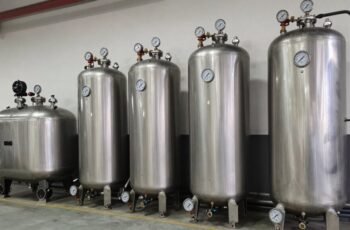
Ensuring the safety of air compressor tanks is critical for preventing accidents and maintaining efficient operation. We recognize the importance of regular inspections, proper pressure management, and adherence to safety protocols. Neglecting these rules can lead to serious consequences, such as tank rupture or explosion. To effectively safeguard your workplace, it’s essential to follow established procedures and recognize warning signs early. Let’s explore the key safety measures that keep everyone protected and equipment functioning reliably.
Key Takeaways
- Regularly inspect tanks for corrosion, cracks, and damage; replace or repair compromised components promptly.
- Ensure pressure relief valves are functional and tested periodically to prevent overpressure situations.
- Maintain proper pressurizing, venting, and draining procedures to avoid dangerous pressure buildup.
- Use appropriate PPE such as goggles, gloves, and ear protection during tank operation and maintenance.
- Store tanks in safe, dry areas, and secure all valves and pressure before storage or handling.
Understanding the Risks of Improper Air Compressor Tank Use
Understanding the risks associated with improper air compressor tank use is essential for maintaining safety in any setting. Incorrect operation or neglecting safety protocols can lead to catastrophic failures, including tank rupture or explosion. Over-pressurization beyond the tank’s rated capacity causes excessive stress on structural components, increasing the risk of structural failure. Corrosion or fatigue from repeated use weakens the tank walls, making them prone to leaks or rupture. Improper maintenance, such as neglecting drain valves or ignoring signs of wear, exacerbates these risks. Additionally, failing to install pressure relief valves or bypass safety mechanisms can result in dangerous pressure build-up. Recognizing these hazards underscores the importance of adhering to operational limits and conducting thorough inspections to prevent accidents and ensure safe, reliable compressor operation.
How to Conduct Regular Safety Inspections on Your Tank?
Regular safety inspections require systematic visual checks for corrosion, leaks, and physical damage. We also perform pressure relief testing to guarantee safety devices operate correctly and conduct structural integrity assessments to identify potential weaknesses. Consistent application of these procedures helps prevent failures and maintain safe operation standards.
Visual Inspection Procedures
To guarantee the safety and integrity of your air compressor tank, we must perform thorough visual inspections on a consistent schedule. Begin by examining the entire exterior surface for signs of corrosion, rust, or paint deterioration, which can indicate compromised material integrity. Check all weld seams for cracks, pitting, or other defects that could weaken the tank’s structure. Inspect the tank’s fittings, valves, and drain connections for leaks, corrosion, or damage. Ensure that safety labels and inspection tags are legible and up-to-date. Look for any bulges, dents, or deformities that suggest internal pressure issues or mechanical failure. Document all findings carefully, and prioritize repairs or replacements based on the severity of detected issues to maintain safe operating conditions.
Pressure Relief Testing
How often should we verify that the pressure relief valve functions correctly? At minimum, this should be performed monthly. Proper testing involves isolating the valve and manually lifting the test lever to ensure it opens at the designated set pressure. When conducting this test, observe the valve’s response and confirm it releases pressure smoothly without sticking. To visualize this process:
| Step | Description |
|---|---|
| 1 | Isolate tank from compressor |
| 2 | Use a wrench to lift the valve lever |
| 3 | Confirm it releases pressure |
| 4 | Release the lever and observe closure |
| 5 | Record test results and any anomalies |
Regular testing guarantees valve reliability, preventing overpressure situations and ensuring operational safety.
Structural Integrity Checks
Have we thoroughly examined the structural integrity of our air compressor tank lately? Regular inspections are crucial to guarantee safety and prevent failures. Key checks include visual inspections for corrosion, cracks, or deformations; ultrasonic testing to measure wall thickness and identify thinning areas; and pressure testing to verify the tank’s ability to withstand operational pressures. During visual inspections, we look for rust, blistering paint, or signs of leaks. Ultrasonic testing helps detect internal deterioration not visible externally. Pressure testing confirms the tank maintains integrity under load without leaks or deformation. Maintaining detailed records of these inspections allows us to track deterioration trends and schedule timely repairs or replacements, ensuring ongoing safety compliance. Properly conducted, these checks are essential for preventing catastrophic failures.
Properly Pressurizing and Venting to Prevent Overpressure
To prevent overpressure, we must precisely monitor pressure levels and guarantee they stay within the tank’s rated limits. Proper venting mechanisms are essential for safely releasing excess pressure when needed. Maintaining this control is critical for operational safety and equipment integrity.
Monitor Pressure Levels
Monitoring pressure levels in an air compressor tank is essential to prevent overpressure conditions that could lead to equipment failure or safety hazards. Accurate, regular readings guarantee the system operates within safe limits and helps identify potential issues before they escalate. Critical steps include:
- Using calibrated pressure gauges that provide real-time, precise measurements of tank pressure.
- Checking pressure levels at consistent intervals during operation to detect abnormal fluctuations.
- Comparing gauge readings against manufacturer-specified maximum pressure ratings to avoid exceeding safe thresholds.
Maintaining vigilant oversight of pressure levels allows us to take timely corrective actions, such as venting excess pressure or reducing compressor output. This proactive approach minimizes risk, extends equipment lifespan, and ensures safe, efficient operation.
Use Proper Venting
Proper venting is essential to prevent overpressure conditions that could compromise the safety and integrity of the air compressor system. We must guarantee that pressure relief valves are correctly installed and functional, releasing excess pressure before it exceeds design limits. Regularly inspecting vent lines for blockages, leaks, or damage is critical, as obstructions can cause dangerous pressure buildup. When pressurizing the tank, gradual increases allow the system to stabilize, reducing stress on components. Venting during operation should always follow manufacturer specifications, ensuring that pressure is released safely and promptly. Additionally, maintaining clear and accessible vent pathways prevents accidental blockages. Proper venting practices safeguard against overpressurization, protecting personnel and prolonging the lifespan of the compressor system.
Filling and Draining the Tank Safely and Correctly
Before filling or draining an air compressor tank, we must guarantee it is completely depressurized to prevent sudden releases of stored energy. This process involves isolating the tank from the compressor system, then carefully venting residual pressure through designated outlets. Proper procedures ensure safety and prevent equipment damage.
Ensure the compressor tank is fully depressurized before maintenance to prevent hazards and equipment damage.
Key steps include:
- Opening the drain valve to release accumulated moisture and pressure.
- Using a pressure gauge to confirm zero residual pressure before proceeding.
- Ensuring all connections are secure and free of leaks prior to filling or draining.
Adhering to these steps minimizes the risk of injury from sudden pressure releases and maintains system integrity. Always verify depressurization before any maintenance or handling to ensure safe operation.
The Importance of Using the Right Protective Gear
Choosing the proper protective gear and conducting regular safety inspections are essential for preventing injuries during air compressor operation. Correct gear selection guarantees protection against high-pressure hazards, while routine checks identify potential equipment issues. Together, these practices maintain a safe working environment and minimize risk.
Proper Gear Selection
Wearing the correct protective gear is crucial to guarantee safety when working with air compressor tanks, as it minimizes the risk of injury from high-pressure releases, flying debris, or accidental contact with moving parts. Proper gear selection involves choosing equipment designed for compressed air environments, ensuring maximum protection and durability. Essential gear includes:
- High-visibility, flame-resistant safety goggles to protect eyes from pressurized fluid bursts and debris.
- Heavy-duty, insulated gloves to prevent burns and cuts during maintenance or handling of pressurized components.
- Soundproof ear protection to guard against noise levels generated by compressor operation.
Selecting gear that meets industry safety standards ensures ideal protection, reducing injury risk and enabling safe, efficient operation around air compressor tanks.
Regular Safety Inspections
Have you ever considered how critical regular safety inspections are in ensuring that protective gear remains effective? Routine inspections identify wear, degradation, or damage that could compromise safety during compressor operation. Equipment such as gloves, eye protection, and respirators must be examined for cracks, tears, or contamination. Inspecting hoses and fittings for leaks or deterioration prevents potential failures. Consistent evaluation guarantees compliance with safety standards and helps detect early signs of material fatigue. Proper documentation of inspections facilitates maintenance scheduling and accountability. By systematically verifying the integrity of protective gear, we minimize the risk of injuries caused by equipment failure. Regular safety inspections are an essential component of an all-encompassing safety strategy, ensuring protective gear functions reliably when needed most.
Maintaining and Repairing Your Compressor Tank Safely
Regular maintenance and careful repair of your compressor tank are essential to guarantee safe operation and prevent catastrophic failures. Proper procedures include draining moisture, inspecting for corrosion, and replacing damaged components promptly. During repairs, always depressurize the tank and disconnect power sources to prevent accidental activation. Use manufacturer-approved parts and tools to assure integrity and compatibility. When inspecting, look for signs of fatigue, cracks, or corrosion that could compromise structural integrity. Tighten fittings to specified torque levels to avoid leaks or stress concentration points. Regularly record maintenance activities to track potential issues over time. Implementing these precise practices reduces the risk of failure, enhances safety, and prolongs the lifespan of your compressor tank.
Recognizing Signs of Tank Damage or Wear and When to Replace
Because compressor tanks are subject to stress and corrosion over time, it’s vital to recognize early signs of damage or wear that could compromise safety. Visible rust, especially around weld seams or tank joints, indicates corrosion that weakens structural integrity. Cracks or pitting on the tank surface signal material fatigue and potential failure. Deformation, such as bulging or dents, suggests internal overpressure or impact damage. Excessive moisture accumulation can lead to internal corrosion, visible as rust stains or scale. Unusual noises during operation or frequent pressure drops may indicate internal corrosion or component failure. If any of these signs are present, the tank should be inspected immediately and replaced if necessary to prevent catastrophic failure. Regular inspections help guarantee ongoing safe operation.
Storing Your Air Compressor Tank for Maximum Safety
Properly storing your air compressor tank is essential to guarantee safety and maintain its integrity over time. Proper storage prevents corrosion, physical damage, and pressure-related hazards. To maximize safety, store the tank in a dry, well-ventilated area away from extreme temperatures and direct sunlight. Elevate the tank on a stable, level platform to prevent contact with moisture and accidental impacts. Confirm the tank’s pressure is fully released before storage and that all valves are closed and secure. Additionally, keep the storage area free of debris and corrosive substances that could compromise the tank’s structure. Regular inspections during storage are vital to identify any signs of deterioration. These measures help preserve the tank’s integrity and ensure safe operation over its lifespan.
Adhering to Manufacturer Guidelines and Industry Standards
To guarantee safe and reliable operation, we must strictly adhere to the manufacturer’s guidelines and comply with relevant industry standards when installing, operating, and maintaining air compressor tanks. These guidelines specify critical parameters such as maximum pressure ratings, inspection intervals, and maintenance procedures, ensuring structural integrity and operational safety. Industry standards, including ASME codes and OSHA regulations, establish uniform safety benchmarks and testing protocols. Compliance minimizes the risk of tank failure, leaks, and catastrophic accidents. It also ensures proper materials are used, safety devices are correctly installed, and maintenance is performed systematically. By following these directives precisely, we maintain compliance, optimize tank lifespan, and uphold safety throughout the equipment’s operational life cycle.
Creating a Safe Work Environment Around Air Compressor Tanks
Establishing a safe work environment around air compressor tanks requires implementing clear safety protocols and maintaining situational awareness at all times. Proper safety measures include securing the area, ensuring adequate ventilation, and restricting access to authorized personnel. Regular inspection of the workspace helps identify potential hazards, such as leaks or damaged components. Clearly marked warning signs and safety barriers prevent accidental contact with pressurized components. Additionally, mandatory personal protective equipment (PPE) like eye protection and hearing guards reduce injury risk. Consistent training reinforces safety procedures, ensuring everyone understands operational limits and emergency protocols. By maintaining these practices, we minimize risks associated with high-pressure systems and promote a safety-conscious environment that protects personnel and equipment alike.
Frequently Asked Questions
How Often Should I Perform Safety Inspections on My Air Compressor Tank?
We recommend inspecting your air compressor tank at least monthly for signs of corrosion, leaks, or damage. Regular inspections guarantee safety, prevent failures, and maintain peak performance, reducing the risk of accidents or costly repairs.
What Are the Specific Signs That Indicate My Tank Needs Replacement?
Like a ticking time bomb, cracks, rust, or bulging indicate your tank needs replacing. We watch for corrosion, leaks, or pressure drops, signaling deterioration that compromises safety and efficiency, demanding prompt tank replacement to prevent failures.
Can I Modify or Repair My Compressor Tank Myself?
We advise against modifying or repairing compressor tanks ourselves, as it can compromise safety and violate regulations. Always consult a professional or certified technician for repairs, ensuring compliance with safety standards and preventing potential hazards.
What Are the Most Common Causes of Tank Overpressure Incidents?
Overpressure incidents often strike like a sudden storm, caused by faulty pressure relief valves, blocked vents, or unnoticed pressure gauge malfunctions. We stay vigilant by regularly inspecting these components, preventing destructive overpressure scenarios before they escalate.
How Should I Securely Store Spare Parts for My Air Compressor?
We securely store spare parts in labeled, corrosion-resistant containers within a dry, organized area, ensuring easy access and proper inventory management. Regular inspections and adherence to manufacturer guidelines help maintain safety and prevent operational issues.
Conclusion
By adhering to these safety rules, we become vigilant guardians of the pressure vessel, ensuring it remains a steadfast protector rather than a hidden danger. Regular inspections and proper handling are like a shield, deflecting potential hazards before they manifest. When we treat our tanks with the respect they deserve, we cultivate a safe environment—like a well-tuned engine—where precision and caution drive us forward, safeguarding lives and ensuring smooth operation every step of the way.