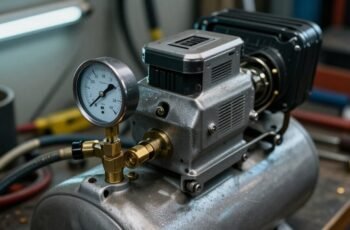
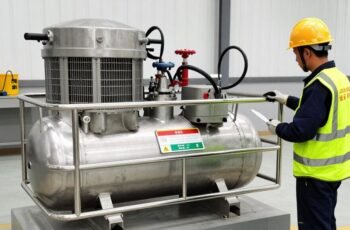
Ensuring safety when operating air compressors is critical to protecting personnel and maintaining equipment integrity. We recognize the risks involved, from high-pressure releases to noise hazards, which require strict adherence to safety protocols. Proper setup, inspection, and maintenance are essential, but the specifics can be complex. To effectively manage these challenges, it’s important to follow an all-encompassing safety guide that addresses every stage of compressor use—and that’s what we’ll explore next.
Key Takeaways
- Conduct thorough pre-operation inspections to ensure stability, secure fittings, and functional safety devices.
- Always wear appropriate PPE, including eye protection, gloves, ear protection, and flame-resistant clothing.
- Operate within manufacturer-recommended pressure ranges, avoiding bypassing safety devices or operating in confined spaces.
- Regularly inspect hoses, fittings, and filters for leaks, damage, and wear; perform necessary maintenance promptly.
- Handle compressed air carefully to prevent frostbite, injection injuries, and hazards from flying debris or noise.
Understanding the Risks: Common Hazards of Operating Air Compressors
While air compressors are vital tools in many workplaces, they pose significant safety risks if not operated correctly. The primary hazards include high-pressure releases that can cause severe injuries or equipment damage. Sudden compressor failure can lead to flying debris, risking eye or skin injuries. Noise levels from compressors often exceed safe limits, potentially impairing hearing without proper protection. Additionally, improper handling of compressed air can result in frostbite or injection injuries when air is directed at the skin. Leakage or improper maintenance may cause fires or explosions, especially if flammable materials are nearby. Recognizing these hazards allows us to implement proper safety protocols, prevent accidents, and guarantee a safe working environment. Proper training and adherence to safety standards are indispensable in mitigating these risks.
Essential Safety Equipment and Personal Protective Gear
We must always wear appropriate protective clothing to guard against potential hazards like flying debris and hot surfaces. Eye and ear protection are critical to prevent injury from flying particles and loud noise exposure. Ensuring proper personal protective gear is essential for maintaining safety when operating air compressors.
Protective Clothing Requirements
Wearing appropriate protective clothing is essential for ensuring safety around air compressors, as these devices pose risks such as flying debris, high-pressure leaks, and hot surfaces. Proper attire minimizes injury risk and maintains a safe work environment. We recommend the following protective clothing items:
- Flame-resistant coveralls or long sleeves to shield skin from hot surfaces and potential sparks.
- Heavy-duty gloves to protect hands from high-pressure leaks, sharp debris, and hot components.
- Steel-toed boots to safeguard feet against falling objects and accidental contact with hot or pressurized parts.
These items must be worn consistently when operating or maintaining air compressors. Proper clothing is a critical component of all-encompassing workplace safety.
Eye and Ear Protection
Protective gear extends beyond clothing to include eye and ear protection, which are essential when working around air compressors. High-pressure air and potential debris can cause serious eye injuries, so safety goggles or face shields are mandatory. These protect against flying particles, dust, and compressed air blasts. Ear protection, such as earplugs or earmuffs, is equally critical due to the high noise levels generated by compressors, which can cause permanent hearing loss. Consistent use of properly fitted equipment minimizes risk and guarantees safety during operation and maintenance. We must always prioritize protective gear to prevent injuries, maintain compliance with safety standards, and promote a safe working environment. Proper eye and ear protection are non-negotiable components of all-encompassing compressor safety protocols.
Proper Setup and Inspection Procedures Before Use
Before operating an air compressor, we must verify that it’s stable and properly secured to prevent accidents. We also need to inspect all safety devices, such as pressure relief valves and emergency shut-offs, to guarantee they’re functioning correctly. These steps are essential to maintain a safe working environment and prevent equipment failure.
Check Equipment Stability
Ensuring equipment stability is essential to maintaining a safe work environment with air compressors. Unstable equipment can cause accidents, damage, and injuries. To prevent this, we follow strict procedures:
- Check that the compressor is on a level, solid surface to prevent tipping.
- Secure all mounting bolts and supports tightly, ensuring no movement or wobbling.
- Inspect hoses and connections for signs of wear or looseness, tightening or replacing as needed.
Inspect Safety Devices
To operate an air compressor safely, we must verify that all safety devices are properly installed and functioning before each use. This includes checking pressure relief valves, safety guards, and automatic shutoff systems. We guarantee pressure relief valves are free of debris and move freely, preventing over-pressurization. Safety guards must be securely in place, covering moving parts to protect operators. Automatic shutoff systems should respond correctly by stopping operation when preset pressure levels are reached. We also inspect gauges for accuracy and look for leaks or damage in safety lines. Confirming these devices’ proper operation is critical to prevent accidents and equipment failure. Routine, thorough inspections before each use help maintain a safe working environment and ensure the compressor functions reliably.
Safe Operating Practices and Handling Techniques
Adhering to proper operating procedures is essential for safe and efficient use of air compressors. To ensure safety and maximize performance, we follow strict handling techniques. First, always wear appropriate personal protective equipment, including eye and ear protection, before starting the compressor. Second, inspect hoses and fittings for leaks or damage, replacing any compromised components immediately. Third, operate the compressor within the manufacturer’s recommended pressure range, avoiding over-pressurization that can cause accidents or equipment failure. Additionally, never bypass safety devices or operate the compressor in confined, poorly ventilated areas. Proper training and adherence to these practices reduce risks, promote longevity of equipment, and ensure a safe work environment for everyone involved.
Maintenance and Troubleshooting Tips for Safe Compressor Use
Regular maintenance and prompt troubleshooting are essential to keep air compressors operating safely and efficiently. Routine inspections should focus on checking for leaks, wear, and damage to hoses, fittings, and valves. Regularly clean or replace filters to ensure maximum airflow and prevent motor strain. Lubricate moving parts according to manufacturer specifications to reduce friction and wear. When troubleshooting, always disconnect power before inspecting internal components. Common issues like abnormal noise, pressure drops, or overheating often indicate underlying problems—these require immediate attention. Use diagnostic tools and follow manufacturer guidelines for repairs to avoid further damage. Document maintenance activities and repairs to track compressor health. Adhering to these practices minimizes downtime, prevents accidents, and prolongs the lifespan of your equipment.
Creating a Safety-First Culture in Your Workplace
Creating a safety-first culture in your workplace starts with leadership setting the tone and demonstrating a genuine commitment to safety. When management prioritizes safety, it encourages employees to follow suit. To establish this culture:
- Lead by example—adopt safety protocols consistently and visibly.
- Provide thorough training—ensure all staff understand safety procedures and equipment operation.
- Foster open communication—encourage reporting hazards and near-misses without fear of retaliation.
Frequently Asked Questions
How Often Should Air Compressors Be Professionally Inspected?
We recommend professional inspections for air compressors at least annually, or more frequently if used heavily or in harsh environments. Regular inspections guarantee safety, efficiency, and compliance, helping prevent costly breakdowns or accidents.
What Training Is Recommended for New Air Compressor Operators?
We recommend extensive training covering safety procedures, equipment operation, and emergency response, as studies show properly trained operators reduce workplace accidents by up to 50%. Precise knowledge empowers workers and enhances overall safety.
Are There Specific Safety Standards for Different Compressor Types?
Yes, safety standards vary by compressor type, such as reciprocating, screw, or centrifugal. We adhere to industry-specific regulations, ensuring proper maintenance, pressure limits, and protective devices, to guarantee safe operation tailored to each compressor’s design and function.
How Should Emergency Shutdown Procedures Be Communicated to Staff?
We clearly communicate emergency shutdown procedures through regular training, visual signage, and hands-on drills, ensuring staff understands the importance—like a well-rehearsed fire drill—to act swiftly and safely during critical moments.
What Are the Legal Requirements for Workplace Air Compressor Safety?
We guarantee compliance with legal requirements by adhering to OSHA standards, conducting regular safety training, maintaining proper inspections, and documenting all safety procedures, thereby creating a safe work environment and minimizing risks associated with air compressor use.
Conclusion
By prioritizing safety through vigilance and proper procedures, we guarantee that risks don’t cast shadows over our work environment. Just as a well-tuned instrument produces harmonious sound, a committed safety culture keeps our operations smooth and secure. Let’s stay proactive, adhere to best practices, and foster awareness—because safety isn’t just a guideline, it’s the backbone of our success. Together, we can keep our workplace safe, efficient, and resilient against any unexpected turbulence.