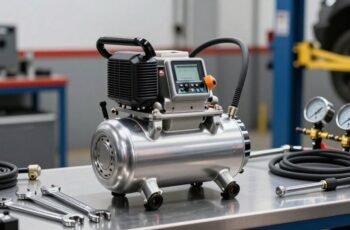
Selecting the right electric air compressor requires a thorough understanding of your operational requirements and the technical specifications that support them. We recognize that balancing factors like CFM, PSI, tank size, and duty cycle can be complex, especially when considering future tool demands. By systematically analyzing these parameters and evaluating key features, you can make an informed decision that *guarantees* efficiency and reliability—crucial elements that warrant careful consideration before making a purchase.
Key Takeaways
- Assess your airflow (CFM) and pressure (PSI) needs based on tools and workload to select the right compressor capacity.
- Choose the appropriate compressor type (reciprocating, rotary screw, rotary vane) for your application and environment.
- Consider tank size, portability features, and power source compatibility to match usage environment and mobility requirements.
- Balance budget with long-term operational costs, maintenance needs, and warranty support for durability and value.
- Ensure accessories like hoses, regulators, and nozzles are compatible and suitable for your specific tasks.
How to Determine Your Needs Before Buying an Electric Air Compressor
Before purchasing an electric air compressor, it’s essential to accurately assess your specific operational requirements. We analyze the volume of air needed, measured in cubic feet per minute (CFM), to guarantee the compressor can sustain continuous operation without overload. Pressure requirements, typically in pounds per square inch (PSI), determine the compressor’s ability to deliver sufficient force for your tools or processes. We also consider duty cycle—how long the compressor can run before needing a rest—to match usage patterns. Additionally, evaluating power supply constraints and portability needs helps refine the selection. By precisely defining these parameters, we eliminate over-specification and minimize unnecessary costs, ensuring the chosen compressor aligns with your workload demands, operational efficiency, and long-term reliability.
Key Features to Consider When Choosing an Electric Air Compressor
When selecting an electric air compressor, we focus on key features like power and pressure output to guarantee it meets operational demands. Tank size and capacity directly influence runtime and efficiency, while portability and ease of use affect practical deployment. Analyzing these factors allows us to identify models that optimize performance and user convenience.
Power and Pressure Output
Understanding the power and pressure output of an electric air compressor is essential for selecting the right model for your needs. Power determines the compressor’s operational capacity, influencing how quickly it can deliver compressed air. Pressure, measured in PSI, indicates the maximum force exerted by the air, affecting tool performance. To compare models effectively, consider parameters such as motor horsepower, maximum PSI, and airflow rate (CFM). The table below summarizes these key metrics:
| Parameter | Typical Range | Impact on Performance |
|---|---|---|
| Motor Power | 1.5 – 5 HP | Affects compressor’s efficiency |
| Max PSI | 90 – 150 PSI | Determines maximum working pressure |
| Airflow (CFM) | 2 – 20 CFM | Influences tool compatibility |
Matching these specifications with your application guarantees ideal performance and longevity.
Tank Size and Capacity
Tank size and capacity are critical factors that directly influence an air compressor’s operational efficiency and suitability for specific tasks. A larger tank provides a reserve of compressed air, reducing the frequency of motor cycles and enabling continuous operation for extended periods. Conversely, smaller tanks are ideal for lightweight, intermittent use, offering quicker startup and lower initial costs. Capacity, measured in gallons or liters, determines how much air can be stored and impacts performance under load. Proper assessment of tank size ensures the compressor meets the demands of your application without unnecessary energy consumption or downtime.
- Larger tanks support continuous operation in demanding tasks
- Smaller tanks promote quick startups and mobility
- Capacity affects runtime and pressure stability
- Matching tank size to workload optimizes efficiency
Portability and Ease of Use
Selecting an electric air compressor that offers portability and ease of use can substantially influence how effectively it integrates into your workflow. Portability features like lightweight design, compact dimensions, and integrated handles enable easier transportation between job sites or storage areas. Ease of use is enhanced by intuitive controls, minimal setup requirements, and straightforward maintenance procedures. A unit with built-in wheels or carry handles reduces physical strain and improves maneuverability. Additionally, user-friendly interfaces and clear pressure gauges streamline operation, reducing setup time and errors. Prioritizing these features guarantees the compressor can be deployed quickly and operated efficiently, minimizing downtime. Ultimately, a portable, easy-to-use model supports productivity and safety, especially in dynamic work environments where mobility and operational simplicity are critical.
Understanding Compressor Sizes and How Much Air You Really Need
To select the right compressor size, we first need to accurately measure the air flow requirements of your tools and applications. Understanding the available size options allows us to match compressor capacity with demand, ensuring efficiency. By analyzing power output against specific needs, we can optimize performance and prevent over- or under-sizing.
Measuring Air Requirements
How do you determine the appropriate size of an air compressor for your needs? To accurately measure air requirements, we analyze both flow rate and pressure demands of your tools and applications. This involves quantifying the volume of air (CFM) needed during peak operation and ensuring the compressor’s capacity exceeds this value for consistent performance. Additionally, understanding the duty cycle and pressure requirements helps prevent undersizing, which can cause insufficient airflow or system strain.
- Calculate the CFM requirements of all connected tools
- Identify the maximum pressure needed (PSI)
- Consider simultaneous tool operation
- Factor in future expansion or additional tools
Compressor Size Options
Understanding compressor sizes can be complex, but it’s vital for guaranteeing your system delivers consistent performance without unnecessary energy consumption. Compressor size options are typically defined by their CFM (cubic feet per minute) output and tank volume, which directly influence their capacity to handle specific airflow demands. Larger compressors with higher CFM ratings are suitable for demanding applications, while smaller units suffice for light-duty tasks. Selecting the appropriate size requires careful analysis of your operational needs—oversized compressors waste energy, whereas undersized units struggle with workload. It’s essential to match compressor capacity to your actual air consumption, considering both peak and continuous demands. Precise sizing optimizes efficiency, reduces wear, and ensures reliable operation over time.
Matching Power to Needs
Determining the right compressor size begins with accurately evaluating your air demand to prevent inefficiencies or performance issues. It’s crucial to understand both the volume of air required and the pressure needed for your applications. Oversized compressors waste energy, while undersized units fail to meet operational demands, risking equipment damage or downtime. To match power effectively, consider:
- The CFM (cubic feet per minute) your tools or processes require
- The operating pressure needed for peak performance
- The duty cycle and how long the compressor runs continuously
- Future expansion plans that may increase demand
Comparing Different Types of Electric Air Compressors: Which Is Right for You?
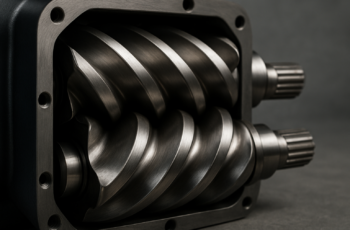
Selecting the right electric air compressor hinges on understanding the key differences among the main types: reciprocating, rotary screw, and rotary vane compressors. Reciprocating compressors operate with pistons driven by a crankshaft, providing high pressure but limited continuous run time, making them suitable for intermittent tasks. Rotary screw compressors utilize two meshing helical screws, offering steady airflow and high efficiency suitable for extended operation, especially in industrial settings. Rotary vane compressors employ a rotating vane inside a cam-shaped housing, delivering moderate pressure with smooth operation, often preferred for light to medium-duty applications. Each type differs in design, efficiency, and intended use. Careful consideration of these factors helps determine which compressor best aligns with your operational demands and workload characteristics.
How to Evaluate Power, CFM, and PSI for Your Projects
When choosing an electric air compressor, evaluating its power, CFM, and PSI ratings becomes a critical step in guaranteeing it meets your project requirements. Power indicates the motor’s capacity to generate airflow, while CFM (cubic feet per minute) measures the volume of air delivered at specific conditions. PSI (pounds per square inch) reflects the pressure output necessary for various tools. To accurately assess suitability, consider the following:
- Match CFM and PSI ratings to the demands of your most air-intensive tools
- Guarantee power output aligns with the compressor’s intended workload
- Check continuous CFM ratings for sustained operation
- Prioritize compressors with higher PSI for applications requiring greater pressure
This approach guarantees compatibility and top performance for your projects.
Best Practices for Setting a Budget and Finding Value in Your Purchase
Establishing a realistic budget is essential to ensuring you get the most value from your investment in an electric air compressor. To optimize cost-effectiveness, we recommend analyzing your specific needs against feature sets and durability. Consider initial purchase price versus long-term operational costs, including energy efficiency and maintenance. The table below highlights key factors to evaluate:
| Cost Factor | Consideration |
|---|---|
| Purchase Price | Match with required specifications and quality |
| Operating Costs | Energy efficiency and maintenance expenses |
| Longevity & Warranty | Durability and post-sale support |
Focusing on these parameters helps avoid overspending on unnecessary features while ensuring you select a compressor that offers reliable performance and lasting value. This strategic approach guarantees your investment aligns with both your project requirements and budget constraints.
Easy Maintenance Tips to Keep Your Compressor Running Smoothly
Regular maintenance is essential to guarantee your electric air compressor operates efficiently and reliably over time. Consistent upkeep minimizes wear, prevents breakdowns, and extends equipment lifespan. To assure peak performance, regularly inspect and replace filters, which trap contaminants that can impair function. Drain moisture from the tank daily to prevent corrosion and pressure inconsistencies. Lubricate moving parts according to manufacturer specifications to reduce friction and wear. Finally, keep the compressor clean and free of dust to avoid overheating and debris buildup.
- Replace air filters periodically for optimal airflow
- Drain moisture from the tank daily
- Lubricate moving components as recommended
- Keep the unit clean and dust-free
Common Mistakes to Avoid When Buying an Electric Air Compressor
Choosing the right electric air compressor requires careful consideration of several key factors to avoid costly mistakes. One common error is selecting a unit with inadequate CFM or PSI ratings for your intended applications, leading to underperformance or equipment damage. Overlooking duty cycle specifications can cause overheating and reduced lifespan. Additionally, failing to assess power requirements and compatibility with your electrical system may result in insufficient power supply or safety hazards. Another mistake is ignoring noise levels, which can impact your work environment. Ultimately, neglecting future needs can lead to purchasing a compressor that quickly becomes obsolete as your demands grow. To prevent these issues, prioritize detailed specifications and realistic assessments of your operational requirements, ensuring the compressor’s capabilities align precisely with your workload.
How to Choose the Right Accessories and Attachments for Your Compressor
Selecting the appropriate accessories and attachments for your compressor is essential to maximize its functionality and efficiency. Properly chosen components enhance performance, safety, and versatility across applications. When evaluating options, consider compatibility with your compressor’s specifications, such as pressure ratings and connection types. Focus on accessories that address your specific needs, whether for painting, inflating, or powering tools.
Choosing the right compressor accessories boosts performance, safety, and versatility for your specific project needs.
- Air Hoses: Select durable, flexible hoses with suitable diameter and pressure ratings.
- Quick-Connect Fittings: Ensure compatibility for rapid attachment and detachment of tools.
- Regulators and Filters: Use high-quality regulators for precise pressure control and filters to prevent contamination.
- Specialized Attachments: Choose appropriate nozzles, spray guns, or couplers based on your project requirements.
Tips for Buying a Reliable Electric Air Compressor Online or In-Store
When purchasing an electric air compressor either online or in-store, verifying its reliability requires careful evaluation of several key factors. First, assess the manufacturer’s reputation and product reviews to identify consistent performance issues or durability concerns. Examine technical specifications such as CFM (cubic feet per minute) and PSI (pounds per square inch) to confirm they meet your project requirements; discrepancies may indicate false marketing claims. Check for quality components, like durable cast iron pumps, and verify warranty coverage for added security. Consider the availability of genuine replacement parts and customer support services. Finally, compare pricing across sources but prioritize reliability and build quality over cost alone. A thorough analysis of these elements minimizes the risk of investing in an unreliable unit.
Frequently Asked Questions
How Long Do Electric Air Compressors Typically Last?
Electric air compressors typically last between 10 to 15 years with proper maintenance, including regular oil changes, filter replacements, and inspections. Longevity depends on usage intensity, operating conditions, and adherence to manufacturer guidelines for peak performance and durability.
Are There Safety Features I Should Look For?
We recommend looking for safety features like thermal overload protection, automatic shut-off, and pressure relief valves. These elements act as silent guardians, ensuring smooth operation and preventing potential hazards, giving you peace of mind during use.
Can Electric Compressors Operate in Cold Weather?
Electric compressors can operate in cold weather, but performance may decline due to viscosity changes and potential freezing. We recommend models with cold-start features, thermal protection, and proper insulation to guarantee reliability and safety in low temperatures.
What Are Common Signs My Compressor Needs Repairs?
We notice our compressor needs repairs when it struggles to start, produces abnormal noise, overheats, or shows pressure inconsistencies. These signs indicate potential motor issues, leaks, or worn components, prompting timely maintenance to prevent further damage.
How Noisy Are Different Electric Air Compressors?
Different electric air compressors vary in noise levels; small portable models produce around 70-80 dB, while industrial units can reach 85-95 dB. We analyze these decibels to guarantee ideal noise management for your specific work environment.
Conclusion
In conclusion, selecting the right electric air compressor is like fine-tuning an instrument—precision ensures optimal performance. By thoroughly assessing your needs, understanding key specs, and avoiding common pitfalls, we can make informed choices that enhance efficiency and longevity. Whether shopping online or in-store, diligent analysis and careful consideration of features ensure you invest in a reliable, versatile tool that will serve you well, much like a well-calibrated machine running smoothly for years to come.