Some may assume that estimating an air compressor’s power consumption is overly complex and unreliable, but with the right tools, it becomes a precise and essential process. Understanding the actual energy requirements helps optimize operations and reduce costs. By examining key variables and analytical methods, we can uncover insights that drive efficiency improvements. Exploring these approaches offers practical advantages, prompting a closer look at how these calculations can impact your equipment management strategies.
Key Takeaways
- Calculates energy usage based on airflow, pressure, operational hours, and compressor efficiency.
- Incorporates real-time data and load conditions for precise power consumption estimates.
- Considers environmental factors like ambient temperature to optimize energy analysis.
- Uses mathematical formulas to evaluate power requirements under different operating scenarios.
- Helps identify inefficiencies and optimize compressor operation for energy savings.
What Is an Air Compressor Power Consumption Calculator and Why Use One?
An air compressor power consumption calculator is a specialized tool designed to estimate the energy usage of an air compressor based on its operational parameters. It provides critical insights into how much power the device consumes during operation, aiding in efficiency assessments. By analyzing factors like airflow, pressure, and operational time, the calculator helps predict energy costs and optimize performance. Additionally, understanding power consumption informs decisions about maintaining air quality, as excessive energy use can correlate with increased heat and moisture, impacting air quality in the system. Noise levels are also affected, as higher power operations tend to generate more sound. Utilizing this calculator enables users to balance energy efficiency with air quality and noise levels, leading to safer, more sustainable compressor operation.
How Does an Air Compressor Power Consumption Calculator Work?
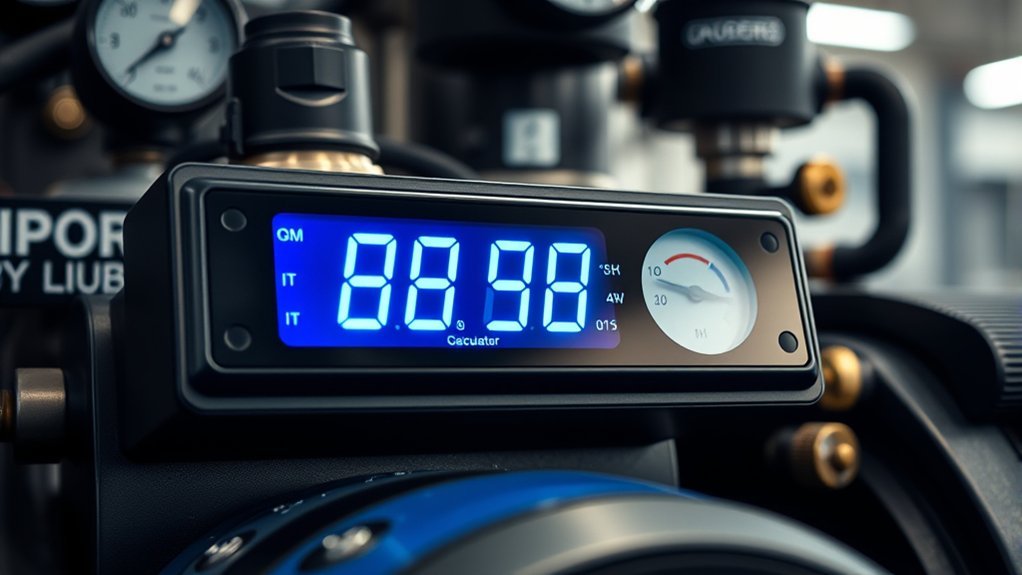
Since the core function of an air compressor power consumption calculator is to analyze operational parameters, it processes data such as airflow rate, pressure levels, and operational hours through a set of mathematical formulas. These calculations determine energy consumption by evaluating power requirements based on the compressor’s efficiency and load conditions. The calculator also considers factors affecting air quality and noise levels, which influence overall operational performance. By integrating real-time data, it provides precise estimates of power usage, highlighting potential inefficiencies. This analytical approach enables users to monitor energy expenditure accurately, optimize operational settings, and ensure compliance with environmental standards. Ultimately, the calculator’s work involves translating complex variables into actionable insights for maintaining efficient, eco-friendly, and quieter compressor operations.
Key Factors Affecting Your Air Compressor’s Energy Usage
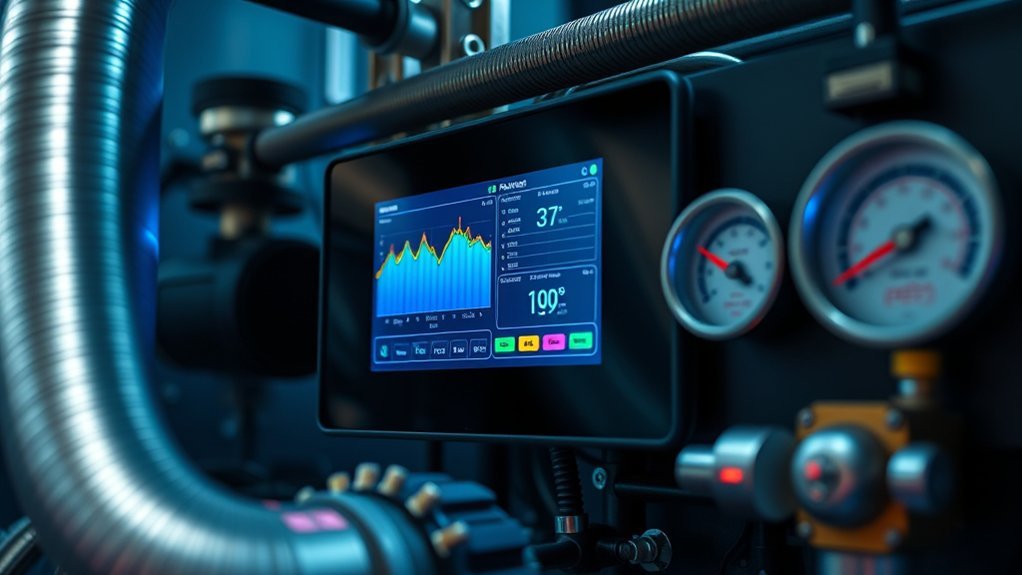
Understanding the key factors that influence your air compressor’s energy consumption allows for more accurate efficiency assessments. Variables such as load and duty cycle, ambient temperature, and equipment age directly impact power usage and operational costs. Analyzing these elements enables targeted strategies to optimize performance and reduce energy waste.
Load and Duty Cycle
Load and duty cycle are critical factors that directly influence an air compressor’s energy consumption. Higher load demands increase power usage, especially when the compressor operates continuously, affecting overall efficiency. Duty cycle, the proportion of time the compressor runs under load, impacts energy efficiency and air quality, as prolonged operation can lead to heat buildup and potential contamination if not managed properly. Additionally, a higher duty cycle often correlates with increased noise levels, impacting workplace conditions. Properly balancing load and duty cycle guarantees peak energy use, maintains consistent air quality, and minimizes noise pollution. Understanding these factors enables us to optimize operation schedules, reduce unnecessary energy expenditure, and improve system longevity without compromising performance.
Ambient Temperature Effects
Ambient temperature plays a significant role in determining an air compressor’s energy consumption by influencing its cooling efficiency and overall operational stability. Higher ambient temperatures reduce the cooling capacity, increasing the risk of compressor overheating, which leads to higher energy use and potential damage. Cooler environments enhance heat dissipation, improving efficiency and reducing power consumption. The table below summarizes how varying ambient temperatures impact compressor performance:
| Ambient Temperature | Effect on Energy Consumption |
|---|---|
| Low (below 15°C) | Superior cooling, lower energy use |
| Moderate (15–25°C) | Stable operation, minimal impact |
| High (25–35°C) | Increased energy demand, risk of overheating |
| Very high (>35°C) | Significant overheating risk, higher energy costs |
| Extreme (>40°C) | Critical overheating, efficiency loss |
Managing ambient temperature is vital to maintaining peak compressor efficiency.
Maintenance and Age
Regular maintenance and the age of an air compressor are critical determinants of its energy efficiency, as both factors directly influence operational performance and mechanical reliability. Over time, wear and tear can reduce compressor efficiency, making consistent lubrication routines essential to minimize friction and prevent overheating. Additionally, filter maintenance plays a pivotal role; clogged or dirty filters increase airflow resistance, forcing the compressor to work harder and consume more energy. As the compressor ages, these issues tend to compound, resulting in higher power consumption and potential breakdowns. Regularly inspecting and replacing filters, along with proper lubrication, guarantees ideal airflow and mechanical function. Ultimately, proactive maintenance extends the lifespan of the compressor and sustains energy-efficient operation over time.
Step-by-Step Guide to Calculating Your Air Compressor’s Power Consumption
To accurately calculate your air compressor’s power consumption, we start by gathering detailed compressor specifications. Next, we measure operational parameters like flow rate and pressure during typical use. Finally, we apply these data points to precise formulas to determine the energy usage effectively.
Gather Compressor Specifications
Before calculating your air compressor’s power consumption, it’s crucial to gather detailed specifications from the manufacturer or equipment documentation. Critical data includes motor power rating, compressor lubrication type, maximum operating pressure, and safety protocols. Confirming accuracy here is essential for precise calculations and safe operation.
| Specification | Importance |
|---|---|
| Motor Power Rating | Determines baseline energy use |
| Compressor Lubrication | Affects efficiency and longevity |
| Max Operating Pressure | Defines operational limits |
| Safety Protocols | Ensures safe, compliant operation |
Understanding these parameters helps optimize performance and adhere to safety standards. Properly documented specifications form the foundation for accurate power consumption analysis.
Measure Operational Parameters
Once we have gathered the compressor specifications, the next step involves measuring the operational parameters that directly influence power consumption. Critical parameters include airflow rate, operating pressure, and cycle times, which affect energy efficiency. Additionally, monitoring air quality guarantees the compressor operates within ideal conditions, preventing excessive strain. Noise levels provide insight into mechanical wear and potential inefficiencies. To accurately measure these parameters, we examine:
- Airflow and pressure readings during typical operation
- Noise levels at various load points
- Air quality metrics, such as particulate and moisture levels
These measurements enable us to assess how operational conditions impact power demand, ensuring accurate calculations and identifying areas for efficiency improvements.
Calculate Power Usage
Calculating the power consumption of an air compressor involves applying fundamental principles of thermodynamics and electrical engineering to the measured operational parameters. We start by determining the compressor’s input power, which can be estimated from voltage, current, and power factor measurements. Accurate calculations consider the compressor’s duty cycle and efficiency, directly affecting energy use and air quality. Noise levels are also relevant, as high noise can indicate excessive power draw or mechanical inefficiencies. To refine the estimate, we incorporate the compressor’s pressure and flow rate data, translating these into energy consumption. This analytical approach ensures precise power usage calculations, helping identify operational inefficiencies, optimize energy costs, and maintain ideal air quality standards.
How to Use Power Consumption Data to Save Energy and Reduce Costs
By analyzing power consumption data from your air compressor, we can identify patterns and inefficiencies that directly impact energy use and operational costs. This data reveals insights into how operational adjustments can maximize performance, improve air quality, and reduce noise levels. Key strategies include:
- Adjusting compressor run times to minimize idle periods and energy waste
- Implementing maintenance schedules that maintain peak efficiency and air quality
- Upgrading control systems for precise monitoring and energy management
These measures help prevent unnecessary energy consumption, lower operational costs, and ensure consistent air quality standards. Monitoring power consumption also highlights noise level reductions, improving the work environment. Ultimately, data-driven adjustments enable energy-efficient operation while maintaining performance and safety standards.
Common Mistakes When Estimating Air Compressor Power Consumption
Estimating air compressor power consumption accurately is essential for effective energy management, yet common pitfalls can lead to significant errors. One key mistake involves relying solely on historical trends without considering current operational conditions, which can skew predictions. Industry comparisons often reveal that assumptions based on outdated or generalized data underestimate actual energy use, especially when equipment ages or process demands change. Failing to incorporate real-time load factors or variations in operating hours also compromises accuracy. Additionally, neglecting to account for compressor efficiency fluctuations or maintenance impacts can distort estimates. Recognizing these pitfalls helps refine calculations, ensuring they reflect current performance and operational realities rather than relying on broad industry averages or outdated benchmarks.
Tools and Apps for Accurate Power Consumption Calculation
Advancements in technology have led to a variety of tools and apps designed specifically for accurate power consumption calculation of air compressors. These tools enable precise measurement of energy use, facilitating assessments of air compressor efficiency and noise reduction strategies. They incorporate real-time data analysis, helping identify inefficiencies and optimize operation parameters.
Key features include:
- Energy consumption tracking for detailed insights into operational efficiency
- Noise level measurement tools to support noise reduction initiatives
- Simulation models to predict power usage under various load conditions
Utilizing these apps allows for improved accuracy in power consumption estimates, enabling better decision-making and energy management, ultimately reducing operational costs and enhancing overall system performance.
Tips for Optimizing Your Air Compressor’s Energy Efficiency
To maximize your air compressor’s energy efficiency, it’s essential to focus on proper maintenance and operational practices that minimize energy waste. Regularly inspecting and replacing filters ensures peak air quality, reducing compressor strain and improving efficiency. Monitoring and controlling pressure settings prevents unnecessary energy consumption caused by over-pressurization. Maintaining low noise levels through soundproofing or vibration dampening not only reduces noise pollution but also indicates smoother operation, which correlates with energy savings. Additionally, guaranteeing the compressor operates within its ideal load range avoids inefficiencies associated with overloading or idling. By systematically managing air quality and noise levels, we can enhance overall compressor performance, lower operational costs, and extend equipment lifespan—key factors in effective energy consumption management.
Frequently Asked Questions
Can an Air Compressor’s Power Consumption Vary With Different Operating Conditions?
Yes, an air compressor’s power consumption varies with operating conditions, influenced by efficiency metrics and maintenance impact; ideal conditions reduce energy use, while poor maintenance and inefficient operation increase consumption, highlighting the importance of regular upkeep and performance monitoring.
How Often Should I Recalculate My Air Compressor’s Energy Usage?
We should recalculate energy usage annually or after significant operational changes, like compressor sizing updates or maintenance schedules, to guarantee efficiency. For example, a case study showed recalculations improved energy savings by adjusting for new operating conditions.
What Is the Typical Range of Power Consumption for Industrial Air Compressors?
We find that industrial air compressors typically consume between 50 to 500 kW, depending on size and load. To enhance energy efficiency and power efficiency, regular monitoring and recalibration are essential for maintaining ideal operational performance.
Are There Specific Standards or Regulations for Air Compressor Energy Efficiency?
We believe regulations like ISO 1217 and ASME standards promote energy-saving techniques and guarantee regulatory compliance, driving innovation in compressor efficiency. These standards help us analyze performance and optimize operations for sustainable, cost-effective industrial air compression.
How Do Ambient Temperature and Humidity Affect Compressor Power Consumption?
Ambient effects, like temperature and humidity impact compressor power consumption by increasing workload; higher temperatures demand more energy for cooling, while humidity causes efficiency losses through moisture management, ultimately elevating power usage and operational costs.
Conclusion
By accurately calculating our air compressor’s power consumption, we can identify inefficiencies and implement targeted improvements. For instance, a manufacturing plant that used our calculator discovered that optimizing runtime reduced energy costs by 15%. These insights enable us to make data-driven decisions, enhance equipment performance, and achieve significant savings. Embracing precise calculations aligns with best practices in energy management, ensuring sustainable operation and long-term cost reductions.