While selecting a high-pressure air compressor might seem straightforward, it involves a complex evaluation of performance, durability, and application-specific features. We recognize that choosing the right unit requires balancing technical specifications with operational needs. This guide aims to clarify key considerations, from pressure capacity to maintenance needs, helping you make an informed decision. But understanding these factors is only the first step—you’ll want to guarantee your choice aligns with both current demands and future scalability.
Key Takeaways
- Identify the required pressure, flow rate, and duty cycle to match your specific application needs.
- Choose the suitable compressor type (reciprocating, rotary screw, or centrifugal) based on performance and maintenance.
- Assess build quality, durability, and materials to ensure longevity and resistance to wear and corrosion.
- Verify safety features like pressure relief valves and automatic shut-offs for operational security.
- Consider size, portability, and future expansion needs to optimize workspace efficiency and scalability.
What Is a High-Pressure Air Compressor and How Does It Work?
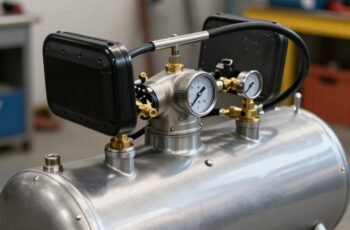
A high-pressure air compressor is a device designed to increase the pressure of air beyond standard levels, typically for specialized industrial applications. It operates by compressing ambient air using either reciprocating, rotary, or centrifugal mechanisms, depending on its design. The compression process involves reducing the volume of air, which raises its pressure and temperature. To guarantee safety and efficiency, these compressors incorporate cooling systems to manage the heat generated during compression. The compressed air is then stored in high-pressure tanks or delivered directly for use in various tasks, such as testing, manufacturing, or propulsion. Precise control over pressure levels and flow rate is achieved through pressure regulators and valves, making these compressors integral to processes requiring consistent, high-pressure air supply.
Key Factors to Consider When Choosing a High-Pressure Air Compressor
When selecting a high-pressure air compressor, evaluating power output and performance is essential to meet operational demands efficiently. We also need to take into account portability and size to guarantee the unit aligns with workspace constraints and mobility requirements. By analyzing these factors critically, we can identify the most suitable compressor for specific industrial applications.
Power and Performance
Selecting a high-pressure air compressor requires a careful assessment of its power and performance capabilities to guarantee it meets specific operational demands. We evaluate these factors based on flow rate, pressure output, and duty cycle, which directly impact efficiency and reliability. Higher flow rates enable faster operation, while increased pressure ensures the compressor can reach desired output levels. Duty cycle indicates the compressor’s ability to operate continuously without overheating. Consider the following:
| Factor | Importance | Impact |
|---|---|---|
| Flow Rate | Volume delivered per minute | Affects productivity and task speed |
| Max Pressure | Peak pressure capacity | Ensures suitability for high-demand tasks |
| Duty Cycle | Continuous operation capability | Determines operational endurance |
Portability and Size
How does the size and portability of a high-pressure air compressor influence its suitability for various applications? Smaller units offer enhanced mobility, making them ideal for remote or on-site tasks where transportation and space are limited. Portable compressors typically feature lightweight frames, integrated handles, or wheels, facilitating quick setup and relocation. Conversely, larger models often provide greater capacity and power but are less convenient for frequent movement, suited for fixed installations or workshop environments. The choice hinges on the application’s mobility requirements versus operational capacity. Effective evaluation balances the compressor’s physical footprint against its operational demands, ensuring that portability does not compromise essential performance features. Clear understanding of these factors helps us select a unit that aligns with specific operational needs and logistical constraints.
How to Determine the Right Pressure Capacity for Your Needs?
To determine the appropriate pressure capacity, we start by evaluating the specific requirements of your application, including flow rate and operational demands. Understanding pressure units guarantees accurate sizing and performance expectations, while considering potential future expansion helps avoid costly upgrades. This analytical approach ensures your compressor selection aligns with both current needs and long-term operational goals.
Assess Your Application Needs
Understanding your specific application requirements is essential for determining the appropriate pressure capacity of an air compressor. Precise assessment involves analyzing the operational demands of your tools or processes, including the maximum pressure needed for ideal performance. We must consider the duty cycle—whether continuous operation or intermittent use—to select a compressor capable of maintaining consistent pressure without overloading. Additionally, evaluating the volume of air required per cycle ensures the compressor can sustain the demand without significant pressure drops. By quantifying these parameters, we align the compressor’s pressure and flow capabilities with your application’s technical specifications, preventing undersizing or oversizing. This targeted approach ensures efficiency, minimizes energy consumption, and prolongs equipment lifespan, ultimately maximizing your overall system performance.
Understand Pressure Units
Determining the appropriate pressure capacity for your air compressor requires a clear comprehension of pressure units and their significance. Pressure is typically measured in pounds per square inch (PSI), bar, or Pascals (Pa), each reflecting the force exerted by compressed air. PSI remains the most common in North America, while bar and Pa are more prevalent internationally. To select the correct compressor, you must identify the maximum pressure demand of your tools or applications, ensuring the compressor’s rated pressure exceeds this requirement for reliable operation. Overestimating pressure capacity can lead to unnecessary costs and energy consumption, whereas underestimating risks inadequate performance. Precise understanding of these units allows for accurate matching of compressor specifications to application needs, optimizing efficiency and operational safety.
Consider Future Expansion
How can we guarantee our air compressor will meet not only current demands but also accommodate future expansion? The key lies in accurately projecting future workload increases based on operational trends and planned growth. We should analyze current consumption rates, peak usage periods, and potential additional equipment requirements. Selecting a compressor with a pressure capacity—measured in PSI—that exceeds current needs by 20-30% can provide a buffer for growth. Additionally, considering modular compressor systems allows for scalable capacity, enabling us to add units as demands increase. This approach minimizes the risk of underperformance and costly upgrades. Regularly reviewing system performance and industry forecasts ensures our pressure capacity aligns with long-term operational goals, facilitating seamless expansion without compromising efficiency or safety.
Understanding Airflow Rates and How They Impact Performance
Airflow rate is a critical factor influencing the efficiency and capacity of high-pressure air compressors. It determines how much air the compressor can deliver within a specific period, directly affecting operational performance. Higher airflow rates enable the compressor to sustain demanding applications and reduce cycle times, but they also require more power and appropriate system components. When evaluating airflow, we consider measured volumetric flow at specific pressure levels, often expressed in cubic feet per minute (CFM). A mismatch between airflow capacity and application demands can lead to inefficiencies, pressure drops, or equipment overload. Consequently, understanding the relationship between airflow rates and compressor performance helps us select models that optimize energy consumption, guarantee consistent output, and meet the specific operational requirements of our applications.
Portability and Size: Finding a Compressor That Fits Your Workspace
Have you considered how the size and portability of a compressor influence your workspace efficiency? Smaller, lightweight units offer increased maneuverability, allowing quick repositioning and minimal setup time. Compact designs are ideal for limited spaces, preventing clutter and ensuring safety by reducing tripping hazards. However, reduced size often correlates with lower airflow capacity, which may not meet high-demand applications. Conversely, larger compressors tend to provide higher performance but sacrifice mobility and occupy more space, potentially hindering workflow. When selecting a compressor, it’s essential to balance size with operational needs, prioritizing models that integrate portability features—such as wheels or handles—without compromising essential airflow and pressure requirements. Ultimately, choosing a size that aligns with your workspace layout optimizes efficiency and workflow continuity.
Durability and Build Quality: Ensuring Longevity and Reliability
Durability and build quality are critical factors that directly influence a compressor’s lifespan and reliability in demanding environments. High-pressure compressors endure significant stress, so robust construction—using high-grade materials like cast iron or hardened steel—ensures resistance to wear and corrosion. Precision manufacturing minimizes misalignments and vibrations that can compromise components over time. Components such as pistons, cylinders, and valves must be engineered for ideal thermal expansion and tensile strength to prevent premature failure. Additionally, quality seals and cooling systems are essential to maintain operational integrity under continuous use. A well-designed compressor not only withstands harsh conditions but also reduces maintenance needs, ensuring consistent performance. In our evaluation, prioritizing build quality translates directly into long-term cost savings and dependable operation.
Comparing Different Types of High-Pressure Compressors
When selecting a high-pressure compressor, understanding the distinct types available is essential for peak application performance. Reciprocating compressors use pistons driven by a crankshaft to compress air, offering high pressure and precise control, but they tend to be bulkier and noisier. Rotary screw compressors utilize two meshing rotors, providing continuous operation and higher efficiency for industrial applications, though they generally require more maintenance. Centrifugal compressors employ impellers to generate high flow rates with lower pressure, ideal for large-scale operations, but they involve complex design and higher initial costs. Each type’s suitability depends on factors like desired pressure, flow rate, maintenance capacity, and operational environment. Comparing these types helps determine the most effective, cost-efficient solution for specific high-pressure needs.
Tips for Maintaining Your High-Pressure Air Compressor
Regular maintenance is essential for guaranteeing your high-pressure air compressor operates efficiently and reliably over time. Proper upkeep minimizes downtime and enhances performance.
To achieve this, consider these key steps:
- Inspect and replace filters regularly to prevent contamination and ensure optimal airflow.
- Drain moisture from tanks and lines daily to prevent corrosion and malfunction.
- Monitor oil levels and change oil according to manufacturer specifications to reduce wear and maintain lubrication.
- Check for leaks and abnormal vibrations to identify potential issues early and avoid costly repairs.
Consistent documentation of maintenance activities helps track performance trends and schedule preventative actions. These procedures are critical for maintaining compressor integrity and extending service life, ensuring operational efficiency and safety.
Questions to Ask Before Buying a High-Pressure Air Compressor?
Before investing in a high-pressure air compressor, it’s essential to ask targeted questions that clarify its suitability for your specific applications. First, consider the required pressure and flow rate; guarantee the compressor can sustain these demands continuously without overheating or excessive wear. Ask about the compressor’s duty cycle and whether it matches your operational schedule. Evaluate the power source compatibility—whether electric, gas, or diesel—and confirm availability in your work environment. Examine the build quality, focusing on materials and component durability, especially for high-pressure applications. Also, inquire about maintenance requirements and accessibility for routine service. Finally, verify safety features, such as pressure relief valves and automatic shut-offs, to prevent accidents. These questions help guarantee you select a reliable, efficient, and safe compressor tailored to your needs.
Frequently Asked Questions
What Safety Precautions Should I Follow When Using a High-Pressure Air Compressor?
We recommend always wearing eye protection, ensuring proper ventilation, checking for leaks regularly, avoiding sudden pressure releases, and following manufacturer instructions meticulously to prevent accidents. Prioritize safety protocols to protect yourself and maintain ideal compressor performance during operation.
How Energy-Efficient Are Different High-Pressure Compressor Models?
Different high-pressure compressor models vary considerably in energy efficiency; we analyze motor design, cooling systems, and compression methods to determine the best performance, helping you select models that minimize energy consumption while maintaining reliable operation.
What Are Common Troubleshooting Issues With High-Pressure Air Compressors?
We encounter issues like pressure drops, overheating, and leaks, which can seem like a nightmare. Troubleshooting involves checking for worn components, ensuring proper lubrication, and verifying pressure settings, all essential for maintaining compressor efficiency and safety.
Can I Use a High-Pressure Compressor for Continuous Operation?
Yes, we can use a high-pressure compressor for continuous operation if it’s designed for duty cycles that match our demands, with proper cooling and maintenance to prevent overheating and guarantee reliable, sustained performance under continuous load conditions.
What Accessories or Attachments Are Compatible With High-Pressure Air Compressors?
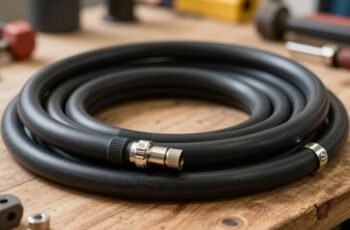
Nearly 80% of users find compatible accessories like pressure regulators, hoses, and filtration systems essential for peak compressor performance. We recommend choosing attachments designed specifically for high-pressure systems to guarantee safety, durability, and precise control during operation.
Conclusion
In summary, selecting the right high-pressure air compressor hinges on understanding your specific application needs, from pressure capacity to portability. For instance, a manufacturing plant requiring continuous operation benefits from durable, high-capacity models, while a mobile technician might prioritize lightweight, compact units. By thoroughly analyzing these factors and asking the right questions, we can make data-driven decisions that guarantee peak performance, safety, and longevity for our operations.