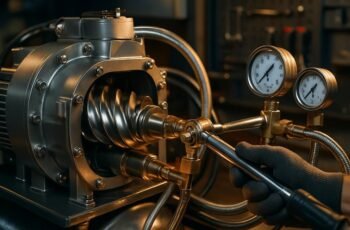
Maintaining an air compressor tank is critical to ensuring safety, efficiency, and longevity of the system. Regular inspections and proper care help detect early signs of wear or damage, preventing costly failures. Neglecting these steps can lead to corrosion, safety hazards, or system downtime. Understanding the proper maintenance procedures enables us to optimize performance and extend equipment life, but knowing exactly what to monitor and when to act remains essential.
Key Takeaways
- Perform regular visual inspections for cracks, corrosion, and structural damage.
- Drain moisture frequently using proper drain valves to prevent rust and internal corrosion.
- Clean tank surfaces and apply rust-inhibitive coatings to prevent rust formation.
- Check safety valves, pressure gauges, and other components for proper operation and calibration.
- Seek professional help for persistent issues, internal corrosion, or structural concerns.
Why Regular Maintenance Matters for Your Air Compressor Tank
Regular maintenance of your air compressor tank is essential for guaranteeing its best performance and longevity. It prevents the buildup of contaminants and corrosion that can compromise structural integrity and efficiency. Regularly checking and draining accumulated moisture reduces the risk of rust formation, which can weaken tank walls over time. Additionally, consistent maintenance helps identify early signs of wear, such as cracks or corrosion, allowing for prompt intervention before costly failures occur. Proper maintenance also ensures that pressure levels remain stable, optimizing energy consumption and reducing operational costs. By systematically addressing these factors, we can extend the lifespan of the tank, maintain safe operating conditions, and guarantee reliable air supply. In turn, this minimizes downtime and maximizes the compressor’s overall efficiency.
How to Inspect Your Air Compressor Tank for Wear and Damage
To guarantee the integrity of your air compressor tank, we recommend a systematic visual inspection focusing on surface conditions and structural features. Detecting signs of corrosion, such as rust or pitting, is critical for early intervention. Regularly applying these techniques helps prevent potential failures and extends the tank’s service life.
Visual Inspection Techniques
Conducting a thorough visual inspection of your air compressor tank is essential for identifying early signs of wear and potential failure. We focus on detecting surface anomalies, deformation, and structural integrity issues. Look for cracks, dents, or blistering on the tank surface, which indicate stress points. Examine weld seams for signs of fatigue or separation. Using a flashlight, inspect internal surfaces for corrosion or residue buildup that could compromise strength.
| Inspection Area | Indicators to Watch For | Action Required |
|---|---|---|
| Surface Exterior | Cracks, dents, blistering | Repair or replace |
| Weld Seams | Fatigue, separation | Reinforcement needed |
| Internal Surface | Corrosion, residue | Cleaning or component replacement |
Detecting Corrosion Signs
Inspecting for corrosion signs is a vital step in evaluating the integrity of your air compressor tank. We look for visual cues such as rust patches, pitting, or discoloration on the tank’s surface, which indicate surface corrosion. Beneath the surface, corrosion may cause thinning of the metal, detectable through tapping tests that reveal dull or hollow sounds. We also examine weld seams and joints for cracks or flaking paint, as these areas are vulnerable to corrosion initiation. Using a flashlight and mirror helps us inspect hard-to-see areas thoroughly. If we find any signs of corrosion, especially deep pitting or rust penetrating the metal, it signals the need for further assessment or replacement to prevent potential tank failure. Regular inspection guarantees early detection and maintenance.
Draining Moisture and Condensate to Prevent Corrosion
Maintaining a regular draining schedule is essential to remove accumulated moisture and prevent corrosion within the tank. Using proper drain valves guarantees reliable removal, while inspecting for rust formation helps identify early signs of deterioration. Implementing these practices safeguards the tank’s integrity and prolongs its operational lifespan.
Regular Draining Schedule
Regularly draining moisture and condensate from the air compressor tank is essential to prevent internal corrosion and extend the equipment’s lifespan. Establishing a consistent draining schedule ensures that accumulated water does not linger, which could accelerate rust formation and compromise tank integrity. The frequency of draining depends on usage intensity, ambient humidity, and operating conditions; high-humidity environments require more frequent intervals. Consistent maintenance involves monitoring condensate levels and adhering to manufacturer recommendations, typically daily or weekly. An effective schedule minimizes moisture buildup, reduces pressure-related stress, and maintains ideal compressor performance. Accurate timing and disciplined execution are critical to prevent corrosion-related failures. By integrating a routine draining protocol, operators can markedly enhance equipment reliability, reduce maintenance costs, and prolong operational lifespan.
Use Proper Drain Valves
How can we guarantee effective removal of moisture and condensate from an air compressor tank? The key lies in using proper drain valves designed for this purpose. These valves must facilitate reliable, complete drainage without leaks or blockages. Manual drain valves allow for controlled removal, while automatic variants activate based on pressure or moisture sensors, reducing human error. Selecting the right valve involves considering material compatibility, pressure ratings, and drain capacity to assure durability and efficiency. Proper installation is critical: valves should be positioned at the lowest point of the tank to maximize condensate removal. Regular maintenance of these valves, including checking for obstructions or corrosion, is essential to sustain their functionality. Ultimately, effective drainage prevents moisture buildup, reducing corrosion risk and extending the tank’s service life.
Inspect for Rust Formation
Have you ever considered how rust forms inside an air compressor tank? Rust develops primarily from moisture accumulation, which condenses during operation and settles on internal surfaces. Regular inspection is essential to identify early signs of corrosion before it compromises tank integrity. We should look for discolored patches, flaking paint, or surface pitting, indicative of rust initiation. Using proper lighting and a mirror can help access hard-to-see areas. Addressing rust early involves removing accumulated moisture, cleaning affected areas, and applying protective coatings if necessary. Maintaining a consistent drainage schedule minimizes moisture buildup, reducing the risk of rust formation. By systematically inspecting for rust and controlling internal humidity, we can prolong the lifespan of the tank and ensure safe, efficient operation.
Cleaning and Preventing Rust on the Tank Surface
Cleaning and preventing rust on the compressor tank surface is vital for maintaining the most favorable performance and extending the equipment’s lifespan. Regular cleaning removes dirt, debris, and moisture that can accelerate corrosion. We recommend using a pressure washer or a damp cloth with a mild detergent, guaranteeing the surface dries thoroughly afterward. Applying a rust-inhibitive primer or paint creates a protective barrier, reducing oxidation risk. It’s essential to inspect the tank periodically for early signs of rust or corrosion, addressing issues promptly. Using rust-resistant coatings and controlling environmental factors—like humidity—further minimizes rust formation. These preventative measures confirm the tank remains structurally sound, reduces maintenance costs, and sustains ideal compressor operation over time.
Checking and Replacing Safety Valves and Pressure Gauges
Are safety valves and pressure gauges functioning correctly? Regular inspection is essential to guarantee accurate pressure regulation and safety. Safety valves must release at their designated set points; testing involves manually tripping the valve or using manufacturer-specific procedures to verify operation. If a valve fails to activate or leaks persist, replacement is necessary to prevent over-pressurization. Pressure gauges should display consistent, precise readings; calibration checks involve comparing with a known standard. Any discrepancies or sluggish response indicate the gauge is unreliable and should be replaced. Proper functioning of these components safeguards against tank failure and ensures operational efficiency. Routine checks, combined with timely replacements, maintain system integrity and reduce the risk of dangerous pressure buildup or inaccurate monitoring.
Troubleshooting Common Air Compressor Tank Issues and When to Call a Professional
When an air compressor tank exhibits issues such as inconsistent pressure, unusual noises, or visible corrosion, prompt troubleshooting becomes essential to prevent potential failures. First, we assess pressure fluctuations by inspecting the safety valve and pressure switch for proper operation. Unusual noises often indicate internal component wear or air leaks, requiring us to listen for hissing or banging sounds and locate leaks using soapy water. Visible corrosion suggests structural weakness; in such cases, inspecting for rust penetration and compromised welds is critical. If problems persist after basic checks, it’s time to involve a professional. They have the expertise to perform detailed inspections, identify hidden issues, and ensure repairs meet safety standards. Addressing these issues promptly maintains tank integrity and operational safety.
Frequently Asked Questions
How Often Should I Perform Maintenance on My Air Compressor Tank?
We recommend inspecting and draining your compressor tank weekly, performing a thorough internal inspection every 1-3 years, and adhering to manufacturer guidelines, ensuring peak performance, preventing corrosion, and extending the tank’s lifespan through proactive maintenance.
What Are the Signs of Internal Corrosion in the Tank?
Internal corrosion in tanks appears as rust spots or flaky deposits, like a silent disease spreading unseen. We check for pitting, sediment buildup, or discoloration, which signal corrosion, and perform regular inspections to prevent structural failure.
Can I Paint or Coat the Tank to Prevent Rust?
Yes, you can paint or coat the tank to prevent rust; we recommend using a rust-inhibitive primer and industrial-grade paint designed for compressed air systems, ensuring proper surface preparation and regular inspection for long-term corrosion resistance.
How Do I Safely Dispose of an Old or Damaged Tank?
We carefully drain and vent the tank, then follow local hazardous waste disposal regulations, ensuring safety. Ironically, proper disposal often involves more planning than painting, highlighting the importance of adhering to environmental standards for old or damaged tanks.
Are There Specific Materials Better for Tank Longevity?
Stainless steel and aluminum are superior materials for tank longevity due to their corrosion resistance and structural integrity. We recommend selecting tanks made from these materials, as they minimize rust and degradation, ensuring longer service life and safer operation.
Conclusion
Regular maintenance is vital for guaranteeing the longevity and safety of our air compressor tanks. Studies show that neglecting maintenance can lead to a 30% increase in equipment downtime due to corrosion and damage. By consistently inspecting, draining, and cleaning our tanks, we not only prevent costly repairs but also optimize performance. Proactive measures safeguard system integrity, reduce operational costs, and guarantee a reliable supply of compressed air—making maintenance an indispensable aspect of operational efficiency.