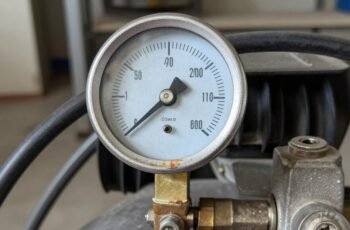
At the heart of maintaining a reliable air compressor system lies the often overlooked valve—its function is as vital as the vessel it protects. Proper management of the tank drain valve guarantees moisture and condensate are effectively expelled, preventing corrosion and system failures. Understanding the nuances of different valve types and their operation is critical for peak performance. Recognizing when and how to service or replace these components can greatly extend your equipment’s lifespan and safety.
Key Takeaways
- Understand different types of drain valves (manual, automatic, float, electronic) and select based on tank size and operational needs.
- Regularly drain moisture to prevent corrosion, using proper procedures and safety precautions.
- Choose durable materials like brass or stainless steel for longevity and compatibility with environmental conditions.
- Inspect valves periodically for corrosion, leaks, or wear, and replace when signs of damage or age appear.
- Timely replacement of faulty valves ensures tank safety, efficient drainage, and prolongs compressor system life.
Understanding the Role of an Air Compressor Tank Drain Valve
Understanding the role of an air compressor tank drain valve is essential for maintaining ideal compressor performance and longevity. Its primary function is to evacuate accumulated moisture and condensate from the tank, which form due to temperature fluctuations and compressed air cooling. Moisture buildup can cause internal corrosion, rust formation, and reduce the tank’s structural integrity over time. Proper drainage prevents these issues, ensuring consistent air quality and preventing damage to downstream equipment. The drain valve must be operated regularly, either manually or automatically, to remove water efficiently without disrupting compressor operation. By effectively managing moisture, the drain valve helps sustain best tank pressure, prevents component failure, and extends the overall lifespan of the compressor system.
Different Types of Drain Valves and How They Work
There are several types of drain valves available for air compressor tanks, each designed to suit different operational needs and maintenance preferences. Manual drain valves typically feature a lever or a plug that must be opened periodically to release accumulated moisture, providing straightforward operation but requiring manual intervention. Automatic drain valves, often solenoid-controlled, detect moisture levels and activate without user input, ensuring consistent drainage and reducing maintenance effort. Float-type valves utilize a float mechanism that opens when water reaches a specific level, allowing for automatic drainage. Finally, electronic drain valves combine sensors and solenoid controls, offering precise, automated moisture removal. Each type operates through specific mechanisms, ensuring efficient removal of condensate and minimizing corrosion or damage to the tank over time.
How to Choose the Right Drain Valve for Your Compressor
Selecting the appropriate drain valve requires confirming compatibility with your tank’s size and connection type. We also consider valve material durability to withstand constant exposure to moisture and pressure fluctuations. Accurate assessment of these points ensures ideal performance and longevity of your compressor’s drainage system.
Compatibility With Tank
How do you guarantee the drain valve you choose will fit your compressor tank properly? First, verify the drain valve’s inlet size matches the tank’s drain port, typically measured in inches or millimeters—common sizes are 1/4″, 3/8″, or 1/2″. Next, confirm the thread type—NPT (National Pipe Thread), BSP, or other standards—to ensure compatibility with your tank’s fittings. Check the valve’s specifications against the tank’s manufacturer guidelines to avoid mismatches. Additionally, consider the tank’s pressure rating and ensure the valve’s maximum allowable pressure aligns with or exceeds it. Proper measurement and matching of thread size, type, and pressure rating are critical to prevent leaks, secure attachment, and maintain safe operation of your air compressor system.
Valve Material Durability
Choosing a drain valve with durable materials is essential to guarantee long-term performance and safety. The material selection directly impacts corrosion resistance, mechanical strength, and overall lifespan. Brass and stainless steel are preferred for their excellent corrosion resistance and durability under high-pressure conditions. Brass offers good machinability and resistance to moisture, but it may degrade over extended exposure to aggressive chemicals. Stainless steel provides superior strength and corrosion resistance, making it ideal for harsh environments. Plastic valves, while lightweight and cost-effective, typically lack the durability needed for prolonged exposure to moisture and pressure fluctuations. When selecting a valve, consider the operating environment, pressure ratings, and chemical compatibility to assure the material withstands ongoing use without failure or degradation.
Step-by-Step Guide to Properly Drain Your Air Compressor Tank
Before beginning, we emphasize the importance of safety precautions to prevent injuries or equipment damage. Next, we identify the location of the drain valve, ensuring easy access for maintenance. Finally, we follow a proper draining technique to effectively remove accumulated moisture without causing system issues.
Safety Precautions First
Ensuring safety is the critical first step before draining your air compressor tank, as compressed air systems can pose serious hazards if mishandled. Before beginning, disconnect the power supply to prevent accidental operation. Always release residual pressure by opening the drain valve slowly, ensuring no sudden release of compressed air. Wear appropriate personal protective equipment—safety goggles and gloves—to protect against potential spray of oil or condensate. Confirm that the compressor has been off for sufficient time to cool, reducing burn risk. Never attempt to drain or service the tank while it’s pressurized; residual pressure can cause injury. Adhering to these precautions minimizes the risk of injury or equipment damage and ensures a safe, controlled draining process.
Locating Drain Valve
Locating the drain valve on your air compressor tank is a straightforward but essential step in the draining process. Most compressors feature a designated drain valve positioned at specific points for efficient moisture removal. To locate it:
- Inspect the bottom of the tank, as the drain valve is typically installed near the base.
- Look for a brass or plastic valve with a threaded or lever handle.
- Check for labels or markings indicating “Drain” or “Vapor Outlet.”
- Consult the manufacturer’s manual if the valve isn’t immediately visible, as placement varies by model.
Accurate identification guarantees proper maintenance. Confirm the valve’s location before proceeding to drain, preventing unnecessary damage or missed moisture buildup. Proper identification streamlines the draining process and prolongs tank lifespan.
Proper Draining Technique
To properly drain your air compressor tank, we must follow a systematic step-by-step process to guarantee complete moisture removal and prevent corrosion. First, turn off the compressor and allow it to depressurize completely. Next, locate the drain valve and ensure it’s accessible and functional. Open the drain valve slowly to release accumulated moisture; do not force it, as this could damage the valve. Allow all water and condensate to drain completely, then close the valve securely. If your compressor has multiple drain points, repeat this process at each outlet. Regularly draining the tank prevents moisture buildup, which can lead to rust and equipment failure. Maintain a consistent schedule based on usage frequency and environmental conditions for ideal tank health.
Common Issues With Drain Valves and How to Troubleshoot Them
Drain valves on air compressor tanks can develop a range of issues that compromise their function, leading to moisture buildup and potential equipment damage. Common problems include:
- Valve leaks: Often caused by worn or damaged seals, resulting in continuous moisture escape or air loss.
- Sticking valves: Corrosion or debris can cause the valve to stick, preventing proper drainage.
- Clogged drains: Mineral deposits or dirt can block the outlet, obstructing moisture removal.
- Faulty pressure settings: Incorrect pressure adjustment can prevent the valve from opening or closing at appropriate times.
Troubleshooting involves inspecting seals, cleaning or replacing components, and verifying pressure settings to guarantee proper operation and prevent moisture-related damage.
Maintenance Tips to Keep Your Drain Valve Functioning Smoothly
Regular maintenance is essential to guarantee your drain valve operates reliably and prevents moisture buildup in your compressor tank. Consistent inspection ensures the valve’s components remain free of debris, corrosion, and wear. Periodically test the valve by manually opening and closing it to verify smooth operation and proper sealing. Lubricate moving parts with a suitable, non-corrosive lubricant to reduce friction and prevent sticking. Tighten any loose fittings or connections to avoid leaks, but avoid over-tightening, which can cause damage. Drain residual moisture from the tank regularly, especially after prolonged use, to reduce strain on the valve. Keep the area surrounding the valve clean and dry to prevent dirt and debris from interfering with its function. These practices promote longevity and dependable performance of your drain valve.
When to Replace Your Air Compressor Drain Valve and What to Consider
Understanding when to replace your air compressor drain valve is essential for maintaining ideal tank integrity and preventing unexpected failures. Signs include persistent leaks, corrosion, or difficulty opening and closing the valve. Additionally, consider these factors:
- Age of the Valve: Replace if it’s over 5 years old, as material fatigue can compromise performance.
- Corrosion or Rust: Visible corrosion indicates compromised integrity requiring replacement.
- Leakage: Continuous or increased leaks suggest internal damage or worn seals.
- Operational Difficulty: Struggling to open or close the valve signals wear or damage that affects functionality.
Regular inspection and prompt replacement ensure safety, prevent tank damage, and maintain effective drainage efficiency. Always evaluate these indicators to determine the need for a replacement.
Frequently Asked Questions
Can a Drain Valve Prevent Moisture Buildup in My Compressor Tank?
Yes, a drain valve effectively prevents moisture buildup by allowing condensate to escape regularly, maintaining ideal tank conditions. We recommend scheduled drainage to prevent corrosion, guarantee compressor longevity, and maintain consistent, reliable operation of your air system.
Are There Any Safety Precautions When Opening the Drain Valve?
Yes, we always wear safety goggles and gloves, guarantee the compressor is turned off and depressurized, open the drain valve slowly to release residual pressure, and keep a safe distance to prevent injury from sudden air release.
How Often Should I Inspect My Drain Valve for Leaks?
We inspect our drain valves monthly, like a vigilant lighthouse keeper, to catch leaks early. Regular checks guarantee safety, prevent tank damage, and maintain ideal compressor performance through precise, systematic visual and functional assessments.
Is It Necessary to Use a Specific Type of Lubricant on Drain Valves?
Yes, we recommend using a light, non-corrosive lubricant designed for pneumatic components. This guarantees smooth operation, prevents rust, and maintains seal integrity without damaging the valve materials, ultimately prolonging its functional lifespan and reliability.
Can a Faulty Drain Valve Affect Compressor Performance?
A faulty drain valve can considerably impact compressor performance by causing pressure buildup, reducing efficiency, and risking tank damage. We recommend regular inspections and timely replacements to maintain ideal operation and prevent costly failures.
Conclusion
In conclusion, proper management of your air compressor tank drain valve is essential for maintaining system integrity and performance. Regular attention and timely replacements prevent corrosion and costly failures, much like tending to the roots keeps a tree healthy. By understanding the types, proper procedures, and troubleshooting tips we’ve shared, you can guarantee your compressor operates efficiently and reliably, safeguarding your investment and keeping your system running smoothly for years to come.