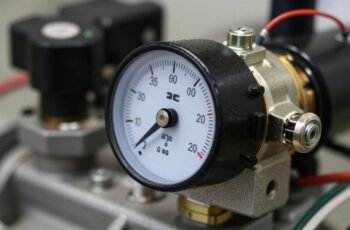
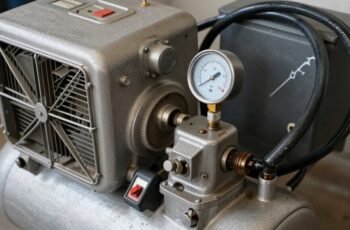
Establishing a thorough maintenance schedule for air compressors is essential to guarantee reliable operation and extend equipment lifespan. Regular inspections and timely interventions prevent costly breakdowns and optimize performance. To develop an effective plan, we need to understand the key tasks, their frequency, and how to tailor these procedures to specific operational demands. The question is, where should we begin to ensure every critical component receives the appropriate attention?
Key Takeaways
- Perform weekly inspections of belts, hoses, lubricants, and moving parts for wear or leaks.
- Check and record pressure gauge readings daily; calibrate and review monthly for performance trends.
- Replace filters every 250 operational hours or monthly, and drain moisture regularly to prevent corrosion.
- Test safety devices like relief valves and emergency shutdowns monthly to ensure proper function.
- Develop a customized maintenance schedule based on equipment usage, load cycles, and environmental conditions.
How Often Should You Perform Basic Air Compressor Maintenance?
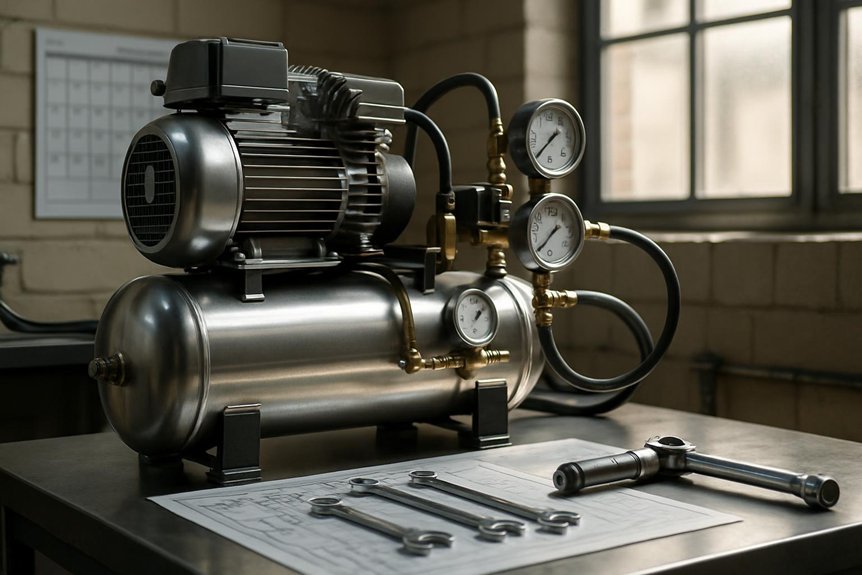
The frequency of basic air compressor maintenance depends on the unit’s usage and operating conditions, but generally, routine checks should be performed weekly. Regular maintenance is essential to maximize air compressor longevity and maintain peak energy efficiency. We recommend inspecting critical components such as belts, hoses, and lubricants to identify early signs of wear or leaks. Monitoring pressure levels and temperature can prevent overheating and reduce energy consumption. Ensuring components are clean and functioning properly minimizes operational inefficiencies and extends the lifespan of the compressor. Consistent, scheduled maintenance not only improves performance but also reduces downtime and repair costs. Ultimately, adhering to a disciplined maintenance routine helps sustain compressor reliability, energy efficiency, and extended service life.
Checking and Replacing Air Filters for Optimal Performance
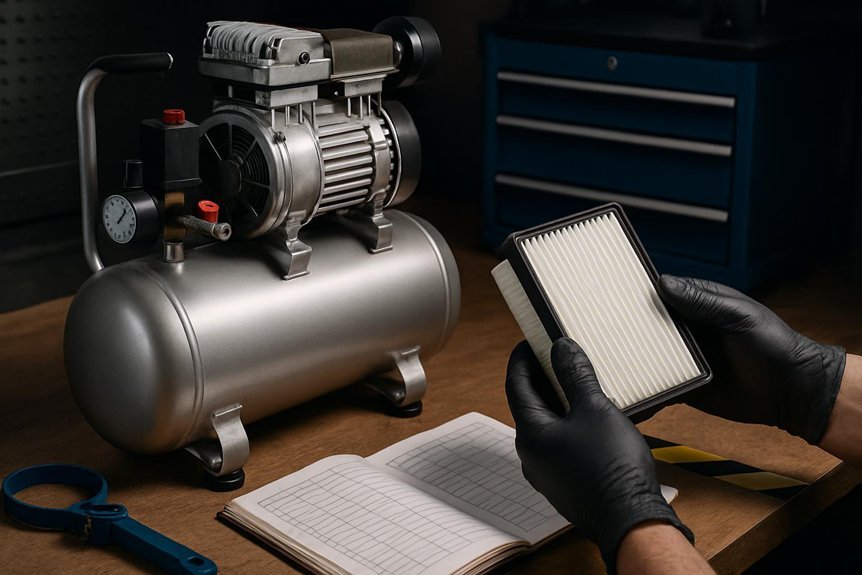
Regular inspection of air filters is crucial to maintain peak compressor efficiency, with recommended checks every 250 operational hours or monthly, whichever comes first. When inspecting, look for excessive dirt, dust buildup, or damage that impairs airflow. Proper replacement involves following manufacturer guidelines to guarantee a secure fit and prevent contamination or performance issues.
Filter Inspection Frequency
Monitoring air filter conditions at appropriate intervals is essential for maintaining compressor efficiency and preventing costly downtime. Regular inspection ensures that air quality remains ideal, as clogged or contaminated filters can notably reduce airflow and increase stress on the compressor. The filter lifespan varies depending on operating conditions, but typically, filters should be checked every 1,000 to 2,000 operational hours or monthly in dusty environments. Frequent inspections allow us to identify dirt accumulation early, ensuring timely cleaning or replacement. This proactive approach maintains consistent air quality, prevents pressure drops, and safeguards the compressor’s internal components. By adhering to a proper inspection frequency, we enhance filter performance, extend its service life, and uphold overall system reliability.
Proper Replacement Procedures
Ensuring air filters are properly checked and replaced is critical for maintaining compressor efficiency and preventing system failures. Proper replacement involves using the correct maintenance tools to safely remove and install filters, avoiding damage or contamination. Regularly inspecting filters for dirt accumulation or damage guarantees ideal airflow and performance. When replacing filters, always follow manufacturer specifications to prevent leaks or inefficiencies. Proper replacement procedures also include verifying the sealing integrity after installation. Using the right tools minimizes downtime and enhances safety, guaranteeing the system remains reliable.
| Inspection | Replacement |
|---|---|
| Check for dirt buildup | Use appropriate tools for removal |
| Note filter condition | Confirm tight seal after installation |
| Schedule replacements | Follow manufacturer guidelines |
| Record maintenance activity | Ensure proper disposal of old filters |
Draining Moisture and Condensate From the Tank
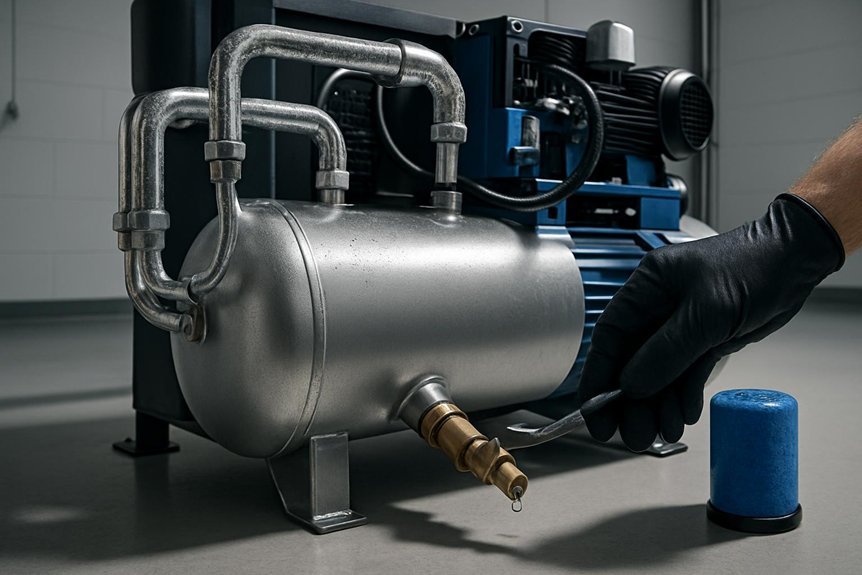
Since moisture and condensate naturally accumulate in the compressor tank during operation, it’s essential to drain them regularly to maintain peak performance and prevent corrosion. Moisture buildup occurs as ambient humidity enters the tank, condensing during cooling cycles, which can lead to rust and reduced tank lifespan. Effective condensate removal involves opening the drain valve at the tank’s lowest point, allowing accumulated water and condensate to escape. We recommend routine draining after each work shift or daily for continuous use. Ensuring proper drainage prevents moisture-related issues that can compromise air quality and equipment longevity. Regular maintenance of the drain valve, along with prompt condensate removal, keeps the tank dry, preserves compressor efficiency, and extends operational lifespan.
Inspecting and Lubricating Moving Parts
After draining the moisture and condensate from the tank, the next step is to inspect and lubricate the compressor’s moving parts. We carefully examine components such as bearings, pistons, and crankshafts for signs of wear or misalignment. Proper lubrication is essential; we select lubricant types appropriate for the compressor’s specifications, typically synthetic or mineral oils, ensuring ideal viscosity and film strength. During lubrication, we apply the lubricant evenly to reduce friction and prevent overheating. Moving part alignment is critical; we verify that all rotating components are correctly aligned to avoid uneven wear or vibration. Regular inspection and precise lubrication of moving parts extend compressor lifespan, maintain efficiency, and prevent costly breakdowns.
Monitoring and Adjusting Belt Tension and Alignment
To maintain peak performance, we regularly monitor and adjust the belt tension and alignment on the compressor. Proper belt tension ensures ideal power transfer and minimizes wear, while correct alignment prevents excessive vibration and premature component failure.
Key steps include:
- Checking Belt Tension: Use a tension gauge to verify the belt’s tension falls within manufacturer specifications.
- Adjusting Belt Tension: Loosen the motor mount, then tighten or loosen the belt to achieve the correct tension.
- Verifying Alignment: Use a straight edge or laser alignment tool to confirm pulleys are parallel.
- Performing Alignment Adjustment: Realign pulleys by repositioning mounts or shims to eliminate misalignment, ensuring smooth operation and extending belt life.
Conducting Periodic System Performance Checks
Regular system performance checks are essential to guarantee ideal compressor operation. We focus on monitoring pressure levels for stability and inspecting safety devices to confirm proper functionality. These steps help prevent unexpected failures and maintain system safety.
Monitoring Pressure Levels
How often should we check pressure levels to guarantee peak compressor performance? Regular monitoring is essential to identify pressure fluctuations that could indicate system inefficiencies or component wear. We recommend a systematic approach:
- Conduct daily visual inspections of pressure gauges for abnormal fluctuations.
- Calibrate gauges monthly to confirm measurement accuracy.
- Record pressure readings at set intervals for trend analysis.
- Compare current readings against baseline data to detect deviations promptly.
Maintaining calibrated gauges helps prevent inaccuracies that could mask underlying issues. Monitoring pressure levels consistently allows us to detect early signs of pressure fluctuations, minimizing system downtime. By adhering to these steps, we ensure ideal compressor operation and extend equipment lifespan.
Inspecting Safety Devices
Inspecting safety devices is a crucial component of maintaining ideal compressor performance, as these components serve as essential safeguards against system failures and hazards. Regular safety device calibration guarantees accurate operation of pressure relief valves and other protective mechanisms. During inspections, we verify that safety valves respond correctly at designated set points, preventing overpressure conditions. We also test emergency shutdown systems to confirm they activate promptly under fault conditions. Any discrepancies in calibration or function can compromise safety and system integrity. Precise calibration and functional verification are critical to guarantee safety devices perform reliably over time. By conducting systematic inspections, we reduce the risk of catastrophic failures, maintain compliance with safety standards, and ensure the compressor operates within safe parameters at all times.
When to Schedule Professional Servicing and Repairs
Determining the appropriate time for professional servicing and repairs is essential to maintaining ideal compressor performance and preventing costly breakdowns. Regular assessments help identify issues before they escalate, particularly in emergency repairs situations. We recommend scheduling service when:
- Unusual noises or vibrations occur during operation.
- The compressor fails to build or maintain pressure efficiently.
- Routine maintenance, like oil changes, exceeds manufacturer-recommended intervals.
- Warranty coverage requires documented professional inspections to uphold validity.
Timely servicing ensures safety device functionality and minimizes downtime. It also preserves warranty coverage, avoiding costly out-of-pocket expenses. Prompt professional attention prevents minor issues from becoming major failures, optimizing compressor longevity and performance.
Tips for Creating a Custom Air Compressor Maintenance Schedule
Creating a custom air compressor maintenance schedule begins with a thorough understanding of your specific equipment and operational demands. To optimize air compressor efficiency, assess usage patterns, load cycles, and environmental factors influencing performance. Incorporate routine inspections for key components such as filters, valves, and belts, scheduling maintenance based on manufacturer recommendations and actual wear indicators. Implement noise reduction techniques, like installing sound enclosures or vibration isolators, to minimize operational noise and extend equipment lifespan. Regularly track performance metrics to identify efficiency declines, adjusting maintenance intervals accordingly. Prioritizing precision in scheduling guarantees minimal downtime and sustained compressor reliability. A tailored approach, grounded in detailed operational data, maximizes efficiency, reduces noise, and prolongs equipment life.
Frequently Asked Questions
What Are Signs Indicating My Air Compressor Needs Immediate Maintenance?
When your air compressor exhibits increased noise levels or inconsistent operation, it signals lubrication practices may be compromised, requiring immediate maintenance. Regularly checking lubrication and monitoring noise helps prevent damage and guarantees ideal performance.
How Can I Extend the Lifespan of My Air Compressor Components?
We extend our air compressor components’ lifespan by adhering to strict lubrication routines, ensuring proper lubrication, and promptly replacing filters to prevent debris buildup, which maintains peak performance and reduces wear and tear over time.
Are There Specific Maintenance Steps for Different Compressor Types?
We follow specific maintenance steps for different compressor types, focusing on compressor lubrication to prevent wear, and filter replacement to guarantee ideal airflow, thereby maximizing efficiency and extending component lifespan across various compressor models.
What Safety Precautions Should I Follow During Maintenance?
We prioritize safety by always wearing protective gear and adhering to emergency procedures, guaranteeing a secure environment during maintenance. Ignoring these steps risks injury; precision and caution are essential to prevent accidents and ensure proper compressor operation.
How Does Ambient Temperature Affect Compressor Maintenance Needs?
Ambient heat directly impacts compressor maintenance needs by increasing cooling requirements and potentially accelerating wear. We monitor ambient temperature closely and adjust cooling systems accordingly to guarantee ideal performance and prevent overheating or component failure.
Conclusion
By adhering to a disciplined maintenance schedule, we keep our air compressors running smoothly—like a finely tuned engine in a symphony of productivity. Regular check-ups act as the heartbeat, ensuring each component functions harmoniously and prevents costly breakdowns. Think of it as tending a garden: consistent care yields a resilient, efficient system that stands the test of time. With precision and vigilance, we turn routine maintenance into a safeguard for peak performance and longevity.