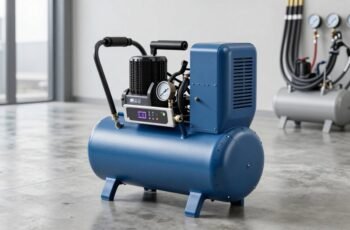
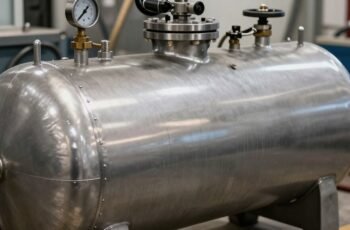
Variable speed air compressors represent a significant advancement in industrial air management, offering precise control over energy consumption and operational efficiency. By adjusting motor speeds in real-time to match demand, they reduce waste, lower operational costs, and extend equipment lifespan. As industries seek sustainable solutions, understanding the technical advantages and implementation considerations of these systems becomes essential for optimizing performance—yet, the full scope of their benefits and future developments warrants a closer look.
Key Takeaways
- Variable speed compressors adjust motor speed to match air demand, reducing energy consumption and operational costs.
- They enhance efficiency by providing precise pressure control and minimizing cycling and mechanical wear.
- Using VFDs, these compressors respond quickly to demand fluctuations, improving process stability.
- They lower greenhouse gas emissions and resource use by optimizing energy use and extending equipment lifespan.
- Despite higher upfront costs, they offer long-term savings through reduced maintenance and energy bills.
How Do Variable Speed Air Compressors Work?
Variable speed air compressors operate by dynamically adjusting their motor speed to match the real-time air demand, allowing for more efficient performance. This adjustment is achieved through advanced control systems that monitor pressure levels and airflow requirements continuously. When demand decreases, the compressor’s inverter-driven motor reduces speed, minimizing energy consumption and reducing wear on components. Conversely, during high demand, the motor accelerates to meet airflow needs promptly. This precise modulation prevents over-pressurization and unnecessary cycling, maintaining stable pressure levels. The core mechanism involves variable frequency drives (VFDs) that regulate motor speed based on sensor feedback. Overall, this adaptive control system enables the compressor to operate at ideal efficiency, reducing energy waste and improving longevity while responding swiftly to fluctuating air demands.
Key Benefits of Energy Efficiency and Cost Savings
The primary advantage of variable speed air compressors lies in their ability to markedly enhance energy efficiency and reduce operational costs. By adjusting motor speed to match demand, they minimize energy waste associated with fixed-speed units cycling on and off. This dynamic modulation results in lower electricity consumption and fewer peak load charges. Additionally, reduced wear and tear extends equipment lifespan and decreases maintenance expenses.
- Precise load matching minimizes unnecessary power draw
- Lower energy bills due to optimized compressor operation
- Reduced peak demand charges and utility costs
- Decreased maintenance and replacement costs
- Overall operational efficiency improves through reduced downtime
These benefits translate into substantial long-term savings, making variable speed compressors a financially sound investment for energy-conscious operations.
Comparing Variable Speed and Fixed-Speed Compressors
When comparing variable speed and fixed-speed compressors, energy efficiency differences are paramount, with variable speed units typically offering significant savings across varying load conditions. Cost and maintenance variability also play a critical role, as initial investment and ongoing upkeep tend to be higher for variable speed models but can be offset by operational savings. Performance flexibility factors further influence this choice, with variable speed compressors providing better responsiveness to fluctuating demand, enhancing overall system efficiency.
Energy Efficiency Differences
How significant are the energy savings achieved by variable speed compressors compared to fixed-speed models? They are considerable, primarily because variable speed units adjust motor speed to match demand, minimizing unnecessary energy consumption. This adaptive operation results in higher overall efficiency. Specifically, variable speed compressors can reduce energy use by approximately 30-50% under varying load conditions.
- Load matching: Adjusts output precisely to demand fluctuations
- Reduced on/off cycling: Limits energy losses from frequent start-stop cycles
- Lower idle losses: Maintains minimal energy use during low demand
- Enhanced control: Fine-tunes compressor performance for *ideal* efficiency
- Power factor improvements: Reduces reactive power and enhances electrical efficiency
These factors collectively make variable speed compressors more energy-efficient, especially in dynamic operational environments.
Cost and Maintenance Variability
Variable speed compressors typically involve higher initial investment costs compared to fixed-speed models due to their more complex control systems and advanced components. This complexity can lead to increased manufacturing and installation expenses, which may be a barrier for some applications. However, their sophisticated design often results in reduced long-term maintenance requirements, as fewer mechanical parts are subject to wear and tear. Fixed-speed compressors, with simpler components, tend to have lower upfront costs but may incur higher operational costs due to frequent cycling and less efficient operation. Maintenance for fixed-speed units generally involves routine checks and replacement of mechanical parts like belts and valves. Overall, while variable speed units demand a higher initial outlay, their potentially lower maintenance needs can offset upfront costs over time.
Performance Flexibility Factors
Because they can adjust their output to match varying demand, variable speed compressors inherently offer greater performance flexibility compared to fixed-speed models. This adaptability enables precise control over pressure and flow, optimizing energy use and system stability. Their ability to modulate speed allows for smoother operation, reducing system stress and wear. Additionally, variable speed units respond quickly to load changes, maintaining consistent pressure levels. They also facilitate load-based control strategies, improving overall system efficiency. Conversely, fixed-speed compressors operate at constant capacity, leading to frequent on/off cycling and less responsive performance. Key performance flexibility factors include:
- Precise control over pressure and flow
- Reduced cycling and wear
- Enhanced response to load fluctuations
- Improved energy efficiency
- Smoother, more stable operation
Industries That Benefit Most From Variable Speed Technology
Which industries stand to gain the most from implementing variable speed air compressor technology? Manufacturing sectors with fluctuating demand, such as automotive and electronics, benefit considerably due to their variable production cycles. Healthcare facilities also see advantages through precise and reliable compressed air, reducing energy waste. The petrochemical and chemical industries require consistent pressure control, making variable speed compressors ideal for optimizing energy consumption during process fluctuations. Food and beverage industries, with their strict hygiene standards and variable production rates, gain improved efficiency and control. Additionally, data centers and telecommunications facilities, which depend on stable compressed air for cooling and equipment operation, benefit from the precise regulation and energy savings. Overall, industries with variable load profiles and critical performance requirements derive substantial value from variable speed compressor technology.
How to Choose the Right Variable Speed Compressor for Your Business
Selecting the appropriate variable speed compressor for your business requires a thorough assessment of operational demands and system specifications. Key factors include load profiles, pressure requirements, and energy consumption patterns. Analyzing your peak and average airflow needs guarantees ideal sizing and efficiency. Consider the compressor’s control capabilities, compatibility with existing systems, and scalability for future growth. Additionally, evaluate the compressor’s capacity to maintain stable pressure levels and its ability to modulate speed precisely.
Choosing the right variable speed compressor ensures optimal efficiency, stable pressure, and future scalability for your business.
- Match compressor capacity to actual demand
- Prioritize energy efficiency ratings
- Ensure compatibility with existing infrastructure
- Assess control system sophistication
- Plan for future expansion needs
Maintenance and Troubleshooting Tips for Variable Speed Compressors
Maintaining and troubleshooting variable speed compressors requires a proactive approach to guarantee peak performance and minimize downtime. Regular inspection of electronic control systems and sensors guarantees proper communication between components, preventing operational inconsistencies. Monitoring compressor vibration levels and temperature readings can identify early signs of component wear or imbalance, allowing timely intervention. It’s critical to verify that variable frequency drives (VFDs) are functioning correctly, with periodic checks on electrical connections, cooling fans, and drive parameters. Troubleshooting should focus on diagnosing sensor failures, control signal discrepancies, or motor issues that can disrupt speed regulation. Implementing a thorough maintenance schedule, including filter replacement and lubrication, enhances reliability. This systematic approach ensures maximum efficiency, reduces unscheduled outages, and extends the compressor’s operational lifespan.
The Environmental Impact of Using Variable Speed Compressors
Implementing regular maintenance and troubleshooting protocols for variable speed compressors not only guarantees operational efficiency but also reduces unnecessary energy consumption. This directly minimizes environmental impact by decreasing greenhouse gas emissions associated with electricity generation. Variable speed technology optimizes compressor operation, aligning energy use with real-time demand, which further reduces waste. The environmental benefits include lower carbon footprints, reduced noise pollution, and decreased resource depletion. Additionally, efficient compressors extend equipment lifespan, lessening the need for manufacturing replacements and decreasing waste.
- Energy consumption aligns precisely with demand
- Lower greenhouse gas emissions
- Reduced noise pollution levels
- Extended equipment lifespan
- Minimized resource depletion
Future Trends and Innovations in Variable Speed Air Compression
How will emerging technologies shape the future of variable speed air compression? Advances in sensor technology, AI, and IoT are poised to profoundly enhance compressor efficiency and responsiveness. Real-time data analytics will enable predictive maintenance, reducing downtime and optimizing performance. Integration of machine learning algorithms will allow compressors to adapt dynamically to fluctuating demand, further improving energy savings. Additionally, developments in inverter technologies will facilitate even smoother speed adjustments and lower electrical losses. Future innovations may also incorporate more robust materials and smarter control systems, increasing durability and operational precision. These technological strides will foster more sustainable, cost-effective, and resilient compression systems, aligning with industry priorities for energy efficiency and environmental responsibility. As these trends evolve, the potential for smarter, more adaptable compressors becomes increasingly attainable.
Frequently Asked Questions
Are Variable Speed Compressors Suitable for Small-Scale Operations?
Yes, variable speed compressors suit small-scale operations because they optimize energy efficiency and reduce costs with precise control. We find them ideal for applications requiring variable airflow, ensuring consistent performance while minimizing operational expenses.
What Are the Initial Investment Costs for Variable Speed Compressors?
We find that initial costs for variable speed compressors typically range from 20% to 50% higher than fixed-speed models, primarily due to advanced controls and technology, but they often deliver significant energy savings and ROI over time.
How Long Is the Typical Lifespan of These Compressors?
Typically, these compressors last between 10 to 15 years with proper maintenance. We find their lifespan depends on operational conditions, component quality, and regular servicing, which can extend or reduce their effective service life.
Can Variable Speed Compressors Operate in Extreme Temperatures?
Absolutely, they can operate in extreme temperatures; however, their efficiency and lifespan may diminish. Like a seasoned athlete, they perform best within ideal conditions, but with proper cooling and insulation, they endure harsh environments effectively.
Are There Any Safety Concerns With Variable Speed Compressor Systems?
Yes, there are safety concerns with variable speed compressor systems, such as electrical hazards from complex controls, overheating risks, and potential mechanical failures. We recommend thorough maintenance, proper installation, and safety protocols to mitigate these issues effectively.
Conclusion
In conclusion, embracing variable speed air compressors aligns with the adage “work smarter, not harder.” Their ability to adapt instantly to demand not only boosts efficiency and reduces costs but also minimizes environmental impact. As technology advances, these systems will become even more integral to sustainable, cost-effective operations. By choosing the right model and maintaining it properly, businesses can optimize performance while contributing to a greener future, proving that innovation truly drives progress.