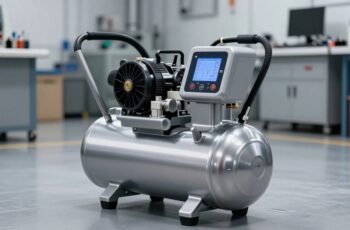
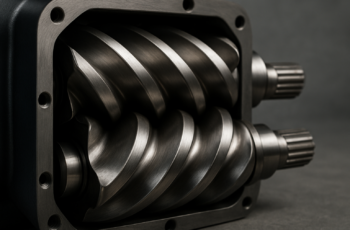
Many people aren’t aware that traditional air compressors can substantially impact energy consumption and emissions, often operating inefficiently despite their crucial role in industry. Eco-friendly models, however, incorporate advanced technologies that optimize performance while reducing environmental footprints. As sustainability becomes increasingly critical, understanding whether these systems can meet your operational needs—and justify their initial costs—may influence your next investment. Exploring these options could reveal how your business can align efficiency with environmental responsibility.
Key Takeaways
- Eco-friendly compressors utilize variable speed drives and energy-efficient motors to significantly reduce energy consumption and operational costs.
- They produce fewer emissions through advanced compression technology and oil-free options, supporting cleaner air and regulatory compliance.
- Designed for lower maintenance with durable, corrosion-resistant materials, ensuring long-term reliability and reduced downtime.
- Many models offer smart control systems and real-time monitoring to optimize performance and enhance energy savings.
- Suitable for diverse applications, from industrial manufacturing to residential use, with future trends emphasizing hybrid and IoT-enabled solutions.
What Are Eco-Friendly Air Compressors and How Do They Work?
Have you ever wondered how eco-friendly air compressors differ from traditional models? These compressors incorporate advanced technologies to reduce environmental impact while maintaining efficiency. They often utilize variable speed drives, which adjust motor output based on demand, minimizing energy waste. Additionally, they employ energy-efficient motors and advanced cooling systems that lower power consumption. Some models use eco-friendly lubricants and components made from sustainable materials, ensuring fewer emissions during manufacturing and operation. These compressors also feature smarter controls that optimize compression cycles and reduce idle times, further conserving energy. By integrating these innovations, eco-friendly air compressors lower greenhouse gas emissions and reduce reliance on fossil fuels, aligning industrial processes with sustainable practices. Their design emphasizes efficiency, durability, and minimal environmental footprint.
Benefits of Using Eco-Friendly Air Compressors in Your Operations
Adopting eco-friendly air compressors enhances operational efficiency by considerably reducing energy consumption and lowering emission levels, which benefits both the environment and your bottom line. These systems also require less frequent maintenance, translating to cost savings and minimized downtime. Implementing such technology supports sustainable practices while optimizing your industrial processes.
Reduced Energy Consumption
Why do eco-friendly air compressors considerably reduce energy consumption in industrial operations? These compressors incorporate advanced variable-speed drive (VSD) technology, which adjusts motor speed to match demand precisely, minimizing unnecessary power use. Additionally, they utilize high-efficiency motors and optimized airflow pathways, reducing mechanical and aerodynamic losses. Enhanced thermal management systems further lower energy requirements by improving heat recovery and reducing cooling loads. These design improvements enable eco-friendly compressors to operate more efficiently under varying load conditions, avoiding the constant energy draw typical of traditional units. By integrating smart controls and real-time monitoring, they optimize performance, ensuring energy is used only when necessary. Overall, these innovations promote significant energy savings, reduce operational costs, and support sustainable industrial practices.
Lower Emission Levels
By utilizing advanced compression technologies, eco-friendly air compressors considerably lower emission levels compared to traditional units. These systems incorporate variable speed drives and optimized component design, reducing the need for excessive energy input and minimizing pollutant output. They often employ oil-free compression mechanisms, which eliminate oil vapor emissions, further decreasing environmental impact. Additionally, integrated smart controls optimize operation, ensuring compressors run only when necessary, consequently reducing unnecessary emissions. This technological refinement results in lower greenhouse gas emissions and improved air quality in operational environments. By adopting these compressors, industries can meet stricter environmental regulations while maintaining efficiency. Ultimately, these innovations support sustainable practices by markedly reducing atmospheric pollutants associated with compressed air generation, aligning operational goals with broader environmental stewardship commitments.
Cost-Effective Maintenance
Eco-friendly air compressors offer significant cost savings in maintenance due to their simplified, oil-free designs and advanced component durability. Without the need for lubricants, these units reduce the risk of oil leaks, contamination, and costly filter replacements, streamlining routine upkeep. The durable materials used in eco-friendly models resist wear and corrosion, extending service intervals and minimizing downtime. Additionally, their efficient design often results in fewer moving parts and less complex systems, which lowers the likelihood of mechanical failure. This combination of reduced maintenance requirements and increased reliability translates into lower operational costs over time. For organizations aiming to optimize efficiency while maintaining sustainability, eco-friendly air compressors present a technically sound, economically advantageous solution with predictable maintenance needs.
Key Features to Look for When Choosing an Eco-Friendly Air Compressor
When selecting an eco-friendly air compressor, identifying key features that promote energy efficiency and reduce environmental impact is essential. Look for variable speed drive (VSD) technology, which adjusts motor output based on demand, minimizing energy waste. High-efficiency heat recovery systems are also vital, as they capture heat generated during compression for reuse, lowering overall energy consumption. Additionally, lightweight, durable materials can reduce manufacturing emissions and prolong lifespan. Low-noise operation minimizes noise pollution, supporting healthier work environments. Filter systems with low-pressure loss ensure ideal airflow with reduced energy input. Finally, integrated monitoring and control systems enable real-time performance optimization, helping operators maintain efficiency and reduce carbon footprint. Prioritizing these features ensures a sustainable, high-performing compressor aligned with ecological goals.
Comparing Different Types of Eco-Friendly Air Compressors
We compare various eco-friendly air compressor types, focusing on their design and operational efficiencies. Understanding their energy consumption profiles helps us identify which models provide the greatest sustainability benefits. By analyzing these aspects, we can select solutions that optimize performance while minimizing environmental impact.
Types of Eco Compressors
Different types of eco-friendly air compressors employ varied technologies to reduce environmental impact while maintaining performance. Oil-free compressors eliminate the need for lubrication, reducing oil waste and emissions, making them ideal for sensitive environments. Scroll compressors utilize a smooth, non-porous compression mechanism that minimizes energy loss and eliminates oil use, contributing to sustainability. Inverter-driven compressors adjust motor speed dynamically, optimizing energy consumption under varying load conditions. Additionally, axial and centrifugal models leverage aerodynamic efficiencies to lower power requirements for large-scale applications. Each type integrates sustainable design principles—such as durable materials and reduced maintenance needs—to enhance longevity and reduce waste. By understanding these technologies, we can select compressors that balance operational efficiency with environmental responsibility.
Energy Efficiency Benefits
Evaluating the energy efficiency of eco-friendly air compressors reveals significant variations driven by their underlying technologies. Variable Frequency Drive (VFD) compressors adjust motor speed to match demand, reducing energy waste during low-load conditions. Electromechanical models with advanced inverter controls optimize power consumption by modulating output precisely, resulting in lower operational costs. In contrast, traditional screw compressors often operate at fixed speeds, leading to higher energy use during partial loads. Additionally, oil-free designs minimize energy losses associated with lubrication. Overall, selecting compressors with intelligent controls and variable speed capabilities enhances energy efficiency, supporting sustainable operations. By understanding these technological differences, we can make informed choices that not only reduce energy consumption but also promote long-term environmental and economic benefits.
How Eco-Friendly Compressors Reduce Energy Consumption and Emissions
Eco-friendly compressors are designed to optimize energy efficiency and minimize environmental impact by leveraging advanced technologies such as variable speed drives, advanced control systems, and improved motor designs. Variable speed drives adjust compressor output in real-time, reducing power consumption during low-demand periods and preventing wasteful operation. Sophisticated control systems enhance compressor performance, ensuring operation at optimal load points, which lowers energy use and emissions. Enhanced motor designs, including high-efficiency motors, further decrease electrical energy requirements. These innovations collectively reduce overall energy consumption, directly decreasing greenhouse gas emissions associated with power generation. By precisely matching compression needs to demand, eco-friendly compressors eliminate unnecessary energy expenditure, making operations more sustainable while maintaining performance and reliability.
Cost Considerations: Are Eco-Friendly Air Compressors Worth the Investment?
While eco-friendly air compressors often come with higher upfront costs due to advanced technologies and materials, their long-term financial benefits can justify the investment. These compressors typically incorporate efficient motors, variable speed drives, and optimized components that reduce energy consumption considerably. Although initial expenses are higher, operational savings from lower energy bills can offset the purchase price within a few years. Additionally, many eco-friendly models qualify for tax incentives and rebates, further improving their financial viability. Over their lifespan, these compressors also experience less wear and tear due to reduced heat and vibration, leading to decreased maintenance costs and longer service intervals. Ultimately, the initial investment in sustainable technology often results in substantial cost savings and environmental benefits, making eco-friendly compressors a prudent economic choice.
Maintenance Tips to Keep Your Eco-Friendly Air Compressor Running Efficiently
To guarantee your eco-friendly air compressor continues to operate at peak efficiency, regular maintenance is essential. We recommend inspecting and replacing air filters periodically to prevent dust and debris buildup, which can reduce airflow and increase energy consumption. Monitoring oil levels and changing lubricants as specified ensures best compression and minimizes wear on internal components. Drain condensate from tanks regularly to prevent corrosion and maintain system integrity. Tighten fittings and check for leaks using ultrasonic detection methods—leaks compromise efficiency and waste energy. Additionally, calibrate pressure settings to manufacturer specifications to avoid overworking the compressor. Incorporating predictive maintenance with vibration analysis and thermal imaging can identify potential issues early. These practices sustain performance, extend equipment lifespan, and reinforce the sustainability benefits of your eco-friendly compressor.
Real-World Applications of Eco-Friendly Air Compressors in Industry and Home Use
As industries and households increasingly prioritize sustainability, eco-friendly air compressors have found widespread application across various sectors. In manufacturing, they power pneumatic tools with reduced energy consumption and lower emissions, supporting greener production processes. In construction, these compressors enable efficient operation of heavy equipment while minimizing environmental impact. Within the automotive sector, they facilitate precision tasks with less energy waste, aligning with corporate sustainability goals. At home, eco-friendly compressors drive DIY projects, air inflators, and small-scale tools, offering energy-efficient alternatives to traditional units. Their quiet operation also benefits residential environments by reducing noise pollution. Overall, these compressors demonstrate how sustainable technology can seamlessly integrate into diverse applications, ensuring operational efficiency while actively contributing to environmental conservation efforts.
Future Trends in Eco-Friendly Air Compression Technology
Advancements in eco-friendly air compression technology are poised to reshape the industry landscape, driven by innovations that enhance efficiency and reduce environmental impact. Future trends focus on integrating variable speed drives and smart control systems to optimize energy consumption dynamically, minimizing waste. The development of hybrid systems combining electric and alternative energy sources, such as solar or wind, promises to lower carbon footprints further. Material innovations, like lightweight, durable composites, will improve compressor durability while reducing manufacturing emissions. Additionally, the adoption of IoT-enabled monitoring will facilitate predictive maintenance, reducing downtime and energy use. These technological strides will foster more sustainable operations across industries, making eco-friendly compressors not just an option but a standard in responsible manufacturing and consumption practices.
Frequently Asked Questions
How Long Is the Typical Lifespan of an Eco-Friendly Air Compressor?
Eco-friendly air compressors typically last 10 to 15 years, depending on usage, maintenance, and build quality. We recommend regular servicing and choosing models with durable components to maximize their sustainable lifespan and reduce environmental impact.
Are There Any Specific Certifications to Look for in Eco-Friendly Compressors?
We look for certifications like ENERGY STAR and ISO 14001, which guarantee our eco-friendly compressors meet strict environmental standards. Ironically, these labels help us trust their sustainability claims, making our operations greener and more efficient.
Can Eco-Friendly Air Compressors Be Used With Existing Equipment?
Yes, eco-friendly air compressors can be used with existing equipment, provided they match the operational specifications and connections. We recommend consulting compatibility guides and technical support to guarantee seamless integration without compromising efficiency or sustainability goals.
What Are the Common Challenges Faced When Transitioning to Eco-Friendly Models?
We face challenges like initial costs, compatibility issues, and training needs when shifting to eco-friendly models. These hurdles require careful planning, technical expertise, and commitment to sustainability to guarantee seamless integration and long-term benefits.
Do Eco-Friendly Compressors Require Specialized Training for Operation?
Eco-friendly compressors often need specialized training because they incorporate advanced, sustainable technologies requiring precise operation. We find that proper instruction guarantees ideal performance, safety, and maintenance, ultimately maximizing their eco-conscious benefits and aligning with sustainable operational goals.
Conclusion
In embracing eco-friendly air compressors, we align operational efficiency with environmental responsibility. These systems exemplify that sustainable choices aren’t just ethical but economically sound long-term. As the saying goes, “The best time to plant a tree was 20 years ago; the second best time is now.” Investing in advanced, energy-efficient technology today guarantees a greener, more resilient future—because true sustainability requires proactive, informed decisions that benefit both industry and the planet.