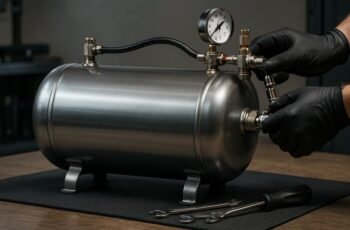
Imagine a tightly wound spring suddenly releasing its energy—without proper control, the results can be catastrophic. Similarly, neglecting electrical safety in air compressor operation can lead to fires, injuries, or equipment failure. Ensuring safe electrical practices isn’t just recommended; it’s essential. As we examine proper inspection, grounding, and safety protocols, you’ll see how these measures form the foundation of reliable, safe compressor use—and why overlooking them can be dangerous.
Key Takeaways
- Regularly inspect electrical wiring, connections, and safety devices for damage, wear, and proper functioning.
- Ensure proper grounding and bonding to prevent electrical shock hazards and system faults.
- Use appropriately rated cords, circuit breakers, and overload protection to manage electrical loads safely.
- De-energize systems and wear PPE before performing maintenance or troubleshooting electrical components.
- Maintain clean, unobstructed air intake and safety devices to prevent electrical fires and equipment failure.
The Importance of Electrical Safety in Air Compressor Use
Electrical safety is a critical aspect of operating air compressors, as electrical faults can lead to severe injuries, equipment damage, or even fires. Recognizing electrical hazards is essential, especially considering the importance of proper voltage regulation. Fluctuations in voltage can compromise the compressor’s electrical components, increasing the risk of short circuits or component failure. Guaranteeing stable voltage levels helps prevent costly downtime and safety incidents. Proper grounding and adherence to electrical codes further mitigate hazards associated with electrical faults. Regular monitoring of electrical systems allows us to promptly identify potential issues before they escalate. By prioritizing electrical safety and maintaining precise voltage regulation, we protect personnel, extend equipment lifespan, and ensure consistent, reliable compressor operation.
How to Properly Inspect Your Air Compressor Before Operation
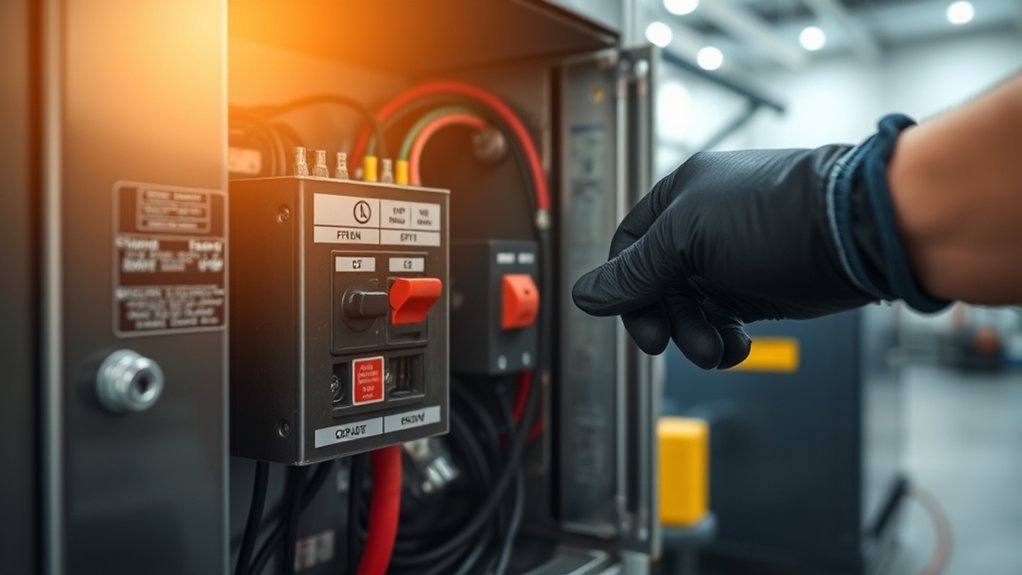
Before operating the air compressor, we must verify all electrical connections are secure and free of damage to prevent potential faults. We also inspect safety devices, such as pressure relief valves and emergency shutoffs, to guarantee proper function. Additionally, examining the air intake for obstructions or leaks helps maintain safe and efficient operation.
Check Electrical Connections
Have we thoroughly examined the air compressor’s electrical connections to guarantee safety and proper function? First, inspect the electrical wiring for signs of wear, corrosion, or loose terminals, ensuring all connections are secure. Properly tightened, these prevent arcing and overheating. Next, conduct circuit testing with a multimeter to verify continuity and confirm that the wiring adheres to manufacturer specifications. Check for any exposed conductors or damaged insulation that could pose electrical hazards. Confirm grounding is intact and that all connectors are properly insulated. Power off the compressor before inspection, and recheck all connections after any adjustments. Precise circuit testing and diligent inspection of electrical wiring are critical steps in preventing electrical faults and ensuring safe, reliable operation.
Inspect Safety Devices
Do we thoroughly verify that all safety devices are functioning correctly prior to operating the air compressor? Conducting a detailed device inspection is essential to maintaining electrical safety. We should examine pressure relief valves, emergency shutoff switches, and safety guards to ensure they are intact and properly calibrated. Check for corrosion, wear, or damage that could impair their operation. Confirm that safety devices are securely mounted and free of obstructions. Proper inspection prevents malfunction during operation, reducing risk of injury or equipment failure. We must also verify that safety interlocks and circuit breakers are operational, ensuring they disconnect power when necessary. This diligent process minimizes hazards, promotes electrical safety, and guarantees the compressor’s safety systems are ready for safe use.
Examine Air Intake
Inspecting the air intake is a vital step in ensuring the safe and efficient operation of your air compressor. We must verify that the air intake is free from obstructions and damage, as restricted airflow can cause excessive strain and reduce performance. Focus on the filtration system, ensuring filters are clean, properly seated, and free of debris. A compromised filtration system allows contaminants to enter the compressor, risking internal damage and compromised air quality. Check for cracks, leaks, or signs of wear around the intake housing. Proper maintenance of the air intake and filtration system guarantees ideal airflow and prevents overheating or failure, maintaining safe operation standards. Regular inspections help identify issues early, reducing downtime and extending equipment lifespan.
Understanding Grounding and Bonding for Safe Electrical Connections
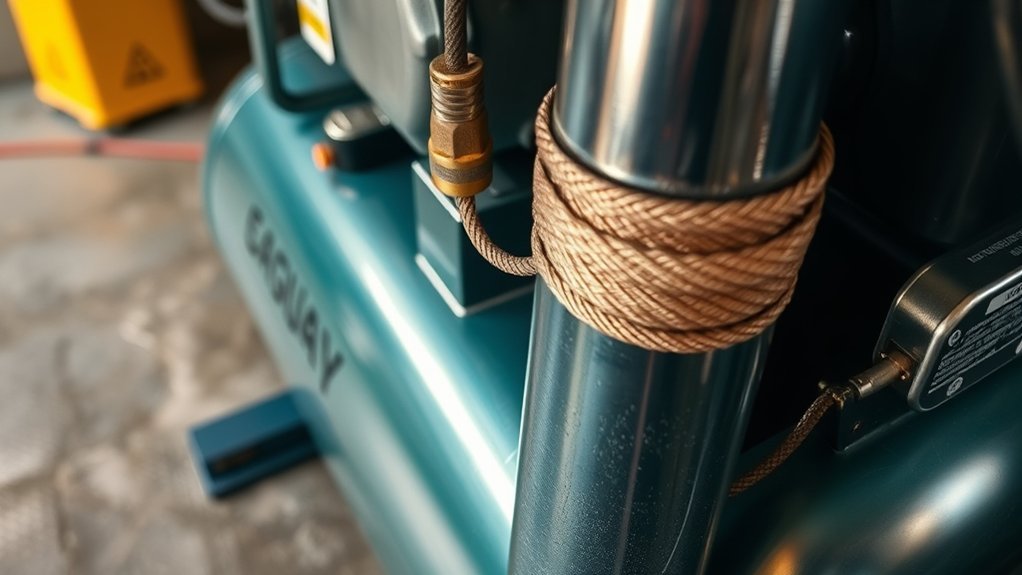
Understanding grounding and bonding is essential for guaranteeing safe electrical connections in air compressor systems. Proper grounding techniques and bonding procedures prevent electrical shock and equipment damage. Grounding connects the system to earth, providing a path for fault currents, while bonding ensures all metallic parts are electrically linked, minimizing potential differences. Implementing correct methods reduces risk during operation and maintenance. Here’s a table illustrating key components to contemplate:
| Component | Purpose | Safety Implication |
|---|---|---|
| Grounding rod | Discharges fault currents safely | Prevents shock hazards |
| Bonding conductors | Links metallic parts together | Eliminates voltage differences |
| Connection points | Ensures secure electrical contact | Maintains system integrity |
| Inspection routine | Verifies proper grounding/bonding | Ensures ongoing safety |
Adhering to these procedures guarantees reliable, safe electrical connections.
Selecting the Right Power Supply and Circuit Breakers for Your Compressor
Choosing the appropriate power supply and circuit breakers for your air compressor is vital to guarantee safe and reliable operation. Proper power supply selection involves matching the compressor’s voltage and current requirements with the electrical system’s capacity, ensuring that the circuit can handle peak loads without overloads. Circuit breaker sizing must be precise, usually based on the compressor’s full load current, to provide effective protection against faults and short circuits. An undersized breaker risks nuisance tripping, while an oversized breaker may fail to trip during faults, risking equipment damage or fire. Always consult the compressor manufacturer’s specifications and electrical codes when selecting components. Accurate power supply selection and circuit breaker sizing are essential steps in maintaining electrical safety and operational integrity.
Common Electrical Hazards to Watch Out for During Maintenance
While performing maintenance on an air compressor, electrical hazards pose significant risks if proper precautions aren’t taken. Common electrical hazards include accidental contact with energized components, short circuits, and faulty wiring, which can lead to electric shock or arc flash. To prevent these risks, adhering to strict safety protocols is essential. This includes disconnecting power supplies before starting work, verifying de-energization with appropriate testing equipment, and wearing insulated gloves and tools. Regular inspection of electrical connections for wear, corrosion, or damage is also critical. Recognizing and addressing these hazards ensures a safer maintenance environment. Implementing thorough safety protocols reduces the likelihood of electrical accidents, protecting personnel and preventing costly equipment damage.
Best Practices for Using Extension Cords and Power Cables Safely
To guarantee safe operation, we must select extension cords and power cables that meet the compressor’s power requirements and are rated for continuous use. Avoid overloading circuits by distributing electrical loads appropriately and using dedicated outlets when possible. Regular inspection of cords and connectors for damage or wear is essential to prevent electrical faults and maintain safety standards.
Proper Cord Selection
Selecting the proper extension cords and power cables is essential for maintaining electrical safety when operating an air compressor. To ensure optimal performance and safety, consider these key factors:
- Cord durability: Choose cords with high-quality insulation and robust construction to withstand wear and environmental stress.
- Plug compatibility: Verify that plugs match the outlet types and are rated for the required amperage to prevent loose connections or electrical faults.
- Appropriate gauge: Use cables with adequate wire gauge to handle the compressor’s current load without overheating or voltage drops.
Proper cord selection minimizes electrical hazards, protects equipment, and ensures reliable operation. Always adhere to manufacturer specifications and inspect cords regularly for damage.
Avoid Overloading Circuits
Overloading circuits can lead to overheating, tripped breakers, and electrical fires, jeopardizing both safety and equipment integrity. To prevent this, we must guarantee proper circuit protection by avoiding excessive load on extension cords and power cables. Overloading can disrupt voltage regulation, causing unstable power delivery that damages sensitive components. Always verify that the total current draw of the air compressor and connected devices remains within the circuit’s rated capacity. Use appropriately rated extension cords designed for high-current applications, and never exceed their maximum load. Implement dedicated circuits where possible, and avoid combining multiple devices on a single outlet. Proper circuit protection and adherence to load limits maintain stable voltage regulation, reducing the risk of electrical failure and safeguarding personnel and equipment.
Regular Equipment Inspection
Regular inspection of extension cords and power cables is essential to maintaining electrical safety when operating air compressors. This practice enhances electrical efficiency and optimizes power management, preventing potential hazards. During inspections, we focus on:
- Checking for visible damage such as cuts, frays, or exposed conductors that compromise insulation integrity.
- Verifying plug and socket connections are secure and free of corrosion, ensuring consistent power flow.
- Testing cable flexibility and insulation to detect internal wear that could lead to short circuits or electrical failures.
How to Recognize and Prevent Electrical Fires in Compressor Areas
Electrical fires in compressor areas often result from overlooked hazards or faulty wiring, making vigilant recognition and prevention essential. To enhance electrical fire prevention, regularly inspect wiring for signs of wear, corrosion, or damage. Overloaded circuits and improper grounding increase fire risk, so ensure wiring complies with electrical standards. Circuit breaker maintenance is critical; test breakers periodically to confirm proper function and reset any tripped breakers promptly. Avoid using makeshift wiring or extension cords that can overheat. Keep the compressor area free of combustible materials and ensure adequate ventilation to prevent overheating. Implementing a preventive maintenance schedule focused on electrical components reduces fire hazards. By maintaining electrical systems diligently and addressing issues early, we can greatly lower the risk of electrical fires in compressor environments.
Essential Personal Protective Equipment for Electrical Safety
When working around electrical systems in compressor environments, wearing the right personal protective equipment (PPE) is essential to reduce the risk of injury from shocks or arc flashes. Proper PPE includes:
- Protective gloves rated for electrical work, ensuring insulation against contact hazards.
- Insulated tools designed to prevent electrical conduction during maintenance or troubleshooting.
- Flame-resistant clothing to minimize injury from potential arc flashes.
These items are critical in safeguarding personnel from electrical hazards. Protective gloves and insulated tools provide a barrier between the worker and live components, reducing the likelihood of electrical shock. Always verify PPE ratings comply with relevant safety standards before use. Ensuring the proper PPE is in place enhances safety and maintains compliance with electrical safety protocols.
Troubleshooting Electrical Issues Without Risking Safety
To safely troubleshoot electrical issues in compressor systems, we must follow strict protocols that prioritize personal safety while guaranteeing accurate diagnosis. Understanding the electrical circuit design is essential, as it helps us identify potential fault points efficiently. We should verify power supply compatibility before beginning any work, ensuring voltage and current ratings match the compressor’s specifications. De-energizing the system and using properly rated testing equipment minimizes the risk of electric shock or equipment damage. Consistently inspecting wiring connections, circuit breakers, and protective devices allows us to pinpoint issues without unnecessary exposure to live components. Precise adherence to these safety procedures, combined with knowledge of the electrical circuit design and power supply compatibility, guarantees troubleshooting is both effective and risk-free.
Creating a Safe Work Environment With Clear Electrical Safety Policies
Establishing clear safety policies is fundamental to maintaining a secure work environment around compressor systems. Our policies should emphasize compliance with electrical codes to ensure proper installation and maintenance. Key elements include:
Clear safety policies ensure secure compressor system operations through code compliance and proper procedures.
- Regularly reviewing electrical code compliance and updating procedures accordingly.
- Implementing surge protection devices to prevent electrical damage and hazards.
- Ensuring all personnel are trained on electrical safety protocols and emergency procedures.
These policies minimize risks associated with electrical faults, overloads, and shocks. Clear guidelines help staff identify hazards, enforce proper procedures, and maintain system integrity. By prioritizing electrical code compliance and surge protection, we create a safer workspace, reduce downtime, and uphold safety standards efficiently. Consistent enforcement of these policies is essential for ongoing electrical safety around compressor systems.
Frequently Asked Questions
What Are the Signs of Electrical System Overload in Air Compressors?
Signs of electrical system overload include tripped circuit protection, overheating electrical wiring, and frequent breaker trips. These indicate that the circuit is strained and requires immediate inspection to prevent damage or failure, ensuring safe compressor operation.
How Often Should Electrical Components Be Professionally Inspected?
We recommend professional inspections of electrical components annually, ensuring proper electrical grounding and circuit protection. Regular checks help prevent hazards, maintain efficiency, and catch issues early—because ignoring electrical safety isn’t just reckless, it’s surprisingly common.
Can Portable Generators Safely Power Air Compressors?
Portable generators can safely power air compressors if they’re compatible in wattage and designed for such loads. We guarantee power transfer safety by using proper transfer switches and grounding techniques to prevent electrical hazards and equipment damage.
What Are the Steps to Safely Shut Down an Electrical Fault?
We follow emergency shutdown procedures, quickly disconnecting power to prevent further damage, while ensuring electrical fault prevention measures are in place. This systematic approach safeguards personnel and equipment, maintaining safety amid electrical faults.
How Does Ambient Temperature Affect Electrical Safety for Compressors?
Ambient temperature effects compressor insulation efficiency, impacting electrical safety; high temperatures can cause insulation deterioration, increasing electrical faults risk, while low temperatures may lead to brittleness, emphasizing the need for temperature-aware maintenance and safety protocols.
Conclusion
By adhering to proper inspection, grounding, and equipment selection, and by consistently using PPE and following safety protocols, we create a safer work environment. Preventing hazards, recognizing risks early, and maintaining electrical systems diligently are essential steps. Together, these practices guarantee reliable compressor operation, protect personnel, and safeguard assets. Prioritizing electrical safety isn’t just a rule—it’s a commitment to safety, efficiency, and continuous improvement in our workplace.