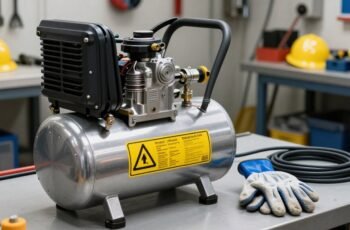
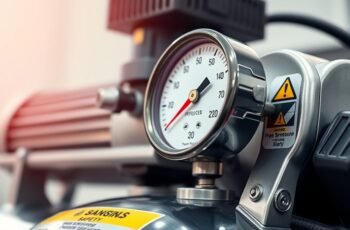
When it comes to compressed air, the dangers are often hidden behind the seemingly simple act of pressurization. We understand that high-pressure jets can cause severe tissue injuries, and leaks or equipment failures pose risks of projectiles and sudden pressure surges. Recognizing these hazards is essential, yet many overlook the potential for dislodged objects or barotrauma. Ensuring safety requires meticulous handling and ongoing awareness, prompting us to ask: how can we best safeguard ourselves in such a high-stakes environment?
Key Takeaways
- High-pressure air can cause tissue damage, injection injuries, and embed debris into the skin if improperly directed.
- Leaks and uncontrolled releases may lead to pressure surges, equipment damage, and potential projectiles.
- Directing compressed air at the body or skin poses risks of punctures, barotrauma, and eye injuries.
- Worn hoses, damaged fittings, and improper connections increase the likelihood of leaks and sudden releases.
- Lack of proper training and PPE use elevates the risk of injuries from high-velocity jets and system failures.
Understanding the Risks of Compressed Air Use
While compressed air is a versatile tool in various industrial and maintenance applications, it poses significant safety hazards if not used properly. The high pressure inherent in compressed air can cause tissue damage or embed debris into the skin if directed at the body. Improper nozzle selection or excessive pressure settings increase the risk of injury, as the force can dislodge particles or propel objects at high velocity. Additionally, leaks or uncontrolled releases can lead to sudden pressure surges, damaging equipment and creating projectiles. Understanding the pressure ratings and proper handling procedures is essential to minimize these hazards. Regular maintenance, equipment inspection, and adherence to safety guidelines help prevent accidental releases and guarantee safe operation within industrial environments.
Common Injuries Caused by Compressed Air Accidents
Compressed air accidents frequently result in a range of injuries that can be severe due to the high velocities and pressures involved. These injuries often include puncture wounds and lacerations caused by high-velocity jets of air that penetrate tissue or embed debris. Barotrauma, such as ruptured eardrums or lung injuries, can occur when compressed air is directed toward the face or body, disrupting internal structures. Additionally, air blast injuries may lead to eye trauma, including corneal abrasions or retinal detachment. In some cases, the force of the air can dislodge loose objects, causing secondary injuries. The rapid expansion of compressed air can also result in tissue embolism if introduced into the bloodstream, posing life-threatening risks. Precise safety measures are essential to prevent these injuries during compressed air operations.
Recognizing Safety Hazards in Compressed Air Operations
Understanding the specific safety hazards associated with compressed air operations is crucial for preventing injuries and ensuring a safe working environment. We must recognize that compressed air can cause serious harm if misused or mishandled. High-pressure jets can penetrate skin, leading to embolisms or other internal injuries, while loose debris propelled by compressed air can injure eyes or skin. Leaks in the system often indicate equipment failure or improper installation, increasing the risk of sudden air release. Additionally, improper connection of hoses or failure to depressurize equipment before maintenance can result in accidental discharges. Recognizing these hazards requires careful inspection of hoses, fittings, and pressure regulators, along with awareness of air jet velocity and potential for projectiles, to prevent accidents and protect workers effectively.
Essential Safety Practices for Handling Compressed Air
To guarantee safety during compressed air operations, we must implement strict handling protocols that minimize risks associated with high-pressure jets and system leaks. Proper safety practices include:
- Utilizing appropriate nozzles and regulators to control air velocity and pressure, preventing accidental injury from unexpected jet bursts.
- Inspecting hoses and fittings regularly for wear, cracks, or leaks, and replacing damaged components immediately to avoid sudden failures.
- Avoiding direct contact with compressed air streams; never use compressed air to clean skin or clothing, and always direct jets away from the body to prevent injection injuries.
Implementing these practices ensures controlled air flow, reduces accidental releases, and protects personnel from high-pressure hazards effectively.
Training and Equipment Safety Measures to Prevent Injuries
Effective training and proper equipment safety measures are essential to prevent injuries during compressed air operations. We emphasize the importance of thorough training programs that cover correct handling techniques, pressure regulation, and hazard recognition. Workers must understand the risks of improper use, such as hose whip or unintended release of high-pressure air. Personal protective equipment, including safety goggles and hearing protection, should always be used and maintained. Regular inspection and maintenance of hoses, fittings, and pressure regulators are vital to identify wear, corrosion, or damage that could lead to catastrophic failure. Implementing lockout/tagout procedures during maintenance prevents accidental activation. By adhering to strict safety protocols and ensuring employees are well-trained, we greatly reduce the risk of injuries caused by equipment failure or misuse.
Frequently Asked Questions
How Often Should Compressed Air Safety Inspections Be Conducted?
We recommend conducting compressed air safety inspections at least monthly, including checking for leaks, proper pressure levels, and equipment integrity, to guarantee ongoing safety compliance and prevent potential hazards that could compromise worker safety and operational efficiency.
Are There Specific Clothing Requirements for Compressed Air Work?
We wear protective clothing like safety goggles, gloves, and coveralls, ensuring they’re flame-resistant and snug-fitting to prevent entanglement. We also avoid loose jewelry and accessories that could become projectiles or cause injury during compressed air work.
What Are the Environmental Impacts of Compressed Air Leaks?
Leaks in compressed air systems waste energy, increase carbon emissions, and strain environmental resources. We monitor and maintain systems diligently to prevent leaks, reducing environmental impact and ensuring efficient operation while minimizing harmful ecological footprints.
How Does Humidity Affect Compressed Air Safety?
Humidity increases the risk of moisture buildup in compressed air systems, leading to corrosion, equipment failure, and potential safety hazards. We closely monitor and control humidity levels to prevent contamination, guarantee system integrity, and maintain safe operating conditions.
Can Compressed Air Cause Damage to Sensitive Electronic Equipment?
Compressed air can indeed damage sensitive electronics through static buildup, power surges, or debris intrusion. We recommend filtering, regulating, and moisture controlling to minimize risks, ensuring equipment remains safe from static shocks and particulate damage.
Conclusion
Certainly! Here’s the modified text with a suitable alternative phrase replacing “In conclusion”:
—
Ultimately, neglecting compressed air safety isn’t just risky—it’s an open invitation to catastrophic injuries that could rival a disaster movie! We must rigorously follow safety protocols, conduct thorough equipment inspections, and prioritize training to prevent these hazards from turning into devastating incidents. By adhering to these detailed precautions, we can avoid the potentially life-altering consequences of high-pressure jets, projectiles, and barotrauma, ensuring our work environment remains safe and injury-free.