As the saying goes, “the devil is in the details,” and nowhere is this more evident than in the domain of variable speed air compressors. These systems promise improved efficiency through precise motor control, but understanding the intricacies of their operation reveals a complex interplay of factors that influence performance. To truly grasp their potential, we must examine how advanced control algorithms, real-time monitoring, and maintenance practices converge to optimize energy use and longevity, prompting us to explore the nuances that determine their effectiveness.
Key Takeaways
- Variable speed compressors adjust motor speed to match demand, reducing energy consumption compared to fixed-speed units.
- Proper lubrication and maintenance minimize mechanical wear, enhancing compressor efficiency and longevity.
- Advanced control algorithms and real-time data monitoring optimize performance and responsiveness to load changes.
- Energy recovery systems capture waste heat, improving overall energy efficiency and sustainability.
- Integration with smart technology enables predictive maintenance and adaptive operation, maximizing efficiency and reducing downtime.
How Variable Speed Air Compressors Work to Save Energy
How exactly do variable speed air compressors optimize energy consumption? They adjust motor speed in real-time based on demand, maintaining precise control over airflow. This dynamic adjustment reduces unnecessary energy use compared to fixed-speed units that run at full capacity regardless of need. Efficient compressor lubrication minimizes friction and wear, ensuring smooth operation at varying speeds, which further conserves energy. Additionally, noise reduction is achieved through optimized compressor operation, decreasing sound output during lower load conditions. By modulating motor activity, these compressors avoid the energy losses associated with constant operation, resulting in significant efficiency gains. Overall, the combination of variable speed control, enhanced lubrication, and noise mitigation enables these compressors to operate more intelligently, reducing energy consumption and operational costs.
Key Benefits of Variable Speed Technology in Air Compression
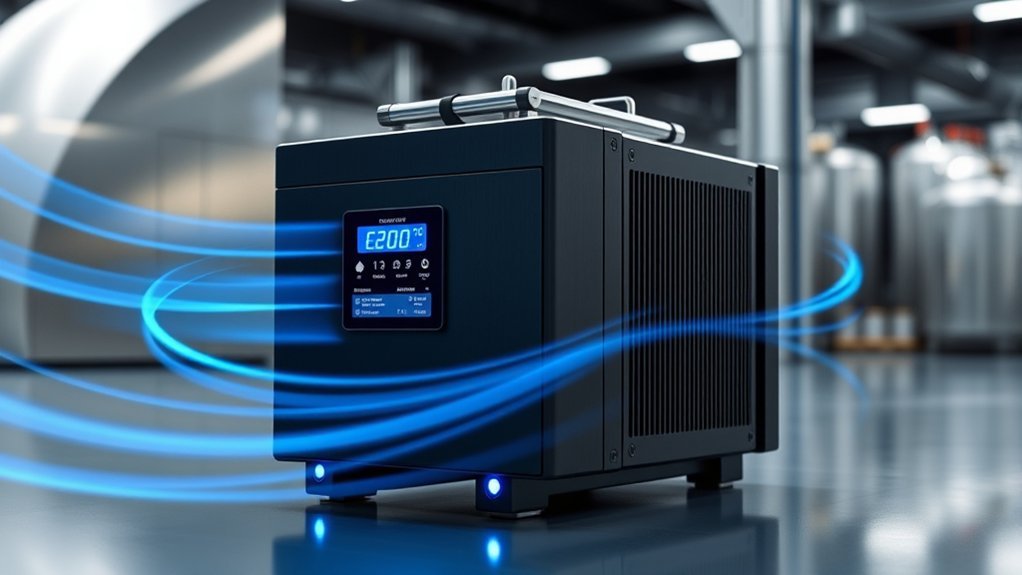
Variable speed technology offers significant advantages in air compression by dynamically adjusting motor speed to match demand, which enhances overall system efficiency. This precise control reduces energy waste and stabilizes system operation. Additionally, variable speed drives contribute to noise reduction, creating a quieter work environment by eliminating abrupt starts and stops associated with fixed-speed compressors. From a maintenance perspective, the smooth operation and reduced mechanical stress extend equipment lifespan, allowing for more predictable maintenance scheduling. This proactive approach minimizes downtime and lowers operational costs. Overall, the integration of variable speed technology improves energy efficiency, reduces noise levels, and facilitates better maintenance management, making it a strategic choice for optimizing compressor performance and operational reliability.
Factors That Affect the Efficiency of Variable Speed Compressors
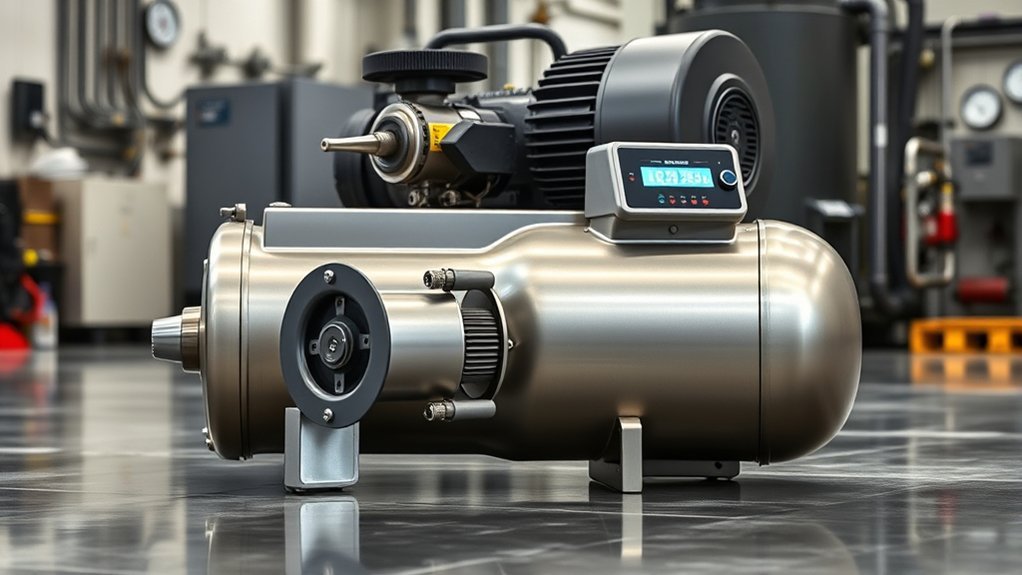
The efficiency of variable speed compressors hinges on several interconnected factors that influence their ability to adapt to changing demand while maintaining ideal performance. Key among these are mechanical and operational aspects that directly impact energy consumption and longevity.
- Lubrication issues: Inadequate lubrication increases friction, reducing efficiency and accelerating component wear. Proper lubrication ensures smooth operation and minimizes energy losses.
- Mechanical wear: Over time, mechanical wear from continuous operation degrades system components, leading to increased power consumption and potential failure.
- Control system accuracy: Precise modulation of motor speed depends on responsive control algorithms; inaccuracies can cause unnecessary energy use or system instability.
Addressing these factors is critical for optimizing compressor efficiency and extending operational lifespan.
Best Practices for Optimizing Your Variable Speed Compressor’s Performance
Enhancing the performance of a variable speed compressor requires a systematic approach that addresses both operational parameters and maintenance practices. Effective lubrication maintenance is critical; consistent oil checks and timely changes reduce friction and wear, ensuring smooth operation and energy efficiency. Proper lubrication also minimizes heat generation, preventing component degradation. Noise reduction strategies, such as vibration dampening and enclosure optimization, contribute to quieter operation, which often correlates with improved efficiency. Regular monitoring of vibration levels and sound emissions helps identify early signs of imbalance or mechanical issues. Additionally, maintaining precise control of compressor parameters—such as inlet temperature and pressure setpoints—ensures ideal energy use. Together, these practices enhance compressor longevity, performance stability, and overall efficiency.
Common Challenges in Maintaining Compressor Efficiency and How to Overcome Them
Maintaining compressor efficiency consistently presents several technical challenges that can undermine performance if not properly addressed. Key issues include equipment wear, misaligned components, and inadequate lubrication maintenance, all of which elevate energy consumption and reduce lifespan. To mitigate these challenges:
- Regular lubrication maintenance ensures minimal friction and prevents component overheating, directly supporting efficiency.
- Vibration analysis helps detect early signs of imbalance or misalignment, enabling proactive intervention before performance declines.
- Routine inspections and component calibrations maintain ideal operational parameters, reducing unexpected failures.
Addressing these challenges through systematic maintenance practices enhances reliability and sustains the effectiveness of variable speed compressors, ultimately maximizing energy use and extending equipment longevity.
How to Monitor and Measure Compressor Efficiency Effectively
To effectively monitor and measure compressor efficiency, we must implement a systematic approach that combines real-time data collection with precise analytical techniques. Continuous monitoring of parameters such as pressure, flow rate, and power consumption offers insights into operational performance. Leak detection plays a critical role, as unnoticed leaks can substantially reduce efficiency. Regularly scheduled maintenance ensures ideal functioning and early fault identification. The following table summarizes key metrics and their significance:
| Metric | Purpose | Action Needed |
|---|---|---|
| Power consumption | Detects energy inefficiencies | Analyze for abnormal increases |
| Pressure stability | Indicates system integrity | Schedule leak detection and repairs |
| Flow rate | Measures output consistency | Adjust for peak performance |
Future Trends and Innovations in Variable Speed Air Compression
Emerging control algorithms are poised to optimize compressor performance through real-time adjustments based on operational data, enhancing overall efficiency. Integration with smart technologies enables seamless communication within connected systems, facilitating predictive maintenance and automation. Additionally, advancements in energy recovery systems promise to substantially reduce energy consumption by capturing and reusing waste heat and pressure.
Advanced Control Algorithms
As advancements in control algorithms continue to evolve, the potential for optimizing variable speed air compressors becomes increasingly substantial. These algorithms enhance control stability by dynamically adjusting parameters in real-time, ensuring consistent performance amid fluctuating demands. Improved variable tuning enables the compressor to respond more accurately to load changes, minimizing energy waste. Additionally, adaptive control strategies can predict and counteract system disturbances, maintaining *ideal* efficiency. The integration of model-based predictive control further refines adjustments, reducing overshoot and oscillations. This evolution in control algorithms directly impacts energy savings and system reliability. Ultimately, these innovations are shaping a future where compressor operations are more precise, stable, and efficient, driven by sophisticated control logic that adapts seamlessly to operational variations.
Integration With Smart Technology
Advancements in control algorithms have set the stage for integrating smart technology into variable speed air compression systems, opening new avenues for operational optimization. Smart maintenance, enabled by real-time data analytics, allows for predictive diagnostics, reducing downtime and maintenance costs. By continuously monitoring compressor performance, these systems can identify inefficiencies and preempt failures before they occur. Data analytics provides insights into operational patterns, enabling more accurate adjustments to optimize efficiency and energy consumption. This integration also facilitates remote system management, ensuring rapid response to anomalies and enhancing overall reliability. As smart technology advances, we can expect further automation and refined control strategies, making variable speed compressors more intelligent, efficient, and adaptable to evolving industrial demands.
Energy Recovery Systems
How can energy recovery systems revolutionize the efficiency of variable speed air compressors in the future? By capturing and repurposing waste energy, these systems considerably reduce energy consumption and enhance sustainability. They can harness heat generated during compression, converting it into usable thermal energy, often powered by renewable energy sources. This process not only improves overall efficiency but also contributes to noise reduction, minimizing operational disturbances. Key innovations include:
- Integration of heat exchangers for thermal energy recovery, boosting energy reuse.
- Use of renewable energy sources to power recovery systems, decreasing reliance on grid power.
- Advanced noise reduction techniques, lowering sound emissions and improving work environment quality.
These advancements promise a more energy-efficient, environmentally friendly, and quieter operation for future variable speed air compressors.
Frequently Asked Questions
How Does Ambient Temperature Impact Variable Speed Compressor Efficiency?
Ambient temperature affects variable speed compressor efficiency by influencing ambient cooling, which impacts heat dissipation and system performance. Temperature regulation guarantees effective cooling, reduces energy consumption, and maintains ideal operation, especially in fluctuating environmental conditions.
What Are the Most Common Reasons for Compressor Downtime?
We often face downtime due to subtle lubrication issues and power fluctuations, which quietly disrupt compressor performance. These factors highlight the importance of meticulous maintenance and stable power supply to guarantee reliable, efficient operation.
How Does Compressor Size Influence Energy Savings?
We find that larger compressor capacity often increases energy consumption during low demand periods, reducing efficiency. Conversely, appropriately sized compressors optimize capacity, lowering energy use and enhancing overall operational efficiency, especially when combined with variable speed controls.
Are There Specific Industries That Benefit Most From Variable Speed Technology?
We see industries like manufacturing, healthcare, and automotive benefit most from variable speed technology, as it optimizes energy consumption and delivers significant cost savings by adjusting compressor output to real-time demand efficiently.
What Maintenance Intervals Maximize Efficiency Longevity?
We find that regular lubrication practices every 500 hours and prompt filter maintenance every 2,000 hours optimize efficiency and prolong compressor lifespan, ensuring smooth operation and minimizing downtime through diligent, scheduled maintenance intervals.
Conclusion
In summary, adopting variable speed air compressors can reduce energy consumption by up to 35%, considerably lowering operational costs and environmental impact. As technology advances, integrating smart controls and real-time monitoring will further enhance efficiency and predictive maintenance capabilities. Embracing these innovations not only optimizes performance but also future-proofs your operations against evolving industrial demands, ensuring sustainability and cost-effectiveness in the long run.