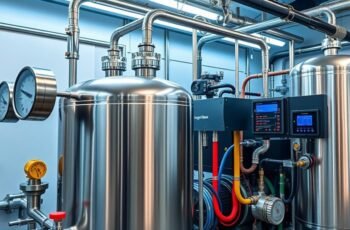
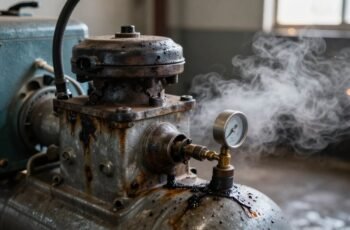
When operating air compressors, ensuring proper personal protective equipment (PPE) is a critical safety measure that cannot be overlooked. We recognize the hazards involved, from high-pressure releases to debris and noise, which can cause serious injuries if not properly protected against. By adhering to established PPE requirements, we not only safeguard ourselves but also maintain compliance with safety standards. To effectively minimize risks, it’s essential to explore the specific PPE needed and best practices for their use.
Key Takeaways
- Wear eye and face protection, such as safety goggles or face shields, to guard against debris and high-pressure releases.
- Use properly fitted hearing protection, like earplugs or earmuffs, to reduce noise exposure during compressor operation.
- Don appropriate gloves and protective clothing to prevent injuries from hot surfaces, impacts, or chemical hazards.
- Utilize respiratory protection, such as masks or respirators, to ensure clean air intake and prevent inhalation of contaminants.
- Regularly inspect, clean, and store PPE properly to maintain its effectiveness and ensure compliance with safety standards.
Why PPE Is Critical When Operating Air Compressors
Because air compressors operate under high pressure and can generate hazardous debris or noise, wearing proper personal protective equipment (PPE) is crucial for safety. PPE helps maintain ideal air quality, reducing the risk of inhaling contaminants or particulate matter that can compromise health. Proper equipment calibration ensures the compressor functions correctly, preventing dangerous pressure fluctuations or leaks that could cause injury. Consistent use of PPE also minimizes exposure to loud noise levels, protecting hearing and reducing fatigue. By prioritizing PPE, we uphold safety standards, mitigate risks associated with equipment malfunction, and preserve overall air quality in the work environment. These measures are essential for ensuring safe, efficient operation and safeguarding personnel from preventable hazards.
Essential Eye and Face Protection for Air Compressor Work
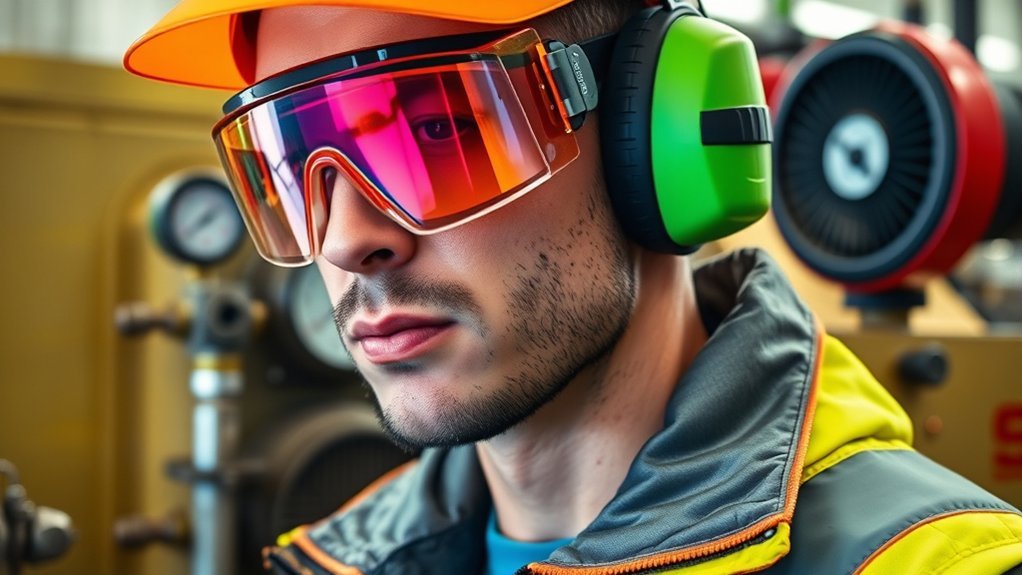
When operating air compressors, protecting the eyes and face from potential hazards is a top priority. Proper eye protection, such as safety goggles or safety glasses, is essential to shield against flying debris, dust, and compressed air blasts. Face shields provide an added layer of defense, especially during tasks involving high-pressure release or potential fluid splashes. These PPE items must meet relevant safety standards to guarantee maximum effectiveness. We emphasize that eye protection should be worn at all times in the work area, regardless of the task, to prevent injuries that can cause permanent vision loss. Face shields should be used in conjunction with eye protection when working in environments with increased risk. Maintaining proper PPE usage minimizes injury risk and ensures a safer working environment.
Protecting Your Hearing: Ear Protection Options
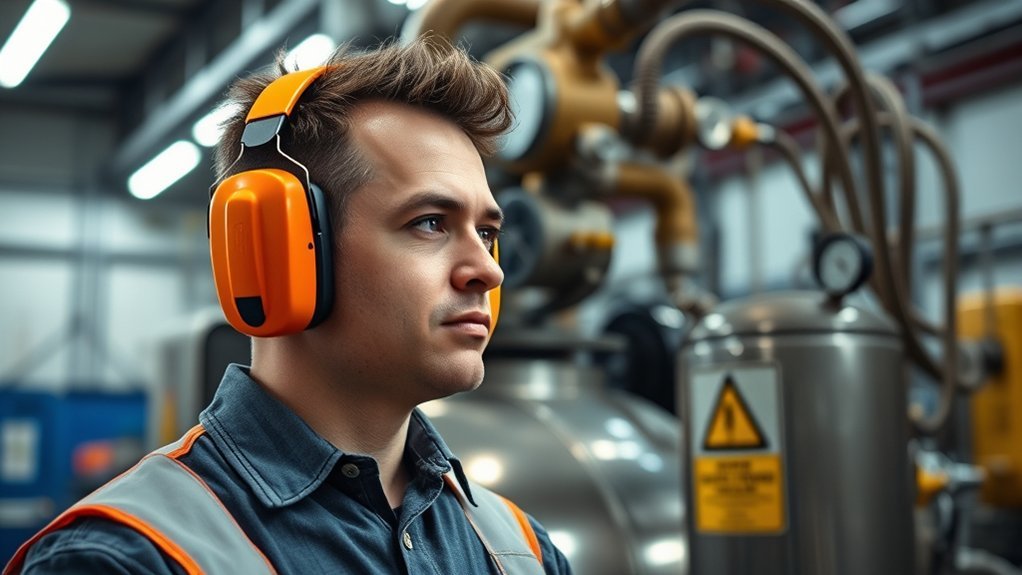
To effectively safeguard our hearing while working with air compressors, selecting appropriate ear protection is crucial. Proper earplugs play an essential role in hearing conservation by reducing noise exposure to safe levels. Earplug materials—such as foam, silicone, or wax—offer varying degrees of noise reduction and comfort, enabling us to choose the best fit for our environment and preferences. High-quality ear protection minimizes the risk of noise-induced hearing loss, a common concern in compressed air work. Implementing effective hearing conservation strategies includes consistently wearing well-fitted earplugs during compressor operation. By prioritizing suitable ear protection options, we guarantee our hearing remains protected while maintaining productivity and safety standards in the workplace.
Safety Gloves and Clothing to Prevent Injuries From Air Compressors
Wearing appropriate safety gloves and clothing is essential for preventing injuries during the operation and maintenance of air compressors. Adhering to industrial safety protocols and PPE standards is vital to protect workers from cuts, abrasions, and burns. Proper gloves, such as leather or rubber, prevent direct contact with moving parts or hot surfaces. Safety clothing, including flame-resistant shirts and durable pants, shields against unexpected splashes or debris.
| Risk | PPE Solution |
|---|---|
| Cuts and abrasions | Heavy-duty gloves |
| Burns from hot surfaces | Flame-resistant clothing |
| Debris impact | Durable, fitted workwear |
| Chemical exposure | Protective sleeves and aprons |
Managing Respiratory Risks With Proper Masks and Respirators
Selecting the appropriate masks and respirators is vital for effective respiratory protection against air compressor hazards. Ensuring proper fit and comfort maximizes protection and encourages consistent use, while regular maintenance and correct storage preserve mask integrity. Addressing these points is essential for managing respiratory risks effectively.
Proper Mask Selection
Choosing the appropriate mask or respirator is vital for effectively managing respiratory risks when operating air compressors. Selecting the right device depends on understanding mask materials and their impact on filtration efficiency. High-quality masks utilize materials capable of filtering out fine particles and contaminants present in compressed air environments. It is important to evaluate the filtration efficiency of masks, guaranteeing they meet industry standards for airborne particle removal. Proper mask materials, such as specialized fabrics or filter media, provide a reliable barrier against harmful particulates. By prioritizing masks with proven filtration efficiency and durable materials, we can enhance respiratory protection, reduce health risks, and comply with safety regulations. Accurate mask selection is fundamental to maintaining a safe working environment around air compressors.
Fit and Comfort
How well a mask fits and its comfort level are essential factors in guaranteeing effective respiratory protection when working with air compressors. An ergonomic design ensures the mask contours securely to the face, minimizing gaps that could compromise safety. Proper fit prevents air leaks and enhances filtration efficiency, while comfort encourages consistent wear, reducing the likelihood of removal during critical tasks. Clothing flexibility also plays a crucial role, allowing users to move freely without discomfort or restriction. A well-designed mask should accommodate various facial structures and permit natural movements, ensuring continuous protection without impeding productivity. Prioritizing fit and comfort not only maximizes respiratory safety but also promotes adherence to PPE protocols, safeguarding workers from inhalation hazards associated with compressed air operations.
Maintenance and Storage
Proper maintenance and storage of respiratory protective equipment are essential to guarantee ongoing efficacy and safety. Regular air compressor maintenance ensures that filters and regulators function correctly, preventing contaminants from compromising mask integrity. Proper storage safety involves keeping masks in a clean, dry environment away from direct sunlight and chemicals, which can degrade materials over time. We must inspect masks routinely for signs of wear, such as cracks or deterioration, and replace damaged components immediately. Effective storage also involves storing masks in sealed containers to prevent dust and debris buildup. By adhering to these practices, we enhance the durability of PPE and maintain ideal respiratory protection. Ultimately, meticulous maintenance and storage safeguard workers from respiratory risks associated with compressed air systems.
How to Detect and Protect Against Compressed Air Leaks
Have you ever considered how undetected compressed air leaks can compromise safety and efficiency in your operations? Air leak detection is essential for maintaining ideal compressor performance and reducing energy costs. Identifying leaks early involves systematic inspections using ultrasonic leak detectors or soapy water solutions to pinpoint escaping air. Implementing leak prevention techniques, such as regular maintenance checks and upgrading to higher-quality fittings, minimizes potential leak sources. Ensuring tight connections and promptly repairing any identified leaks prevents unnecessary energy loss and potential hazards. By proactively monitoring for leaks, you not only improve operational efficiency but also safeguard your personnel from hazards associated with high-pressure air. Consistent air leak detection and leak prevention are fundamental components of a thorough compressor safety and maintenance program.
Proper Use and Maintenance of PPE for Long-Term Safety
Maintaining the integrity of PPE through regular inspections and timely replacements is essential for long-term safety. Proper cleaning and storage prevent deterioration and guarantee equipment remains effective. We must prioritize these practices to uphold protective standards consistently.
Regular Inspection and Replacement
Regular inspections and timely replacements are essential to guarantee PPE remains effective and safe for long-term use. Consistent checks allow us to verify that equipment calibration remains accurate, ensuring peak performance and safety standards. During inspections, hazard identification is critical; we must assess for signs of wear, damage, or deterioration that could compromise PPE’s protective qualities. Promptly replacing worn or damaged gear prevents accidents and maintains compliance with safety regulations. Establishing a routine inspection schedule helps us detect issues early, reducing the risk of failure during critical operations. Properly maintained PPE not only safeguards workers but also extends equipment lifespan, emphasizing the importance of diligent inspection and replacement practices in maintaining a safe work environment.
Proper Cleaning and Storage
Proper cleaning and storage of PPE are essential to preserving its protective integrity and ensuring long-term safety. Effective cleaning routines eliminate contaminants that can degrade materials or compromise fit, while proper storage solutions prevent damage and extend PPE lifespan.
- Regularly clean PPE according to manufacturer guidelines, using appropriate disinfectants and avoiding harsh chemicals.
- Store PPE in a cool, dry place away from direct sunlight, chemicals, or physical damage.
- Use designated containers or storage areas to keep PPE organized and protected from dust and contaminants.
Adhering to these practices maintains PPE’s effectiveness, reduces the risk of contamination, and supports consistent safety standards. Proper maintenance is integral to the ongoing protection of users and the overall safety program.
Training and Best Practices for Safe Air Compressor Operation
To guarantee safe operation of air compressors, thorough training and adherence to best practices are essential. Proper training ensures operators understand hazard awareness and meet air compressor certification standards. Regular instruction emphasizes safe start-up, shut-down procedures, and emergency protocols. Best practices include inspecting equipment before use, maintaining proper PPE, and monitoring pressure levels. Continuous education fosters hazard awareness, reducing accident risks. Here is a visual overview:
| Training Focus | Best Practices | Certification & Safety Standards |
|---|---|---|
| Hazard identification | Routine equipment inspection | Completing air compressor certification |
| Emergency procedures | Maintaining PPE and safety zones | Adhering to industry safety standards |
| Operation protocols | Proper pressure regulation | Ensuring ongoing hazard awareness |
| Maintenance procedures | Documenting inspections | Continuous safety training |
Implementing these practices upholds safety and compliance.
Frequently Asked Questions
Are There Specific PPE Requirements for Different Types of Air Compressors?
Different air compressors demand specific PPE, including protective clothing and noise protection, to guarantee safety. We recommend evaluating each compressor’s unique hazards, implementing appropriate PPE, and adhering to safety standards for effective protection.
How Often Should PPE Be Inspected and Replaced During Compressor Use?
We recommend inspecting PPE daily before use and replacing damaged items immediately. Proper PPE storage and ongoing PPE maintenance are essential to guarantee safety, prevent deterioration, and maintain the PPE’s protective integrity during compressor operation.
What Are the Legal PPE Standards for Air Compressor Operation?
We adhere to OSHA and ANSI standards for PPE in compressor operations, emphasizing hazard identification and risk mitigation to safeguard workers. Compliance guarantees legal safety requirements are met, prioritizing health and safety in all operational procedures.
Can PPE Be Reused or Must It Be Disposed of After Use?
We can reuse PPE after proper cleaning and inspection, ensuring it remains effective. We also store PPE correctly to prevent contamination, adhering to safety standards that emphasize PPE cleaning and storage protocols to maintain safety and compliance.
Are There Special Considerations for PPE in Confined Space Air Compressor Work?
In confined spaces, PPE must prioritize protection against respiratory hazards, guaranteeing proper fit and filtration. We emphasize meticulous inspection and adherence to safety standards, recognizing the critical need for specialized equipment to prevent hazardous inhalation and ensure worker safety.
Conclusion
In summary, adhering to PPE requirements when operating air compressors is essential for our safety and well-being. By consistently wearing proper eye, face, hearing, and body protection, and maintaining our equipment diligently, we can prevent injuries and hazards. Like vigilant knights of yore, we must be prepared and well-informed—training and best practices are our armor. Let’s commit to these standards to ensure a secure and efficient working environment for all.