Are we ready to assess whether the XtremepowerUS 13.0HP Air Compressor Tank 30 Gallon Gas-Powered Service Truck Horizontal Compressor Tank for Workshop, Construction Sites, Machinery is the right heavy-duty compressor for our needs?
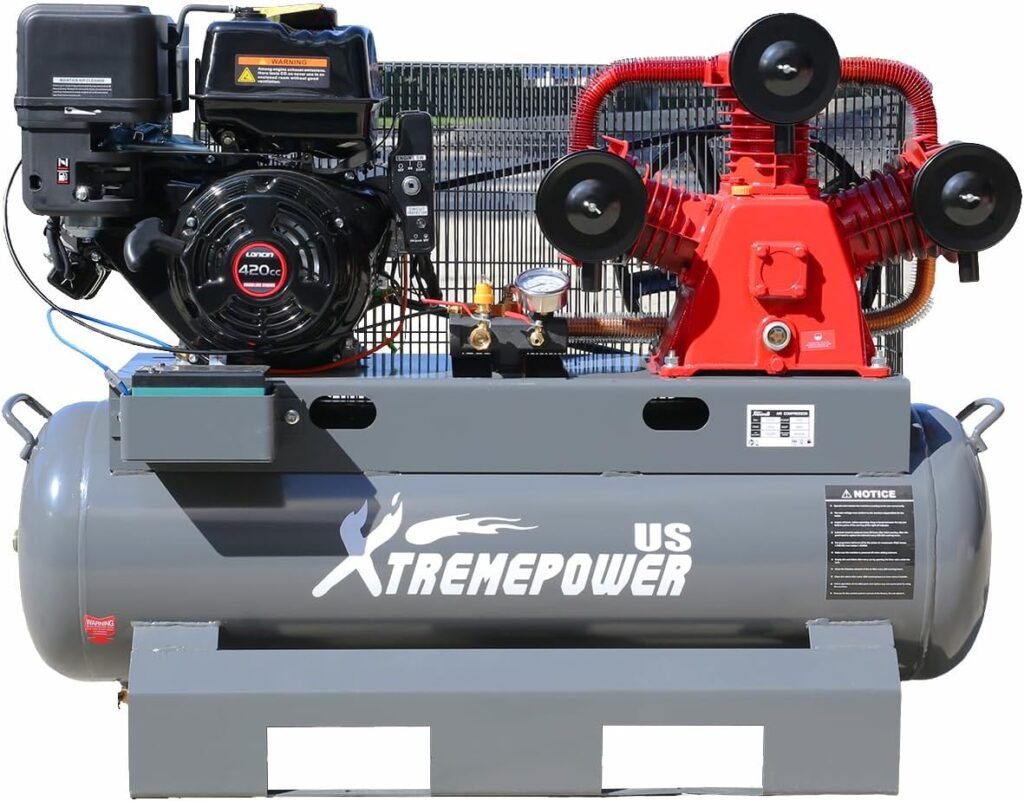

Product Overview
We want a compact but powerful compressor that can handle mobile, industrial, and workshop demands, and this XtremepowerUS unit positions itself exactly there. The package focuses on a cast-iron pump, gas-powered drive, and a 30-gallon horizontal tank designed specifically with service trucks and contractors in mind.
What this product is meant to do
We expect continuous or intermittent compressed air delivery for tools, tire inflation, and other pneumatic needs when electric hookup may not be available. The unit aims to provide a balance between portability (truck-mountable) and industrial durability so that we can use it in construction, agriculture, and field service work.
Who this product suits best
We see this compressor fitting service truck operators, contractors who move between job sites, and small-to-medium shops that need a gas-powered backup or primary compressor. It also works for agricultural operators and ranchers who need reliable air pressure where grid power isn’t convenient.
Specifications and Key Technical Data
We like clear, compact specifications to quickly understand capabilities and compatibility. Below is a table with the core specs based on the product description and typical interpretation for this class of compressors.
| Specification | Detail |
|---|---|
| Product Name | XtremepowerUS 13.0HP Air Compressor Tank 30 Gallon Gas-Powered Service Truck Horizontal Compressor Tank for Workshop, Construction Sites, Machinery |
| Pump Type | Two-stage cast-iron pump, individual removable cylinders |
| Drive | Gas-powered, can be direct-driven or belt driven via pulleys |
| Engine Power | 13.0 HP (gas engine) |
| Tank Capacity | 30 gallon horizontal tank |
| Typical Applications | Service trucks, construction, agriculture, auto body shops, mobile repair |
| Cylinders | High-efficiency cast-iron cylinders with cast cylinder sleeves |
| Cooling | Cast iron flywheel with extended fins for improved cooling |
| Mounting | Designed for truck bed mounting and service vehicle installation |
| Construction Material | Primarily cast iron pump components |
| Maintenance | Removable cylinders for easier serviceability |
| Common Uses | Pneumatic tools, inflation, spraying, cleaning, equipment operation |
We find the table useful when comparing the unit to other compressors or when verifying fitment into a truck bed or service rack.
Design & Build Quality
We appreciate that the pump and many working parts are cast iron because that material typically means longevity and resistance to wear. The cast iron flywheel with large extended fins suggests a design intention to keep the pump cooler during prolonged use.
Pump Construction Details
We like that the pump uses individual removable cylinders, which makes it easier to service and replace parts without disassembling the entire head. That modular design tends to reduce downtime and lowers the complexity of field repairs.
Materials and Finish
We notice the iron construction with cast cylinder sleeves, which typically maintains rigid tolerances for efficiency and durability. The physical build looks aimed at resisting the heavier stresses of service truck and contractor use rather than light-duty shop work.
Pump and Motor Characteristics
We expect a two-stage cast iron pump to deliver more stable pressure and better efficiency for sustained demands compared to single-stage pumps. The 13.0 HP gas engine provides a healthy amount of displacement for compressing air into a 30-gallon tank in a reasonable time.
Two-Stage Advantages
We like that two-stage pumps compress in stages, which reduces inter-stage temperatures and generally yields better performance and longevity. For applications that demand repeated or continuous blow-off cycles, the two-stage design helps keep temperatures and stress lower.
Engine and Drive Options
We value the flexibility to either direct drive or run belt-driven via pulleys from the motor, because that lets us match the installation to space and performance needs. For truck bed installations, the right pulley configuration often improves compatibility with available engines or mounting arrangements.

Mounting and Portability
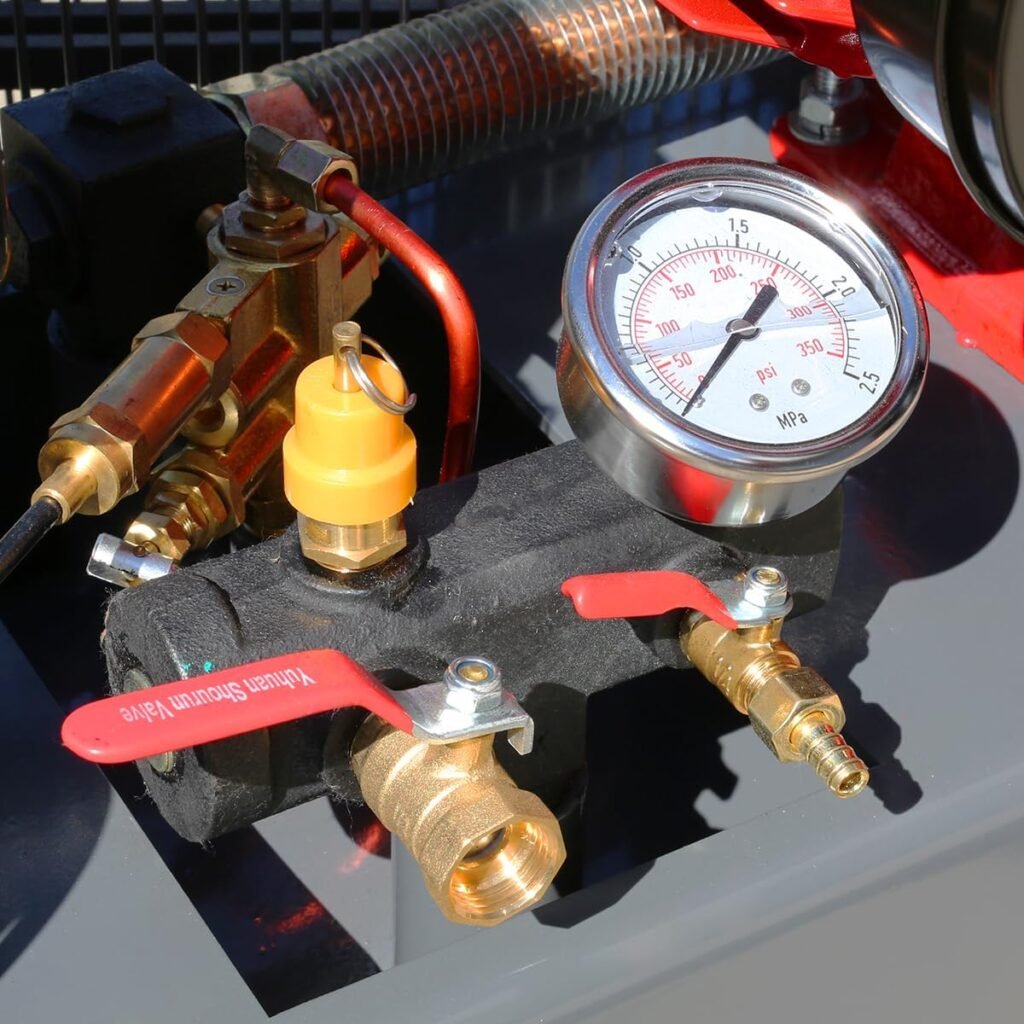
We think truck bed mountability is a major selling point for this model, since it’s designed specifically for service trucks and mobile mechanics. A 30-gallon horizontal tank keeps the center of gravity low and generally makes it easier to secure in a vehicle bed compared to taller vertical tanks.
Truck Bed Installation Considerations
We recommend measuring truck bed dimensions, tie-down points, and available space for the engine, hoses, and exhaust before buying. The compressor’s footprint and mounting holes should be confirmed so that we can plan for secure bolting and proper clearances around moving or hot parts.
Portability and Weight
We recognize that a cast-iron pump and a 30-gallon tank will add considerable weight; however, the unit is intentionally built for being stationary on a service vehicle rather than for frequent off-loading. When we plan to install it, we should account for weight distribution on the vehicle to avoid stability or legal load-limit issues.
Performance
We want to understand how the unit behaves under real-world loads rather than just on paper, so we consider metrics like SCFM at various PSI, recovery time, and how the pump handles cyclical versus continuous use. The two-stage pump and 13 HP motor are designed to give a stronger and steadier output for tools which we expect to demand medium-to-high airflow.
Air Delivery and Pressure
We look for the compressor to deliver sufficient SCFM (standard cubic feet per minute) at typical tool pressures—often 90-110 PSI for many pneumatic tools. The two-stage pump will usually support higher usable cylinder pressure and better recovery for repeated tool use, which is important on job sites.
Recovery Time and Tank Size Implications
We appreciate that a 30-gallon tank provides a buffer for short bursts and intermittent tool use, but for sustained operation with multiple tools running simultaneously, we know a larger airflow capacity (higher SCFM) is more critical than just tank size. The tank helps reduce short cycling and offers reserve capacity during peak demand.
Duty Cycle and Cooling
We expect the cast iron flywheel with extended fins to help reduce operating temperatures during heavy runs, which improves duty cycle performance. Cast-iron cylinders also dissipate heat differently compared to aluminum, and the heavier construction helps with thermal inertia and wear resistance.
Noise and Vibration
We know that gas-powered compressors tend to be noisier than electric units, especially when mounted on a truck where exhaust and engine noise add to overall levels. The cast-iron construction and heavier flywheel can reduce high-frequency vibrations, but we still recommend vibration isolation mounts and some noise mitigation if we’re working near residential areas or inside service bays.
Typical Noise Level Expectations
We expect elevated decibel levels during operation, particularly under load. Providing hearing protection for nearby workers and selecting quieter routing for the unit in a vehicle will help manage noise-related concerns.
Vibration Management
We suggest rubber or elastomeric mounts when bolting the compressor down to minimize transmitted vibration to the vehicle or rack. Consistent vibration isolation also reduces fatigue on piping, fittings, and adjacent equipment.
Installation & Setup
We find installation to be an area where preparation matters most: measuring clearances, aligning pulleys (if belt-driven), and ensuring fuel and exhaust routing is safe and code-compliant. Our setup steps should prioritize secure mounting, correct belt tension, and proper engine ventilation.
Mounting on Truck Bed
We usually bolt the unit to predrilled mount points and use reinforced brackets to handle dynamic loads during transport. We also recommend securing fuel lines, throttle linkages, and any electrical connections so they don’t rub or chafe against the vehicle body.
Alignment and Belt Tension
If using belt drive, proper alignment and tension are critical for efficient power transfer and reducing premature wear. We prefer to recheck belt tension after the first few hours of operation since belts tend to settle and stretch slightly after initial use.
Exhaust and Ventilation
Because this is a gas-powered unit, exhaust routing must be planned to prevent fumes from entering the truck cab or work areas. We advise routing exhaust away from operators and installing shields or deflectors if necessary.
Break-In and Initial Operation
We think a controlled break-in period prolongs the life of cast-iron pumps and engines alike, so we plan to follow a gradual ramp-up routine. During this time, we monitor for leaks, unusual noises, and any abnormal temperature or vibration patterns.
Recommended Break-In Procedure
We advise running the compressor under light to moderate load for the first several hours, checking oil levels and belt tension frequently. After the initial hours, we inspect for any loose fasteners or fingerprints of overheating, then gradually increase the operational load.
First-Use Checklist
We always confirm oil and fluid levels, check for leaks, confirm all fasteners, and test safety relief valves before committing to full-duty service. This helps prevent early damage and ensures safety components are functioning.
Maintenance & Serviceability
We appreciate that this model highlights removable cylinders and cast-iron construction, both of which make long-term maintenance simpler if we follow a consistent schedule. The more accessible the common wear parts, the less downtime we face when servicing in the field.
Routine Maintenance Tasks
We plan to check and change oil on the pump and engine, inspect belts and pulleys, clean or replace air filters, and test pressure relief valves at regular intervals. Regular inspections of hoses, couplings, and tank condition will help us catch problems before they become failures.
Typical Service Intervals
We typically change oil after the manufacturer-recommended break-in period, then follow a routine schedule (for example, every 100-250 hours depending on the engine and pump). Air filter checks should be performed more frequently when working in dusty or dirty environments.
Parts and Repairability
We value the removable cylinder design because it reduces the need to replace the whole head assembly for common failures. We also expect replacement parts like valves, rings, and gaskets to be readily available from aftermarket suppliers for this common pump architecture.
Safety Considerations
We always prioritize safety when dealing with pressurized air and gas engines, so we pay attention to tank condition, relief devices, and proper fuel handling. Operational safety keeps our team protected and prevents costly incidents.
Pressure Vessel Safety
We check the tank for corrosion and ensure pressure relief valves are installed and functional. Periodic tank inspections, and pressure vessel testing where required by local regulations, are essential for safe operation.
Fuel and Exhaust Safety
We ensure proper fuel storage, routing, and engine ventilation to prevent fire hazards or carbon monoxide exposure. We recommend keeping a CO detector in enclosed areas where the unit may run and following local codes for engine exhaust discharge.
Operational Safety Practices
We train operators to never modify or bypass safety devices, to keep connections tight and leak-free, and to depressurize and isolate the tank before performing maintenance. Proper PPE and safe operating procedures are part of routine use.
Applications & Use Cases
We find the XtremepowerUS 13.0HP 30-gallon compressor fits a variety of real-world applications from mobile repair and farm work to job site tool supply. Below are common scenarios where this model proves useful.
Construction & Job Sites
We can use the compressor to operate impact wrenches, framing nailers, and air hammers where power sources are variable or distant. The gas engine allows us to place the compressor where it’s most convenient without relying on temporary electrical generators.
Service Trucks & Mobile Repair
We consider this model ideal for service trucks due to the truck-bed mounting design and practical tank size. For roadside tire service, equipment repair, and mobile welding air supply, the ability to generate compressed air on-site is invaluable.
Agricultural & Farm Use
We use compressors in agricultural settings for powering sprayers, air tools, and inflating tires or equipment. The unit’s rugged design and independence from grid power make it well-suited to outbuildings and field operations.
Industrial & Light Manufacturing
While this unit isn’t a replacement for large stationary shop compressors, we see it as a good auxiliary or backup for medium-duty industrial tasks and temporary installations where a portable, gas-driven system is needed.
Pros and Cons
Weighing advantages and trade-offs helps us decide whether the unit fits our priorities. The combination of cast-iron construction, truck-bed compatibility, and gas-powered mobility provides a clear value proposition, while noise, weight, and tank size are the main considerations to balance.
Pros
- Rugged cast-iron pump and cylinder sleeves that increase durability and longevity. We expect fewer replacements and better wear handling over time.
- Designed specifically for truck-mounting which simplifies mobile installations. We get a product that fits our service truck needs without extensive customization.
- Two-stage pump offers better pressure stability and reduced inter-stage temperatures. This results in more reliable performance under repeated loads.
- Removable cylinders for easier maintenance and reduced downtime. We can service common faults without extensive disassembly.
- Flexibility to be direct-driven or belt-driven to suit installation needs. That helps in adapting the unit to various engine arrangements.
Cons
- Noticeable noise and vibration typical of gas-powered compressors may require mitigation. We will likely need mounts and possible sound shielding in sensitive environments.
- Weight and size mean the unit is less portable for frequent offloading from trucks. It is intended to stay mounted rather than serve as a handheld or frequently moved compressor.
- A 30-gallon tank may be limiting for prolonged multi-tool operation without a higher SCFM rating. For sustained heavy use, we might prefer an additional larger compressor or a higher-capacity model.
- Gas engines require fuel management, exhaust routing, and extra safety steps compared to electric models. That adds operational complexity and the need for fuel storage and planning.
Comparison with Similar Models
We like to consider how this compressor stacks up relative to electric shop compressors and other truck-mounted gasoline units. Below is a simplified comparison to two conceptual alternatives: a stationary electric compressor and a lighter portable gas compressor.
| Feature | XtremepowerUS 13.0HP 30 Gal (this unit) | Stationary Electric 60 Gal | Small Portable Gas 20 Gal |
|---|---|---|---|
| Motor Type | Gas 13.0 HP | Electric (10-15 HP equivalent) | Gas (5-8 HP) |
| Tank Size | 30 Gal | 60 Gal | 20 Gal |
| Mounting | Truck bed / Mobile | Stationary | Portable |
| Best Use Case | Mobile service, job sites | Central shop, continuous heavy use | Light mobile tasks, occasional field work |
| Noise Level | High | Moderate (depends on enclosure) | High |
| Portability | Designed to mount | Not portable | Highly portable |
| Maintenance | Moderate (engine + pump) | Lower (pump only) | Moderate (engine + pump) |
We see the XtremepowerUS model as a middle ground that trades some tank capacity for mobility and pump durability. For shops requiring continuous heavy flow, a larger stationary electric compressor remains preferable; for infrequent mobile use, a lighter gas model is easier to move but may not sustain heavier tool loads.
Buying Tips and What to Check Before Purchase
We prefer to plan the installation and maintenance needs before placing an order so we can avoid surprises on delivery day. Below are practical checks and tips that help us make the right decision.
Fit and Mounting
We measure the intended mounting location in the truck bed or service compartment, including height, width, and weight-bearing points. Confirm accessory clearances for belts, pulleys, and exhaust routing before finalizing purchase.
Airflow Requirements
We calculate the required SCFM at the operating PSI for all tools we plan to run simultaneously. If our simultaneous demands exceed what the unit can reliably sustain, consider adding a secondary compressor or moving to a higher-capacity model.
Fuel and Engine Care
We include fuel system planning, such as secure storage, routing, and easy access for refueling. We also plan for engine maintenance—oil, spark plugs, and periodic tune-ups—to keep the unit reliable in the field.
Warranty and Support
We check the warranty length and what it covers for both pump and engine, as well as how exchanges or replacements are handled. Availability of local service technicians or replacement parts is especially important for minimizing downtime.
Frequently Asked Questions
We gather common questions to help clarify real-world concerns and reduce surprises during operation or ownership.
How much airflow (SCFM) can this unit deliver?
Actual SCFM will depend on engine speed, pump configuration, and ambient conditions. We recommend consulting the specific pump performance curve from XtremepowerUS or the pump manufacturer for exact SCFM at 90 and 125 PSI to match our tool needs.
Is the compressor suitable for continuous use?
The two-stage cast-iron pump and cooling fins are designed for demanding use, but continuous long-duration operation is constrained by engine cooling and fuel consumption. For truly continuous high-demand operations, stationary electric units with larger tanks or multiple compressors often perform better.
Can we mount this in any truck bed?
Most service trucks can accommodate a 30-gallon horizontal compressor, but we always measure the intended mounting area and account for ventilation, exhaust routing, and accessibility for service. Reinforced mounting points and proper tie-downs are required to handle transport forces.
What maintenance should we expect?
Routine oil changes, air filter replacement, belt inspection, and valve checks are the core tasks. We also check tank and safety relief valves, and perform periodic tightening and visual inspections for wear or leaks.
Are replacement parts readily available?
Because the pump architecture and many components follow common industrial patterns, we typically find replacement valves, gaskets, and belts through aftermarket suppliers. For engine-specific parts, we confirm availability based on the specific engine make used in the unit.
Practical Tips for Field Use
We accumulate a few practical suggestions from experience that make operating this compressor easier and safer in daily use.
- Keep a small spare parts kit on the truck including belts, basic hand tools, and a spare relief valve. We find this reduces downtime in remote jobs.
- Schedule regular short inspections after transport to ensure vibration hasn’t loosened fasteners. A quick before/after checklist saves complications later.
- Install a basic inline fuel shutoff and ensure fuel lines are routed away from exhaust or high-heat surfaces. This simple precaution reduces fire risk and complications during maintenance.
Final Verdict
We view the XtremepowerUS 13.0HP Air Compressor Tank 30 Gallon Gas-Powered Service Truck Horizontal Compressor Tank for Workshop, Construction Sites, Machinery as a solid choice for professionals who need a robust, truck-mountable compressor with a strong pump design. The cast-iron build, removable cylinders, and truck-oriented layout make it well-suited for mobile mechanics, contractors, and agricultural users who prioritize durability and on-site independence.
We recommend this compressor when mobility, ruggedness, and serviceability matter more than minimal noise or the lightest possible weight. For shops requiring continuous high-flow operation or ultra-quiet environments, a larger stationary electric compressor or a purpose-built quiet model may be preferable. However, for the common scenarios of service trucks and field work, we find this XtremepowerUS model to be a practical, dependable option.

Disclosure: As an Amazon Associate, I earn from qualifying purchases.