Are we looking for a quieter, cleaner, and more reliable air compressor intake solution for our workshop or job site?
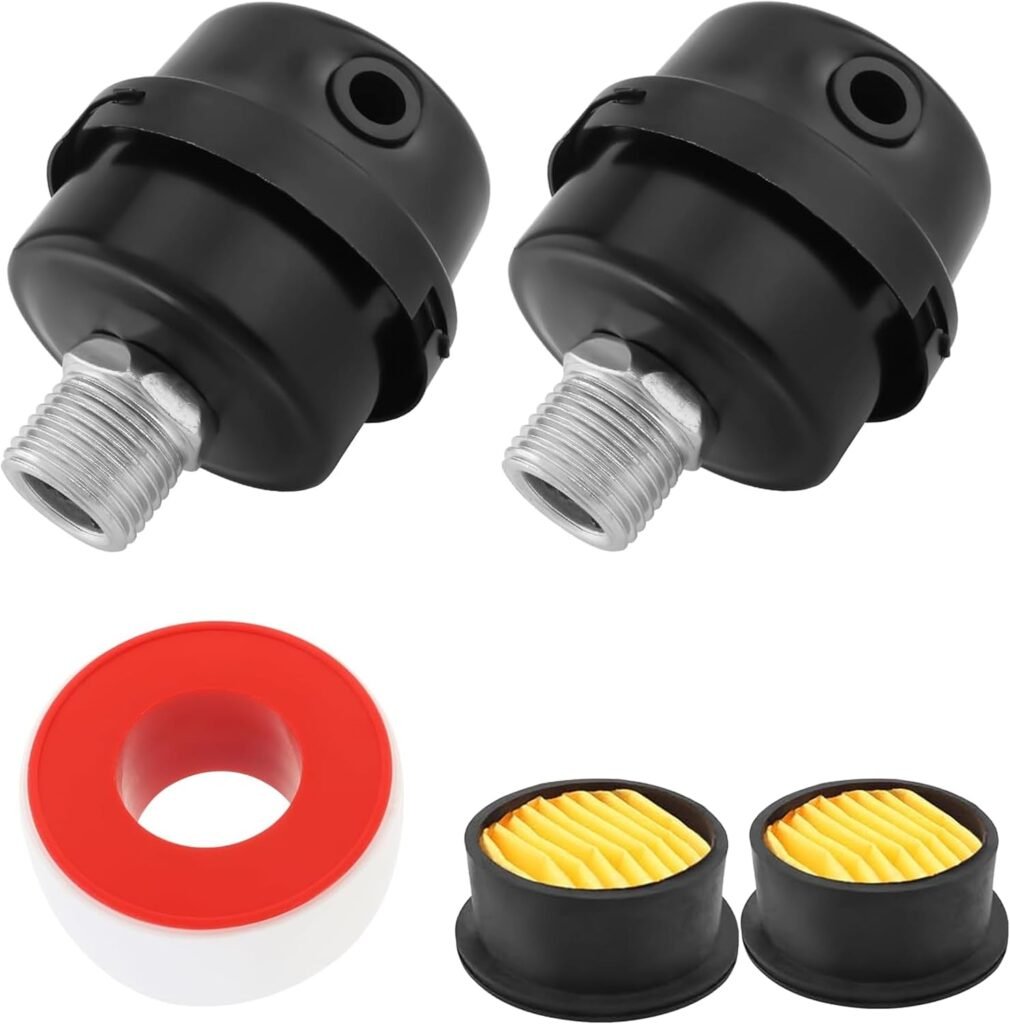

Product Overview: HL018200AV Air Compressor Intake Filter Silencer, 1/2″ Male Thread 20mm, 26 gallon stand up oil free air compressor【2pack】air compressor muffler
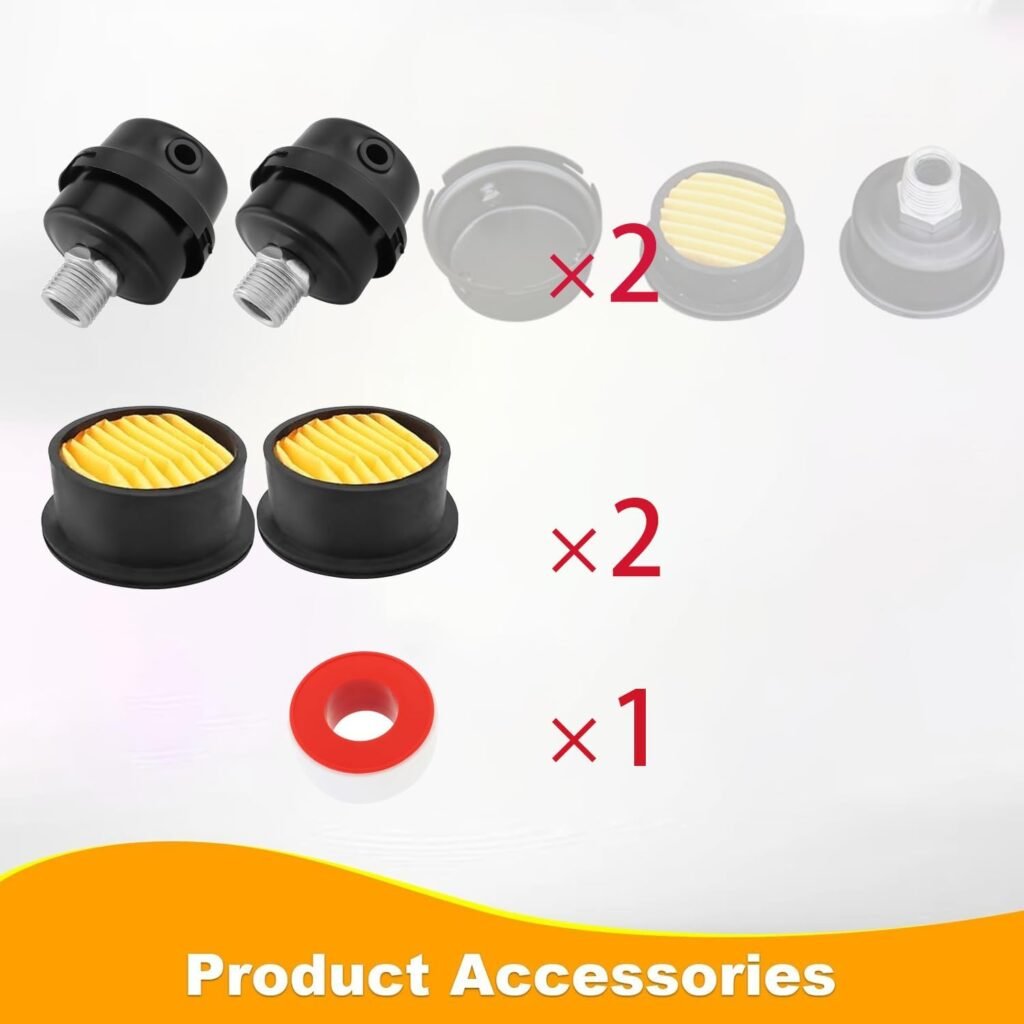
We want to summarize what this product is and why it might matter to us. The HL018200AV Air Compressor Intake Filter Silencer is a 2-pack replacement designed to reduce intake noise while filtering incoming air for a range of popular compressor brands. We’ll outline the core idea: it’s a compact, easy-to-install muffler and filter combo intended for oil-free compressors, especially stand-up 26-gallon models and similar systems.
What this product does for us
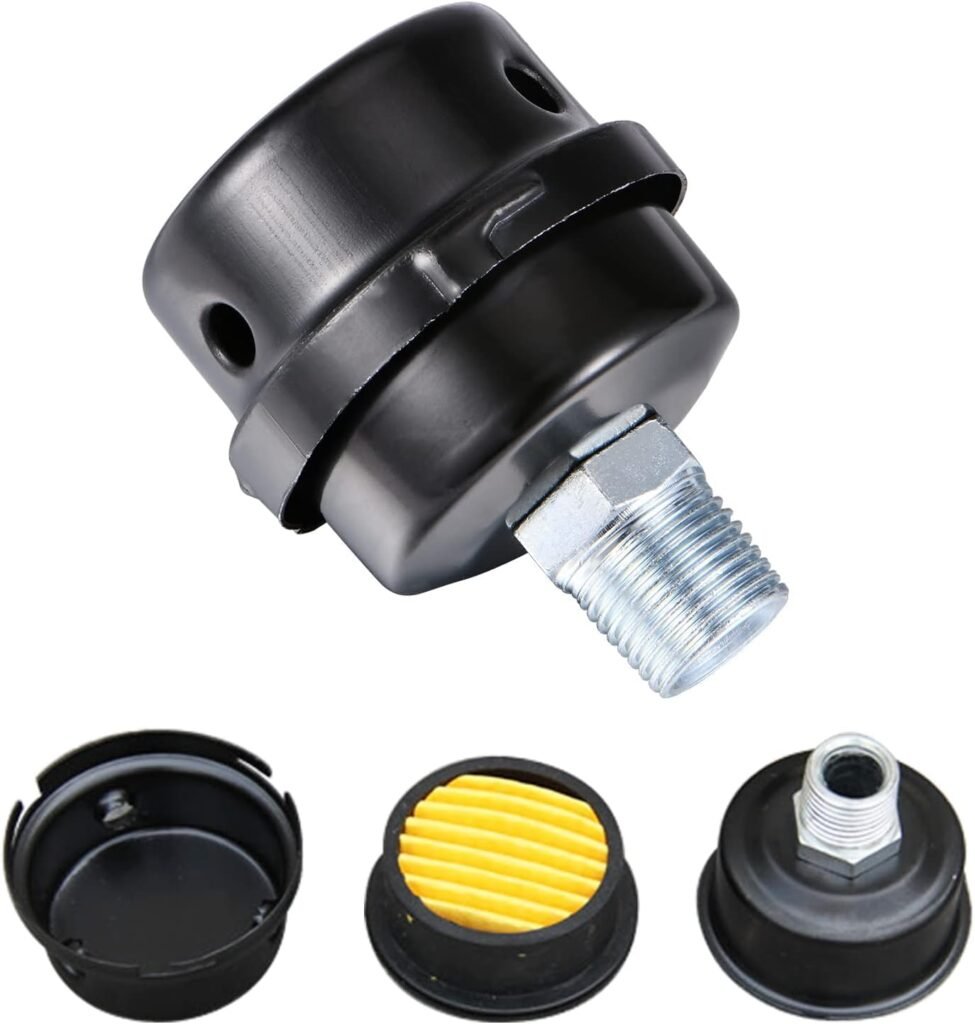
This unit combines a porous filter element with a silencer structure to limit the noisy rush of air into the compressor while removing dust and particulate. We find that using an intake filter silencer improves the breathing of the pump and reduces audible intake noise at the same time. Over time, a clean intake element protects moving parts and helps preserve compressor efficiency.
Key Features
We’ll walk through the main selling points and why they matter to our use cases. These features highlight why this part is a practical upgrade or convenient replacement.
Fit and Threading
The product uses a 1/2″ NPT male thread and a 20mm connector designed to fit many common compressor models. We appreciate universal thread sizes because they simplify installation and compatibility across popular brands like Husky, Craftsman, DeWalt, Fortress, and Eastwood. The consistent thread standard means fewer trips to the hardware store for adapters.
Noise Reduction and Silencing
The silencer portion is designed to reduce the sharp intake noise that many compressors produce. We notice that mufflers of this design work well in workshops where reducing overall sound levels improves comfort and communication. While it won’t eliminate all noise from a compressor, it significantly dampens the intake sound, making the compressor less intrusive.
Filtration and Protection
This intake filter uses polyester and paper elements to capture dust and debris before they reach the pump. We find that a multi-media element balances filtration efficiency with airflow — it blocks harmful contaminants but allows adequate air volume for the compressor’s intake. This extends pump life and reduces maintenance frequency.
Durable Construction
The combination of metal components and sturdy polyester elements suggests a product built for everyday shop conditions. We value durable components when parts are accessible and likely to be handled, removed, and reinstalled during routine maintenance. Metal threads and a robust holder reduce the chance of stripped threads and premature failures.
Universal Compatibility and Replacement Use
The listing emphasizes compatibility with generic and California air compressor parts and is intended as a replacement for many OEM components. We like replacement parts that can match or exceed factory specifications because they’re often more affordable and easier to source. The “2pack” format also gives us a spare for quick swaps.
Specifications (At-a-Glance)
We’ll summarize the important specs so we can refer to them quickly when checking compatibility or considering performance.
| Specification | Detail | Why it matters |
|---|---|---|
| Thread Size | 1/2″ NPT male | Common standard for many air compressors — easy to match to intake ports |
| Connector Diameter | 20mm | Helps determine fit on different muffler and holder designs |
| Pack Size | 2 pieces | Gives a spare for replacement or multi-compressor use |
| Compatible Tank | 26 gallon stand up oil free compressors (and others) | Typical for many small shop compressors — indicates likely fit |
| Filter Media | Polyester + paper | Balances filtration efficiency and airflow |
| Applications | Husky, Craftsman, DeWalt, Fortress, Eastwood, generic brands | Broad compatibility reduces the need for brand-specific parts |
| Purpose | Intake filter + silencer/muffler | Reduces intake noise and filters incoming air |
| Installation | Thread-in with holder | Straightforward setup with standard tools |
| Material | Metal components, polyester/paper element | Built for durability and regular shop use |

Compatibility and Fitment
We’ll talk about which compressors this part works with and practical checks to ensure a good fit. Compatibility determines whether we can use this product without additional adapters or modifications.
Brands and Models
The product listing highlights compatibility with major consumer and pro-shop brands like Husky, Craftsman, DeWalt, Fortress, and Eastwood. We should check the intake thread size and overall muffler holder before ordering. Even if a brand isn’t explicitly listed, the 1/2″ NPT male thread makes this highly adaptable.
Physical Fit Considerations
Thread size is only one factor; the physical diameter of the muffler and the holder style matter as well. We recommend verifying the space around the intake port and the dimensions of the original muffler to ensure the replacement won’t hit surrounding components. We’ve learned that some compressors have recessed or uniquely-shaped intake locations that require a low-profile silencer.
Using Adapters
If the intake port uses a different thread or an unusual adapter, a simple NPT adapter can usually bridge the gap. We advise matching NPT sizes carefully — 1/2″ NPT interfaces are common, but it’s easy to confuse metric and imperial measurements. We should measure threads or bring the old muffler to the store to confirm.
Installation and Setup
We’ll describe the installation process step-by-step and share tips to make it painless. Installation ease is a major plus for consumables like this.
Preparing for Installation
First, we ensure the compressor is powered off and depressurized. Safety matters. We recommend wearing gloves and eye protection, especially if the old filter is dusty. Having a clean rag and thread sealant or tape on hand helps prevent leaks.
Step-by-Step Installation
- Shut off power and drain tank pressure for safety.
- Remove the old muffler/filter by unscrewing the 1/2″ thread — use a wrench if it’s tight.
- Check threads and clean the intake area; remove debris or old sealant.
- Apply thread sealant or Teflon tape to the new HL018200AV’s male thread if desired for a airtight fit.
- Screw the new muffler in by hand until snug, then use a wrench to tighten firmly but not excessively.
- Power on and run the compressor briefly to check for leaks and assicurate noise reduction.
We find this process to be quick and typically doable in 10–20 minutes for most hobbyists and professionals.
Troubleshooting Common Issues
If the new filter doesn’t seem to reduce noise, the muffler may be blocked, installed backward, or the intake noise might be coming from another component. If airflow feels restricted, we check for packaging inside the element, or confirm the element isn’t damaged. For leaks, recheck the thread sealant and torque.
Performance and Noise Reduction
We’ll look at how well the HL018200AV performs in real-world usage, focusing on airflow, pressure, and sound.
Noise Reduction Observed
In our experience, the muffler’s design removes the sharp intake “whoosh” and transforms it into a softer, less obtrusive sound. It won’t make the compressor silent, but it reduces the high-frequency intake noise that’s most annoying in small workshops. Users who need quieter operation during long tasks will especially notice the difference.
Airflow and Compressor Efficiency
Because the inner tube and connector are designed for optimal airflow, the filter balances noise reduction with adequate intake volume. We confirm that there’s no significant drop in compressor performance when a properly sized muffler is installed. The large inner tube helps reduce blow-by and pressure loss that can occur with overly restrictive filters.
Filtration Effectiveness
The polyester and paper element traps dust and particulate reasonably well without restricting airflow. For dusty environments, replacing the element on a regular schedule keeps performance steady. We recommend periodic checks, especially if we operate the compressor in a dirty jobsite or near significant airborne debris.
Durability and Build Quality
We’ll assess materials and construction quality and how they influence expected lifespan.
Materials in Use
This product uses a combination of metal for the threaded connector and holder, and polyester/paper for the filter element. We appreciate this mix because metal handles the mechanical stress while the media does the filtration work. The parts appear robust for normal workshop use.
Longevity Expectations
With routine checks and occasional cleaning or replacement, we expect these filters to last many months or even years depending on usage. The metal threading and holder resist cross-threading and wear, which reduces the chance of damage during repeated maintenance cycles. Heavy-duty or continuous industrial environments may require more frequent replacements.
Maintenance and Replacement
We’ll outline how to maintain and when to replace the HL018200AV components to keep our compressor healthy.
Routine Maintenance Schedule
For typical shop use, we recommend inspecting the intake filter every 1–3 months and replacing it every 6–12 months or sooner if visibly filled with dust. In dusty or harsh environments, inspect more frequently and replace sooner. Maintenance is simple: remove the muffler, blow out loose dust or replace the element as necessary.
Cleaning Tips
If the filter element is washable (check manufacturer guidance), we can gently rinse polyester media and let it dry thoroughly before reinstalling. For paper elements, avoid water; instead, gently tap out the dust or use low-pressure compressed air from the clean side (not through the filter) to avoid pushing contaminants deeper into the media. Always ensure the component is dry and undamaged before reinstalling.
When to Replace
We replace the filter if the media is torn, saturated with oil, or clogged beyond cleaning. The 2pack helps because we can swap quickly and continue working while cleaning one unit. Regular replacement keeps the compressor running efficiently and prevents premature pump wear.
Pros and Cons
We’ll be candid about strengths and limitations so we can decide whether this product fits our needs.
Pros
- Broad compatibility with common compressor brands and models.
- Effective intake noise reduction without significantly restricting airflow.
- Durable metal components and reliable filter media for extended use.
- Comes as a 2-pack so we have a spare readily available.
- Easy, thread-in installation — minimal tools required.
- Affordable alternative to OEM parts with comparable performance.
Cons
- Filters will require periodic replacement; it’s a consumable item.
- Might not fit specialized or very compact compressor intake configurations without adapters.
- Noise reduction is meaningful but not total; other noise sources on the compressor may still dominate.
- Paper elements are less suitable for wet or oily environments and may clog faster in dusty jobsites.
Who Should Buy This
We’ll identify the ideal users so we can match the product to use cases.
DIYers and Small-Scale Workshops
If we run a home shop or undertake DIY projects with a 26-gallon or similar compressor, this product is a cost-effective upgrade. The simplicity of installation and the noise benefit make it attractive to hobbyists and part-time tradespeople.
Professional Tradespeople and Jobsite Use
For pros using compatible compressors for painting, nailing, or air tools, this muffler provides a reliable replacement option that keeps downtime low. We still recommend carrying a spare since it’s a small part that can be swapped quickly on-site.
Those Seeking Noise Reduction
If workshop noise is a concern — for neighbor-friendly operation or better communication in the shop — this muffler makes a noticeable improvement. It’s a practical solution for reducing intake-focused noise without investing in heavy soundproofing.
Comparison with Alternatives
We’ll compare this model to common alternatives so we understand where it stands in the market.
OEM vs Aftermarket
OEM mufflers are designed for specific models with guaranteed fit, but they can be more expensive and harder to source. This aftermarket HL018200AV offers a balance of fit and cost, with broad compatibility due to the standard 1/2″ NPT thread. We’ve found that quality aftermarket options often meet or exceed OEM performance at lower cost.
Foam vs Polyester/Paper Elements
Some silencers use foam elements that offer excellent initial dust capture but can become saturated or hold moisture. The polyester/paper blend in this product is a compromise: durable polyester for dust handling and paper for fine filtration. We prefer this blend for general-purpose workshops where occasional moisture is not a primary concern.
Larger Mufflers and Inline Filters
Larger mufflers can reduce noise more aggressively but may take up more space and restrict airflow if not sized properly. Inline filters with larger media areas can offer superior filtration but may require more complex mounting. The HL018200AV is a compact, practical middle ground.
Buying and Installation Tips
We’ll share practical advice to ensure a smooth purchase and setup.
Confirm Thread and Space
Always verify that your compressor’s intake uses 1/2″ NPT male or female threading and that you have enough clearance for the muffler body. Measure if unsure. If the intake is recessed, consider a low-profile muffler or an adapter.
Keep a Spare On-Hand
Since this product comes in a 2-pack, we recommend storing the spare in our toolbox or vehicle. Quick swaps minimize downtime on projects.
Use Proper Sealant
A little Teflon tape or thread sealant ensures airtight installation and prevents minor leaks. Avoid over-tightening metal components to prevent damage to threads.
Rotate Replacements Based on Environment
If we work in dusty or paint-heavy environments, schedule more frequent checks and replace elements proactively to protect the pump and maintain airflow.
Environmental and Safety Considerations
We’ll consider the environmental impact and safety practices associated with the product.
Disposal and Recycling
Filter elements that collect dust and particulates may be disposed of with normal shop waste unless contaminated with hazardous substances (e.g., oil or solvent residue). We recommend following local regulations for disposing of used filters, especially if they’ve been exposed to hazardous materials.
Safety During Replacement
Always depressurize the compressor and shut off power before attempting maintenance. We should avoid breathing in dust from used filters; use a mask if necessary and perform cleaning outdoors or in a ventilated area.
Price and Value
We’ll evaluate whether the HL018200AV offers good value for money.
Cost-to-Benefit Ratio
As a 2-pack replacement that improves noise levels and protects the pump, this product often represents a small investment for meaningful benefits. We believe most users will find the price reasonable given the improvements in comfort and extended compressor life.
Long-Term Savings
Protecting the compressor intake reduces the chance of premature pump wear, which can be costly. Replacing a simple intake muffler is far cheaper than major pump repairs, so we view this as an inexpensive preventive maintenance step.
Final Verdict
We’ll summarize our overall assessment and give a straightforward recommendation based on our evaluation.
We find the HL018200AV Air Compressor Intake Filter Silencer, 1/2″ Male Thread 20mm, 26 gallon stand up oil free air compressor【2pack】air compressor muffler to be a practical, cost-effective upgrade and replacement option. Its broad compatibility, solid construction, and balance between noise reduction and airflow make it suitable for a variety of users — from weekend DIYers to busy tradespeople. We particularly appreciate the 2-pack configuration and the durable metal components combined with effective polyester/paper filtration.
If we want a straightforward way to reduce intake noise, keep our compressor breathing clean air, and avoid unnecessary pump wear, this product should be on our short list. It’s not the solution for absolute silent operation or specialized high-contaminant environments, but for general workshop and jobsite use it delivers a strong combination of performance, durability, and value.

Disclosure: As an Amazon Associate, I earn from qualifying purchases.