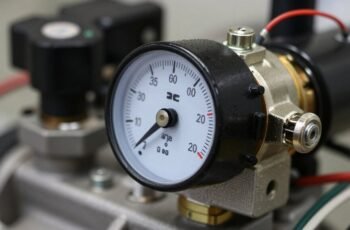
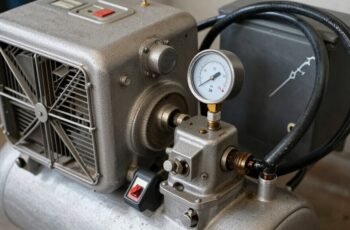
Imagine the steady hum of an air compressor, building pressure with precise control. To guarantee safe and efficient operation, understanding how to properly adjust the regulator is essential. This process involves careful steps to set the correct PSI, maintain consistent pressure, and troubleshoot issues that arise. We’ll guide you through each stage, providing the technical details needed to fine-tune your system and avoid potential hazards. Let’s begin with what makes an air compressor regulator work.
Key Takeaways
- Turn off and unplug the compressor, then release residual pressure before making adjustments.
- Connect and ensure the pressure gauge is calibrated for accurate readings.
- Use the regulator control knob to set the desired PSI as per tool specifications.
- Monitor the pressure gauge during adjustment to achieve the recommended operating pressure.
- Turn the compressor back on and verify stable pressure under load for proper operation.
How Does an Air Compressor Regulator Work?
Although an air compressor regulator may seem simple, it performs a critical role in controlling air pressure within the system. The regulator functions through a combination of a pressure-sensing element, a spring, and a valve mechanism. When compressed air enters the regulator, the sensing element detects the pressure level. If the pressure exceeds the set point, the spring applies force to close the valve, reducing airflow. Conversely, if pressure drops below the desired level, the spring’s force diminishes, opening the valve to increase airflow. This continuous feedback loop maintains a stable output pressure, ensuring tools operate efficiently and safely. Precise adjustments of the regulator’s pressure setting alter the spring’s tension, directly influencing the valve’s position and the system’s overall pressure regulation.
Identifying the Correct Pressure Settings for Your Tools
To identify the correct pressure settings for your tools, we start by determining their specific requirements. We then consult manufacturer guidelines to verify ideal pressure ranges, ensuring compatibility. Finally, we use a pressure gauge to precisely set and monitor the regulator accordingly.
Determine Tool Requirements
Understanding the specific pressure requirements for each tool is essential to guarantee ideal performance and safety. To accurately determine these requirements, we must consider the following:
- Consult the manufacturer’s specifications for recommended PSI levels.
- Identify the maximum PSI rating that the tool can handle safely.
- Note the operating pressure range suitable for the tool’s most efficient function.
- Record any variations for different tool attachments or applications.
Accurately establishing these parameters prevents under- or over-pressurization, which can impair tool performance or cause damage. Precise knowledge of pressure needs ensures that the regulator can be set correctly, maintaining appropriate operation while safeguarding equipment and operator safety.
Check Manufacturer Guidelines
Have you verified the manufacturer’s guidelines for your tools’ pressure settings? This step is essential for ensuring peak performance and safety. Refer to the tool’s user manual or technical specifications, which specify the recommended operating pressure, usually measured in PSI. Different tools have distinct requirements; exceeding the recommended PSI can cause damage, while insufficient pressure may result in subpar operation. Accurate adherence to these specifications prevents premature wear and potential safety hazards. When checking guidelines, confirm whether the pressure refers to the maximum or ideal operating range. Always document the recommended settings for each tool before adjusting your compressor regulator. Following manufacturer instructions guarantees that your tools function effectively without risking damage or safety issues, establishing a reliable baseline for subsequent adjustments.
Use a Pressure Gauge
How can we guarantee that our air compressor is set to the correct pressure for each tool? The key is using a pressure gauge accurately. First, ensure the gauge is properly calibrated and connected directly to the compressor or tool’s air inlet. Then, follow these steps:
- Identify the recommended operating pressure from the tool’s specifications.
- Turn on the compressor and observe the pressure gauge.
- Adjust the regulator to match the recommended pressure, monitoring the gauge continuously.
- Confirm the pressure remains steady under load conditions, adjusting as necessary.
Using a reliable pressure gauge ensures precise control, prevents over-pressurization, and maintains maximum tool performance. Accurate readings are essential for safety, efficiency, and extending the lifespan of your equipment.
Preparing to Adjust the Air Compressor Regulator Safely
Before adjusting the air compressor regulator, we must guarantee all safety precautions are in place to prevent accidents or equipment damage. First, disconnect power and release pressure from the system. Confirm the compressor is off and depressurize the tank to avoid sudden releases. Use the following safety checklist:
| Safety Step | Procedure | Purpose |
|---|---|---|
| Turn off the compressor | Switch off and unplug the unit | Prevent electrical hazards |
| Release residual pressure | Open drain valves, vent system | Avoid sudden pressure release |
| Wear protective gear | Use gloves and eye protection | Protect against debris or leaks |
Following these steps ensures a controlled environment for precise, safe regulator adjustment.
Step-by-Step Guide to Adjusting Your Air Compressor Regulator
Once safety precautions are in place, we can proceed with adjusting the air compressor regulator by following a systematic, step-by-step process. First, connect a calibrated pressure gauge to the regulator outlet to ensure accurate readings. Second, turn off the compressor and drain any residual air from the tank. Third, adjust the regulator knob clockwise to increase pressure or counterclockwise to decrease it, observing the gauge for the desired setting. Fourth, restart the compressor, then verify the output pressure matches the target level under normal operation. Adjust again if needed, maintaining the pressure remains stable during the compressor’s cycling. This precise method guarantees peak regulator performance, maintaining safe and efficient compressor operation.
Common Signs You Need to Re-Tune Your Regulator
When your air compressor isn’t delivering consistent pressure, it’s a clear indication that your regulator may need re-tuning. Fluctuations in output pressure, such as sudden drops or surges, signal that the regulator isn’t maintaining stable airflow. If you notice the pressure gauge oscillating erratically despite the compressor running at a steady setting, re-tuning is likely necessary. Additionally, if the compressor cycles excessively or fails to reach the desired pressure range, these are signs of improper regulation. Unusual noise or hissing sounds near the regulator can also indicate internal issues affecting pressure stability. Recognizing these signs promptly allows us to address potential calibration issues before equipment performance degrades or damage occurs, ensuring ideal operational efficiency.
Tips for Maintaining Consistent Air Pressure During Use
Maintaining consistent air pressure during compressor operation requires attention to several practical techniques. First, regularly monitor the pressure gauge to detect fluctuations early. Second, ensure the compressor is properly lubricated and maintained to prevent pressure drops caused by mechanical inefficiencies. Third, avoid excessive cycling by setting the pressure cutoff appropriately, reducing unnecessary compressor start-ups and shutdowns. Fourth, minimize air leaks by inspecting hoses, fittings, and connections; leaks can cause pressure instability. Adhering to these steps guarantees stable airflow, enhances tool performance, and prolongs compressor lifespan. Consistent pressure not only improves precision but also reduces energy consumption and wear on the system, making these technical practices vital for ideal compressor operation.
Troubleshooting Air Pressure Fluctuations and Regulator Issues
We begin by accurately identifying pressure fluctuations and diagnosing common regulator issues. Understanding these problems allows us to apply targeted troubleshooting steps effectively. This approach guarantees precise resolution of regulator inconsistencies and pressure instability.
Identifying Pressure Fluctuations
Pressure fluctuations can indicate underlying issues with the air compressor regulator or system components. To identify these fluctuations, we perform targeted observations:
- Monitor pressure readings: Note if pressure varies markedly during continuous operation.
- Listen for irregular sounds: Pulsations or hissing noises may suggest leaks or regulator instability.
- Inspect for leaks: Use soapy water on fittings and hoses; bubbling indicates escaping air.
- Check regulator response: Adjust the regulator and observe if pressure stabilizes or continues to fluctuate.
Accurate identification relies on consistent monitoring and precise observation. Recognizing patterns of pressure variation helps isolate whether the fluctuations stem from regulator malfunction, leaks, or other system issues, facilitating targeted troubleshooting.
Common Regulator Problems
Understanding common regulator problems is essential for effectively troubleshooting air pressure fluctuations. One frequent issue is a stuck or faulty pressure relief valve, which can cause inconsistent pressure release, leading to fluctuations. Another problem involves debris or dirt buildup within the regulator, impairing proper movement of internal components and resulting in unstable output. Additionally, incorrect calibration or worn-out components can cause the regulator to deliver inconsistent pressure levels. Leaks around fittings or seals may also compromise pressure stability, causing fluctuations or pressure drops. Recognizing these issues promptly allows us to assess whether components need cleaning, repair, or replacement. Addressing these common regulator problems guarantees the system maintains stable, precise pressure output crucial for peak compressor performance.
Effective Troubleshooting Steps
To effectively troubleshoot air pressure fluctuations and regulator issues, start with a systematic inspection of the regulator and its connections. First, verify that all fittings are tight and free of leaks, as leaks can cause pressure inconsistencies. Second, check the pressure gauge for abnormal readings that deviate from the set point, indicating regulator malfunction. Third, examine the regulator’s internal components for dirt or debris that may impede proper operation; cleaning or replacing parts may be necessary. Fourth, test the pressure control knob’s responsiveness by adjusting it and observing if the pressure stabilizes accordingly. If issues persist after these steps, further inspection of the compressor’s overall system or replacement of the regulator may be required to guarantee consistent, accurate air delivery.
Safety Precautions When Adjusting Your Air Compressor Regulator
Before adjusting your air compressor regulator, it’s essential to prioritize safety to prevent equipment damage or personal injury. Always confirm the compressor is turned off and unplugged before making adjustments to avoid accidental activation. Wear appropriate personal protective equipment, such as safety glasses and gloves, to shield against potential air discharge or debris. Verify that pressure gauges are functioning correctly to monitor system pressure accurately. Release stored air pressure from the tank before proceeding with adjustments to prevent sudden releases. Maintain a stable stance and use insulated tools if necessary to avoid electrical hazards. Never adjust the regulator beyond manufacturer-specified limits, and double-check your settings before restarting the system. Adhering to these precautions minimizes risks and ensures safe, effective regulator adjustments.
When to Seek Professional Help for Regulator Repairs
When you notice persistent issues with your air compressor regulator, such as inconsistent pressure readings, erratic adjustments, or complete failure to regulate pressure, it’s a clear sign that professional repair is needed. Ignoring these signs can lead to equipment damage or safety hazards. Consider seeking help if:
- The regulator does not respond to adjustments or fluctuates unpredictably.
- Pressure readings remain unstable despite adjustments.
- There are audible leaks or hissing sounds around the regulator.
- The regulator fails to maintain the set pressure over an extended period.
These symptoms indicate internal component failure or calibration issues beyond basic troubleshooting. Professional repair guarantees accurate diagnosis and safe, reliable operation, preventing further damage and maintaining system integrity.
Frequently Asked Questions
Can I Adjust the Regulator While the Compressor Is Running?
Yes, you can adjust the regulator while the compressor runs, but we recommend turning it off first to prevent sudden pressure changes, guarantee safety, and achieve accurate adjustments without risking equipment damage or personal injury.
How Often Should I Check and Calibrate My Regulator?
We recommend checking and calibrating your regulator monthly to guarantee ideal performance. Regular calibration maintains precise pressure control, prevents equipment damage, and prolongs compressor lifespan, especially in critical applications requiring consistent and accurate air pressure regulation.
What Tools Are Needed to Adjust the Regulator?
To adjust the regulator, we need a pressure gauge, a wrench or regulator adjustment tool, and possibly a screwdriver. These tools allow precise calibration, ensuring ideal performance and safety during compressor operation.
Does Ambient Temperature Affect Regulator Performance?
Like a sail catching wind, ambient temperature influences regulator performance by affecting air density and pressure. We notice fluctuations in output, so we fine-tune settings accordingly, ensuring consistent compressor operation regardless of temperature changes.
Can a Faulty Regulator Damage My Air Tools?
A faulty regulator can cause inconsistent pressure, leading to potential damage or premature wear of air tools. We recommend regular inspections and maintenance to guarantee peak performance, preventing damage caused by regulator malfunction and safeguarding your tools’ longevity.
Conclusion
Properly adjusting your air compressor regulator guarantees ideal performance and safety. Did you know that improper pressure settings can reduce tool lifespan by up to 25%? Regular calibration and maintenance are essential to prevent pressure fluctuations that could compromise your work quality and safety. By following precise procedures, we can maintain consistent air flow, extend equipment longevity, and avoid costly repairs. Staying vigilant and addressing issues promptly keeps your system efficient and reliable.