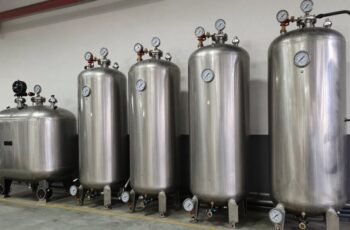
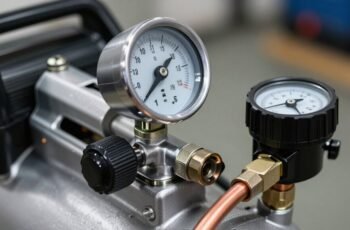
We realize that optimizing compressed air systems can seem complex and resource-intensive, but neglecting efficiency measures often results in higher energy costs and system downtime. By systematically addressing key factors—such as leak management, proper sizing, and control strategies—we can substantially reduce waste and operational expenses. Our all-encompassing approach aims to identify actionable steps that improve performance, yet some critical insights may be essential for achieving sustainable savings and reliable operation in your facilities.
Key Takeaways
- Maintain high air quality by filtering moisture and particulates to reduce system resistance and energy consumption.
- Regularly inspect and repair leaks to prevent unnecessary energy loss and improve system efficiency.
- Properly size and select compressors to match demand, avoiding over-pressurization and energy waste.
- Implement routine maintenance, monitor KPIs, and calibrate controls for optimal system performance.
- Design the system with appropriately sized storage, efficient piping, and automation to minimize waste and enhance efficiency.
How Does Compressed Air Consumption Impact Your Energy Bills?
Compressed air systems can account for up to 10-15% of a facility’s total energy consumption, making their efficiency a critical factor in controlling operational costs. High compressed air consumption directly elevates energy bills due to increased compressor run time and load demands. Poor air quality, caused by inadequate filtration, leads to compressor inefficiencies and potential damage, escalating energy use. Additionally, excessive compressor noise often indicates operational issues and can signal energy wastage. Maintaining ideal air quality reduces system resistance and prevents pressure drops, decreasing energy consumption. Addressing compressor noise through proper maintenance and soundproofing not only improves working conditions but also suggests efficient compressor operation. Precise control of air demand and system optimization are essential to minimize energy costs and enhance overall system efficiency.
Identifying Common Sources of Air Leaks and Losses
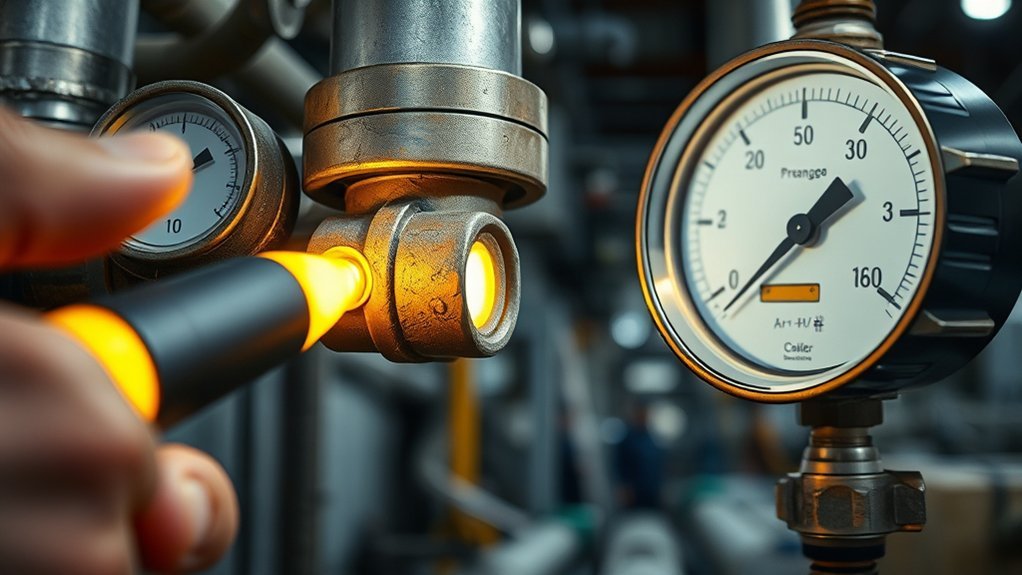
Where do most air leaks originate within a compressed air system, and how can identifying these leaks improve overall efficiency? Common sources include fittings, couplings, valves, and hose connections, often compromised by wear, vibration, or poor seal maintenance. Leak detection involves systematic inspections using ultrasonic detectors or bubble solutions to pinpoint these losses precisely. Early identification allows targeted repairs, reducing unnecessary energy consumption. Sealing compromised joints and fittings restores system integrity, preventing persistent leaks. Regular leak detection and diligent seal maintenance are essential for maintaining ideal system performance. Addressing these leaks not only conserves energy but also extends equipment life and lowers operational costs, making leak management a critical step toward a more efficient and reliable compressed air system.
How to Size and Select Efficient Compressors for Your Needs
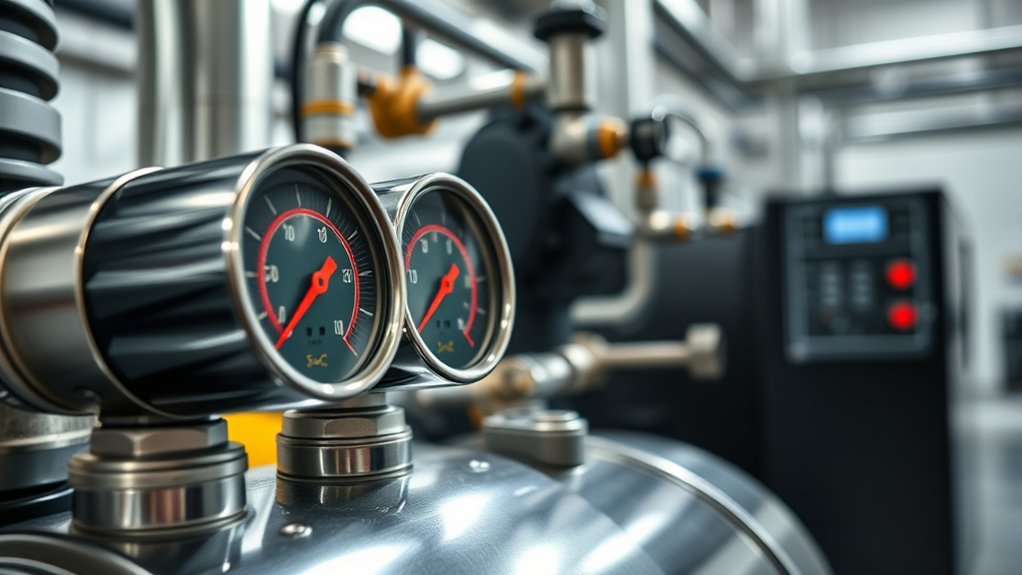
Selecting the right compressor size is critical to maximizing system efficiency and minimizing energy costs, as an undersized unit may struggle to meet demand, while an oversized one wastes energy and increases capital expenditure. Proper compressor sizing involves analyzing peak and average airflow requirements, considering load variability, and selecting a unit with appropriate capacity. Efficiency enhancement depends on matching compressor capacity to actual demand, avoiding excess runtime that leads to energy waste. We must evaluate operational parameters such as pressure requirements, duty cycles, and potential load fluctuations to determine ideal compressor specifications. Using precise sizing methods ensures the compressor operates within its most efficient range, reducing unnecessary energy consumption. Ultimately, accurate compressor sizing leads to improved system performance, lower operational costs, and maximized energy efficiency.
Tips for Maintaining and Optimizing Your Air System Performance
To guarantee peak performance and energy efficiency, regular maintenance and systematic optimization of your air system are essential. Consistent checks on air quality assure contaminants like oil, water, and particulates are minimized, preventing system inefficiencies. Adhering to precise maintenance schedules—covering filters, separators, and pressure regulators—reduces leaks and prevents pressure drops. Proper diagnostics help identify performance bottlenecks early.
| Maintenance Task | Frequency |
|---|---|
| Replace air filters | Monthly |
| Drain moisture traps | Weekly |
| Inspect for leaks | Bi-weekly |
| Calibrate pressure controls | Quarterly |
| Check air quality levels | Daily during operation |
Optimized air system operation hinges on these practices, directly impacting energy consumption and operational reliability.
The Role of Proper Air Storage and Distribution in Energy Savings
Effective air storage and distribution are critical components in minimizing energy consumption within compressed air systems. Properly sized air tanks with adequate storage capacity help stabilize pressure fluctuations and reduce compressor cycling frequency, leading to significant energy savings. Optimized distribution ensures minimal pressure drops, preventing unnecessary compressor work. Key considerations include:
- Selecting an air tank with appropriate storage capacity to match system demand fluctuations
- Strategically positioning tanks to minimize pressure losses across the distribution network
- Implementing proper piping design to reduce friction losses and guarantee even air flow
Implementing Energy-Efficient Controls and Automation
Implementing energy-efficient controls and automation systems can considerably enhance the performance of compressed air operations by dynamically adjusting supply to match real-time demand. Smart sensors continuously monitor system parameters such as pressure, flow, and demand fluctuations, providing accurate data for enhancement. Automation algorithms analyze this data to modulate compressor operation, reducing unnecessary cycling and power consumption. By integrating these technologies, we can maintain ideal pressure levels while avoiding over-pressurization and leak-related losses. Precise control also minimizes compressor start-stop cycles, decreasing wear and energy waste. This proactive approach ensures that compressed air is supplied efficiently, aligning system output with actual operational needs. As a result, energy consumption drops, operational costs decline, and overall system reliability improves through intelligent, responsive automation.
Monitoring and Measuring Your System’s Energy Performance
Effective monitoring begins with identifying and tracking key performance indicators such as energy consumption, system pressure, and airflow rates to establish baseline metrics. We then implement precise monitoring tools—like flow meters and data loggers—that provide real-time insights into system performance. These measurements enable us to detect inefficiencies promptly and optimize energy use systematically.
Tracking Key Performance Indicators
To enhance compressed air system performance, we must systematically track key performance indicators (KPIs) that accurately reflect energy consumption and efficiency. Monitoring metrics like air quality and compressor noise helps identify inefficiencies and potential failures. For example, elevated compressor noise levels often indicate mechanical issues or airflow restrictions, while poor air quality can cause downstream equipment inefficiencies. Critical KPIs include energy usage per CFM, pressure dew point, and leakage rates. Regularly analyzing these data points allows us to detect trends, benchmark performance, and prioritize maintenance. This disciplined approach ensures we maintain excellent system operation, reduce unnecessary energy expenditure, and extend equipment lifespan. Continuous KPI tracking is essential for making informed decisions that drive energy savings and system reliability.
Implementing Effective Monitoring Tools
While establishing reliable monitoring tools is essential for evaluating system performance, selecting the appropriate measurement devices requires careful consideration of accuracy, responsiveness, and integration capabilities. Accurate sensor calibration guarantees data integrity, minimizing measurement errors that could skew energy assessments. We prioritize sensors with rapid response times to detect transient fluctuations in pressure and flow, enabling real-time adjustments. Integrating these sensors into centralized data analytics platforms allows us to process large datasets efficiently, revealing patterns and inefficiencies that inform targeted improvements. By focusing on these technical factors, we assure our monitoring system provides precise, actionable insights into energy performance. This approach supports continuous optimization, reduces energy waste, and enhances overall compressor system efficiency.
Simple Practices to Reduce Waste and Improve System Efficiency
Implementing straightforward practices can substantially reduce compressed air waste and enhance system efficiency. Maintaining ideal air quality minimizes moisture and particulates that cause leaks and inefficiencies. Regularly inspecting and repairing leaks prevents unnecessary energy consumption and reduces system noise, improving operational stability. Additionally, controlling system pressure within recommended parameters prevents excess energy use and limits pressure-related waste. To maximize performance:
- Use moisture separators and air filters to maintain high air quality, preventing corrosion and system degradation.
- Implement leak detection programs to identify and promptly repair leaks, reducing waste and noise.
- Adjust pressure settings to match application requirements, avoiding over-pressurization that increases energy costs and system noise.
These practices improve overall efficiency, lower operational costs, and extend equipment lifespan.
Frequently Asked Questions
How Does Ambient Temperature Affect Compressed Air Efficiency?
Ambient temperature impacts compressed air efficiency by influencing ambient cooling and temperature regulation; higher temperatures cause increased compressor work, reducing efficiency, while cooler environments ease cooling demands, optimizing energy use and maintaining consistent air system performance.
What Are the Environmental Impacts of Inefficient Compressed Air Systems?
They say “what’s good for the goose is good for the gander,” but inefficient compressed air systems harm the environment through excessive noise pollution and water consumption, increasing ecological footprints and operational costs.
Can Renewable Energy Sources Power Compressed Air Systems?
Yes, renewable integration and advanced energy storage enable us to power compressed air systems sustainably, enhancing efficiency and reliability. By leveraging solar or wind energy and innovative storage solutions, we can reduce carbon footprints and optimize operational costs effectively.
How Do Compressor Maintenance Schedules Influence Energy Savings?
Maintenance schedules dramatically boost energy savings by preventing leaks and ensuring proper lubrication practices, which optimize compressor performance, reduce energy waste, and extend equipment lifespan—saving you from what feels like an energy apocalypse.
What Future Technologies Could Improve Compressed Air Energy Efficiency?
We believe future advancements like advanced filtration and variable speed drives will considerably boost compressed air efficiency. These technologies reduce waste, optimize power use, and adapt dynamically to demand, ensuring more sustainable and cost-effective operations.
Conclusion
By consistently applying these best practices—like leak detection, proper sizing, and automation—we can greatly reduce energy consumption and operational costs. Some might worry these measures are complex or costly, but investing in targeted improvements yields measurable savings and system longevity. Think of it like tuning a precision engine: small adjustments lead to maximum performance. When we analyze and improve each component, we guarantee our compressed air systems operate at peak efficiency—benefiting both the environment and our bottom line.