Have we ever wished our garage or workshop could stay quiet while we run an air compressor that actually keeps up with our projects?
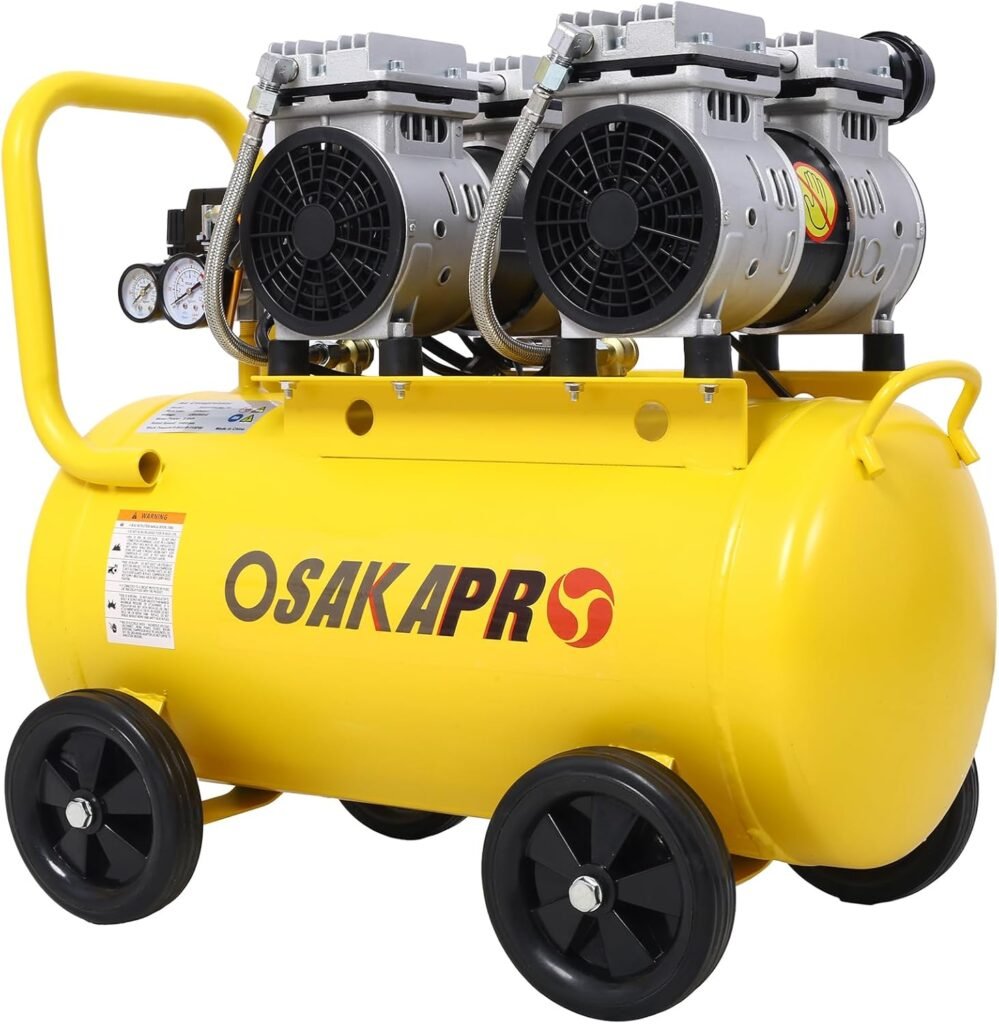

Why We Were Drawn to the 2.5 HP Silent Air Compressor 13 Gallon
When we first looked at the 2.5 HP Silent Air Compressor 13 Gallon, Oil-Free, Electric Shop Air Compressor Portable, Lightweight with Wheels, 70 dBA Noise Level, with Automatic Drain Valve, Yellow, we wanted something specific: power, low noise, and reliability without a huge, bulky machine taking over our space.
This model immediately stood out because it promises a lot: a 2.5 HP motor, quiet 70 dBA operation, a 13-gallon tank, and an oil-free design. We figured if it could live up to even most of those claims, it would easily become the main workhorse for both DIY tasks and smaller professional jobs.
Key Specifications at a Glance
To make things easier to understand, we put the main specs and features in a quick reference table. This helps us compare and decide if it fits our needs before we go any deeper.
| Feature | Detail |
|---|---|
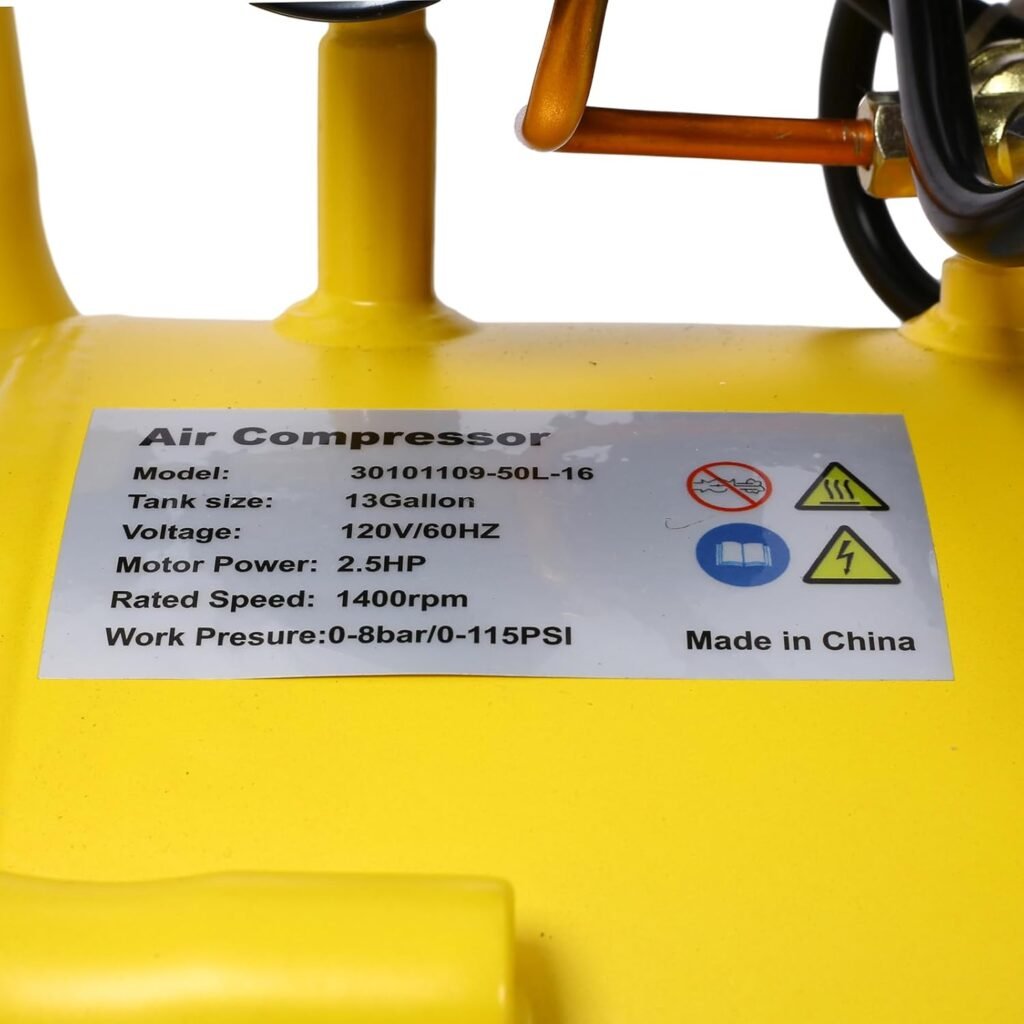
| Motor Power | 2.5 HP |
| Pump Type | Oil-free, four-stage, low RPM (approx. 1400 RPM) |
| Maximum Pressure | 115 PSI |
| Tank Capacity | 13 gallons (dual aluminum tanks) |
| Noise Level | About 70 dBA |
| Power Source | Electric (corded) |
| Mobility | 6-inch wheels, portable, lightweight design |
| Recovery Time | From no load to full load in ~2 minutes |
| Drain System | Automatic drain valve |
| Construction | Rust-resistant aluminum tanks, upgraded piping and valves |
| Typical Use | Nail guns, impact wrenches, spray guns, general shop and garage work |
Looking at these details together, we can already see this compressor targets users who want a balance of power, portability, and quiet operation. Now we can walk through how that plays out in real-world use.
Power and Performance: How Strong Is This 2.5 HP Compressor?
When we choose an air compressor, horsepower and pressure tell us what kinds of tools we can realistically run. This unit’s 2.5 HP motor and 115 PSI max pressure give us enough power for typical workshop and garage tasks.
We noticed the machine is built around a high‑efficiency four-stage pump running at a relatively low 1400 RPM. That low RPM matters because it usually means less heat, less wear, and less noise, while still producing decent airflow. For many of us, that translates to a longer service life and more stable performance over long sessions.
What We Can Run with 115 PSI
With a maximum pressure of 115 PSI, we can comfortably use a range of air tools that most home users and small shops rely on. It might not replace a huge industrial compressor, but it hits a nice sweet spot for daily tasks.
Here are some of the typical tools we can expect to run:
- Nail guns (finish, brad, roofing, framing depending on CFM demands)
- Staple guns for upholstery or carpentry
- Air impact wrenches (especially smaller ones for automotive work)
- Ratchets and air chisels in light to moderate use
- Spray guns for small to medium painting jobs
- Blow guns for cleaning and dusting
- Tire inflation for cars, bikes, trailers, and lawn equipment
We do need to keep in mind that while the pressure capability is there, the sustained airflow (CFM) will dictate whether we can run heavy-duty tools non-stop. This compressor excels more at intermittent use or moderate continuous use rather than industrial-level demands.
Real-World Workload and Consistency
In practical terms, the four-stage pump and larger 13-gallon capacity give us a nice buffer. For example, when we are running a nail gun, the compressor doesn’t cycle on constantly. Instead, it builds up pressure and gives us several firing cycles before needing to refill the tank.
For spraying or continuous tasks, we can run the tool for a decent length of time, then wait briefly as the compressor recovers. We would plan our workflow in short bursts: spray or work, let it recharge, and repeat. For most hobby and light professional tasks, that pattern feels natural and workable.
Noise Level: How Quiet Is 70 dBA Really?
Noise is one of the hardest things to tolerate in a garage or workshop, especially if we share the space with family, neighbors, or coworkers. The manufacturer claims 70 dBA, and that is a serious improvement over many traditional compressors that can reach 90–100 dBA and above.
In daily use, 70 dBA sounds roughly comparable to:
- Normal conversation in a room
- A dishwasher running in the kitchen
- A quiet vacuum in another room
Using the Compressor in Shared Spaces
Because the noise is relatively low, we can comfortably:
- Run it in a home garage without bothering the entire house
- Use it in a small workshop with others working nearby
- Keep it in a corner of a studio or workspace where quiet is valued
We still know it is running, but we do not feel the need to shout over it, and we are not rushing to find ear protection for every short task. That makes a big difference if we regularly use the compressor for tasks like woodworking, painting, automotive repairs, or crafting.
Noise vs. Traditional Compressors
Traditional oil-lubed or older piston compressors are usually louder. With this unit, the low RPM motor and careful engineering help cut down mechanical noise and vibration. The oil-free design also contributes to smoother startup and operation.
For those of us who have previously stored our compressor far away or even outside because of the racket, this quieter operation lets us move the machine closer and integrate it more naturally into our workspace.
Oil-Free Design: Maintenance and Cleanliness
One of the standout points of this compressor is its oil-free pump. Instead of dealing with oil levels, messy spills, and potential contamination, we get a cleaner, simpler ownership experience.
With an oil-free system, we don’t need to schedule oil changes or keep track of oil grades. That lowers the barrier for people who are new to air compressors and also helps those of us who prefer less maintenance.
Benefits of Going Oil-Free
We noticed several advantages:
- Reduced maintenance: No oil changes, no oil filters, and no disposal of used oil.
- Cleaner air output: Lower risk of oil mist getting into our lines, tools, or sprayed surfaces.
- Easier storage: Less concern about oil leaks when we store or move the compressor.
- Better for painting and finishing: Cleaner air is especially helpful for spray painting, staining, or clear coats.
We still need to manage moisture in the tank and lines, but we avoid the extra complexity of oil-related issues.
Trade-Offs of Oil-Free Compressors
Oil-free compressors can sometimes be louder or have a shorter lifespan than well-maintained oil-lubed models. In this case, the quieter 70 dBA rating suggests the manufacturer has addressed some of those concerns with a more advanced design.
As long as we treat the unit properly, avoid overheating, and keep it in clean conditions, we can reasonably expect years of solid use from this compressor.
13-Gallon Aluminum Tank: Capacity and Materials
The 13-gallon capacity is another important factor. It offers significantly more air storage than small “pancake” or 6-gallon units, while still being compact enough for a typical garage or workshop.
We do not have to choose between tiny portability and huge stationary capacity here. This model sits in the middle ground, making it suitable for those of us who want extended tool runtime without a massive permanent installation.
Why Aluminum Tanks Matter
The compressor features two rust-resistant aluminum tanks. Aluminum tanks bring several benefits:
- Corrosion resistance: They are less prone to rust than typical steel tanks, especially in humid environments.
- Lower weight: Aluminum is lighter, so the compressor is easier to move.
- Cleaner inside: Reduced rust means fewer flakes and particles moving through our air system.
We still want to manage moisture and not leave water pooling inside the tank, but the risk of internal rust damage and contamination is lower than with many steel units.
Tank Size and Tool Usage
With 13 gallons of stored air, we get:
- Longer run time for intermittent tools (nailers, staplers, blow guns).
- Smoother operation for short bursts of spray painting.
- Reduced cycling frequency for light automotive and woodworking tasks.
For extremely demanding tools or continuous industrial use, we might want an even larger tank or a second compressor. But for most small shops, home garages, and mobile professionals, this capacity strikes a nice balance.
Rapid Recovery: From No Load to Full Load in About 2 Minutes
An air compressor’s value is not just about how big the tank is—it also depends on how quickly it recovers once the pressure drops. This model is designed for a rapid recovery time: going from no load to full load in about 2 minutes.
That quick recovery is especially helpful when we:
- Use air tools in frequent bursts
- Alternate between running tools and simple setup tasks
- Share the compressor with someone else during multi-person jobs
How Recovery Time Affects Our Workflow
Shorter recovery means:
- Less waiting between tasks
- Less pressure drop when we are in the middle of a job
- Smoother overall work rhythm
If we are framing, roofing, or assembling furniture with nailers, the compressor will keep pace without making us constantly pause. For spray work, we can plan short passes and let the tank refill before we start again.
We still need to understand the limits of the compressor and not push it like a large industrial model, but within its rating, the recovery feels efficient and practical.

Mobility and Design: Wheels, Weight, and Footprint
Portability plays a key role, especially if we work in multiple locations or simply like rearranging our workspace. This compressor is built with 6-inch wheels and a compact, lightweight design.
We can easily tilt and roll it across the shop, move it around the garage, or load it into a vehicle with a bit of help. The footprint is modest enough that we can tuck it into a corner when we are not using it.
Working in Small and Shared Spaces
For many of us, space is limited. We might be sharing:
- A single-car garage with storage and tools
- A small workshop with multiple machines
- A mobile work trailer or service van
Because the compressor is relatively compact and includes wheels, we do not need a dedicated permanent spot. We can:
- Store it against a wall
- Roll it out only when needed
- Move it to another area to suit our workflow
The combination of aluminum tanks and a lighter structure also helps when we occasionally need to lift or load it, although we might still want two people for safety and comfort.
Automatic Drain Valve: Moisture Management Made Easier
Moisture is an unavoidable byproduct when air is compressed. Over time, water collects in the tank, which can lead to rust, reduced tank life, and contaminated air lines if not managed properly.
This compressor includes an automatic drain valve, which is a meaningful convenience feature. Instead of manually opening a drain valve on a schedule, we can rely on the automatic system to periodically release built‑up moisture.
Why an Automatic Drain Helps
We often forget or delay tank draining, especially when we are in the middle of a project. An automatic drain:
- Reduces rust risk inside the tank
- Minimizes manual maintenance
- Keeps air lines cleaner for tools and finishes
- Helps maintain consistent performance over time
For those of us who run air tools often but dislike the routine of manually draining, this built-in feature handles the job more reliably.
Build Quality and Durability
We always want to know whether a tool is going to last. In this case, the compressor’s construction choices give us some confidence. The use of rust-resistant aluminum tanks and upgraded piping and valves aimed at improving sealing and preventing air leaks shows attention to long-term reliability.
A compressor that constantly loses air through small leaks will run more, wear out faster, and cost more in electricity. Here, the improved sealing helps:
- Maintain pressure longer
- Reduce the duty cycle
- Prevent frequent cycling on and off
Suitability for Professionals and DIY Users
This model positions itself as a good fit for:
- DIY enthusiasts with active garages or workshops
- Small contractors who need a portable, quiet unit
- Automotive hobbyists doing regular maintenance and repairs
- Woodworkers and makers running nailers, staplers, and blow guns
It may not be built for heavy 24/7 industrial work, but for routine daily use in small shops and home environments, the construction appears robust enough to provide several years of service.
Usability: Everyday Comfort and Handling
A tool can be powerful and durable, but if it is awkward or frustrating, we might not enjoy using it. With this compressor, usability details help our day-to-day experience feel smoother.
We appreciate that it is:
- Straightforward to move thanks to the wheels and balanced design
- Simple to run with basic controls and clear pressure readings
- Quieter than many alternatives, reducing fatigue over long days
Even small conveniences, like the automatic drain and oil-free design, add up. We spend less time dealing with routine maintenance and more time actually using our tools.
Starting Up and Getting to Work
Our typical usage pattern might look like this:
- Roll the compressor to where we need it.
- Plug it into an appropriate outlet.
- Turn it on and let it build pressure.
- Connect our air hose and tool.
- Check the regulator setting to match our tool’s pressure requirement.
- Get to work.
The quick recovery and sufficient tank size make this sequence efficient, so we don’t feel like we are constantly sitting and waiting.
Practical Use Cases: Where This Compressor Shines
To decide whether this compressor fits into our lives, we can look at specific scenarios and see how it performs in each.
Woodworking and Carpentry
In woodworking and carpentry, we frequently use:
- Finish nailers
- Brad nailers
- Pin nailers
- Staple guns
For these tools, this compressor has more than enough power and capacity. The quiet operation is also a major plus in indoor workshops. We can install trim, assemble frames, or build cabinetry with minimal noise pollution.
Home and Auto Maintenance
Many of us want a compressor mainly for:
- Inflating tires (cars, bikes, trailers)
- Blowing dust off workbenches or parts
- Running small impact wrenches and ratchets
- Cleaning filters or radiators
Here, the 2.5 HP motor and 115 PSI make tasks quick and easy. The 13-gallon tank gives us enough reserve air for multiple inflation jobs and cleaning sessions without frequent refills. The portability lets us move it near the car or even wheel it into the driveway.
Light Painting and Finishing
For painting tasks such as:
- Furniture refinishing
- Small cabinetry projects
- Touch-up work on vehicles or equipment
The clean, oil-free air and moderate tank size provide a very workable solution, especially if we use efficient HVLP or LVLP spray guns within the compressor’s capabilities. We benefit from reduced risk of oil contamination and a quick two‑minute recovery window.
We would still avoid treating it as a full‑time industrial painting system, but for small to medium jobs, it is a strong companion.
On-Site Work for Tradespeople
For electricians, plumbers, remodelers, or small general contractors, this compressor offers:
- A reasonably light and portable build
- Quiet enough operation for residential environments
- Sufficient power for nailers and light pneumatic tools
We can bring it onto job sites, work in occupied homes with less disruption, and still drive tools effectively. The automatic drain valve and oil-free pump simplify maintenance between jobs.
Strengths and Limitations
Every compressor has things it does especially well and places where it is not the perfect fit. Understanding both helps us make a smart decision.
What This Compressor Does Especially Well
From our perspective, the strongest points are:
- Quiet operation (70 dBA): Far more pleasant to work around than many traditional units.
- Oil-free design: Low maintenance and cleaner air for tools and finishes.
- Good power-to-size ratio: 2.5 HP and 115 PSI in a compact, portable package.
- 13-gallon aluminum tanks: Corrosion resistance and enough capacity for most workshop jobs.
- Fast recovery: About 2 minutes from no load to full load.
- Automatic drain valve: Less manual tank draining, better long-term protection.
These traits make it a particularly good choice for garages, small workshops, and light professional jobs where noise and convenience really matter.
Where It Might Not Be Ideal
On the other hand, this compressor might not be the best fit if we:
- Run very high CFM tools continuously, such as large sanders or grinders.
- Need a stationary industrial compressor for heavy-duty manufacturing.
- Want an ultra‑compact solution strictly for very small, occasional home tasks.
In those cases, we might choose either a much larger industrial model or a much smaller super-portable unit. This compressor lives in the middle ground: more robust than small pancake compressors, but not intended to replace huge shop systems.
Comparison Summary: How It Fits into the Market
To understand where this compressor stands, it helps to think about the general tiers of compressors:
- Small portable (1–6 gallons): Very portable but limited runtime and power.
- Mid-size portable (8–20 gallons): Strong balance of capacity, power, and mobility.
- Large stationary (30+ gallons): High capacity and power for heavy continuous use.
This 2.5 HP, 13-gallon unit falls clearly in the mid-size portable category. In that tier, its quiet operation, oil-free design, aluminum tanks, and automatic drain give it a noticeable edge in convenience and comfort.
We are essentially getting many of the conveniences of premium quiet compressors with enough tank size to support real workshop tasks without constantly cycling.
Who This Compressor Is Best For
To decide whether this is the right model for our situation, we can focus on our typical tasks and our workspace.
This compressor is a great match for us if:
- We have a home garage or small workshop and want something quiet yet capable.
- We regularly use nailers, staplers, blow guns, and light automotive tools.
- We value lower maintenance and do not want to manage oil changes.
- We appreciate rust resistance and a longer tank life thanks to aluminum.
- We share our workspace with others and want to reduce noise as much as possible.
If we are a hobbyist woodworker, a serious DIY enthusiast, or a small contractor who works on residential projects, this compressor checks many of the boxes we care about.
Tips for Getting the Most Out of This Compressor
Once we choose a compressor, we want to keep it running efficiently and comfortably. A few habits can help us make the best of this model.
Use Proper Power and Extension Cords
We should:
- Plug the compressor into a properly rated dedicated circuit when possible.
- Avoid long, thin extension cords that cause voltage drop and strain the motor.
- Use heavy‑duty cords (if needed) that match the current requirements.
This helps the motor start smoothly and reduces wear.
Manage Air Lines and Filters
Even with an oil-free compressor, it is wise to:
- Install a basic filter/regulator at the outlet for clean, dry, and regulated air.
- Use a water trap or dryer for painting and finishing, where moisture is critical.
- Regularly check hoses and quick-connects for leaks.
These small steps protect our tools and finishes while improving overall efficiency.
Respect Duty Cycle and Allow Cooling
We should pay attention to how long the compressor runs and how hot it gets. While it recovers quickly, it is still a portable unit with practical limits.
We can:
- Give it cool-down periods during intense work.
- Keep it in a well-ventilated area to prevent overheating.
- Listen for any unusual sounds that might indicate maintenance needs.
Taking a little care in this way can greatly extend the life of the motor and pump.
Our Overall Impression and Verdict
After looking closely at the 2.5 HP Silent Air Compressor 13 Gallon, Oil-Free, Electric Shop Air Compressor Portable, Lightweight with Wheels, 70 dBA Noise Level, with Automatic Drain Valve, Yellow, we see a compressor that aims to bring professional-style performance into everyday workshops without overwhelming us with noise or maintenance.
We appreciate the combination of:
- Quiet 70 dBA operation for a more comfortable environment
- Sufficient power and 115 PSI for most common air tools
- Oil-free design for low maintenance and clean air output
- 13-gallon aluminum tanks for capacity and corrosion resistance
- Automatic drain valve to handle moisture with less effort
- Portable, wheeled chassis that fits nicely into garages and small shops
This machine suits us particularly well if we work frequently but not industrially—building furniture, maintaining vehicles, working on home improvement projects, or running a small trade business that needs a quiet and dependable air source.
In short, if we want a balanced, quiet, and user-friendly air compressor that can serve as the central air source in a busy home shop or light professional setting, this model deserves serious consideration. It provides a smart mix of power, convenience, and durability that can genuinely improve how we work with pneumatic tools day after day.

Disclosure: As an Amazon Associate, I earn from qualifying purchases.