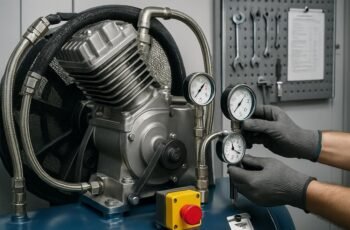
Ensuring workplace safety when operating air compressors is vital for protecting personnel and maintaining operational efficiency. Proper selection, setup, and ongoing maintenance are fundamental, yet often overlooked, components of a thorough safety strategy. We recognize the importance of adhering to established standards and implementing best practices, but the complexities involved require careful attention to detail. Exploring these aspects thoroughly can greatly reduce the risks associated with air compressor use and foster a safer working environment for everyone involved.
Key Takeaways
- Regularly inspect and maintain air compressors to prevent leaks, pressure issues, and mechanical failures.
- Use appropriate PPE such as eye protection, earplugs, and gloves during compressor operation.
- Install sound barriers and choose well-ventilated, clutter-free areas to minimize noise exposure and hazards.
- Train workers on safe operating procedures, including startup, shutdown, and emergency response protocols.
- Comply with OSHA standards and industry regulations to ensure a safe and hazard-free workplace environment.
Understanding the Safety Risks of Air Compressors in the Workplace
Although air compressors are indispensable tools in many industrial and maintenance settings, they pose significant safety risks if not properly managed. Excessive compressor noise can lead to hearing damage over time and mask other warning sounds, hindering safety awareness. Additionally, air leakage from worn or damaged components not only reduces efficiency but also creates hazardous conditions, such as unexpected pressure drops or sudden equipment failure. Leaks can also cause the compressor to work harder, increasing the risk of overheating or mechanical failure. Properly monitoring and maintaining compressor noise levels and promptly repairing air leaks are crucial steps in risk mitigation. Recognizing these hazards ensures a safer work environment, minimizing the potential for injuries and equipment damage.
Selecting the Right Air Compressor for Safe Operations
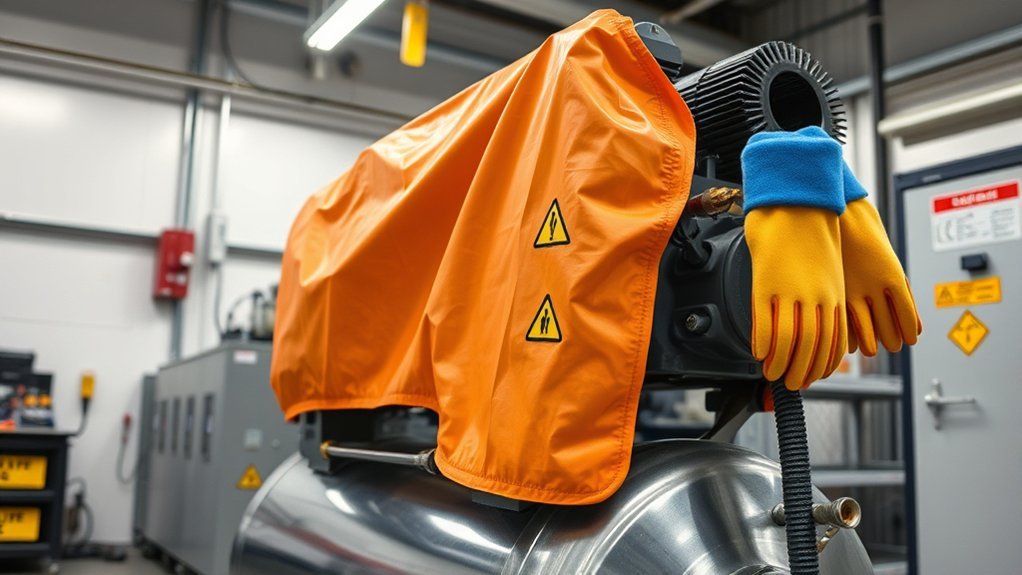
Selecting the appropriate air compressor requires a thorough assessment of our workplace needs, including the types of tasks it will support and the required air flow. We must prioritize safety features such as pressure regulation, automatic shutoff, and vibration controls to minimize risks. Ensuring these considerations are addressed helps us choose a unit that promotes both efficiency and operational safety.
Assess Workplace Needs
How do we guarantee that we choose the most appropriate air compressor to meet our workplace’s specific requirements? First, we must evaluate the workload demands, including the required airflow and pressure. Next, we consider workplace ergonomics, ensuring the compressor’s size and design align with space constraints and ease of maintenance. We also assess compressor noise levels to minimize disruption and promote a safe, comfortable environment. Additionally, we analyze energy efficiency to reduce operational costs. Key considerations include:
- Estimated air demand and duty cycle
- Space availability and layout
- Noise level tolerances within the environment
- Ergonomic design features for operator safety and convenience
Prioritize Safety Features
Ensuring safety begins with a thorough assessment of the compressor’s safety features, which are essential for protecting operators and maintaining a secure work environment. When selecting an air compressor, we focus on safety feature integration within the compressor design to mitigate risks effectively. Key safety features include pressure relief valves, automatic shutoff mechanisms, and thermal overload protection, all critical components that prevent overpressure and overheating. The compressor’s design should facilitate easy maintenance and clear safety protocols, minimizing operational hazards. Prioritizing these features guarantees comprehensive safety coverage, reducing the potential for accidents. By carefully evaluating these safety integrations, we can select equipment that not only meets operational demands but also guarantees ideal safety standards for all users.
Proper Personal Protective Equipment (PPE) When Using Air Compressors

When operating air compressors, wearing the appropriate personal protective equipment (PPE) is essential to safeguard ourselves from potential hazards. PPE essentials help prevent injuries from flying debris, loud noise, and accidental contact with moving parts. Proper PPE includes:
- Impact-resistant safety glasses or goggles to shield eyes from debris
- Hearing protection such as earplugs or earmuffs to reduce noise exposure
- Gloves designed for industrial use to protect hands from abrasions and sharp objects
- Protective clothing that covers exposed skin and resists oil or chemical splashes
Conducting Routine Inspections and Maintenance Checks
Regular inspections and maintenance checks are essential components of safe and efficient air compressor operation. Routine checks help identify potential issues early, preventing equipment failure and ensuring peak performance. We recommend adhering to a strict maintenance scheduling protocol, which includes inspecting safety devices, checking for leaks, and verifying proper pressure levels. During routine checks, examine hoses, belts, and fittings for wear or damage, replacing components as necessary. Consistent documentation of maintenance activities allows us to track the compressor’s condition over time and anticipate upcoming service needs. By establishing a disciplined approach to inspections and maintenance, we reduce downtime, extend equipment lifespan, and uphold workplace safety standards. Proper routine checks are a crucial part of responsible compressor management and operational excellence.
Setting Up a Safe Work Area for Air Compressor Use
To establish a safe work environment for air compressor operation, we must carefully select and prepare the designated area to minimize hazards and facilitate safe use. Proper setup enhances work area ergonomics, reducing strain and fatigue, while noise mitigation measures help protect workers’ hearing. We should guarantee the space is well-ventilated, stable, and free of clutter to prevent accidents. Adequate lighting is essential for visibility, and clear pathways must be maintained for easy access and egress. Installing sound barriers or enclosures around the compressor can considerably reduce noise levels. Additionally, positioning the compressor on a level surface prevents vibration issues, and securing hoses and electrical connections reduces tripping hazards. These steps create a safer, more efficient work environment tailored for maximum safety and performance.
Implementing Correct Operating Procedures to Prevent Accidents
Implementing correct operating procedures is crucial for preventing accidents and guaranteeing the safe use of air compressors. Maintaining proper workplace ergonomics minimizes strain and fatigue, reducing the risk of mishandling or injury during compressor operation. It involves arranging workstations to allow comfortable access and reducing repetitive motions that could lead to musculoskeletal issues. Additionally, implementing effective compressor noise control measures not only protects workers’ hearing but also promotes a safer, more focused environment. Regularly inspecting and maintaining equipment ensures peak performance and prevents malfunctions that could cause accidents. Clear procedural protocols, including startup and shutdown procedures, are essential for consistent safety. By emphasizing these aspects, we can considerably mitigate hazards associated with compressor use and foster a safer, more compliant workplace.
Training Employees on Air Compressor Safety Best Practices
Effective training is essential to guarantee that all employees understand and adhere to air compressor safety best practices. Proper instruction enhances employee safety awareness and emphasizes the importance of routine air compressor maintenance to prevent malfunctions. Training sessions should include clear demonstrations of safe operation procedures, inspection protocols, and emergency response actions.
Effective training ensures safety, proper maintenance, and quick response to air compressor hazards.
Key elements include:
- Understanding pressure relief valve functions and safety shutdown procedures
- Recognizing signs of wear or leaks during air compressor maintenance
- Proper use of personal protective equipment (PPE)
- Protocols for reporting hazards or irregularities promptly
Recognizing and Addressing Common Air Compressor Hazards
Building on our understanding of safety procedures, it is essential to identify and address common hazards associated with air compressors to prevent accidents and equipment failures. Regular air compressor maintenance helps detect potential issues like leaks, worn hoses, or faulty valves that could lead to dangerous failures. Noise reduction measures are equally important, as excessive noise can cause hearing damage and mask warning signs of malfunction. Recognizing hazards such as high-pressure releases or electrical faults allows us to implement targeted controls, ensuring safety and operational efficiency.
| Hazard | Prevention Strategy |
|---|---|
| High-pressure release | Regular maintenance and pressure checks |
| Noise exposure | Noise reduction and PPE usage |
| Mechanical failure | Routine inspections and repairs |
| Electrical faults | Proper wiring and safety protocols |
Emergency Response and First Aid for Air Compressor-Related Injuries
When an air compressor-related injury occurs, prompt assessment of the injury is critical to determine the appropriate response. We must follow proper first aid procedures to stabilize the victim and prevent further harm. Ensuring that responders are trained in immediate injury evaluation and first aid techniques is essential for effective emergency management.
Immediate Injury Assessment
What steps should we take immediately following an air compressor-related injury to guarantee prompt and effective care? First, ensure the area is safe, minimizing exposure to hazards like high air compressor noise or hot surfaces. Assess the injury quickly to determine severity, prioritizing bleeding control or removal from the source. Check for signs of tissue damage, burns, or pneumatic injury, which may relate to compressor lubrication failures. If possible, disconnect the compressor to prevent further injury. Keep the victim calm and immobilize affected areas. Provide basic support, such as applying sterile dressings, and monitor vital signs. Promptly notify medical personnel if necessary. Addressing these steps swiftly can prevent further harm and facilitate proper treatment.
Proper First Aid Procedures
In the immediate aftermath of an air compressor-related injury, administering appropriate first aid can considerably influence the victim’s recovery. First, confirm the area is safe, minimizing exposure to potential hazards such as excessive air compressor noise or hot surfaces caused by inadequate compressor lubrication. Stop the compressor to prevent further injury. For injuries involving compression or impact, apply direct pressure with a clean cloth to control bleeding. If an injury involves burns, cool the affected area with running water and cover with sterile dressings. Monitor the victim’s airway, breathing, and circulation, providing CPR if necessary. Avoid moving the victim unnecessarily, especially if spinal injury is suspected. Prompt and precise first aid can reduce complications and stabilize the patient until professional medical help arrives.
Staying Compliant With OSHA and Industry Safety Standards
Maintaining compliance with OSHA regulations and industry safety standards is essential for ensuring safe and efficient operation of workplace air compressors. We recognize that understanding and adhering to these standards helps prevent accidents and promotes a culture of safety. To stay compliant, it’s crucial to:
- Regularly review OSHA guidelines specific to compressed air systems
- Implement training programs that address common air compressor myths
- Utilize innovative safety technologies such as automatic shutoff sensors
- Conduct routine inspections and maintenance to identify potential hazards
Frequently Asked Questions
How Often Should Air Compressors Undergo Safety Audits?
We recommend conducting safety audits for air compressors at least annually, aligning with maintenance schedules and safety protocols. Regular inspections help identify potential hazards early, ensuring continued safe operation and compliance with industry standards.
What Are the Common Signs of Air Compressor Malfunction?
We observe signs like increased compressor wear, unusual noises, and inconsistent pressure, alongside leak detection issues, which indicate malfunction. Promptly addressing these signs helps prevent further damage and guarantees safe, efficient compressor operation.
How Can Noise Levels Be Minimized During Compressor Operation?
We minimize noise levels through effective noise reduction strategies, including installing high-quality mufflers, maintaining equipment regularly, and using soundproof enclosures, ensuring safer, quieter compressor operation and reducing workplace noise pollution.
Are There Specific Training Requirements for Maintenance Staff?
We guarantee maintenance staff receive specialized training on emergency procedures, proper use of personal protective equipment, and safety protocols, emphasizing the importance of ongoing education to prevent accidents and maintain ideal compressor operation.
What Are the Legal Penalties for Non-Compliance With Safety Standards?
They say, “What gets measured, gets managed.” Legal compliance with safety standards guarantees penalties are enforced effectively, preventing violations. Non-compliance can lead to hefty fines, legal action, and reputational damage, emphasizing the importance of strict adherence.
Conclusion
By prioritizing safety, we build a foundation of trust and resilience, guiding us through the complex maze of hazards like a steady lighthouse. Each precaution, inspection, and training session acts as a beam of light—illuminating dangers before they strike. Together, we forge a culture where safety is not just a protocol but a guiding star, ensuring that our work environment remains secure, reliable, and prepared to weather any storm that may arise.