Many overlook that the essential portable air compressor depends more on its specific application than on size alone. While compact models seem convenient, they may lack the power needed for demanding tasks, whereas larger units can compromise mobility. Understanding key factors like CFM, PSI, and power source is vital for making an informed choice. To guarantee you select the right model for your needs, it’s important to analyze these technical specifications and how they align with your intended use.
Key Takeaways
- Match compressor size and power to specific tasks, balancing portability with air delivery needs.
- Prioritize key features like CFM, PSI, and power for optimal tool compatibility and efficiency.
- Choose the right type (reciprocating, rotary screw, or diaphragm) based on usage environment and volume requirements.
- Consider accessories such as nozzles, fittings, and hoses to enhance versatility and safety.
- Evaluate cost, maintenance, warranty, and energy efficiency for long-term value and reliability.
How to Choose the Right Size and Portability for Your Tasks
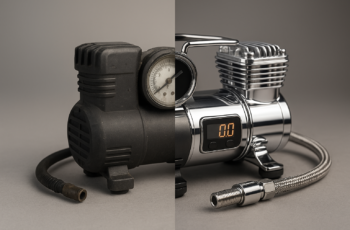
When selecting a portable air compressor, understanding the specific demands of your tasks is essential to determine the appropriate size and portability features. We analyze the scope of your projects—whether they require high airflow for pneumatic tools or lower pressure for inflation tasks—then match those needs with compressor capacity. Larger compressors with higher CFM ratings provide sustained performance but tend to be heavier and less portable. Conversely, smaller units excel in mobility but may lack the power for continuous use. We also consider power source compatibility and weight distribution, ensuring ease of transport without compromising functionality. Accurate assessment of operational demands leads to efficient selection, balancing size and portability to optimize performance and user convenience.
Key Features to Consider: Power, CFM, and Pressure Ratings
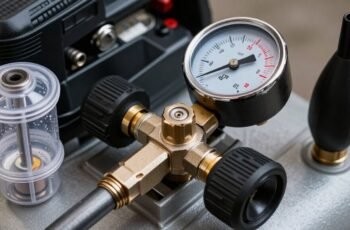
Selecting the right portable air compressor hinges on understanding its key features: power, CFM (cubic feet per minute), and pressure ratings. Power, typically measured in horsepower or wattage, determines the compressor’s ability to sustain operation under load and influences its overall efficiency. CFM indicates the volume of air the unit can deliver per minute, directly impacting the speed of tools and tasks. Accurate assessment of your application’s CFM requirements guarantees maximum performance. Pressure ratings, expressed in PSI (pounds per square inch), define the maximum air pressure the compressor can generate, affecting compatibility with various tools and applications. Balancing these three parameters — sufficient power for continuous operation, appropriate CFM for task speed, and adequate PSI for tool compatibility — is essential for selecting an effective, reliable portable air compressor.
Essential Accessories and Attachments for Versatile Use
To maximize the versatility of a portable air compressor, integrating essential accessories and attachments is crucial. These components expand functionality, enabling precise applications across various tasks. For example, different nozzle types optimize inflation and spray operations, while adapters facilitate compatibility with multiple tools. Proper storage solutions prevent damage and ensure quick access during work.
| Accessory/Attachment | Functionality | Compatibility Tips |
|---|---|---|
| Inflation Nozzles | Inflate tires, sports equipment | Use with various valve types |
| Spray Guns | Paint, clean, or coat surfaces | Match spray pattern to task |
| Quick-Connect Fittings | Rapid tool attachment | Verify thread size compatibility |
| Hose Extensions | Reach distant or awkward locations | Ensure pressure ratings are matched |
These accessories improve efficiency, precision, and safety during diverse applications.
Comparing Different Types of Portable Air Compressors
Different types of portable air compressors are designed to meet specific operational needs, each offering unique advantages and limitations. Understanding these distinctions enables ideal selection based on performance requirements.
- Reciprocating (Piston) Compressors: Ideal for high-pressure, low-volume tasks; they are robust but noisier and less portable.
- Rotary Screw Compressors: Suitable for continuous operation and higher volumes; they offer durability and efficiency but tend to be larger and more expensive.
- Diafragma Compressors: Best for low-pressure applications with clean, dry air; they are lightweight but limited in output.
- Oil-Free Compressors: Suitable for sensitive environments requiring contaminant-free air; they require less maintenance but generally have lower durability.
Tips to Save Money and Find the Best Value for Your Budget
Achieving the best value for your portable air compressor involves strategic evaluation of upfront costs, long-term maintenance expenses, and operational efficiency. Begin by comparing initial purchase prices against durability and build quality; investing in a slightly higher-cost model with superior materials often reduces replacement frequency. Consider energy consumption rates—more efficient units lower operational costs over time. Additionally, assess maintenance requirements and associated costs; models with accessible parts and straightforward servicing save money. Look for features that enhance efficiency, such as automatic shutoff or variable speed controls, which reduce wear and energy use. Finally, evaluate warranty terms and customer support, as extensive coverage minimizes unexpected expenses. A thorough cost-benefit analysis ensures you select a compressor that balances affordability with long-term value.
Frequently Asked Questions
What Maintenance Is Required to Keep a Portable Air Compressor in Optimal Condition?
We regularly check and change the oil, clean or replace air filters, drain moisture from tanks, inspect hoses for wear, tighten fittings, and guarantee safety valves function properly to maintain ideal compressor performance and longevity.
How Long Does a Typical Portable Air Compressor Operate on a Single Tank Fill?
Typically, a portable air compressor operates between 20 to 30 minutes on a single tank fill, depending on tank size, pressure settings, and airflow demands; larger tanks and lower pressure settings extend operational duration.
Are There Environmental Considerations When Using or Storing a Portable Air Compressor?
Certainly, environmental considerations matter: we guarantee proper storage to prevent leaks of oil or refrigerants, recycle or dispose of components responsibly, and choose energy-efficient models. These actions mitigate ecological impact while maintaining compressor performance and longevity.
Can Portable Air Compressors Be Used Safely With Sensitive Electronic Equipment?
Yes, portable air compressors can be used safely with sensitive electronics if equipped with proper filtration, moisture control, and voltage regulation; we recommend isolating electronic devices, avoiding direct contact, and using surge protectors to prevent damage.
What Safety Precautions Should Be Followed When Operating a Portable Air Compressor?
Operating a portable air compressor is like handling a delicate instrument; we must wear protective gear, check for leaks, guarantee proper grounding, and follow manufacturer instructions meticulously to prevent accidents and safeguard sensitive equipment and ourselves.
Conclusion
In conclusion, selecting the appropriate portable air compressor depends on aligning size, power, and features with your particular tasks. For example, a professional painter benefits from a lightweight unit with high CFM for spray guns, guaranteeing efficiency without fatigue. By carefully assessing the compressor’s specifications, accessories, and overall value, you can maximize performance and durability. Making informed decisions avoids costly errors and guarantees dependable operation tailored to your specific needs.