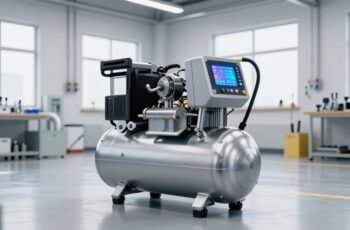
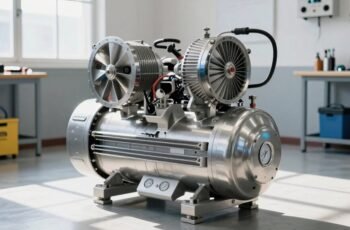
Like a compass guiding mariners through uncharted waters, our Industrial Air Compressor Price Guide aims to steer you through the complexities of cost factors and technological variations. Understanding the nuances that influence pricing—and how these align with your operational needs—is essential to making an informed investment. As we explore the key elements affecting costs and long-term expenses, you’ll find that selecting the right compressor involves more than just initial price tags; the true value lies in strategic choices.
Key Takeaways
- Compressor prices vary by type, capacity, and features, ranging from $3,000 for entry-level to over $50,000 for high-capacity models.
- Long-term costs depend on energy efficiency, maintenance, and operational practices, influencing total ownership expenses.
- Maintenance practices like filter replacement and leak prevention are vital for efficiency and cost savings.
- Sourcing options include authorized dealers, online marketplaces, used equipment, and manufacturer clearance events.
- Selecting the right compressor involves matching capacity and features to operational needs, considering energy efficiency and total costs.
How Much Does an Industrial Air Compressor Typically Cost?
The cost of an industrial air compressor varies considerably based on capacity, features, and intended application. Typically, entry-level models with lower horsepower and basic functionalities can start around $3,000 to $5,000. Mid-range units, suitable for moderate industrial tasks, generally range from $10,000 to $25,000, offering increased capacity and advanced control systems. High-capacity, multi-stage compressors with specialized features, such as integrated cooling or variable speed drives, can exceed $50,000. The price also depends on compressor type—reciprocating, screw, or centrifugal—as each has distinct manufacturing complexities and performance capabilities. Understanding these baseline ranges helps us evaluate initial investment requirements, but precise costs depend heavily on specific operational needs and optional enhancements.
Factors That Influence Industrial Air Compressor Prices
Several key factors directly influence the pricing of industrial air compressors, shaping their overall cost and value. First, capacity and pressure ratings determine the core functionality and are primary cost drivers; higher CFM and PSI typically increase price due to advanced engineering and materials. Second, motor power affects operational efficiency and initial investment, with more powerful motors demanding higher manufacturing costs. Third, build quality and durability influence long-term maintenance expenses and upfront costs—robust components cost more but offer extended lifespan. Additionally, technological features such as variable speed drives, control systems, and energy-saving innovations add to the price by enhancing efficiency and control. Finally, brand reputation and manufacturing origin can impact perceived value, with premium brands often commanding higher prices due to reliability and support networks.
Comparing Different Types of Industrial Compressors and Their Costs
Choosing the right type of industrial compressor hinges on understanding the distinct cost structures and performance characteristics they offer. Reciprocating compressors typically have lower initial costs but incur higher maintenance expenses due to mechanical complexity. They excel in applications requiring moderate capacity and pressure, making them cost-effective for small to medium operations. Rotary screw compressors, on the other hand, involve higher capital investment but offer lower operational costs through increased efficiency and durability, suitable for continuous, high-volume demands. Centrifugal compressors feature the highest upfront costs and complexity but provide scalable capacity for large-scale applications, with costs offset by their energy efficiency over extensive use. Analyzing these cost profiles helps determine the most suitable compressor type aligned with operational scale, performance needs, and total lifecycle expenses.
How Features and Capacity Impact Pricing
We observe that increasing capacity generally raises the initial purchase and operational costs, reflecting the need for more robust components. The variety of features, such as control systems and safety mechanisms, also considerably influences price points. Additionally, technological advancements can both elevate costs due to innovation and reduce long-term expenses through efficiency gains.
Capacity and Cost Relationship
The relationship between capacity and cost in air compressors is primarily driven by the technical demands placed on the machine’s components and performance specifications. As capacity increases, more robust motor assemblies, larger cylinders, and reinforced airflow pathways become necessary, escalating manufacturing complexity and material costs. Higher-capacity units require enhanced cooling systems and advanced control mechanisms to maintain efficiency and reliability under increased load. These technical enhancements directly influence the overall price, as they demand precision engineering and higher-grade components. Additionally, larger units often incorporate more sophisticated airflow management systems, which further drive up costs. Ultimately, capacity expansion involves significant technical trade-offs, making larger compressors inherently more expensive due to the complexity and durability requirements dictated by higher operational demands.
Feature Variety and Price
As capacity increases, compressor manufacturers often incorporate a broader range of features to enhance performance, efficiency, and user control—all of which influence pricing. Higher-capacity units typically include advanced controls, variable speed drives, and integrated filtration systems, which add to initial costs but improve operational flexibility. These features impact the overall price as they cater to specific industrial requirements.
| Feature | Impact on Price | Functionality |
|---|---|---|
| Variable Speed Drive | Increases cost | Adjusts motor speed for efficiency |
| Integrated Cooling | Adds to price | Maintains ideal operating temps |
| Digital Controls | Raises cost | Enables precise operation |
Technology Advancements Impact
How do technological advancements influence the cost structure of industrial air compressors? They drive prices upward by introducing sophisticated features and higher capacities that demand more complex engineering and components. These innovations often improve efficiency and reliability but come with increased manufacturing costs.
Key impacts include:
- Enhanced Control Systems: Advanced automation and digital interfaces increase initial costs but reduce long-term operational expenses.
- Higher Capacity Units: Larger or more powerful compressors cost more due to robust materials and engineering.
- Variable Speed Drives: These systems optimize energy use but add to upfront costs, reflecting their complexity.
- Integrated Monitoring: IoT-enabled features improve maintenance but contribute to higher prices through embedded sensors and connectivity technology.
These technological features directly influence pricing by balancing upfront investment with long-term operational savings.
Tips for Budgeting and Saving on Your Compressor Purchase
When planning to purchase an industrial air compressor, effective budgeting begins with a clear understanding of total cost of ownership, including not only the initial price but also ongoing maintenance and energy expenses. To optimize savings, we recommend evaluating compressor efficiency ratings and energy consumption metrics, as these substantially impact long-term operational costs. Additionally, consider selecting models with modular components or scalable features, which can reduce upfront expenses and facilitate future upgrades. Negotiating for volume discounts or bundled service agreements can also yield cost reductions. Avoiding over-specification by accurately matching compressor capacity to your actual demand prevents unnecessary expenditure. Finally, comparing the lifespan and residual value of equipment helps establish a realistic budget, ensuring investments align with operational needs and financial constraints.
Understanding Maintenance and Operating Costs Over Time
Understanding maintenance and operating costs requires analyzing regular upkeep procedures and their impact on compressor longevity. We also examine energy consumption patterns to identify efficiency trends that influence long-term expenses. By evaluating these factors, we can better estimate potential cost savings over the compressor’s lifespan.
Regular Maintenance Practices
Regular maintenance practices are essential for managing the long-term operating costs of industrial air compressors. Consistent upkeep prevents unexpected failures and optimizes efficiency, ultimately reducing expenses over time. To achieve this, we recommend focusing on key areas:
- Filter Replacement: Regularly change air intake and oil filters to prevent contamination and maintain airflow.
- Lubrication Checks: Ensure lubricants are at proper levels and replaced according to manufacturer specifications to prevent wear and overheating.
- Drainage of Moisture: Regularly drain condensate from tanks and lines to avoid corrosion and component damage.
- Inspection of Belts and Hoses: Monitor for wear or cracks, replacing parts proactively to avoid sudden breakdowns.
Adhering to these practices minimizes downtime, extends equipment lifespan, and controls maintenance costs effectively.
Energy Consumption Trends
Have you ever considered how energy consumption patterns directly influence the long-term operational costs of industrial air compressors? Energy efficiency is affected by several factors, including compressor design, load variability, and operating schedules. For instance, variable speed drives adapt output to demand, reducing unnecessary energy use, while fixed-speed units often operate at constant power, leading to higher consumption during low-demand periods. Monitoring trends over time reveals that poorly maintained equipment, such as clogged filters or worn-out components, can markedly increase energy draw. Additionally, system leaks and pressure drops contribute to inefficiencies. Understanding these patterns enables operators to optimize energy use, minimizing costs. Analyzing consumption trends helps identify operational inefficiencies, guiding targeted interventions that improve energy performance and reduce long-term expenses.
Long-Term Cost Savings
Monitoring energy consumption patterns highlights the importance of managing ongoing operational and maintenance costs for industrial air compressors. Efficient long-term cost savings depend on strategic choices and proactive maintenance.
Key factors include:
- Regular preventative maintenance, which reduces unexpected failures and extends equipment lifespan.
- Upgrading to energy-efficient models, decreasing electricity costs over time.
- Implementing ideal operating pressures to minimize unnecessary energy use.
- Monitoring system performance continuously to identify inefficiencies and schedule timely repairs.
Where to Find the Best Deals on Industrial Air Compressors
To secure the best deals on industrial air compressors, it’s essential to identify sources that offer competitive pricing without compromising quality. We recommend starting with authorized distributors and OEM suppliers, as they often provide warranty-backed units with reliable performance. Online marketplaces like Alibaba and industry-specific platforms can yield cost-effective options, especially when bulk purchasing. Additionally, inspecting local industrial equipment auctions or resellers can uncover high-quality used compressors at notably lower prices, provided thorough condition assessments are conducted. Direct factory sales or manufacturer clearance events also present opportunities for substantial savings, especially on surplus or discontinued models. Careful comparison of specifications, warranty terms, and after-sales support across these channels ensures cost efficiency and equipment longevity, optimizing investment returns in the long term.
Frequently Asked Questions
Are There Financing Options Available for Industrial Air Compressors?
Yes, we offer flexible financing options for industrial air compressors, including leasing, installment plans, and tailored payment solutions, enabling you to optimize cash flow while investing in high-quality equipment that meets your operational needs efficiently.
How Does Energy Efficiency Affect Long-Term Compressor Costs?
Energy efficiency considerably reduces long-term compressor costs by lowering energy consumption and operational expenses. We analyze its impact, emphasizing that investing in efficient models yields substantial savings over time, outweighing initial higher purchase prices.
What Warranties Typically Come With Industrial Air Compressors?
We find that warranties for industrial air compressors typically cover parts and labor for one to two years, with some high-end models offering extended coverage. These warranties guarantee reliability, reduce downtime, and safeguard your investment over the compressor’s lifespan.
Can Used Industrial Air Compressors Be a Cost-Effective Choice?
Used industrial air compressors can be cost-effective, saving up to 30% upfront, but we advise thorough inspections to guarantee longevity and performance, as wear and tear may lead to higher maintenance costs over time.
How Does Brand Reputation Influence Compressor Pricing?
Brand reputation considerably influences compressor pricing, as trusted brands invest in quality materials and advanced technology, justifying higher costs. We find that reputable brands often offer better durability, efficiency, and after-sales support, which can result in long-term savings despite initial higher investments.
Conclusion
In conclusion, understanding the cost dynamics of industrial air compressors helps us make informed decisions that balance upfront investment with operational efficiency. By evaluating features, capacity, and long-term costs, we can optimize our equipment choices. Remember, a penny saved is a penny earned—investing wisely in quality and maintenance ultimately leads to reliability and cost savings. Staying analytical and diligent ensures we get the best value, aligning equipment performance with our industrial needs.