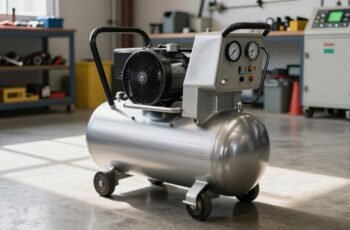
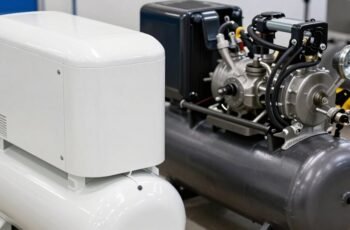
While the initial investment in energy-efficient air compressors can seem substantial, the true question is whether the long-term operational savings justify this cost. On the surface, they appear to be a premium upgrade, but their ability to reduce energy consumption and maintenance costs makes them a strategic choice for many industries. To determine if they’re truly worth it, we need to analyze their performance, costs, and practical benefits in real-world applications.
Key Takeaways
- They significantly lower operational costs through reduced energy consumption over their lifespan.
- Higher initial investment is offset by long-term savings and improved system efficiency.
- Advanced features like VFDs optimize performance based on demand, reducing waste.
- Energy-efficient compressors contribute to environmental sustainability by lowering carbon footprint.
- Proper evaluation ensures long-term return on investment despite higher upfront costs.
What Are Energy-Efficient Air Compressors and How Do They Work?
What exactly makes an air compressor energy-efficient, and how does it operate differently from traditional models? Energy-efficient compressors incorporate advanced technologies such as variable frequency drives (VFDs), optimized motor design, and smarter control systems. VFDs adjust motor speed to match demand, reducing unnecessary energy consumption during low load periods. Additionally, these compressors often feature improved aerodynamics, better sealing, and reduced internal losses, which enhance overall efficiency. Unlike traditional models that run at constant speeds regardless of demand, energy-efficient units dynamically modulate their output, minimizing energy waste. They also utilize high-efficiency motors and components engineered for lower friction and heat loss. These technological integrations allow energy-efficient compressors to operate with less power, improve operational performance, and substantially cut energy costs.
Benefits of Switching to Energy-Efficient Air Compressors
Switching to energy-efficient air compressors can substantially lower operating costs by reducing energy consumption over time. Additionally, these systems contribute to a smaller carbon footprint, aligning operational efficiency with environmental sustainability. Evaluating these benefits helps organizations optimize both economic and ecological performance.
Lower Operating Costs
Energy-efficient air compressors considerably reduce operational expenses by consuming less electricity while maintaining ideal performance. Their advanced motor designs and variable speed drives optimize energy use based on demand, preventing unnecessary power consumption during low-load conditions. This adaptive operation leads to significant savings over time, especially in continuous or high-volume applications. Additionally, these compressors typically exhibit lower maintenance costs due to improved component durability and reduced strain on mechanical parts. The integration of smart controls allows for precise regulation of air output, minimizing waste and ensuring energy is only used when needed. Overall, the combination of reduced energy consumption and decreased maintenance requirements translates into substantial long-term cost savings, making energy-efficient compressors a financially prudent investment for industrial and commercial operations.
Reduced Carbon Footprint
Adopting energy-efficient air compressors considerably reduces greenhouse gas emissions by lowering overall electricity consumption. These systems utilize advanced motor controls and optimized compression technologies, which operate more efficiently under varying load conditions. As a result, electricity demand decreases, directly impacting the carbon footprint associated with power generation. Since a significant portion of electricity worldwide is generated from fossil fuels, reducing consumption translates into fewer emissions of CO₂ and other greenhouse gases. Additionally, the precise control mechanisms minimize energy waste, further enhancing environmental benefits. Moving to these compressors aligns industrial operations with sustainability goals, effectively shrinking the environmental impact. In essence, adopting energy-efficient air compressors provides a measurable, technical means to mitigate climate change, demonstrating a responsible approach to industrial energy management.
Key Factors to Consider Before Buying an Energy-Efficient Model
When selecting an energy-efficient air compressor, we must evaluate initial investment costs against potential long-term savings. The upfront expense often influences short-term budgets, but a thorough cost-benefit analysis reveals the true value over the equipment’s lifespan. Understanding this balance guarantees informed decisions that optimize operational efficiency and financial return.
Initial Investment Costs
Have you considered how initial investment costs influence the decision to purchase an energy-efficient air compressor? These upfront expenses often exceed those of standard models, but they reflect advanced technology and higher-quality components. Key factors include:
- Purchase Price: Typically higher due to sophisticated energy-saving features and durable materials.
- Installation Costs: May require specialized setup, increasing initial expenditure.
- Warranty and Service Agreements: Often come at a premium, but can reduce long-term maintenance costs.
While the initial investment appears significant, understanding these factors helps evaluate whether the long-term operational savings justify the upfront costs. Careful analysis of purchase and installation expenses ensures a thorough cost-benefit assessment, essential for informed decision-making in capital expenditure planning.
Long-Term Savings Potential
Considering the significant impact of operational costs over the lifespan of an air compressor, evaluating long-term savings potential is vital before making an investment. Energy-efficient models typically reduce electricity consumption, which can lead to substantial cost savings over time. However, these savings depend on factors like compressor size, load profile, and usage frequency. Additionally, advanced features such as variable speed drives optimize energy use during fluctuating demand, enhancing savings. Maintenance costs also influence long-term profitability; energy-efficient units often require less frequent servicing due to their optimized components. When analyzing potential savings, it’s essential to examine total cost of ownership, including initial investment, operating expenses, and maintenance. Proper evaluation guarantees that energy-efficient models deliver genuine financial benefits over their operational lifespan.
Are They Cost-Effective in the Long Run?
Are energy-efficient air compressors truly cost-effective over their lifespan? To determine this, we analyze operational and maintenance costs, energy savings, and equipment longevity. While initial investments are higher, the long-term savings often justify the expense. Factors influencing cost-effectiveness include:
- Reduced energy consumption, lowering utility bills over time
- Decreased maintenance and repair costs due to advanced components
- Extended equipment life, delaying replacement expenses
These elements collectively contribute to a favorable return on investment. However, the actual cost-effectiveness depends on usage patterns, load demands, and local energy rates. Careful evaluation of these factors is essential before committing to an energy-efficient model, ensuring the total cost of ownership aligns with operational budgets and long-term financial goals.
Common Drawbacks and Limitations of Energy-Efficient Compressors
While energy-efficient compressors offer notable advantages, they also present several drawbacks that can impact their overall effectiveness. One key limitation is the higher initial investment cost, which can be a barrier for some businesses despite potential long-term savings. Additionally, these units often require specialized components and advanced control systems, increasing maintenance complexity and costs. They may also have a narrower operating range, reducing flexibility in variable load conditions and potentially leading to inefficiencies when demand fluctuates. Moreover, some models are more sensitive to environmental factors like temperature and humidity, which can affect performance. Finally, the integration of energy-efficient compressors into existing systems may demand significant upgrades, leading to extended downtime and implementation challenges. These factors should be carefully considered when evaluating their suitability.
How to Properly Maintain and Maximize Your Compressor’s Efficiency
Proper maintenance is essential to guarantee your compressor operates at peak efficiency and longevity. Regular inspections help identify potential issues before they escalate, ensuring ideal performance. To maximize efficiency, focus on:
- Monitoring and replacing filters to prevent airflow restrictions and reduce energy consumption.
- Lubricating moving parts according to manufacturer specifications to minimize friction and wear.
- Checking for leaks in hoses and fittings, as escaping compressed air wastes energy and lowers system efficiency.
Consistent maintenance also involves cleaning cooling fins and ensuring proper ventilation, which prevents overheating. Keeping detailed maintenance logs allows for trend analysis and timely interventions. Adopting a systematic approach ensures your compressor maintains operational integrity, minimizes downtime, and sustains energy efficiency over its lifespan.
Comparing Different Types of Energy-Efficient Air Compressors
Choosing the right energy-efficient air compressor depends on understanding the distinct advantages and limitations of various types, each optimized for specific operational demands. Rotary screw compressors are highly efficient for continuous, high-volume applications, offering stable output with minimal maintenance. Scroll compressors provide precise control and are ideal for smaller, intermittent tasks due to their lower energy consumption and quieter operation. Variable speed drive (VSD) compressors adjust motor speed based on demand, reducing energy waste during fluctuating workloads, making them suitable for dynamic environments. Centrifugal compressors excel in large-scale, high-capacity settings, delivering consistent airflow with fewer moving parts, but require significant upfront investment. Recognizing these differences enables informed decision-making tailored to operational needs, optimizing energy savings while maintaining performance standards.
Real-World Uses: Who Should Consider Making the Switch?
Organizations operating in industries with high, continuous air demand stand to benefit markedly from switching to energy-efficient air compressors. These systems are particularly advantageous for businesses with consistent, large-scale operations where energy costs constitute a significant portion of operational expenses. Companies involved in manufacturing, automotive, or packaging sectors often require reliable, high-capacity air supply, making energy-efficient models a strategic investment.
High-demand industries benefit greatly from energy-efficient air compressors for reliable, cost-effective operations.
Consider switching if:
- Your facility runs multiple compressors simultaneously, increasing energy consumption.
- You seek to reduce operational costs without compromising performance.
- Sustainability goals drive efforts to lower carbon footprint and improve efficiency.
Adopting energy-efficient compressors in these contexts results in substantial energy savings, operational reliability, and alignment with environmental standards, making them a practical choice for high-demand, resource-intensive industries.
Final Verdict: Are Energy-Efficient Air Compressors Worth the Investment?
While the initial investment in energy-efficient air compressors can be higher than traditional models, evaluating their long-term benefits reveals significant cost savings and operational improvements. These compressors typically consume less power, reducing energy expenses over their lifespan. They often incorporate advanced controls and variable speed drives that optimize performance based on demand, minimizing waste. Additionally, their enhanced design reduces wear and tear, lowering maintenance costs and downtime. Although upfront costs are substantial, the payback period is shortened through energy savings and increased reliability. For businesses prioritizing operational efficiency and sustainability, these compressors present a compelling financial case. Ultimately, considering total cost of ownership and environmental impact, energy-efficient air compressors are a worthwhile investment for many industrial and commercial applications.
Frequently Asked Questions
What Is the Typical Lifespan of an Energy-Efficient Air Compressor?
Energy-efficient air compressors typically last 10 to 15 years with proper maintenance. We find that their advanced components and design extend lifespan compared to traditional models, making them a cost-effective, durable choice for long-term industrial and commercial use.
How Much Can I Realistically Save on Energy Costs Annually?
We can realistically save around 20-30% annually on energy costs with energy-efficient air compressors, depending on usage and system optimization. These savings result from reduced power consumption, improved efficiency, and lower operational expenses over the compressor’s lifespan.
Are There Any Government Incentives for Purchasing Energy-Efficient Compressors?
Government incentives often offset higher upfront costs of energy-efficient compressors, providing rebates and tax credits. While financial benefits are tangible, the environmental impact and long-term savings evoke a sense of responsibility and forward-looking innovation.
What Are the Most Common Maintenance Issues With These Compressors?
We often encounter issues like motor overheating, moisture buildup, and pressure fluctuations in energy-efficient compressors. Regular inspection, moisture removal, and maintaining ideal pressure levels are essential strategies to mitigate these common maintenance challenges effectively.
Can Existing Compressor Systems Be Upgraded to Be More Energy-Efficient?
Yes, existing compressor systems can often be upgraded with variable speed drives, improved control systems, and high-efficiency components, enabling us to optimize energy consumption, reduce operational costs, and extend equipment lifespan effectively.
Conclusion
In the end, investing in energy-efficient air compressors is like planting seeds for a sustainable future—initial effort yields long-term growth. Their advanced technology and reduced operational costs act as the roots that stabilize your business’s efficiency. While upfront costs may seem steep, the downstream benefits—cost savings, environmental impact, and performance—prove they’re worth the investment. Embracing these systems positions us at the forefront of innovation, transforming challenges into opportunities for lasting success.