Are we ready to see whether the Eagle P5125H1 Electric Air Compressor, 25-Gallon, Horizontal Portable Single Stage, 18.5 CFM, 5 HP,150 PSI Max fits our shop and jobsite needs?

Product Snapshot
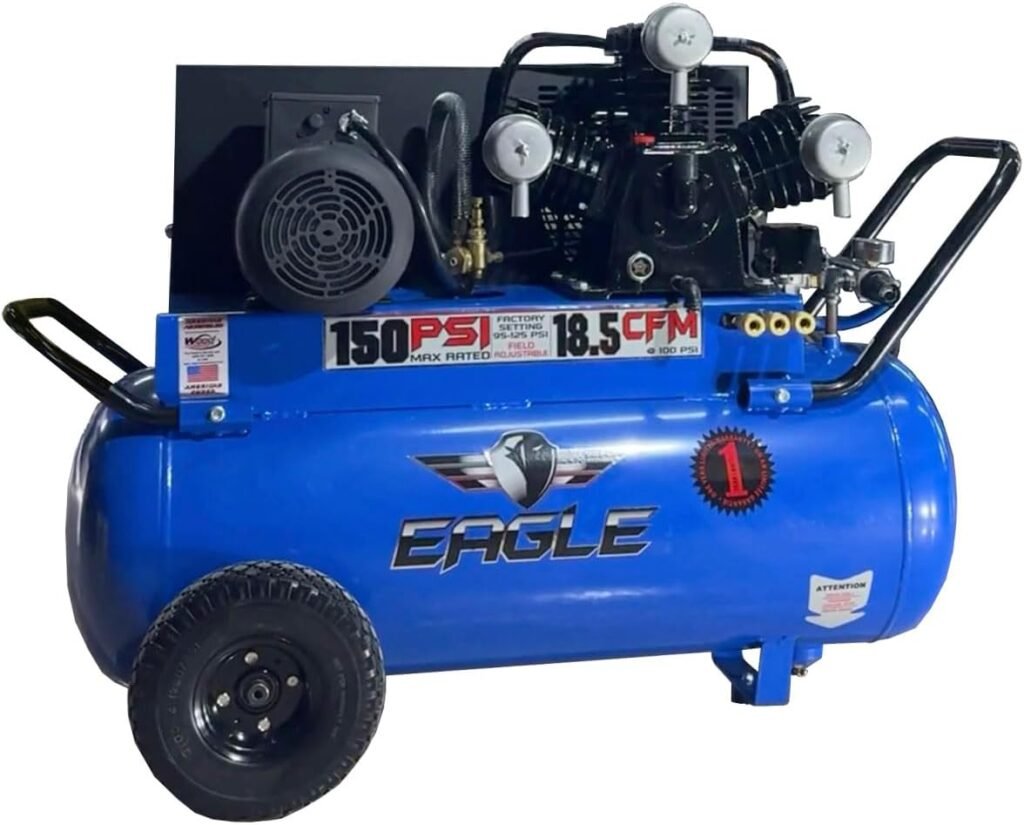
We want to know at a glance what this unit offers and whether it matches our typical tasks. The Eagle P5125H1 is a horizontal, single-stage compressor mounted on a 25-gallon tank with a 5 HP motor and a manufacturer-rated 18.5 CFM output. It is built for portability with flat-free tires and has features geared toward contractors and serious DIYers.
Key selling points
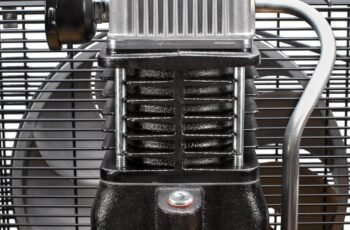
We appreciate features that make daily use easier and more reliable. This model highlights sturdy flat-free tires for transport, a front-mounted oil drain and easy-to-read oil gauge, metal air filters with an “auto-drop” feature for robust performance, and a “V” design that reduces vibration and helps keep operation smoother and cooler.
Specifications Table
We like clear numbers when comparing compressors, so here’s a compact breakdown of the most important details.
| Specification | Detail |
|---|---|
| Product Name | Eagle P5125H1 Electric Air Compressor, 25-Gallon, Horizontal Portable Single Stage, 18.5 CFM, 5 HP, 150 PSI Max |
| Tank Capacity | 25 gallons |
| Pump Type | Single stage |
| Rated CFM | 18.5 CFM (manufacturer rating) |
| Max PSI | 150 PSI |
| Motor Power | 5 HP |
| Voltage | 220V |
| Noise Level | 77 dB (manufacturer rating) |
| Mobility | Flat-free tires; horizontal design |
| Oil Drain | Front-mounted |
| Oil Gauge | Front-mounted for easy viewing |
| Air Filters | Metal with “auto-drop” feature |
| Vibration | “V” design with individual cylinders |
| Included Controls | Outlet valve and regulator with 3 quick connects |
| Typical Use | Contractor, heavy DIY, small shop |
Physical Design and Build Quality
We want a compressor that conveys durability and thoughtful design. The horizontal 25-gallon tank gives a lower center of gravity and better stability. The flat-free tires are a practical touch that reduces downtime from punctures and simplifies moving between job sites.
Materials and finishing
We notice that the metal air filters and the heavy-duty components indicate a build intended for frequent, rugged use. The oil-fill and drain placements are logical and user-friendly, reducing the chance of spills or awkward servicing.
Footprint and setup
We find the horizontal layout easier to fit beneath workbenches or in tighter shop spaces compared with tall vertical tanks. The unit’s size requires planning for a 220V connection and a stable, level floor for mounting and operation.
Performance and Power
We care about how well the compressor will supply air to our tools and how consistently it will hold pressure under load. The Eagle P5125H1 is rated at 18.5 CFM and 150 PSI max, powered by a 5 HP motor, which puts it squarely in the category of compressors intended for demanding tools and continuous jobsite use.
CFM and tool compatibility
We know that CFM (cubic feet per minute) determines what tools the compressor can run and for how long. With a manufacturer-rated 18.5 CFM, this unit should support high-demand applications such as finish spray guns, framing nailers in sustained use, larger impact wrenches, tire inflation, and some sandblasting tasks depending on nozzle size.
Pressure delivery and duty cycle
We expect the 150 PSI max to be useful for tools that require higher pressure headroom, though most pneumatic tools operate in the 90–120 PSI range. The single-stage pump and the “V” design aimed at reducing vibration contribute to smoother and potentially cooler operation, which helps during longer duty cycles.
Noise and Vibration
We prefer compressors that don’t dominate the shop with noise or shake tools and fixtures loose. Eagle rates this model at about 77 dB, which we consider moderate for a 5 HP, jobsite-grade compressor.
Sound level context
We understand that 77 dB is comparable to a busy street or a loud vacuum — noticeable but not overwhelmingly loud in a shop setting. For prolonged indoor use near workstations, we recommend hearing protection when close to the running unit, especially during heavy workloads.
Vibration control
The “V” design and individual cylinders are meant to minimize vibration. We appreciate that approach because lower vibration improves longevity of fittings and reduces noise resonances in shop structures.
Portability and Handling
Moving heavy equipment can be a chore, so the transporter features are important to us. The compressor’s flat-free tires and horizontal shape make it easier to roll between locations and steady on uneven job sites.
Mobility features
We like that the flat-free tires remove worries about punctures and maintenance of tire pressure. The low profile and balanced weight distribution help when anchoring the compressor or moving it through doors and over ramps.
Handling tips
We recommend using two people for lifting or loading into vehicles and using caution on uneven ground. The unit rolls well but can be heavy to maneuver on inclines or loose gravel.

Controls, Outlets and Accessories
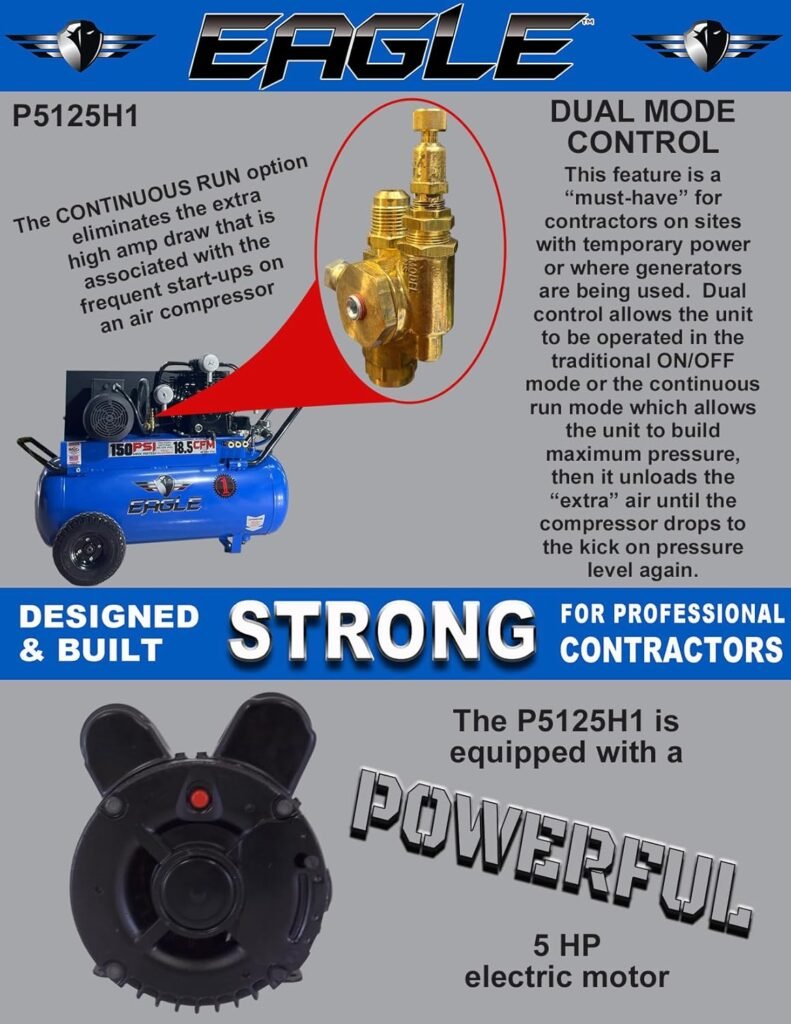
We want fast hookup and flexible usage. The included outlet valve and regulator with three quick-connects provide immediate multi-tool connectivity, which is convenient for crew environments.
Quick-connect setup
Having three quick-connects on the regulator reduces the need for constantly switching hoses between tools. We find this especially handy during busy tasks where one member may be nailing while another sprays finish.
Gauges and visibility
The oil gauge and front-mounted drain simplify routine checks and maintenance. We appreciate how accessible these components are when the unit is placed against a wall or in a corner.
Maintenance and Serviceability
We value equipment that’s easy to maintain because proper upkeep extends life and optimizes performance. The front oil drain and visible oil gauge make oil changes straightforward, and the robust air filters reduce the frequency of filter servicing.
Oil and filter care
We recommend checking oil levels before each day of heavy use and following a consistent oil-change schedule based on hours of operation as indicated in the owner’s manual. Clean or replace the metal air filters per the recommended intervals, and keep the “auto-drop” mechanism clean so it can perform as intended.
Preventative checks
We advise routine inspection of hoses, fittings, belts (if applicable), and safety valves. Drain accumulated moisture from the tank regularly to prevent rust and prolong tank life.
Electrical Requirements and Installation
We must ensure our shop electrical system safely supports this compressor. This unit requires a 220V supply — typically single-phase for portable models — and a dedicated circuit sized to the motor’s requirements.
Dedicated circuit advice
We strongly suggest consulting an electrician to verify breaker size, wire gauge, and outlet configuration before hooking up the compressor. Starting amps will be higher than running amps, so correct breaker sizing and wire gauge are critical for safety and performance.
Safety and ventilation
We recommend placing the compressor in a well-ventilated area, away from flammable materials, and ensuring clear airflow around the motor and pump to keep operating temperatures moderate.
Break-In and First Use
We aim to get maximum life and performance from new equipment, so initial setup matters. Follow the manufacturer’s instructions for break-in hours, initial oil changes, and proper torqueing of fittings.
Initial checks
Before starting the compressor for the first time, we check oil level, secure fittings, and ensure all shipping brackets or straps have been removed. We also verify the voltage and confirm the correct wiring to avoid motor damage.
Break-in procedure
We recommend running the compressor unloaded for a short period to allow bearings and seals to seat, then bringing it under light load before full operation. Completing a first oil change after the recommended break-in hours helps remove any initial metal particles from the pump.
Daily Use Recommendations
We want routines that minimize downtime and keep the unit working reliably. Simple daily checks and quick housekeeping can prevent common compressor issues.
Pre-start checklist
Every day we suggest checking oil level, drain any moisture from the tank, inspect hoses for wear, verify quick-connects are secure, and ensure the area is clear of obstructions.
During operation
We monitor gauges for correct pressure and watch for overheating or unusual noises. If the compressor runs hotter than usual or cycles abnormally, we pause and inspect for blocked filters, low oil, or pressure switch issues.
Safety Features and Best Practices
We prioritize safety for ourselves and our crew when working with pressurized systems. Knowing where the safety valve, pressure switch, and drain are located helps us respond quickly to any abnormal conditions.
Safety valve and overpressure protection
We regularly inspect the safety relief valve to ensure it is functional, and we never operate the compressor with a known defective safety device. Properly set pressure regulators and routine valve testing are critical.
Personal protective equipment
We wear hearing protection close to the compressor during operation and eye protection when connecting or disconnecting hoses, especially when residual pressure remains in lines.
Comparison with Similar Models
We like to evaluate options to ensure the compressor meets our budget and performance needs. Compared with vertical 25-gallon compressors, the Eagle P5125H1’s horizontal layout and higher CFM rating (18.5 CFM) make it better suited for heavier use and multiple simultaneous tools.
Horizontal vs vertical tanks
We prefer the horizontal design for portability and stability, though vertical tanks can be more space-efficient in tight shops. The higher CFM and 5 HP motor put this Eagle unit above many lighter-duty 1–3 HP vertical compressors.
Single-stage vs two-stage pumps
This model is single-stage, which is common for tanks of this size and is perfectly adequate for pressures up to 150 PSI. Two-stage pumps are usually reserved for very high-pressure applications or larger-capacity tanks.
Pros and Cons
We find it helpful to list major strengths and limitations so we can quickly weigh the value.
Pros
- Robust 5 HP motor and 18.5 CFM rating that supports heavy-duty tools and multiple users.
- 25-gallon tank with 150 PSI max for good reserve capacity and flexibility.
- Flat-free tires and horizontal form factor enhance portability.
- Front-mounted oil drain and oil gauge for easier maintenance.
- Metal air filters with “auto-drop” feature for reliable filtration and performance.
- Outlet valve and regulator with three quick-connects improve workflow on job sites.
Cons
- Requires 220V electrical service and a properly sized breaker — may necessitate electrician work.
- At 77 dB, noise is moderate; hearing protection recommended for prolonged close proximity.
- Size and weight mean it’s portable but still heavy to lift; transport requires ramp or manpower.
- Some users may prefer a quieter or oil-free model for finishing work indoors.
Tool Compatibility Guide
We want to match tools to compressor output so we can plan work sessions. Below is a general guide correlating typical pneumatic tools and their approximate CFM draw to indicate whether the Eagle P5125H1 is suitable.
| Tool Type | Typical CFM Requirement | Suitability with Eagle P5125H1 (18.5 CFM) |
|---|---|---|
| Brad/finish nailer | 0.5 – 2 CFM | Excellent — multiple users simultaneously |
| Framing nailer | 2 – 5 CFM | Excellent — sustained use supported |
| Impact wrench (1/2″) | 4 – 8 CFM | Good — depends on duty cycle and use pattern |
| Air ratchet | 4 – 6 CFM | Good — supports most applications |
| Paint spray gun (HVLP) | 10 – 15 CFM | Good — supports most medium spray jobs |
| Portable sandblaster | 20+ CFM (varies) | Borderline — may need lower-pressure nozzle or intermittent use |
| Tire inflator | 1 – 5 CFM | Excellent |
| Air sander | 6 – 12 CFM | Good — depends on sanding intensity |
We recommend cross-checking tool manufacturers’ CFM specs at the pressure you intend to run (usually 90 PSI) to ensure consistent performance.
Common Issues and Troubleshooting
We want straightforward fixes for common compressor problems so downtime is minimized. Here are likely issues and what we do to address them.
Compressor won’t start
We check the following: power to outlet, correct voltage, circuit breaker and fuses, motor overload/reset button, pressure switch settings, and any visible wiring or control damage. If the motor hums but doesn’t start, this may indicate a start capacitor issue or binding pump; we shut it down and consult a technician.
Pressure won’t reach cut-out
We inspect for air leaks, check belt tension (if belt-driven), verify pressure switch operation, confirm intake filter cleanliness, and ensure oil level is adequate. A faulty unloader valve or leaking head gasket can also reduce pressure.
Excessive noise or vibration
We tighten mounting bolts, inspect mounts and isolators, check for worn bearings, and ensure the pump and motor align properly. The “V” design helps, but worn parts can degrade smoothness over time.
Overheating
We confirm adequate ventilation, ensure oil levels are correct, and reduce continuous duty if necessary. Blocked cooling fins or a dirty intake filter can raise operating temperatures.
Accessories and Upgrades We Recommend
We like to equip compressors with a few accessories that add convenience and functionality. The following items can improve performance or ergonomics.
- Inline moisture/oil/water separators to protect tools and finishes.
- Larger or reinforced hoses to reduce pressure drop for long runs.
- An aftermarket hour meter to track maintenance intervals.
- A drip tray or vibration pad to protect floors and dampen vibration further.
- Wheel chocks or a simple roll cage for safer transport.
Warranty, Support, and Parts Availability
We consider warranty and parts access an important factor in long-term ownership. Check Eagle’s warranty policy and local dealer support for parts and service. Factory-supported parts for pumps, regulators, and valves extend the service life of the unit.
Service network
If we plan to use the compressor on a routine basis, we prefer buying through channels that offer accessible service centers or parts distribution. Confirm local availability of replacement filters, belts (if used), valves, and pump parts.
Price vs Value
We weigh the purchase price against the long-term utility. For us, a 5 HP, 18.5 CFM, 25-gallon compressor at contractor-grade build quality represents a strong value if we need sustained airflow and the mobility to move between jobs.
Long-term ownership cost
We factor in the cost of electricity, oil changes, filters, and possible repairs. Routine maintenance is a small fraction of the purchase price but is essential to maximize longevity and performance.
Who Should Buy the Eagle P5125H1?
We think this compressor is best for users who need robust, mobile compressed air for demanding tasks. Typical ideal users include:
- Contractors working on framing, roofing, or finishing where multiple pneumatic tools may be used.
- Small shops that need reliable multi-tool performance without upgrading to a stationary 80–120 gallon system.
- Serious DIYers who take on high-demand projects and want contractor-style reliability.
Who might look elsewhere
If we only occasionally use small brad nailers or a single finish gun, a smaller, quieter, or oil-free compressor may be more economical. For heavy industrial production lines or continuous high-volume shop use, larger stationary two-stage systems may be a better long-term fit.
Buying and Installation Checklist
We want a smooth purchase and installation. Before committing, we verify the following:
- Confirm 220V single-phase availability and breaker/wiring specs with an electrician.
- Measure the physical space where the compressor will operate to ensure fit and clearance.
- Verify the vendor’s return policy and shipping method for potential damage during transit.
- Ask about initial oil and break-in procedures included in the manual.
- Check for local service centers and parts availability.
Frequently Asked Questions (FAQ)
We anticipate common queries and address them so we don’t have to chase answers later.
Q: Does this unit require 220V single-phase or three-phase power? A: The listed specification is 220V. We recommend confirming with the seller whether the motor is single-phase or three-phase and matching that to our shop supply.
Q: What is the duty cycle? A: The manufacturer doesn’t provide a specific duty-cycle percentage in the summary, so we follow the recommended operating and rest intervals provided in the owner’s manual and avoid continuous overload.
Q: Can it run multiple tools at once? A: Yes — with an 18.5 CFM rating and three quick-connects, this compressor can typically run several light-to-medium-demand tools simultaneously. High-CFM tools used together may reduce performance, so we monitor PSI and adjust usage patterns.
Q: How loud is 77 dB in practice? A: 77 dB is noticeable but not deafening; we still recommend hearing protection during extended close-range exposure.
Final Verdict
We find the Eagle P5125H1 Electric Air Compressor, 25-Gallon, Horizontal Portable Single Stage, 18.5 CFM, 5 HP,150 PSI Max to be a compelling choice for contractors, busy garages, and DIYers who need reliable, mobile, multi-tool compressed air. The combination of a 5 HP motor, 18.5 CFM rating, 150 PSI capacity, flat-free tires, front-mounted maintenance points, and a relatively moderate noise rating make it a practical and serviceable unit.
We recommend this model if we need a balance of portability and power and are prepared to supply the required 220V electrical circuit. Regular maintenance, proper installation, and appropriate protective accessories will let us get the best performance and longevity from this compressor.

Disclosure: As an Amazon Associate, I earn from qualifying purchases.