?Are we ready to see whether the NorthStar Portable gas powered air compressor – Honda GX390 OHV Engine, 30-Gallon Horizontal Tank, 24.4 CFM at 90 PSI fits our workshop, jobsite, or fleet needs?

Product Overview
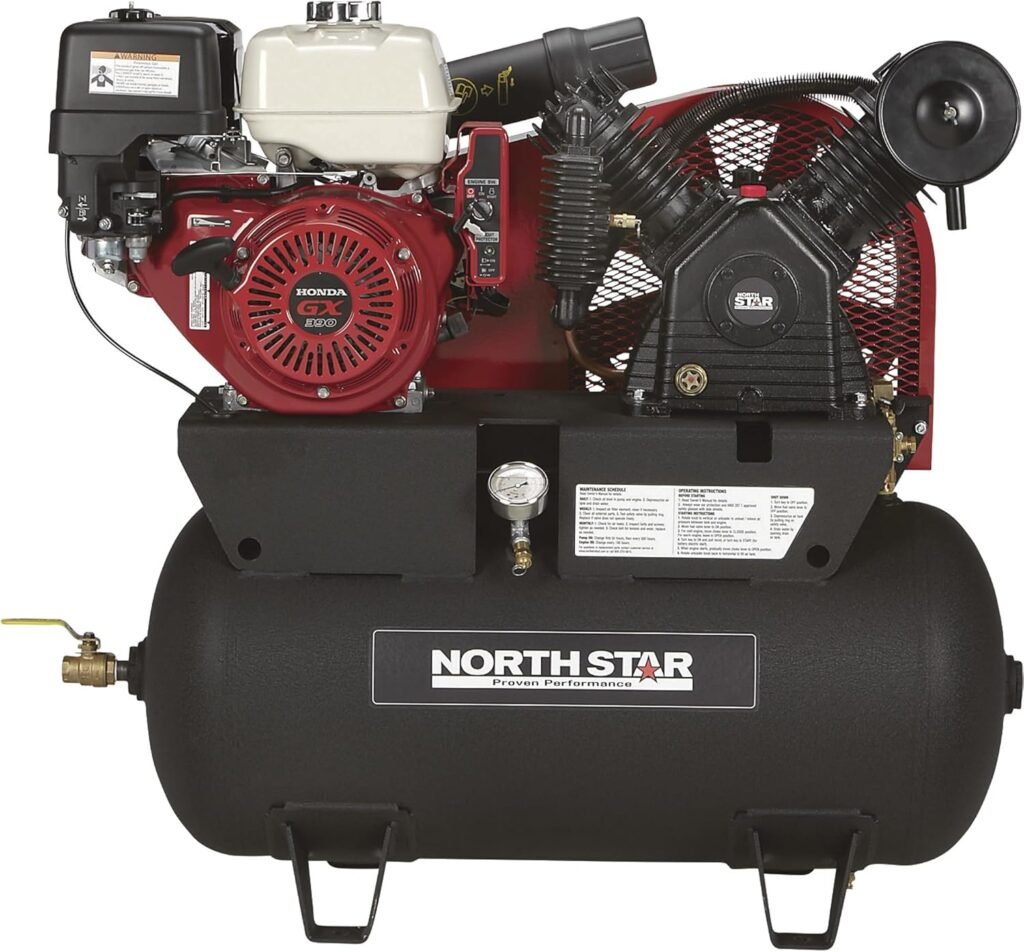
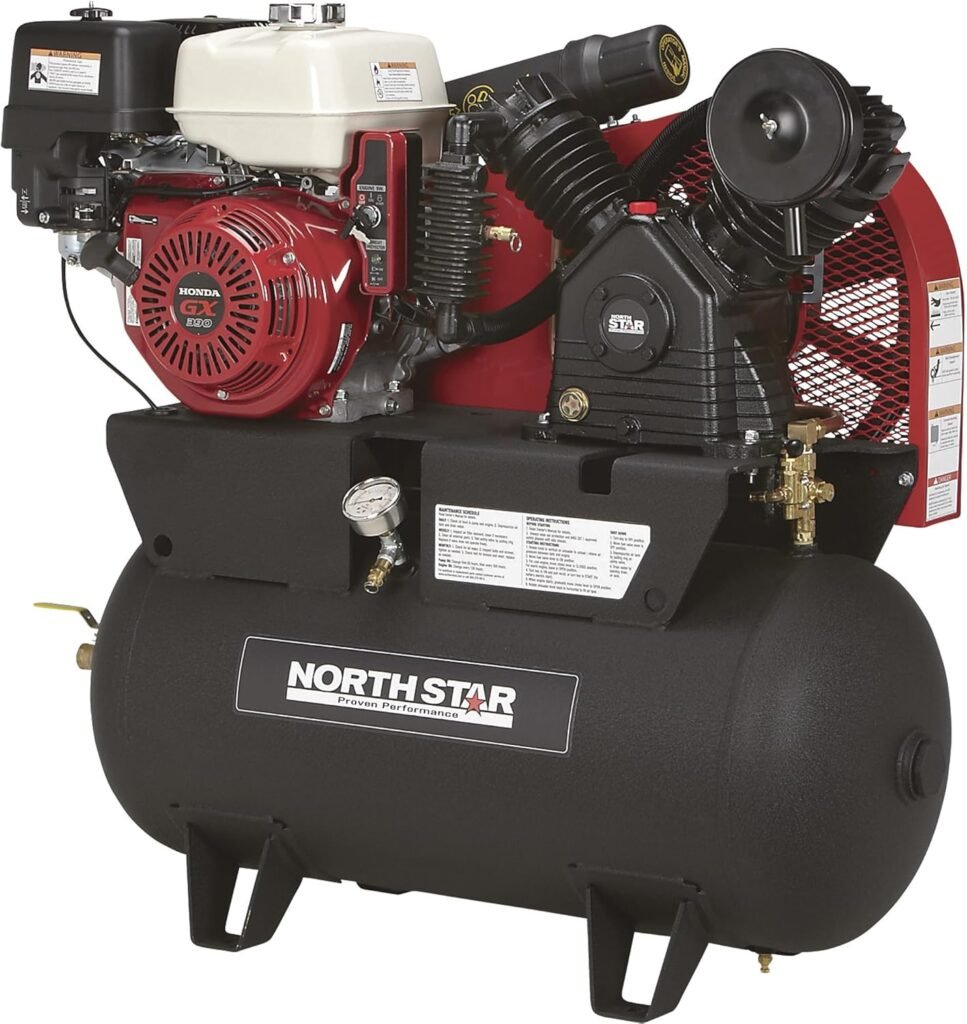
We want to get a clear sense of what this compressor delivers and how it stacks up for demanding tasks. The NorthStar Portable Gas Powered Air Compressor features a Honda GX390 OHV engine and a 30-gallon horizontal tank, with a rated 24.4 CFM at 90 PSI, which positions it as a high-capacity, portable solution for heavy-duty pneumatic applications.
Who this unit is for
We should consider who benefits most from this compressor to determine whether it matches our needs. It’s tailored for contractors, fleet maintenance, agricultural operations, and shops that require robust, mobile compressed air without reliance on shop electricity.
Key Features Summary
We like to summarize the most important features so we can quickly evaluate suitability. Key highlights include the Honda GX390 OHV engine with electric start and recoil backup, low oil shutdown protection, a full cast iron pump, V-style cylinder design, and an FC35 grade cast iron pump head.
Why these features matter
We should understand practical implications rather than just specs. Reliable starting, engine protection, durable pump materials, and efficient cooling all translate to longer life, less downtime, and better performance under continuous or intermittent heavy loads.
Technical Specifications Table
We find a concise table useful to compare specs at a glance. Below we present the most relevant technical specifications as provided and where data is not specified, we indicate so.
| Specification | Detail |
|---|---|
| Product Name | NorthStar Portable Gas Powered Air Compressor – Honda GX390 OHV Engine, 30-Gallon Horizontal Tank, 24.4 CFM at 90 PSI |
| Engine | Honda GX390 OHV |
| Starting | Electric start / Recoil backup |
| Low Oil Shutdown | Yes |
| Battery Charging Circuit | 3 Amp (battery not included) |
| Pump Material | Full cast iron pump |
| Cylinder Design | V-style for superior cooling |
| Pump Head Material | FC35 Grade cast iron |
| Rated Output | 24.4 CFM @ 90 PSI |
| Tank Capacity | 30 gallons (horizontal) |
| Fuel Type | Gasoline |
| Portability | Towable / portable (details vary) |
| Weight | Not specified |
| Dimensions | Not specified |
How to read the table
We like to interpret key items in the table so that specifications translate to practical use. The rated 24.4 CFM at 90 PSI tells us how many tools we can run simultaneously, while the Honda GX390 engine and cast iron pump materials indicate durability and long service life.
Engine and Starting System
We often find the engine and starting system determine reliability in the field. This model uses the Honda GX390 OHV engine with both electric start and recoil backup, giving us redundancy if the battery is low or absent.
Electric start and recoil backup
We appreciate having both start options so our workflow doesn’t stall due to a dead battery. The electric start speeds up daily use while the recoil backup ensures we’re not stranded when the battery isn’t available.
Low oil shutdown and charging circuit
We value protective features that guard the engine and keep our equipment running. The low oil shutdown helps prevent catastrophic engine damage, and the 3 Amp battery charging circuit (battery not included) maintains battery charge during operation.

Pump Construction and Cooling
We prefer pumps built for longevity, and this unit uses a full cast iron pump and V-style cylinder design for superior cooling. Those construction choices reduce wear and thermal stress during heavy or prolonged operation.
FC35 grade cast iron pump head
We like materials that stand up to long-term use and real-world jobsite abuse. The pump head made of FC35 grade cast iron improves mechanical strength and wear resistance compared to lighter materials, giving us confidence in pump durability.
V-style cylinder design benefits
We notice that cooling is essential for high-duty-cycle compressors, and the V-style layout improves airflow around cylinders. Better cooling reduces thermal fatigue and extends seal and component life, which is helpful for continuous or frequent high-load use.
Performance: CFM, PSI, and Practical Output
We constantly check CFM and PSI to match compressor capability with tool requirements. With 24.4 CFM at 90 PSI, this compressor can run multiple heavy-demand tools or a sequence of tools in a busy shop.
What 24.4 CFM at 90 PSI means in practice
We prefer to translate ratings into realistic tasks so we know what to expect on the job. At 24.4 CFM and 90 PSI, we can operate framing nailers, impact wrenches, grinders, and paint systems in combinations that smaller compressors can’t sustain without frequent cycling.
Duty cycle and expected runtime
We want compressors that don’t overheat or fail under workload, and the combination of a robust Honda engine and cast iron pump supports higher duty cycles. While exact duty cycle percentages aren’t specified, the materials and cooling design indicate suitability for longer operational periods than small portable compressors.
Tank Capacity and Configuration
We often prioritize tank size for better pressure stability and fewer motor starts. The 30-gallon horizontal tank balances portability and storage so we can handle intermittent high-flow demands without immediate engine engagement.
Advantages of a 30-gallon horizontal tank
We like horizontal tanks because they are often easier to tow and store, and 30 gallons provides a substantial air reserve for tool bursts. That buffer reduces short cycling and helps maintain consistent pressure during tasks like spray painting or operating impact tools.
How tank size affects tool selection
We try to match tank capacity with the tools we plan to use, and 30 gallons gives us flexibility for a wide range of pneumatic equipment. Larger tanks smooth out air delivery and let us run tools longer between engine starts compared to 6–20 gallon shop compressors.
Portability and Mobility
We consider how easy it is to move the compressor between sites and within a shop. The NorthStar is marketed as portable with a horizontal 30-gallon tank and typically includes wheel and tow options, making it a practical pick for mobile contractors.
Physical handling and transport
We often need to tow compressors on trailers or move them across rough jobsite terrain, and a portable design with sturdy wheels and a horizontal tank orientation aids stability. We should check carrier or trailer compatibility and plan for proper tie-downs when transporting.
Weight considerations
We keep in mind that all components—engine, cast iron pump, tank—add substantial weight, which helps stability but requires appropriate transport equipment. Because the exact weight isn’t specified, we recommend verifying shipping and handling requirements before purchase.
Noise and Vibration
We care about operator comfort and jobsite noise regulations, and engine-driven compressors are typically louder than electric shop models. The Honda GX390 engine is known for relatively smooth operation among small gas engines, but we should expect audible noise and some vibration under load.
Mitigation strategies for noise
We often use mufflers, sound-attenuating enclosures, or distance to reduce perceived noise levels at the operator position. Planning for placement and insulated mounting can improve comfort and compliance with local noise limits.
Vibration and mounting
We look for vibration isolation and solid mounting points to minimize wear to connected lines and the compressor chassis. Good mounts prolong component life and improve operator experience during extended use.
Fuel Consumption and Run Time
We aim to know how much fuel the compressor uses to plan refueling and estimate operating cost. The Honda GX390 is relatively efficient for its class, but fuel consumption depends on load, duty cycle, and whether we run continuously at high flows.
Estimating fuel needs
We should calculate fuel needs based on typical runtime per shift and the engine’s fuel tank capacity, which varies by configuration. Because we’re using a gas engine, we’ll plan for periodic refueling and factor fuel cost into overall operating expenses.
Tips to extend run time
We suggest running the compressor at moderate loads when possible, keeping the engine tuned, and using the low oil shutdown as intended. Properly sized jobs and batching high-demand tasks can reduce total fuel consumed across a workday.
Maintenance and Serviceability
We prefer compressors that are service-friendly so routine maintenance doesn’t become a burden. The full cast iron pump and Honda engine are designed for longevity, but they require regular oil changes, filter checks, and valve maintenance like any mechanical system.
Regular maintenance tasks
We recommend checking oil levels, cleaning or replacing air filters, inspecting belts (if present), draining condensation from the tank, and verifying the low oil shutdown function. Keeping a maintenance log helps us stay ahead of wear items and identify trends before failures occur.
Parts availability and service network
We expect Honda-powered equipment to benefit from a widespread parts and service network, which simplifies repairs. The pump’s cast iron construction means replacement parts are standard for this class of compressor, but we should confirm the availability of NorthStar-specific parts and technical support.
Safety Features and Best Practices
We always prioritize safety and want features that reduce risk to people and property. Low oil shutdown helps protect the engine, and standard safety valves, pressure relief devices, and secure mounting points are essential for safe operation.
Built-in safety components
We should verify the presence and operation of pressure relief valves, check valve, and proper governor or regulator systems. These components prevent overpressurization and ensure predictable system behavior when multiple tools are in use.
Operational safety tips
We advise draining the tank regularly to prevent corrosion from moisture, ensuring good ventilation for gasoline fumes, and using hearing protection around engine-driven compressors. Proper grounding isn’t required for gasoline engines, but we should avoid spark sources near fuel or vents.
Installation and Setup
We prefer equipment that is easy to set up and deploy in a variety of jobsite configurations. This unit typically requires minimal assembly, connection to a battery for electric start (if desired), and secure mounting to a trailer or platform if we plan to tow it.
First-time startup checklist
We suggest inspecting the unit for shipping damage, filling engine oil and fuel, checking pump oil (if separate), installing or connecting a battery for electric starting, and verifying all fittings and hoses are secure before first use. Running the compressor through a short break-in under moderate load can help seat components.
Hookup and airline considerations
We recommend using proper-rated hoses, quick couplers, and regulators sized for 24+ CFM flow and 90 PSI working pressure. Using undersized fittings or hoses will restrict flow and create heat or pressure drop issues that can degrade tool performance.
Accessories and Add-ons
We like to customize compressors to our needs, and several accessories can improve functionality and convenience. Common additions include inline air filters, moisture separators, hose reels, pressure gauges/regulators, and protective canopies for weather exposure.
Recommended accessories for jobsite use
We often add a sediment/moisture trap to protect tools, a quality regulator to match tool pressures, and durable hoses rated for heavy-duty pneumatic use. If the compressor will be outside for extended periods, a canopy or weather shield is useful to protect engine components.
Optional upgrades for longevity
We recommend considering upgraded mufflers or remote-mounted controls to reduce noise at the operator location. A battery box and heavy-duty trailer mounting hardware can make transport more secure and long-term service simpler.
Common Applications and Use Cases
We like to position equipment against common tasks so we can make realistic choices. The NorthStar with Honda GX390 and 24.4 CFM at 90 PSI is well suited to heavy framing, roofing nailers, impact wrench work for fleet maintenance, small blasting, and medium-sized paint operations.
Construction and contracting
We often see contractors using this class of compressor to run multiple nailers and impact tools from a single source. The portability and large tank help sustain performance across a busy jobsite without frequent stops.
Automotive and fleet service
We recommend this model for mobile service rigs that need air for tire service, impact tools, and general pneumatic maintenance. The Honda engine’s reputation for reliability is an advantage in mobile environments.
Agricultural and remote sites
We find farm and remote operations that lack reliable grid power appreciate a gas-powered compressor for maintenance tasks and machinery servicing. The electric start option makes daily use easier, while recoil backup offers a fallback.
Comparison with Other Compressor Types
We usually benchmark against alternatives to understand trade-offs in cost, performance, and convenience. Compared with electric shop compressors, this gas-powered NorthStar offers mobility and higher CFM without requiring a 240V supply, but it is louder and requires fuel and routine engine maintenance.
Portable gasoline vs. electric compressors
We prefer gas when we need remote operation or towing, while electric compressors are quieter and simpler for indoor shop use. For tasks requiring sustained high CFM in remote locations, the NorthStar is a clear advantage.
Stationary industrial compressors
We note that dedicated industrial stationary compressors often deliver higher continuous duty cycles, larger reservoirs, and quieter operation when connected to a facility with proper power. For fixed installations, a stationary system may be more economical long term, but portability and Honda engine reliability make the NorthStar attractive for mixed-use scenarios.
Pros and Cons
We find listing pros and cons helps balance enthusiasm with practicality. Below we summarize our assessment so we can make a reasoned decision.
Pros
- Reliable Honda GX390 OHV engine with electric start/recoil backup gives dependable starting options.
- Full cast iron pump and FC35 pump head improve longevity and wear resistance.
- V-style cylinder design enhances cooling for higher duty operation.
- 24.4 CFM at 90 PSI provides strong output for multiple tools or higher-demand tasks.
- 30-gallon tank offers a good balance of portability and air storage.
Cons
- Engine-driven compressors are naturally louder and require more maintenance than electric models.
- Weight and dimensions (not specified) could complicate transport without appropriate trailer or vehicle.
- Battery for electric start is not included, so we must add that expense and maintenance.
- Exact duty cycle and weight specifications are not provided, so we must confirm details for critical applications.
Purchasing and Ownership Considerations
We want to be thorough before spending money, so there are several practical items to confirm before purchase. We recommend verifying shipping dimensions, weight, warranty terms, availability of local service, and whether the unit is supplied ready to run or requires assembly.
Questions to ask the seller
We suggest asking about included accessories (battery not included), whether a muffler or canopy is included, the exact package weight, and shipping/crating protection. Confirming available spare parts and local repair services helps us assess long-term ownership costs.
Budgeting for total cost of ownership
We need to account for fuel, routine maintenance (oil, filters), replacement parts, battery purchase, and potential mounting or tow hardware. Factoring these into the initial purchase decision gives a clearer view of lifecycle costs.
Warranty, Support, and Parts
We value clear warranty coverage and accessible support to minimize downtime. Honda engines commonly have strong support networks, but we should confirm NorthStar’s warranty terms for the entire compressor package and understand who handles service for non-engine components.
Verifying warranty details
We advise reading warranty documents to determine what’s covered for the engine and for the compressor pump and tank. Understanding exclusions and required maintenance to keep the warranty valid is essential.
Service network and parts lead time
We recommend establishing where to source routine parts like valves, seals, and pump components, and checking lead times for less common items. A local qualified technician familiar with Honda engines and cast iron pumps is a good asset.
Final Verdict
We aim to summarize our view after considering features, performance, and practical ownership aspects. The NorthStar Portable Gas Powered Air Compressor with Honda GX390, 30-gallon tank, and 24.4 CFM at 90 PSI is a compelling option for heavy-duty portable compressed air needs, especially when mobility, reliability, and robust pump construction are priorities.
Who should buy it
We think this compressor is best for contractors, service vehicles, remote operations, and shops needing portable high-flow capabilities. If we require quieter, indoor-only operation or very long continuous duty cycles and have fixed power, a stationary electric compressor may be better, but for mobile, high-demand tasks this unit is a strong candidate.
Frequently Asked Questions (FAQs)
We anticipate a few common questions we and others often ask before purchasing or using a compressor like this.
Do we need a battery for the electric start?
Yes, a battery is not included, so we must provide one to use the electric start feature. We recommend selecting a battery that matches the engine’s cold cranking requirements and mounting it securely in a weather-protected box.
How often should we perform maintenance?
We suggest following the engine and pump manufacturer’s recommended service intervals—typically oil checks and changes after initial break-in and every set number of hours thereafter. Inspecting belts, filters, and drain valves regularly will keep the compressor reliable.
Can we use this compressor for paint jobs?
Yes, we can use it for painting, but we should install adequate filtration and moisture separation to prevent contaminants and water from affecting finish quality. For large paint booths or continuous industrial spray work, a larger or stationary system might still be preferable.
What if the compressor overheats?
We should shut down and allow the unit to cool before inspecting for blocked cooling fins, low oil, or other issues. The V-style cylinder cooling design helps mitigate overheating, but good airflow and avoiding sustained extreme loads will further reduce risk.
Closing Thoughts
We like to end with a clear, actionable note to help make a decision. If our work requires a mobile, robust compressor with a trusted Honda engine and a durable cast iron pump, the NorthStar Portable Gas Powered Air Compressor – Honda GX390 OHV Engine, 30-Gallon Horizontal Tank, 24.4 CFM at 90 PSI is a capable choice that balances power, durability, and portability.
Next steps for buyers
We recommend confirming weight and dimensions for transport planning, budgeting for a battery and accessories, and lining up maintenance resources. Taking those steps will ensure we get the performance we expect and keep the compressor running reliably for years.

Disclosure: As an Amazon Associate, I earn from qualifying purchases.