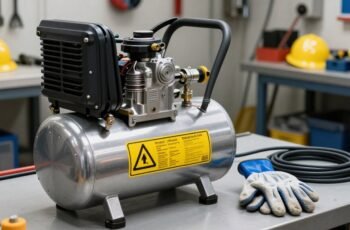
We recognize the importance of safety procedures, the necessity of proper setup, and the critical role of regular maintenance in preventing accidents. We acknowledge that worker training, equipment inspection, and emergency preparedness are essential components of an all-encompassing safety program. Establishing these protocols is complex and requires meticulous attention to detail. It’s crucial to explore each aspect thoroughly to guarantee a secure environment, especially when dealing with high-pressure systems that carry inherent risks.
Key Takeaways
- Implement proper personal protective equipment (PPE) such as safety goggles, ear protection, and gloves for all operators.
- Conduct regular inspections and maintenance of hoses, relief valves, and safety devices to prevent failures.
- Ensure the work area is well-ventilated, clean, and free of trip hazards to facilitate safe operation and emergency access.
- Train workers thoroughly on emergency shutdown procedures, lockout/tagout protocols, and equipment handling.
- Establish and follow comprehensive emergency response plans, including fire safety measures and incident documentation.
Understanding the Risks of Industrial Air Compressors
While industrial air compressors are essential for many operations, they pose significant safety risks if not properly managed. High-pressure systems can cause serious injuries, including crushed limbs or lacerations, if safety protocols are overlooked. Sudden release of compressed air can lead to flying debris, risking eye injuries or cuts. Over-pressurization may cause tank rupture, leading to catastrophic explosions. Noise levels often exceed safe limits, risking hearing loss without proper protection. Additionally, moisture buildup inside tanks can cause corrosion, weakening structural integrity and increasing explosion risk. Improper maintenance or failure to regularly inspect components can result in leaks or mechanical failure. Understanding these hazards helps us recognize the importance of strict safety measures to prevent accidents and ensure safe operation of industrial air compressors.
Setting Up a Safe Work Area for Compressor Use
A safe work area begins with ensuring the space around the compressor is clear of obstructions to prevent accidents and facilitate easy access. Proper ventilation is essential to disperse heat, fumes, and moisture, reducing the risk of equipment malfunction and health hazards. By carefully establishing these conditions, we create a controlled environment that supports safe and efficient compressor operation.
Clear Work Space
Establishing a clear, organized work area is essential to guarantee safe compressor operation. A clutter-free environment minimizes trip hazards and ensures easy access during operation or emergencies. To achieve this, we focus on three key points:
- Remove any unnecessary tools, debris, or materials from the immediate vicinity of the compressor.
- Designate specific storage zones for accessories and spare parts, keeping them away from the compressor’s airflow.
- Maintain unobstructed pathways around the compressor, ensuring quick, safe access for inspection, maintenance, or emergency shutdowns.
Proper Ventilation Setup
Ensuring proper ventilation is essential for maintaining safe compressor operation and preventing overheating. We carefully select a well-ventilated area, guaranteeing airflow is unobstructed from all sides. Adequate space around the compressor allows heat dissipation and reduces the risk of heat buildup. We avoid placing the compressor near walls, corners, or confined spaces that restrict airflow. Installing exhaust fans or vents can improve air circulation, especially in enclosed environments. Regular inspections of ventilation systems ensure they remain effective. We also consider ambient temperature; operating in cooler conditions helps prevent overheating. Proper ventilation not only safeguards the equipment but also protects workers from potential hazards associated with heat and fumes. Consistent maintenance of the work area’s airflow is a critical safety measure.
Proper Personal Protective Equipment for Operators
Proper personal protective equipment (PPE) is vital for operators to safely work around industrial air compressors. PPE minimizes exposure to hazards such as flying debris, high-pressure air releases, and noise. First, operators must wear impact-resistant safety goggles to protect eyes from potential projectiles or fluid splashes. Second, hearing protection like earplugs or earmuffs is essential to prevent hearing loss in noisy environments. Third, operators should don flame-resistant gloves and long-sleeved clothing to shield skin from accidental contact with compressed air or hot surfaces. Additionally, steel-toed boots provide foot protection from heavy objects, and respiratory masks may be necessary in dusty or chemical-laden atmospheres. Proper PPE guarantees safety, reduces injury risk, and promotes adherence to safety protocols.
Regular Inspection and Maintenance Procedures
Regular inspection and maintenance are essential to keep industrial air compressors operating safely and efficiently. We prioritize checking for leaks in hoses, fittings, and connections, as even minor leaks can compromise performance and safety. We also routinely inspect the pressure relief valves to ensure they’re functioning correctly and aren’t obstructed or corroded. Monitoring oil levels and replacing filters at manufacturer-recommended intervals prevent overheating and contamination. Additionally, we examine belts for signs of wear or misalignment, adjusting or replacing them as needed. Regularly testing safety devices and inspecting the compressor housing for cracks or corrosion helps prevent failures. Adhering to a detailed maintenance schedule minimizes downtime, improves lifespan, and guarantees safe operation. Precise record-keeping of inspections and repairs further supports ongoing safety and reliability.
Training Workers on Safe Operating Practices
Training workers on safe operating practices guarantees they understand proper equipment handling and emergency response procedures. We must emphasize correct techniques to prevent accidents and minimize risks during compressor operation. Clear, consistent instruction is essential for maintaining safety and readiness in all situations.
Proper Equipment Handling
To guarantee safe operation of industrial air compressors, we must thoroughly instruct workers on correct handling techniques and established operating procedures. Proper equipment handling minimizes risks and maintains system integrity. First, workers must perform thorough pre-operation inspections, checking for leaks, loose fittings, and proper oil levels. Second, they should handle components with care, avoiding abrupt movements or excessive force, especially when connecting or disconnecting hoses and fittings. Third, adherence to lockout/tagout procedures during maintenance prevents accidental startup. Precise training in these areas ensures workers understand the importance of each step, reduces equipment damage, and promotes safety. Regular reinforcement of these practices ensures handling remains consistent and safe, preventing accidents caused by neglect or improper use.
Emergency Response Procedures
When an emergency occurs involving an industrial air compressor, immediate and well-coordinated response is crucial to minimize injury, equipment damage, and operational downtime. We guarantee all workers are trained in specific emergency procedures, including shutting down the compressor safely and activating alarms. Clear communication protocols are established, so everyone knows their role during a crisis. We regularly conduct drills that simulate potential emergencies, emphasizing quick, precise actions. Proper use of emergency stop buttons and understanding lockout/tagout procedures are emphasized to prevent further hazards. Maintaining accessible emergency exits and first aid supplies is essential. Our training emphasizes awareness of potential hazards, enabling workers to respond swiftly and correctly, reducing risk and ensuring safety until professional responders arrive.
How to Handle and Store Compressed Air Safely
Handling and storing compressed air safely is essential to prevent accidents and equipment damage. Proper procedures guarantee safe operation and longevity of the system. First, always verify that connections are secure before use, inspecting hoses and fittings for wear or leaks. Second, use appropriate storage tanks designed for compressed air, keeping them in well-ventilated, dry areas away from heat sources. Third, regularly drain moisture from tanks to prevent corrosion and contamination, which could compromise system integrity. Additionally, avoid exposure to sharp objects that could puncture hoses or tanks, and never modify safety devices or pressure relief valves. Following these precise steps minimizes risks, maintains system efficiency, and ensures compliance with safety standards.
Emergency Response Steps for Compressor-Related Incidents
In the event of a compressor-related incident, rapid and organized response can prevent injuries, limit damage, and restore safe operation. First, immediately shut off the compressor’s power supply to halt operation and prevent escalation. Next, assess the situation—check for leaks, unusual sounds, or smoke. If electrical hazards are present, ensure the area is safe before approaching. Use personal protective equipment, such as gloves and goggles, when handling damaged components. If a fire occurs, activate the fire alarm and use an appropriate extinguisher—preferably CO2 or dry chemical—avoiding foam or water. Document the incident details, including time, cause, and affected equipment, and notify maintenance and safety personnel. Always follow established emergency protocols to ensure a swift, effective response and prevent further harm or damage.
Implementing Safety Policies and Continuous Improvement
Implementing effective safety policies is fundamental to establishing a proactive safety culture within industrial environments. We focus on creating clear, enforceable guidelines that promote consistent safety practices. To guarantee continuous improvement, we follow a structured approach:
- Regularly review incident reports and near-misses to identify trends and areas for enhancement.
- Conduct ongoing training sessions to reinforce safety protocols and introduce new procedures.
- Perform periodic audits of safety compliance and equipment to verify adherence and operational integrity.
Frequently Asked Questions
How Often Should Safety Training Be Refreshed for Compressor Operators?
We recommend revitalizing safety training for compressor operators annually, or whenever new equipment or procedures are introduced. Regular updates guarantee operators stay aware of safety protocols, minimizing risks and maintaining a safe, efficient work environment for everyone involved.
What Are the Signs of Compressor Malfunction Indicating Immediate Shutdown?
Like a ship’s alarm bell, sudden increases in vibration, unusual noises, overheating, or pressure drops signal compressor trouble. We shut down immediately, inspect for leaks, worn parts, or blockages to prevent further damage and guarantee safety.
Are There Specific Safety Standards Applicable to Different Types of Compressors?
Yes, safety standards vary by compressor type; for example, reciprocating compressors follow ASME codes, while centrifugal units adhere to NFPA guidelines. We guarantee strict compliance with these standards to maintain safe, reliable operation and prevent accidents.
How Can Noise Levels From Compressors Be Effectively Controlled?
Think of compressors as noisy neighbors; we control their volume by installing soundproof enclosures, using mufflers, maintaining equipment properly, and positioning them away from work areas, ensuring a quieter, safer environment for everyone.
What Are the Best Practices for Safely Disposing of Compressor Lubricants?
We always guarantee used lubricants are collected in sealed, labeled containers, then disposed of through certified hazardous waste facilities, following local regulations. Regular training keeps our team aware of proper handling, minimizing environmental impact and safety risks.
Conclusion
Together, by following these safety procedures, we create a work environment as secure as a well-guarded fortress. Staying vigilant, performing regular checks, and training ourselves thoroughly are key to preventing accidents. Just like a finely tuned machine, our safety measures work best when maintained consistently. Let’s commit to these practices, ensuring everyone’s safety and the smooth operation of our compressors—because a safe workspace is the foundation of our success.