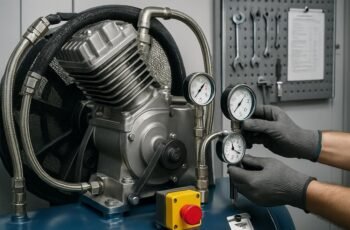
Regular inspections of air compressors are crucial to guarantee they operate efficiently and safely over time. By systematically examining critical components and verifying performance metrics, we can identify potential issues before they lead to costly failures. A structured checklist offers a thorough approach, but understanding the nuances of each step is essential for effective maintenance. The significance of this process becomes clear as we explore the key elements involved and the best practices for keeping equipment in ideal condition.
Key Takeaways
- Regularly inspect critical components such as filters, belts, gauges, and lubrication for proper condition and functionality.
- Verify system pressure, check for leaks, and ensure safety devices like pressure relief valves operate correctly.
- Use calibrated tools and leak detection solutions for accurate diagnostics and leak identification.
- Follow safety protocols by depressurizing the system, wearing PPE, and documenting inspection results.
- Address abnormal noises, corrosion, or mechanical issues promptly to prevent equipment failure.
Why Regular Air Compressor Inspections Are Critical
Regular inspections of air compressors are essential to guarantee peak performance and prevent costly downtime. Monitoring air compressor noise levels helps identify abnormal vibrations or leaks that can signal underlying issues affecting efficiency. Excessive noise often correlates with mechanical imbalances or worn components, which, if unaddressed, reduce energy efficiency and increase operational costs. Routine inspections enable early detection of inefficiencies, ensuring the compressor operates at its best and consumes less power. By systematically evaluating noise patterns and performance metrics, we can establish baseline conditions and quickly spot deviations. This proactive approach minimizes energy waste and extends equipment lifespan. Ultimately, regular inspections sustain reliable operation, maintain energy efficiency, and prevent unexpected failures that disrupt productivity and inflate maintenance expenses.
Key Components to Check During an Inspection
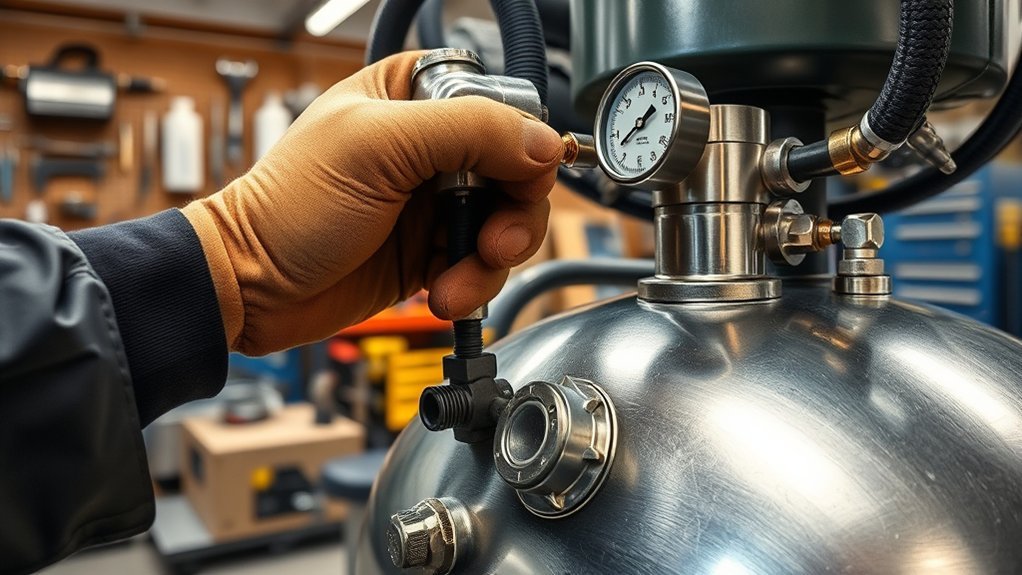
During an inspection, we focus on critical components such as air intake filters, pressure gauges, and the belt and pulley system to guarantee ideal performance. We verify that filters are clean and unobstructed, gauges display accurate readings, and belts are free of wear or damage. This targeted approach helps identify potential issues before they lead to system failure.
Air Intake Filters
Have you ever considered how essential the air intake filters are to an air compressor’s performance and longevity? These filters prevent contaminants like dust, dirt, and debris from entering the system, which can cause wear and reduce efficiency. During an inspection, we check the condition of the air intake filters for signs of clogging, damage, or excessive dirt buildup. If filters appear compromised, filter replacement becomes necessary to maintain ideal airflow and protect internal components. Neglecting filter maintenance can lead to increased operational costs, overheating, and premature equipment failure. Consequently, timely inspection and replacement of air intake filters are critical steps in ensuring the compressor operates at peak efficiency and extends its service life.
Pressure Gauges Functionality
Ensuring the accuracy of pressure gauges is essential for maintaining ideal compressor performance, as these instruments provide real-time readings of operating pressures. During inspection, we verify proper gauge placement to prevent vibrations or external impacts that could affect readings. Accurate gauge placement guarantees consistent visibility and minimizes measurement errors. We also check pressure calibration by comparing gauge readings against a known standard or reference device, confirming the gauge’s accuracy. Any discrepancies could lead to incorrect pressure adjustments, risking system efficiency or safety. Regular calibration and proper placement are critical for reliable readings, enabling timely interventions. By systematically evaluating these aspects, we guarantee the pressure gauges deliver precise, dependable data, which is necessary for optimal compressor operation and preventative maintenance.
Belt and Pulley Integrity
Regularly inspecting the belt and pulley system is essential for maintaining ideal compressor performance, as these components directly influence power transmission and operational efficiency. We focus on verifying proper belt tension to prevent slippage or excessive wear, which can reduce efficiency and lead to premature failure. Additionally, pulley alignment is critical; misalignment causes uneven belt wear, vibration, and potential damage to the pulley or belt. During inspection, we check for cracks, fraying, or glazing on the belt surface, and ensure pulleys are securely mounted and free of debris. Precise belt tension and correct pulley alignment optimize power transfer, reduce energy consumption, and extend component lifespan. Maintaining these factors guarantees reliable operation and minimizes unscheduled downtime.
Step-by-Step Guide to Performing a Visual Inspection
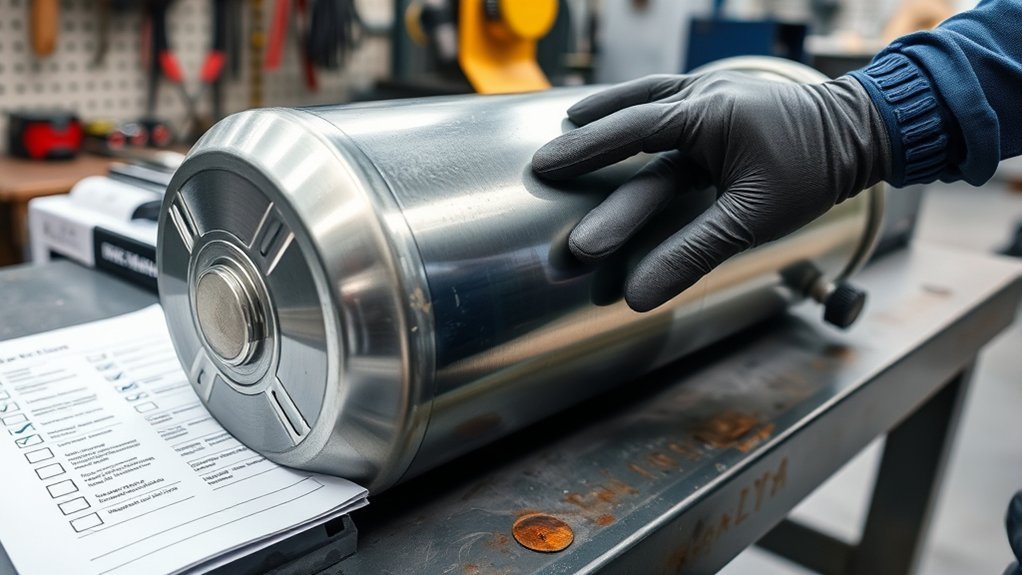
Performing a visual inspection of an air compressor requires a systematic approach to identify potential issues before they escalate. We start by examining air compressor lubrication, ensuring oil levels are adequate and lubricant is free of contaminants, as insufficient lubrication can cause overheating or component failure. Next, assess noise level, listening for abnormal sounds that may indicate bearing wear or misalignment. Look for signs of leaks around fittings, hoses, and seals, which can compromise system efficiency. Check for corrosion or damage on the compressor body, gauges, and safety devices. Confirm that cooling fins and ventilation areas are unobstructed. This thorough visual assessment allows early detection of issues, reducing downtime and preventing costly repairs.
How to Test and Verify Air Quality and Pressure Levels
To accurately assess the compressor’s operational integrity, we must systematically test and verify both air quality and pressure levels. Air quality testing involves analyzing the compressed air for contaminants such as oil vapor, moisture, and particulates, which can impact downstream equipment and process efficiency. Using calibrated filters and analyzers, we measure particulate count, dew point, and oil vapor levels to guarantee standards are met. Pressure level verification requires checking the output pressure against manufacturer specifications, typically using a reliable pressure gauge. We record readings at various operational points, ensuring the compressor maintains consistent pressure without fluctuations. This precise testing confirms the compressor’s ability to deliver clean, adequately pressurized air, minimizing operational risks and optimizing performance.
Common Issues Found in Air Compressors and How to Address Them
Identifying common issues in air compressors is essential for maintaining ideal performance and preventing costly downtime. Air compressor noise often indicates mechanical problems such as worn bearings or misaligned pulleys, which can lead to increased vibration and component failure if unaddressed. Lubrication issues are equally critical; insufficient or degraded lubricant causes increased friction, overheating, and accelerated wear of internal parts. Regular inspection of oil levels and quality is crucial to prevent these problems. Unusual noises should prompt immediate investigation into possible mechanical faults or lubrication deficiencies. Addressing these issues early reduces the risk of equipment breakdown, extends compressor lifespan, and ensures reliable operation. A proactive approach to diagnosing noise and lubrication problems helps maintain peak compressor efficiency and minimizes operational disruptions.
Creating a Maintenance Schedule Based on Inspection Results
Creating a maintenance schedule based on inspection results requires a systematic analysis of the data collected during routine checks. We review maintenance records to identify patterns, recurring issues, and component wear rates. This analysis informs the appropriate scheduling frequency for preventative tasks, ensuring timely interventions before failures occur. By correlating inspection findings with maintenance history, we can prioritize critical components and optimize resource allocation. Establishing a data-driven schedule helps prevent unexpected breakdowns and prolongs equipment lifespan. It also enables us to adapt maintenance intervals based on actual performance rather than fixed timelines. Ultimately, leveraging inspection results in this manner enhances operational efficiency and reduces downtime, making our maintenance program both proactive and precise.
Essential Tools and Safety Precautions for Air Compressor Inspections
To guarantee accurate inspections and maintain safety, we must utilize essential tools such as pressure gauges, leak detection fluids, and protective testing equipment. Equally important are personal safety gear like gloves, eye protection, and hearing protection to prevent injuries during procedures. Adhering to established safety procedures, including lockout-tagout protocols and proper inspection techniques, minimizes risks and ensures reliable assessment results.
Necessary Inspection Tools
Essential inspection tools are critical for accurately evaluating an air compressor’s condition and guaranteeing safety during maintenance. These tools include digital pressure gauges, leak detection solutions, and multimeters to accurately measure electrical components. Maintaining detailed maintenance logs allows us to track performance trends and identify recurring issues, facilitating targeted troubleshooting. Troubleshooting guides serve as essential references, helping us quickly diagnose problems based on observed symptoms. Additionally, inspection mirrors and flashlights improve visibility in tight or poorly lit areas. Using these tools systematically assures precise assessments of key components such as pressure relief valves, belts, and filters. This approach minimizes errors, streamlines diagnostics, and supports informed decision-making during inspections, ultimately enhancing operational safety and reliability.
Personal Safety Equipment
Why is proper personal safety equipment essential during air compressor inspections? Personal safety is critical to prevent injuries and guarantee effective equipment maintenance. During inspections, workers face hazards such as high-pressure systems, moving parts, and potential leaks. Wearing appropriate PPE—like safety goggles, gloves, and hearing protection—minimizes exposure to these risks. Hard hats and respiratory masks may also be necessary, depending on the environment. Proper personal safety measures not only protect individuals but also help maintain the integrity of the equipment by preventing accidental damage caused by unsafe practices. Emphasizing safety equipment during inspections promotes a disciplined approach to maintenance, reduces downtime, and ensures compliance with safety standards. Ultimately, extensive PPE use is integral to safe, efficient, and reliable equipment maintenance.
Safe Inspection Procedures
What are the key tools and safety precautions necessary to conduct a thorough and safe air compressor inspection? Essential tools include sound level meters to monitor air compressor noise, guaranteeing it remains within safe limits to prevent hearing damage and reduce environmental impact. Safety precautions involve powering down the unit, disconnecting power sources, and depressurizing the system to prevent accidental start-up. Personal protective equipment, like gloves and eye protection, is vital, especially when inspecting components that may be hot or under pressure. We must also check for leaks and abnormal noise patterns, which could indicate mechanical issues affecting both safety and environmental compliance. Maintaining a systematic approach minimizes risks, secures the safety of personnel, and helps identify issues that could increase noise pollution or environmental impact.
Frequently Asked Questions
How Often Should Air Compressors Be Inspected for Optimal Performance?
We recommend inspecting air compressors weekly, integrating maintenance scheduling and inspection tools to identify issues early. Regular checks guarantee peak performance, prevent costly breakdowns, and extend equipment lifespan through proactive maintenance and precise diagnostics.
What Are the Signs of Internal Wear in an Air Compressor?
Did you know 60% of compressor failures stem from internal wear? We observe signs like unusual vibrations, decreased efficiency, lubrication issues, and cylinder damage, indicating internal wear that requires immediate inspection to prevent costly breakdowns.
Can Regular Inspections Prevent Compressor Breakdowns?
Regular inspections, including lubrication maintenance and vibration analysis, help us detect early signs of wear, preventing compressor breakdowns. These proactive measures guarantee peak performance, reduce downtime, and extend equipment lifespan through timely maintenance actions.
What Safety Protocols Should Be Followed During Inspections?
We prioritize safety during inspections by wearing proper gear—gloves, goggles, ear protection—and ensuring our team is trained thoroughly, enabling us to analyze compressor components precisely while minimizing risks in a high-pressure environment.
How Do Environmental Factors Affect Compressor Inspection Routines?
Environmental impact profoundly influences inspection routines by introducing challenges like humidity, dust, and temperature fluctuations, which can compromise compressor performance and safety. We analyze these factors meticulously to guarantee accurate inspections and mitigate potential operational risks.
Conclusion
Regular inspections are the heartbeat of reliable compressor performance, acting as vigilant sentinels that catch issues before they escalate. By adhering to a systematic checklist, we guarantee our equipment remains a finely tuned engine, avoiding costly breakdowns and safety hazards. Think of it as tending a high-precision instrument—every small adjustment preserves its harmony. Consistent, thorough inspections transform routine maintenance into a strategic safeguard, keeping your operations running smoothly like a well-oiled machine.