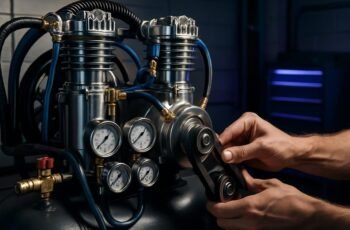
Imagine a high-pressure jet of air suddenly escaping, capable of causing serious injury or damage in an instant. We understand that understanding the risks associated with compressed air is essential to prevent accidents, yet many underestimate the dangers involved. Proper safety guidelines, PPE, and handling techniques are critical to protecting ourselves and others. To guarantee safe operation, we must follow established procedures meticulously—because a moment’s oversight can lead to severe consequences.
Key Takeaways
- Always wear appropriate PPE, including eye protection, hearing protection, gloves, and protective clothing.
- Use the lowest effective air pressure (30-60 psi) and appropriate nozzles to control spray velocity.
- Regularly inspect and maintain equipment, hoses, and safety devices to prevent leaks and malfunctions.
- Never point compressed air at yourself or others, and keep bystanders at a safe distance.
- Follow proper emergency procedures, including controlling bleeding and seeking immediate medical attention for injuries.
Understanding the Risks of Compressed Air Safety
Although compressed air is a widely used and versatile tool in industrial and maintenance settings, it poses significant safety risks if not handled properly. Compressed air hazards include eye injuries, skin punctures, and the potential for embedded debris, which can cause severe harm. High-pressure jets can penetrate the skin or eyes, leading to serious infections or damage. Lack of safety awareness increases the likelihood of accidents; workers may underestimate the force of the air or misuse equipment. Proper understanding of compressed air safety protocols is essential to prevent injuries. Recognizing these hazards and maintaining vigilance helps guarantee safe operation. Assuring that workers are trained in the risks associated with compressed air and emphasizing safety awareness reduces accidents and promotes a safer work environment.
Essential PPE and Safety Equipment for Using Compressed Air
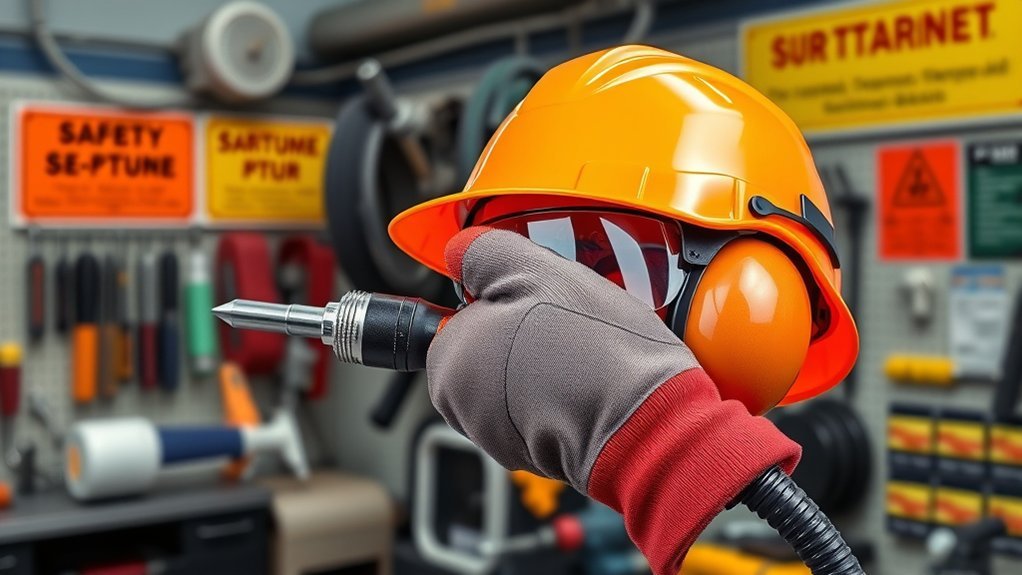
When working with compressed air, wearing proper eye protection is essential to prevent injury from high-velocity debris or accidental sprays. Hearing protection is equally critical, as noise levels can cause permanent hearing damage during prolonged use. Additionally, appropriate clothing and gloves safeguard against contact with abrasive surfaces and sudden air blasts, ensuring thorough safety.
Proper Eye Protection
Have you considered how easily compressed air can cause serious eye injuries if proper protection isn’t used? Eye protection is essential when working with compressed air to prevent debris, dust, or high-velocity particles from striking the eyes. Safety glasses with side shields provide a critical barrier, ensuring full coverage. Proper eye protection minimizes the risk of lacerations, punctures, or infection from flying fragments. Always inspect safety glasses for cracks or damage before use, and replace them regularly. Make sure they fit snugly to prevent gaps. Remember, even a small particle can cause permanent eye damage. Using the right eye protection is a simple but crucial step to maintain safety and prevent accidents. Your eyes deserve the best protection whenever working with compressed air.
Hearing Protection Necessity
Using compressed air without appropriate hearing protection can expose workers to dangerously high noise levels that can cause immediate or long-term hearing loss. Noise hazards from compressed air equipment are often underestimated but can reach levels exceeding 100 decibels, which greatly increases the risk of hearing damage. Proper hearing protection, such as earplugs or earmuffs, is vital to mitigate these risks. We must recognize that even brief exposure to high noise levels can contribute to permanent hearing impairment. Implementing effective hearing protection protocols not only safeguards workers’ health but also complies with safety regulations. Regularly inspecting and maintaining hearing protection equipment guarantees maximum performance against noise hazards associated with compressed air use. Prioritizing hearing safety is essential for a safe working environment.
Appropriate Clothing and Gloves
Proper protective clothing and gloves are critical components of personal protective equipment (PPE) required for safe compressed air operations. They safeguard against high-pressure blasts, flying debris, and accidental contact. Protective clothing should be durable, flame-resistant, and cover exposed skin to prevent injury. Insulated gloves are essential to protect hands from sudden air bursts and electrical hazards.
Key PPE considerations include:
- Heavy-duty, flame-resistant coveralls
- Insulated, impact-resistant gloves
- Eye protection such as safety goggles
- Steel-toed boots for foot safety
- Hearing protection to complement PPE
Using the correct PPE minimizes injury risks associated with compressed air use, ensuring safety during all operations. Always verify PPE integrity before each use.
Proper Training and Certification Requirements
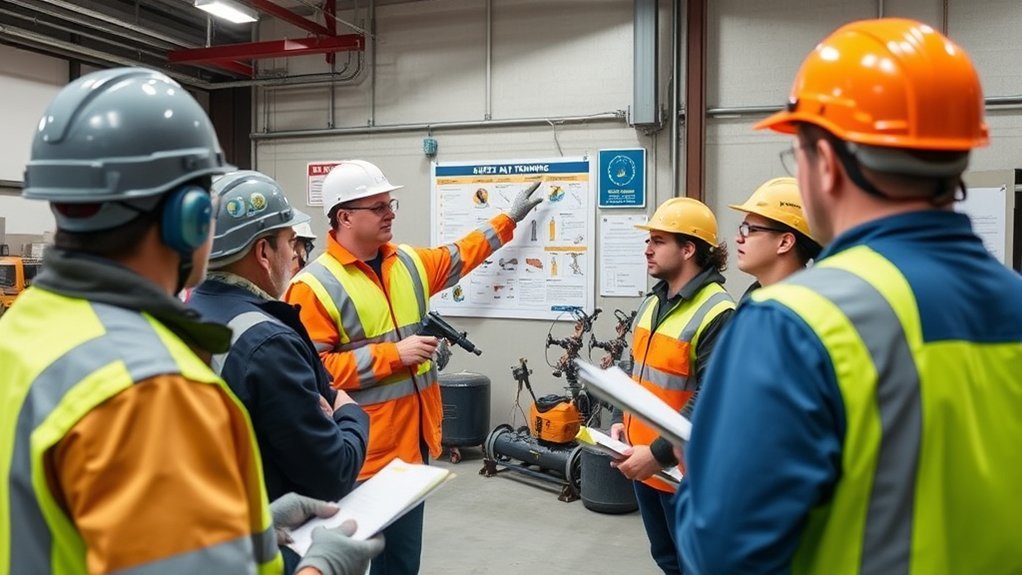
Ensuring that personnel possess the necessary training and certification is fundamental to maintaining safety when working with compressed air systems. Certification requirements are strict, requiring individuals to complete thorough training programs that cover system operation, hazards, and emergency procedures. These programs are designed to equip workers with the knowledge to identify potential risks and implement safety protocols effectively. Proper certification verifies that personnel understand safe handling practices and are qualified to operate equipment correctly. Employers must guarantee all team members meet these certification standards before engaging with compressed air systems. Regular refresher courses and assessments are essential to maintain competency and awareness of evolving safety standards. Adhering to these training and certification requirements greatly reduces accidents and promotes a safer working environment.
Correct Techniques for Handling and Using Compressed Air
To handle and use compressed air safely, we must follow specific techniques that minimize risks and guarantee effective operation. Recognizing compressed air hazards is essential, as high-pressure air can cause serious injuries, especially if directed at the body or eyes. Proper PPE selection, including safety goggles, gloves, and hearing protection, is critical to prevent injury. Always assure the air stream is controlled and aimed away from yourself and others. Never use compressed air for cleaning clothing or skin, as this can embed debris or cause injury. Regularly verify equipment connections to avoid leaks or accidental discharges. Maintain an awareness of surroundings and potential hazards, and always follow established safety protocols for handling compressed air efficiently and safely.
- Wear appropriate PPE, including eye and hearing protection
- Never point compressed air at yourself or others
- Use the lowest effective air pressure for tasks
- Check for leaks and secure all connections
- Avoid using compressed air for cleaning skin or clothing
How to Inspect and Maintain Your Compressed Air Systems
Regular inspection and maintenance of compressed air systems are crucial to guarantee safe and efficient operation. Effective air compressor maintenance involves routine checks of filters, lubricants, and pressure gauges to identify wear or leaks early. Adhering to system inspection protocols ensures that all components—such as valves, hoses, and gauges—are functioning correctly and safely. We recommend inspecting for moisture buildup, which can cause corrosion or equipment failure, and verifying that safety devices like pressure relief valves operate properly. Regular maintenance also includes cleaning or replacing filters and inspecting belts or pulleys for wear. Consistent application of these protocols minimizes downtime, prevents hazardous failures, and prolongs system lifespan. Staying vigilant with air compressor maintenance and system inspection protocols is essential to maintaining a safe, reliable compressed air system.
Recognizing and Preventing Common Safety Hazards
Recognizing and preventing common safety hazards in compressed air systems requires vigilance and a thorough understanding of potential risks. Proper air compressor maintenance is essential to identify hazards such as leaks, corrosion, or faulty components that could cause sudden failures. Hazard identification involves inspecting pressure gauges, valves, and hoses regularly to detect wear or damage. Failure to address these issues can result in serious injuries, including flying debris or compressed air injections. To minimize risks, we should:
- Routinely check for leaks and damaged fittings
- Ensure pressure relief valves function properly
- Maintain clean and well-lubricated components
- Confirm safety guards are in place and operational
- Follow strict lockout/tagout procedures during maintenance
Staying alert to these hazards helps prevent accidents and prolongs equipment lifespan.
Safe Practices for Cleaning and Worksite Cleanup With Compressed Air
When cleaning and tidying work sites with compressed air, we must prioritize proper PPE to protect against flying debris and potential air blasts. We also need to make certain the air pressure is set correctly to prevent accidental injuries or equipment damage. Finally, following strict worksite procedures guarantees safe operation and minimizes hazards during cleanup activities.
Proper PPE Usage
Have you ever considered the importance of proper personal protective equipment (PPE) when using compressed air for cleaning or cleanup tasks? PPE selection is critical to ensure safety and adhere to safety protocols. Proper PPE prevents injury from flying debris, dust, or accidental air blasts.
Key PPE items include:
- Safety goggles or face shields to protect eyes
- Ear protection against noise pollution
- Respirators for dust or airborne particles
- Gloves to shield skin from debris
- Protective clothing to prevent skin exposure
Using appropriate PPE is not optional; it’s a fundamental aspect of safe practices with compressed air. Strict adherence to PPE guidelines minimizes risk, ensures compliance, and promotes a safe work environment during cleaning and cleanup procedures involving compressed air.
Correct Air Pressure Settings
Ensuring the correct air pressure settings is crucial for safe and effective cleaning with compressed air, as excessive pressure considerably increases the risk of injury or damage. Proper air pressure calibration is critical; it guarantees that the pressure remains within safe limits, typically between 30 to 60 psi for cleaning tasks. We must select the appropriate nozzle, as nozzle selection directly influences the pressure delivered and the spray velocity. Using a nozzle with a smaller orifice increases velocity but also raises risk, so choosing the correct size is indispensable. Regularly verifying calibration with a pressure gauge ensures consistent performance. By maintaining proper air pressure and selecting the right nozzle, we minimize hazards, enhance efficiency, and uphold safety standards during worksite cleanup with compressed air.
Safe Worksite Procedures
What are the essential steps we must follow to guarantee safety during worksite cleanup with compressed air? First, assess compressed air hazards to identify potential risks, such as flying debris or accidental injection injuries. Always wear appropriate PPE selection, including eye protection, gloves, and respiratory gear, to guard against hazards. Use the lowest effective air pressure, adhering to proper settings to prevent injury or equipment damage. Keep nozzles and hoses in good condition to avoid leaks or bursts. Make certain bystanders are at a safe distance, and never direct compressed air at yourself or others. Before starting, confirm all safety protocols are in place, and communicate clearly with team members to maintain a safe work environment.
Emergency Procedures and First Aid for Air-Related Injuries
When an air-related injury occurs, prompt and effective emergency response is critical to minimize harm and prevent further complications. First, assess the injury site, guaranteeing the affected person is stable and removing them from the compressed air source if possible. Initiate first aid for lacerations or punctures, applying pressure to control bleeding, and avoid using compressed air for cleaning wounds. Immediate medical attention may be necessary for serious injuries. Proper air compressor maintenance reduces the risk of equipment failure that can lead to injuries. Additionally, emphasizing compressed air ergonomics during work helps prevent accidents by promoting safe handling techniques. Training staff to recognize injury signs and respond swiftly ensures safety remains a top priority, minimizing long-term damage.
Regulations and Compliance Standards for Compressed Air Safety
We must adhere to strict legal requirements and guarantee enforcement to maintain safe compressed air practices. Industry standards set clear benchmarks that facilities are expected to meet, reducing risk and promoting compliance. Understanding these regulations is essential for safeguarding personnel and avoiding costly violations.
Legal Requirements Enforcement
Ensuring compliance with legal requirements is fundamental to maintaining safe compressed air systems, as regulatory agencies establish strict standards to prevent accidents and protect worker health. Effective safety enforcement hinges on adhering to these laws, which mandate proper equipment maintenance, pressure regulation, and leak management. Non-compliance can result in severe penalties, increased risk of injury, and system failures. To uphold legal compliance, organizations must implement rigorous inspection protocols, document safety procedures, and train personnel accordingly. Regular audits and prompt corrective actions are essential to meet evolving regulations. By prioritizing safety enforcement through strict adherence to legal standards, we minimize hazards and foster a safe working environment.
- Conduct routine safety audits
- Maintain detailed compliance records
- Train staff on legal standards
- Implement corrective action plans
- Stay updated on regulatory changes
Industry Standards Compliance
Adherence to industry standards and compliance regulations is essential for maintaining safe and efficient compressed air systems. These standards establish strict guidelines to mitigate compressed air hazards, such as sudden releases or high-pressure leaks, which can cause injury or equipment damage. Regular equipment calibration is critical to guarantee pressure regulators, safety valves, and gauges operate within specified limits. Compliance with recognized standards like OSHA, ANSI, and ISO helps identify and address potential hazards proactively. Implementing proper maintenance protocols aligned with these standards reduces the risk of system failure and assures safety compliance. By rigorously following industry regulations, organizations demonstrate their commitment to safety, minimize liability, and optimize the performance and longevity of their compressed air systems.
Tips for Creating a Safety-Focused Workplace Culture
Creating a safety-focused workplace culture begins with leadership commitment and the implementation of clear, consistent policies that prioritize employee well-being. To foster this environment, we must emphasize effective workplace communication and active employee engagement. Open channels for reporting hazards without fear promote transparency. Regular safety training ensures everyone understands protocols and risks. Recognizing safety milestones boosts morale and reinforces commitment. Encouraging feedback from employees helps identify improvement areas. Leading by example demonstrates accountability and seriousness about safety. Cultivating trust and collaboration ensures safety isn’t just a policy but a core value ingrained in daily operations. By integrating these strategies, we establish a resilient safety culture where employees feel empowered, informed, and committed to maintaining a hazard-free environment.
Frequently Asked Questions
Can Compressed Air Cause Hearing Damage?
Compressed air can cause hearing damage if noise levels become too high, especially without proper ear protection. We recommend always wearing ear protection when exposed to compressed air to prevent hearing loss or injury from loud noise exposure.
Are There Specific Storage Guidelines for Compressed Air Tanks?
Imagine a tank silently waiting—proper storage regulations are essential. We emphasize strict tank maintenance, secure placement, and adherence to safety standards, ensuring compressed air tanks remain safe, reliable, and compliant with all storage guidelines.
How Often Should Safety Equipment Be Inspected?
We recommend inspecting protective gear and safety equipment at least monthly to guarantee proper function. Regular inspection frequency is critical for safety, helping us identify wear and tear early, and maintain compliance with safety standards effectively.
What Are Signs of Compressed Air System Leaks?
Signs of compressed air system leaks include hissing sounds, sudden pressure drops, and visible oil or moisture around fittings. Leak detection requires diligent inspection, and safety precautions guarantee prompt, effective repairs, preventing hazards and maintaining system integrity efficiently.
Is It Safe to Use Compressed Air Outdoors in Rain?
Using compressed air outdoors in rain isn’t safe due to rain safety concerns and outdoor hazards; moisture can damage equipment, cause slips, or create unpredictable risks. We recommend avoiding use during rain and ensuring proper safety measures are in place.
Conclusion
By strictly adhering to safety guidelines, we protect ourselves and our colleagues from preventable injuries. For instance, a recent case study highlighted how proper PPE and routine system inspections prevented a potential eye injury during a high-pressure cleaning task. Staying vigilant, following protocols, and fostering a safety-first culture guarantees we minimize risks and respond effectively to emergencies. Commitment to these practices isn’t just compliance—it’s our responsibility to maintain a safe, efficient workplace.