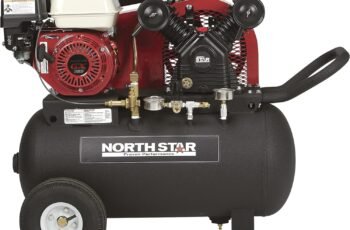
Have we ever wished we could run our tools, inflate everything in sight, and still hold a conversation in the same room without shouting? That is exactly the promise this Oil-Lubricated Air Compressor Tank Ultra Quiet Horizontal Tank Adjustable Pressure with Built-in Wheel (4.5HP Portable 13 Gallons) is trying to keep.

Understanding What This Air Compressor Actually Offers
Before we decide if this compressor belongs in our garage or workshop, we need to understand what it really brings to the table. On paper, it combines strong power, a decent tank size, and quiet operation in a portable package.
The headline features tell us it is built for both performance and comfort. It aims to support regular DIY work, light professional tasks, and general home use while keeping noise low and operation straightforward.
Key Specifications at a Glance
Sometimes air compressor specs feel like a jumble of numbers. To make sense of this unit, we can break its main details into a simple table and then talk through them.
| Feature | Specification |
|---|---|
| Product Name | Oil-Lubricated Air Compressor Tank Ultra Quiet |
| Motor Power | 4.5 HP |
| Voltage / Frequency | 120V / 60Hz |
| Motor Type | Industrial-style induction motor |
| Speed | 3450 rpm |
| Tank Capacity | 13 gallons (portable horizontal tank) |
| Maximum Working Pressure | 8 bar / 115 PSI |
| Noise Level | About 50% less noise than similar units |
| Lubrication | Oil-lubricated |
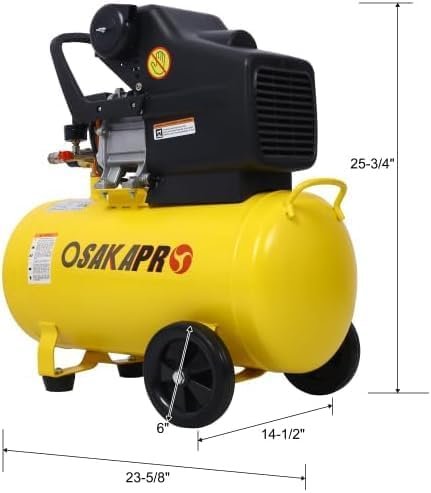
| Mobility | Built-in wheels (6-inch diameter rubber tires) |
| Air Filter | Automotive-style, replaceable industrial filter |
| Cylinder Material | Durable cast iron cylinder |
| Usage Type | Portable, indoor-friendly, multi-purpose |
These numbers and specs give us a snapshot of where this compressor fits. It is not a tiny pancake compressor, and it is not a giant shop unit either. It sits in that practical middle zone where we get enough power to do real work while still keeping it manageable and mobile.
Build Quality and Overall Design
We can tell a lot about how long a compressor will last just by looking at the design choices. This model aims for a blend of sturdy construction and user-friendly layout, not just a cheap hobby machine we replace in a year.
The horizontal tank keeps the center of gravity low, which makes it feel stable when we roll it around. The combination of a cast iron cylinder and an industrial-style induction motor signals that this unit is built for longevity rather than being a throwaway gadget.
Horizontal 13-Gallon Tank: Why It Matters
The 13-gallon tank is an important sweet spot. It is larger than the 3–6 gallon units that constantly cycle on and off, but smaller than a stationary 30+ gallon shop compressor.
A horizontal design makes this size far easier to move and store. We can slide it along a wall, tuck it under a workbench, or roll it around the garage without wrestling a tall, tippy unit. For small to medium projects, a 13-gallon capacity gives us a decent air reserve without making the compressor feel bulky.
Construction and Materials
A major durability highlight is the cast iron cylinder. Cast iron handles heat and wear better than cheaper aluminum-only setups, which helps with longevity if we use the compressor regularly.
The industrial-style induction motor is another clue that the build is meant to last. Induction motors are typically quieter, more reliable, and more efficient than basic universal motors used in entry-level compressors. When we combine those with a solid tank and reinforced housing, we end up with a unit that should handle ongoing use in a home or light workshop setting.
Power and Pressure: 4.5 HP with 115 PSI
Raw power and pressure ratings are where many of us look first. This compressor offers 4.5 horsepower and a maximum working pressure of 115 PSI (8 bar), which is more than enough for common home and DIY tasks.
The motor speed of 3450 rpm shows it is built to move a reasonable volume of air quickly. For tools that need frequent bursts of air—like nail guns or staplers—that combination of horsepower, speed, and modest tank capacity works nicely.
What 115 PSI Really Means for Our Projects
A max pressure of 115 PSI places this compressor in a comfortable middle ground. That is enough pressure to handle:
- Nailing and brad nailing
- Stapling and light fastening
- Impact drivers and ratchets at light to moderate duty
- Light-duty paint spraying and hobby airbrushing
- Tire and sports equipment inflation
- General blowing and cleaning tasks
Many air tools list an operating range around 70–110 PSI, so having 115 PSI gives us a little buffer. We can set the regulator to the tool’s recommended pressure and still keep a margin of performance.
Power vs. Tank Capacity
The 4.5 HP rating paired with a 13-gallon tank means the compressor can refill the tank relatively quickly after use. We are not staring at the machine for minutes while it tries to catch up.
However, we should be realistic: for heavy-duty, continuous-use tools like large sanders or grinders that consume a lot of CFM (air volume), any 13-gallon portable unit will eventually need rest periods or frequent cycles. For what this compressor is designed to do, though—short bursts of air and intermittent use—it is well sized.
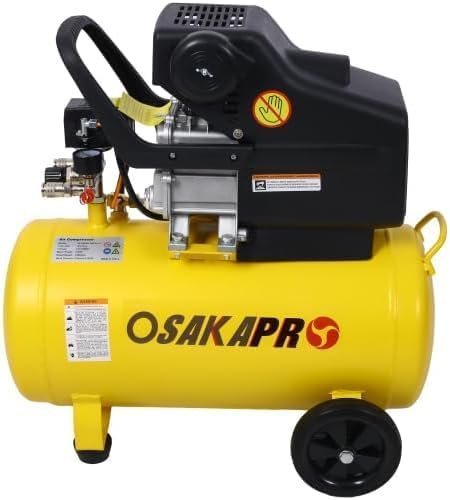

Oil-Lubricated System: Pros and Considerations
This model uses an oil-lubricated design, which is a major difference compared with many small oil-free compressors on the market. Oil-lubricated compressors typically last longer, run smoother, and run quieter.
We do need to be ready for basic maintenance: checking oil levels, changing oil when needed, and keeping the system clean. If we are comfortable with those light tasks, this type of compressor rewards us with better durability and quieter operation.
Longevity and Performance Benefits
Oil lubrication helps reduce internal friction and heat, which in turn reduces wear on moving parts. For us, that means:
- Longer motor and pump life
- Reduced likelihood of overheating on longer sessions
- Smoother operation with less harsh vibration
For anyone planning to use the compressor regularly, the oil-lubricated approach is a big plus. It feels more like a real shop tool than a disposable gadget.
Maintenance: What We Should Expect
Maintenance for an oil-lubricated compressor generally involves:
- Checking the oil level through the sight glass (if available) or dipstick
- Topping up with the correct compressor oil as needed
- Draining and replacing oil according to the manual’s schedule
- Draining condensed water from the tank regularly
- Keeping the air filter clean or replacing it when dirty
None of this is particularly difficult, but it is worth mentioning for those of us who prefer “set and forget” tools. In return for this little bit of care, we get a machine that is far more likely to last many years.
Quiet Operation: Truly Indoor-Friendly Noise Levels
Noise can be the main reason many of us avoid using compressors indoors. This model is designed to operate at around 50% less noise than similar units, which is a huge advantage if we share our space with family, neighbors, or coworkers.
While we do not have an exact dB rating stated, operating at half the noise level of comparable compressors usually places it closer to a normal conversation than the loud, rattling scream many of us expect.
Working Indoors Without the Headache
Because of this quieter operation, we can:
- Work in a garage with the door closed without feeling overwhelmed
- Run air tools in a basement workshop without disturbing the entire house
- Use the compressor in shared spaces with far less annoyance
Noise reduction often comes from a mix of design features: a well-balanced induction motor, solid construction, rubber wheels, and vibration-dampening components. In this unit, those elements work together to make it truly more pleasant to be around.
Comparing Noise to Typical Compressors
Most small, oil-free compressors are notorious for their loud, high-pitched running sound. This model’s oil-lubricated setup and industrial-style motor typically bring the sound down to a much more tolerable level.
We can still expect some noise—any compressor will make sound—but the character of that sound is different: deeper, less shrill, and far less intrusive. That alone can make the difference between using our compressor often or avoiding it whenever possible.
Portability and Mobility Features
Even a great compressor is frustrating if it is a chore to move. This unit has been designed with portability firmly in mind, helped by its horizontal tank, built-in wheels, and overall layout.
We get the strength of a 4.5 HP motor and a 13-gallon tank without committing to a giant, fixed machine. That flexibility is ideal for those of us working in multi-purpose spaces.
Built-in 6″ Rubber Tires
The 6-inch diameter rubber tires make a bigger difference than we might first think. Hard plastic wheels tend to clatter, slip, and transmit vibration. Rubber wheels roll more smoothly and also help dampen noise and vibration as we move the unit around.
For anyone rolling across uneven garage floors, rough concrete, or even a driveway, that tire size and material help a lot. We can tilt the unit and roll it like a small cart rather than dragging it.
Horizontal Layout and Handle Position
Being a horizontal tank, the compressor is easier to push or pull without feeling like it might tip. The handle (typically mounted on the top or front) works with the wheel placement to keep the unit balanced while moving.
This style is especially practical for:
- Home garages with limited space
- Small workshops where we need to move machines around
- Shared work areas where we need to roll tools in and out
We can also store it under a bench or along a wall without giving up a ton of vertical space.
Versatile Performance: What We Can Realistically Do with It
The product description emphasizes versatile performance, and that is accurate. With 4.5 HP, 115 PSI, and a 13-gallon tank, this compressor covers a wide range of everyday tasks.
We should think of it as a capable all-rounder: strong enough for regular use, quiet enough to keep nearby, and flexible enough to support different kinds of projects.
Ideal Use Cases
Here are some of the main jobs this compressor is well suited for:
-
Nailing and stapling
Perfect for finish nailers, brad nailers, and staplers used in trim work, framing small projects, or building furniture. -
Bolting and fastening
Great for running air ratchets and smaller impact wrenches for vehicle maintenance, machinery assembly, or heavy fastening jobs. -
Hobby painting and light spraying
Suitable for hobby painting, crafts, or light automotive touch-ups when paired with tools that match its air output. -
Inflation tasks
Easily inflates car tires, bike tires, sports balls, pool inflatables, and more. -
Blowing and cleaning
Use an air blow gun to clear dust from tools, work surfaces, filters, and tight spaces.
As long as we match our tools’ air requirements (CFM and PSI) with what the compressor can deliver, it becomes a versatile powerhouse around the home or small shop.
What It Is Not Designed For
It is worth acknowledging the limits so we are not disappointed:
- Continuous, heavy-duty auto body sanding with large DA sanders
- Industrial-level sandblasting or highly demanding pneumatic tools
- Running multiple air-hungry tools at once for extended periods
If we stay within its intended use—intermittent to moderate-duty work—the compressor will feel strong, responsive, and reliable.
Safety Features: Automatic Shutoff for Peace of Mind
Safety features often get overlooked until we need them. This compressor includes an automatic shutoff function that stops air pumping when objects reach full inflation.
That helps prevent over-inflation damage and adds a layer of protection when we are inflating tires, sports equipment, or inflatable items.
Automatic Shutoff in Everyday Use
In practical terms, automatic shutoff means:
- We can inflate items without constantly worrying about overdoing it
- The compressor will stop pumping when the pressure target is reached
- We reduce the risk of damaging tires or other inflatables
Of course, we still need to stay attentive and use a proper gauge, but having the compressor help us out with shutoff makes things much more comfortable and user-friendly.
Other Safety Considerations
Alongside automatic shutoff, we should expect the standard safety components found in better compressors, such as:
- Pressure relief valve
- Tank pressure gauge
- Regulated outlet pressure gauge
- On/off switch in a clearly visible place
Even though these are standard, the way they are arranged and how accessible they are matters. In this model, the design leans toward ease of use, so we spend less time bending over and more time getting work done safely.
User-Friendly Design Details
Beyond raw specs, the day-to-day user experience is what makes us either love or resent a tool. This compressor leans toward a user-friendly design that tries to remove small frustrations from our routine.
From the portable tank to easily adjustable pressure, to a thoughtfully placed air filter and controls, the machine is meant to be approachable even if we are not compressor experts.
Adjustable Pressure Controls
Being able to adjust pressure easily is critical. Different tools and tasks require different PSI levels, and this compressor gives us the flexibility to dial in exactly what we need.
That means:
- Lowering pressure for delicate tasks like hobby painting or airbrushing
- Raising pressure for tools that need a stronger punch like certain impact tools
- Maintaining safe levels during inflation tasks
With a built-in regulator and clear gauges, adjusting pressure becomes intuitive rather than guesswork.
Easy Maneuverability and Setup
The portable 13-gallon horizontal tank with built-in wheels makes setup and repositioning easy:
- Roll it where we need it, plug into a standard 120V outlet, and we are ready
- No special power circuits or heavy lifting just to move the unit across the room
- Easy to shift between different work zones or even between home and job site if necessary
For those of us who often rearrange our workspace, a heavy, stationary compressor can be a real burden. This model sidesteps that issue gracefully.
Efficient Air Intake and Filtration
Air intake efficiency might not sound exciting, but it directly affects performance and longevity. This compressor uses a large automotive-style industrial air filter and a durable cast iron cylinder to optimize intake and durability.
The larger, replaceable filter element allows for better airflow and more thorough filtration, helping keep internal components cleaner over time.
Automotive-Style Replaceable Air Filter
This filter design brings several advantages:
- Better filtration – keeps dust and debris from entering the compressor
- Better airflow – larger surface area for air to pass through
- Easy replacement – we swap it out when it gets dirty rather than struggling with tiny filters
Since air quality has a direct impact on wear and tear inside the compressor, this approach helps extend its working life and maintain performance.
Cast Iron Cylinder for Durability
The cast iron cylinder complements the air filter by offering:
- Superior heat resistance during longer runs
- More stable operation with less expansion and contraction
- Overall improved durability compared to basic aluminum-only designs
When we couple that with oil lubrication and good filtration, we end up with a pump assembly that is clearly aimed at long-term, reliable service.
Comparing This Compressor to Typical Alternatives
To see where this unit really stands, it helps to compare it with two common categories: cheap, small oil-free compressors and large, stationary shop compressors.
Our model effectively sits in the middle, picking up the best of both worlds for many users.
Versus Small Oil-Free Compressors
Compared with small oil-free units (often 2–6 gallons, very loud), this compressor offers:
- Far quieter operation (about 50% less noise)
- Much more power (4.5 HP vs. 1–2 HP typically)
- Larger tank (13 gallons vs. 2–6 gallons)
- Longer lifespan and smoother operation due to oil lubrication and better materials
We do trade off a bit in terms of absolute portability—it is heavier and bigger than the tiniest units—but for most serious DIY or light professional use, that trade is well worth it.
Versus Large Stationary Shop Compressors
Compared with big stationary units (20–60 gallons, 240V, semi-permanent):
- This model is easier to move and store
- It runs on a standard 120V outlet, no special wiring needed
- It is aimed at intermittent rather than continuous high-volume industrial use
If we run a busy auto shop with multiple air tools going nonstop, a huge stationary unit might be better. But for most garages, home workshops, and small project spaces, this compressor offers a more realistic and flexible option.
Pros and Cons Summary
To make an informed decision, it helps to look at the strengths and compromises side by side. This way we can match them to our actual needs.
Major Advantages
- Quiet operation – around 50% less noise than similar units, suitable for indoor work
- 4.5 HP induction motor – strong, durable motor for reliable performance
- 13-gallon horizontal tank – good balance of capacity and portability
- 115 PSI max pressure – plenty for most household, hobby, and light professional tools
- Oil-lubricated design – longer lifespan, smoother and quieter running
- Cast iron cylinder – increased durability and better heat handling
- Automotive-style air filter – efficient filtration and easy replacement
- Built-in 6″ rubber wheels – easier mobility and better vibration control
- Automatic shutoff for inflation – improved safety and convenience
- Standard 120V / 60Hz power – easy to use in typical North American outlets
Potential Drawbacks
- Requires regular oil maintenance – not completely maintenance-free
- Heavier than tiny portable units – more effort to lift, though rolling is easy
- Tank size still mid-range – not designed for very high continuous air demand
- Noise reduced, not silent – still a machine with moving parts and sound
If we are willing to maintain the oil system and understand it is not a massive industrial compressor, the benefits far outweigh the limitations for most users.
Who This Compressor Is Best Suited For
This compressor is not for everyone, but for the right users, it fits extremely well. Knowing where we stand can help us decide if it is the right fit.
Ideal Users
We see this model working especially well for:
- Home DIY enthusiasts who want something more serious than a tiny inflator
- Hobby woodworkers using nailers, staplers, and small spray setups
- Car enthusiasts and home mechanics doing tire work, light impact wrenching, and general vehicle maintenance
- Small contractors or handypeople who want a portable, quieter compressor for indoor or residential jobs
- Hobby painters and crafters needing controlled air with a quieter machine
In these settings, the mix of quiet operation, portability, and decent power is very attractive.
Less Ideal Users
On the other hand, this compressor is probably not ideal if:
- We run multiple high-demand tools at once in a busy industrial environment
- We want a super tiny, ultra-light unit just for emergency inflations
- We do not want to perform any oil-related maintenance at all
For those scenarios, either a massive stationary shop unit or a very small oil-free inflator might be more appropriate.
Practical Tips for Getting the Most Out of It
Once we have this compressor, a few habits can help us keep it running well and performing at its best. Good usage and maintenance can make a big difference in longevity.
Setup and First Use
When we first set it up, we should:
- Place the compressor on a level, stable surface.
- Check the oil level and top up if needed according to the manual’s instructions.
- Ensure all connections and fittings are tight.
- Plug into an appropriate 120V outlet (preferably on a dedicated or lightly loaded circuit).
- Run the compressor once to fill the tank and check for any air leaks.
That simple startup routine helps prevent surprises during actual work.
Regular Care and Maintenance
To keep the compressor in good shape, it helps to:
- Check oil level regularly and maintain it within the recommended range
- Change the oil at the intervals described in the manual
- Drain condensation from the tank after use, especially in humid conditions
- Inspect the air filter periodically and clean or replace as needed
- Store it in a clean, dry place to avoid rust and corrosion
These tasks do not take long and can significantly extend the unit’s lifespan while preserving performance.
Value for Money and Overall Assessment
When we consider all the elements—4.5 HP motor, 13-gallon tank, oil lubrication, cast iron cylinder, quieter operation, and good portability—this compressor presents a strong value proposition for many home and light professional users.
We are not just paying for raw specs; we are paying for a well-thought-out tool that aims to be comfortable to use and durable over time.
Balancing Features and Cost
The cost of a compressor is not just the purchase price—it is also:
- How long it lasts before needing replacement
- How pleasant or unpleasant it is to operate
- How flexible it is for different tasks
- How much maintenance it needs versus the reliability it offers
This unit balances these factors by offering quality components, indoor-friendly noise levels, and enough power to handle a wide range of applications without jumping into the world of expensive industrial equipment.
Final Thoughts: Is This the Right Compressor for Us?
If we are looking for a quiet, powerful, and portable compressor that can support most of our home, hobby, and light professional tasks, this Oil-Lubricated Air Compressor Tank Ultra Quiet Horizontal Tank Adjustable Pressure with Built-in Wheel (4.5HP Portable 13 Gallons) is a very compelling option.
We gain:
- Strong 4.5 HP performance at up to 115 PSI
- Significantly reduced noise, suitable for indoor environments
- A manageable 13-gallon tank that balances capacity and portability
- Long-term durability through oil lubrication, cast iron cylinder, and quality filtration
- Everyday convenience with automatic shutoff, adjustable pressure, and easy rolling wheels
As long as we are comfortable doing basic oil and filter maintenance, this compressor can become a reliable workhorse for our projects, from simple inflation to regular tool use. For those of us wanting “real tool” performance without the punishment of constant noise or the commitment of a giant stationary unit, this model checks many of the right boxes.

Disclosure: As an Amazon Associate, I earn from qualifying purchases.