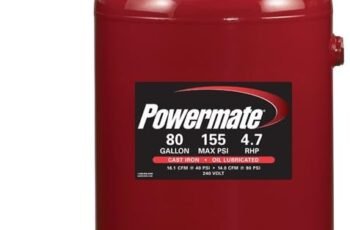
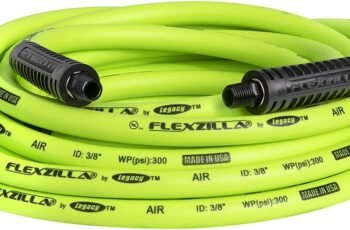
Have we ever wished our air tools, painting projects, and tire inflations could all be powered by one quiet, reliable, and easy-to-move compressor?
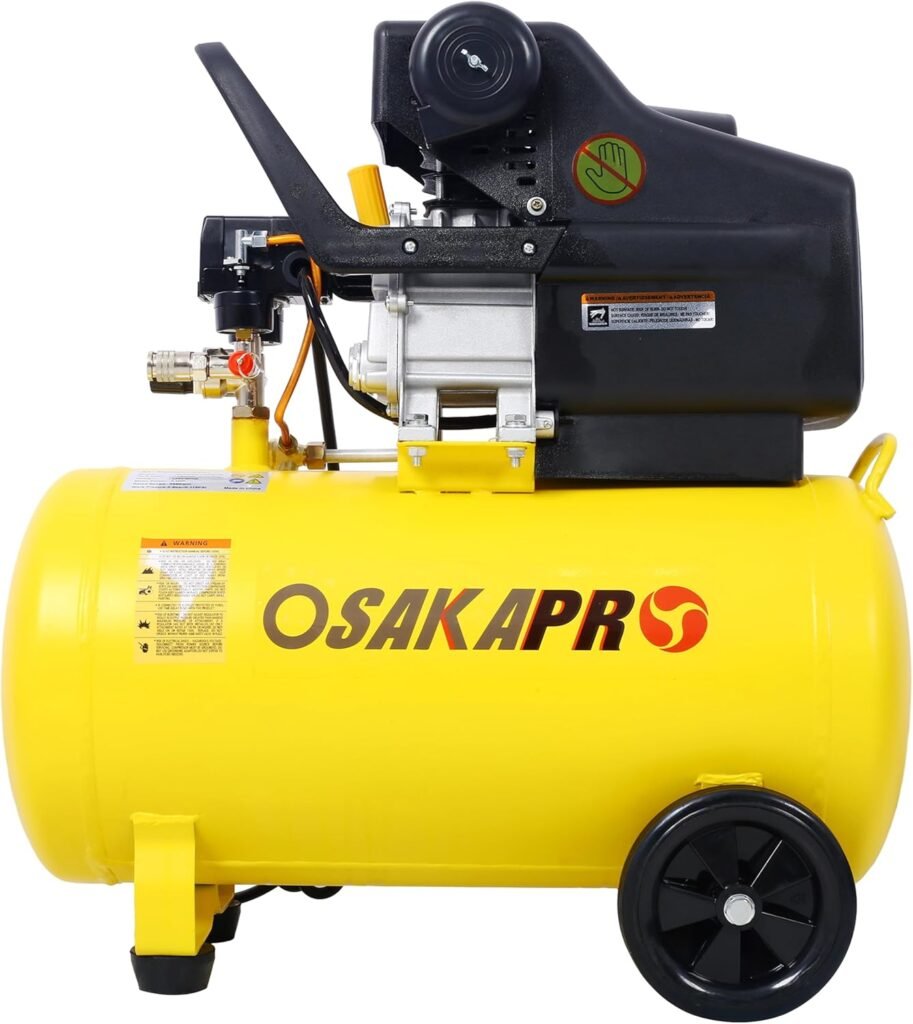

What This Air Compressor Actually Is
When we look at the Air Compressor, 13 Gallon Steel Tank, 4.5HP Oil Free Air Compressor & Max. 115PSI Pressure, 6 in Diameter Rubber Tires, Ultra Quiet Portable Compressor, for Auto Repair, Tire Inflation, Spray Painting, we are really looking at a compact, portable workhorse designed for both DIY users and professionals.
It combines a 4.5HP motor, a 13-gallon steel tank, and a maximum pressure of 115 PSI. That puts it in a sweet spot: big enough to handle serious tasks, but small and quiet enough for home garages, basements, or light professional use without dominating our space or our ears.
Key Features at a Glance
Sometimes it helps to see the main specs laid out clearly. This compressor pulls together several qualities that matter for daily use, especially if we juggle multiple tasks and tools.
| Feature | Specification / Benefit |
|---|---|
| Motor Power | 4.5 HP |
| Tank Capacity | 13-gallon steel tank (portable horizontal design) |
| Max Pressure | 115 PSI |
| Pump Type | Oil-free (designed for low maintenance) |
| Noise Level | Up to 50% quieter than many comparable units |
| Tires | 6-inch diameter rubber tires for portability |
| Primary Uses | Auto repair, tire inflation, spray painting, nailing, bolting, stapling, fastening |
| Safety Feature | Automatic shutoff at full inflation |
| Durability Elements | Large automotive-style air filter, durable cast iron cylinder |
| Portability Focus | Horizontal tank, built-in wheels, carry/push convenience |
This combination means we are not looking at a flimsy compact compressor. Instead, we get a solid, mid-sized machine that can actually keep up with a serious workload.
Build Quality and Design
We can tell a lot about a compressor from how it is built. If we plan to wheel it around the shop, toss it into the back of a truck, or run it regularly, build quality becomes just as important as raw power.
13-Gallon Steel Tank Construction
The 13-gallon steel tank hits a practical middle ground between capacity and portability. It stores enough air to run tools for moderate bursts without the motor cycling constantly, while still being manageable to move around.
Steel gives us:
- Robust resistance to day-to-day knocks and bumps
- A sense of stability when the unit is pressurizing or in use
- Longer potential lifespan compared with thinner, cheaper tanks
We should still treat it with care—no compressor tank is indestructible—but this construction is a solid foundation.
Horizontal, Portable Form Factor
The horizontal tank design is more than just an aesthetic choice. It lowers the center of gravity so the compressor feels:
- Less prone to tipping
- Easier to pull or push around the garage or jobsite
- More stable when connected to hoses and tools
When we factor in the 6-inch rubber tires and the handle, the design really leans into portability. We can roll it from our car to a workbench, or from one corner of the shop to another, without wrestling it like an upright, heavy-duty model.
Power and Performance
Performance is where we really find out if this compressor can keep up with our ambitions. With 4.5 horsepower driving an air system that tops out at 115 PSI, we have enough capability to handle a wide mix of tools and tasks.
4.5HP Motor: What That Means for Us
A 4.5HP motor gives this unit a strong backbone. In the real world, that translates to:
- Faster tank fill times than we see in small pancake or hot-dog units
- A steadier supply of air for tasks like spray painting and air tools
- Enough power to support multiple short-burst tools (nailers, staplers, impact wrenches for brief periods)
While we should always check specific CFM ratings for certain high-demand tools (like large sanders or grinders), this motor size typically sits well above basic homeowner models and close to what many serious DIYers and small shops rely on.
115 PSI Maximum Pressure
The 115 PSI max pressure opens the door to:
- Tire inflation for cars, light trucks, trailers, and bikes
- Operation of most common pneumatic tools that work in the 70–110 PSI range
- General work like blowing off dust, debris, or cleaning parts
Many air tools are rated around 90 PSI. With 115 PSI available, we have a comfortable buffer so we do not constantly hit the ceiling of what the compressor can deliver.

Oil-Free System and Maintenance Needs
One of the standout characteristics of this compressor is that it is described as oil free. That has a strong impact on how we maintain it and how it fits into different work environments.
What Oil-Free Means for Daily Use
An oil-free air compressor:
- Removes the need for routine oil changes
- Reduces the risk of oil contamination in air lines (useful for painting or clean workspaces)
- Simplifies ownership for users who do not want to fuss with lubricants
This design is very attractive for people who want plug-and-play simplicity. We still need to maintain the machine, but we do not have to worry about checking oil levels regularly.
Basic Maintenance Responsibilities
Even oil-free compressors need some occasional attention. In regular use, we should:
- Drain the tank periodically to remove condensation and prevent rust
- Inspect hoses and fittings for leaks or wear
- Check the air filter and clean or replace it as needed
- Keep the unit in a relatively clean, dry environment to prolong its life
The good news is that oil-free systems tend to be more forgiving for users who are new to compressor ownership. We can focus on the work instead of worrying about lubrication schedules.
Quiet Operation: Indoor-Friendly Noise Levels
Noise is often the deciding factor between a tool we enjoy using and a tool we avoid unless absolutely necessary. This compressor is specifically described as ultra quiet, producing 50% less noise than many similar units.
Why Lower Noise Is a Big Deal
Quieter operation has some real benefits:
- We can run it in a home garage or basement without upsetting everyone inside the house
- Communication in the workshop becomes easier—no constant shouting over the motor
- We are more likely to use hearing protection correctly rather than relying on ear-shattering tolerances
This is particularly important when we work for longer sessions. A quieter compressor reduces fatigue and makes the whole experience feel less stressful.
Where Quiet Really Helps
Silenced or low-noise compressors are especially appreciated when we:
- Do late-evening or early-morning work
- Share walls with neighbors, as in townhouses or apartment garages
- Use the compressor in shared spaces like school shops, maker spaces, or community workshops
We can still expect typical mechanical sounds, of course, but having the overall noise cut roughly in half compared to many basic units is a significant quality-of-life improvement.
Safety Features: Automatic Shutoff and More
Compressed air carries real power, so we want safeguards that support safe use, especially when inflating items or working in tighter spaces.
Automatic Shutoff at Full Inflation
The automatic shutoff feature is designed to stop the compressor from pumping air once objects reach full inflation. That’s especially reassuring when we:
- Inflate car, motorcycle, or bicycle tires
- Fill sports balls, inflatables, or small air tanks
- Handle tasks where overinflation could cause damage or injury
We get an added layer of peace of mind, reducing our risk of overshooting the correct pressure when we get distracted or multitask.
General Safety Considerations
Even with safety features, compressors still require our attention to best practices:
- Use rated hoses and fittings appropriate for up to 115 PSI
- Avoid standing directly over hoses or fittings under full pressure
- Store the unit where it will not be bumped or dropped while pressurized
- Allow adequate ventilation around the motor
This model gives us supportive features, but we should still treat compressed air as a powerful tool, not a toy.
Portability: Moving the Compressor Around
Portability is one of the defining advantages of this compressor. Instead of being rooted to one corner of the shop, we can bring it to wherever the work is.
6-Inch Rubber Tires and Mobility
The 6-inch diameter rubber tires make a real difference in daily practicality. With them, we can:
- Roll the compressor over typical shop debris, small cords, and minor floor imperfections
- Take it across a driveway, patio, or parking area to reach a vehicle
- Reduce the need to lift the unit entirely off the ground
Rubber tires also help absorb some vibration and impact when moving or during operation, giving us smoother handling overall.
Horizontal Tank and Handle Ergonomics
Because of its horizontal tank and likely integrated handle design, we can:
- Push it in front or pull it behind us like a small cart
- Park it close to our workbench or vehicle without worrying about height clearance
- Store it more easily under shelving or along a wall
If we move around a lot between tasks—say, from woodworking to auto repair to paint setup—the portability of this compressor helps streamline our workflow instead of being a chore.
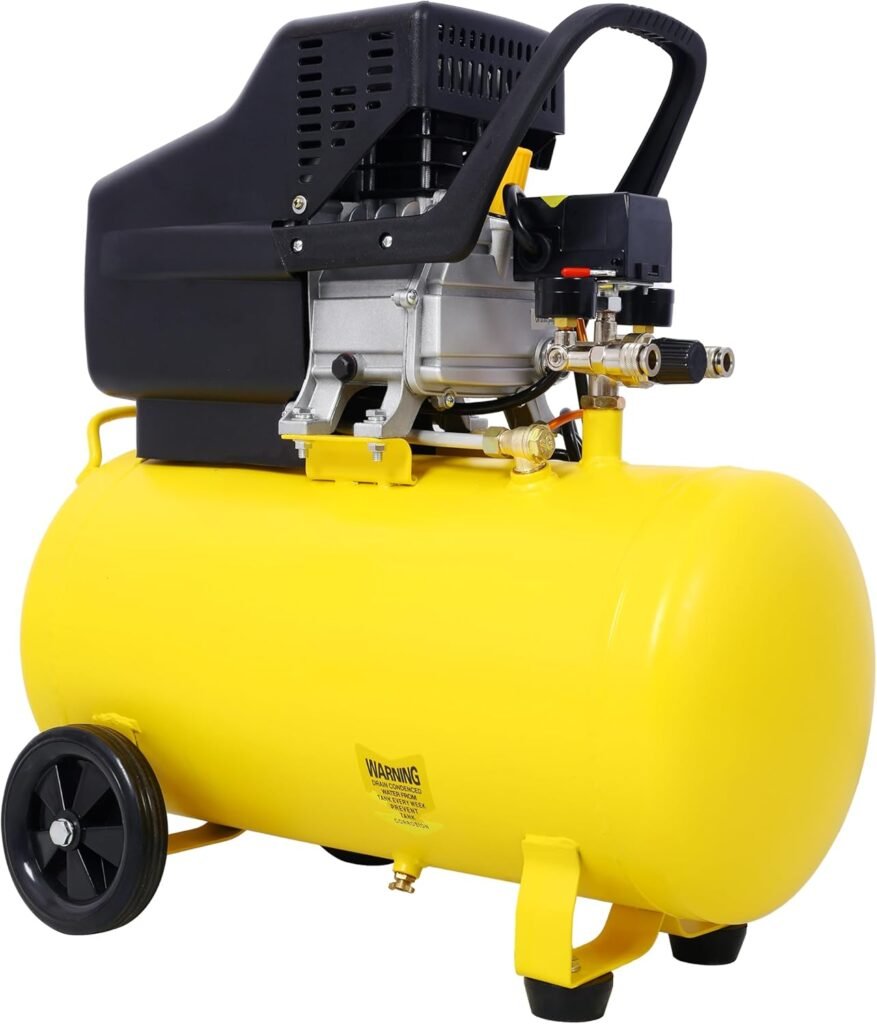
Use Cases: Where This Compressor Shines
To decide if this compressor fits our needs, it helps to map out the tasks it is clearly built to handle.
Auto Repair and Automotive Tasks
For auto repair, this compressor can support:
- Tire inflations on cars, SUVs, and light trucks
- Operation of impact wrenches (especially for short bursts or intermittent use)
- Use of air ratchets, blow guns, and other smaller pneumatic tools
- Occasional use of air chisels or similar tools, provided the workload is moderate
The combination of 4.5HP, 13 gallons, and 115 PSI makes it a solid partner in a home or small professional garage, especially when we prefer a quieter shop environment.
Tire Inflation and General Inflation
The compressor is very well-suited for tire inflation tasks:
- Car and motorcycle tires
- Bicycles and scooters
- Lawn equipment like wheelbarrows, garden carts, and mowers
- Sports gear and inflatables
With the automatic shutoff at full inflation, we can handle these tasks with less anxiety about overshooting pressure readings.
Spray Painting and Hobby Painting
For spray painting, a compressor with this capacity and noise profile is a big plus:
- It can power HVLP or conventional spray guns suitable for small furniture, auto panels, and hobby projects
- The quieter operation is less disruptive when we are concentrating on smooth paint finishes
- The oil-free design reduces the risk of oil contamination in the air stream
We still need to match our spray gun’s CFM requirement to the compressor’s actual air delivery, but in general, this setup is aimed squarely at hobbyists and light professional painting tasks.
Nailing, Stapling, Bolting, and Fastening
For nailers, staplers, and fastening tools, this compressor is comfortably in the “overkill is good” category:
- It can handle framing nailers, finish nailers, brad nailers, and staplers
- Operating pressures for these tools are typically in its comfort range
- The 13-gallon tank means fewer frequent motor cycles during rapid-fire work
If we do trim carpentry, furniture assembly, or framing tasks in garages or indoor spaces, the combination of quietness and power is very attractive.
User-Friendly Details
Sometimes the finer points of a tool’s design decide how enjoyable it is to live with. This compressor includes a few quality-of-life features that stand out.
Large Automotive-Style Industrial Air Filter
The large automotive-style industrial air filter improves:
- Air intake efficiency, so the compressor can breathe more easily and operate more effectively
- Longevity, because better filtration protects the internal components from dust
We can think of it similarly to the air filter in a vehicle’s engine—larger surface area and better design usually mean better performance and slower clogging.
Durable Cast Iron Cylinder
The use of a cast iron cylinder is a nod to durability and long-term reliability. Cast iron components often:
- Withstand heat and friction better than lighter, cheaper materials
- Provide a more stable wear pattern over years of use
- Contribute to a sense of “heavier-duty” construction we do not always find in entry-level equipment
Combined with the steel tank and oil-free design, this puts the compressor squarely in a category of tools meant for regular, real-world work.
Pros and Cons Summary
To help us make a balanced decision, it is useful to see strengths and potential limitations side by side.
| Pros | Cons / Considerations |
|---|---|
| Quiet operation (about 50% less noise than many) | Larger and heavier than tiny pancake or hot-dog compressors |
| 4.5HP motor for solid power | May not match huge two-stage shop compressors for continuous high-demand use |
| 13-gallon steel tank for stable, useful capacity | Requires storage space due to horizontal footprint |
| Oil-free system for low maintenance | Still needs tank draining and filter checks |
| Automatic shutoff for safe inflation | PSI max of 115 may be modest for rare high-pressure specialty tasks |
| Easy portability with 6″ rubber tires | Weight could be cumbersome to lift without ramps or help |
| Cast iron cylinder for durability | Noise is reduced but not completely silent; still a power tool |
| Suitable for auto repair, painting, and fastening | CFM details should be checked for very air-hungry tools |
This overview helps us see that the compressor is not trying to be a full industrial shop monster. Instead, it is aiming for a sweet spot between everyday versatility, comfort, and portability.
Who This Compressor Is Best For
Not every compressor fits every user. Based on its strengths, this model is particularly appealing for certain groups.
DIY Enthusiasts and Home Garage Users
For those of us who maintain our own vehicles, build furniture, or do home projects, this compressor offers:
- Enough power and tank size for most home shop tasks
- A quieter experience that fits better in residential environments
- Manageable size for storage in a standard garage
If we want one compressor to handle auto work, woodworking nailers, paint touch-ups, and general inflation, this model fits that “one-tool-for-many-jobs” role nicely.
Small Professional Shops and Mobile Technicians
For light professional work or mobile technicians, this compressor can be a strong asset:
- Easily moved in and out of vans or trucks (with help or ramps)
- Quiet enough to run around customers’ properties without feeling disruptive
- Robust enough to handle routine use in a small shop environment
If we run a modest auto detail operation, a mobile tire or small repair service, or a light-duty contractor business, we can see real value here.
Hobby Painters, Makers, and Craft Workers
For hobby painters, makers, and craft builders, we get:
- A consistent air supply for spray finishing and pneumatic tools
- Less noise, which is a big benefit during detailed, focused work
- Less maintenance fuss thanks to the oil-free pump design
We can use it for everything from airbrushing larger surfaces (with the right gun) to powering small air tools in a maker space.
Who Might Want Something Different
It is equally important we recognize when this compressor may not be the perfect match.
Users Needing Heavy Industrial Capacity
If we run a large industrial shop with multiple technicians using high-demand tools at once, we might find:
- 13 gallons and 115 PSI insufficient for continuous heavy sanding, grinding, or blasting
- The duty cycle or CFM not high enough for big production workloads
In that scenario, a larger, stationary, two-stage compressor with a much bigger tank would be more appropriate.
Those Wanting Ultra-Compact Portability
If our primary goal is an ultra-light, carry-with-one-hand compressor for quick home chores, we may find:
- This 13-gallon unit more than we need in both size and weight
- A small pancake compressor better for occasional tire checks or brad nailing
This compressor is portable, not pocket-sized. It favors capability over minimalism.
Everyday Experience: What It’s Like to Use
Beyond specs and features, what matters is how the compressor feels in daily life.
Setup and First Use
We can expect:
- Out-of-box inspection to make sure fittings and gauges are secure.
- Simple connection to a standard power source (check voltage requirements and circuit capacity).
- Initial tank fill, where the motor builds pressure until it reaches the set cutoff.
Because it is oil-free, we do not need to do a pre-use oil fill; we mostly focus on power and hoses.
Routine Workflow
In regular use, the workflow usually looks like this:
- Roll the unit close to our work area using the rubber tires
- Attach the correct hose and air tool
- Power on the compressor and let it reach working pressure
- Work in bursts, letting the tank replenish as needed
For most moderate tasks—like nailing, basic auto work, and small painting jobs—the compressor should keep up without constant waiting.
Efficiency and Cost of Ownership
Efficiency is not just about energy usage; it is about how well the compressor turns electricity into useful, reliable work over time.
Energy and Performance Balance
A 4.5HP compressor is not the smallest power draw in the shop, but it:
- Works more efficiently than multiple smaller compressors trying to handle big tasks
- Avoids the run-forever strain of very low-capacity units that never catch up
When a compressor is paired correctly with the tasks it handles, we get better performance per kilowatt hour and a smoother, less stressful workflow.
Maintenance and Longevity
The combination of:
- Oil-free pump
- Cast iron cylinder
- Steel tank
- Quality air filtration
points toward a compressor designed to last through years of typical use, as long as we perform basic maintenance like draining the tank and caring for the filter.
We are not constantly buying oil or doing complicated service, which helps keep long-term ownership relatively simple and cost-effective.
Practical Tips for Getting the Most Out of It
We can stretch the value and lifespan of this compressor by adopting a few practical habits.
Use the Right Hoses and Accessories
We will get better performance if we:
- Choose hoses rated above 115 PSI and of adequate diameter (usually 3/8″ is a good baseline for many tools)
- Use quick-connect fittings that seal well to minimize leaks
- Install a simple moisture trap if we do a lot of spray painting or moisture-sensitive work
The compressor is the heart of the system, but the hoses and fittings are the veins and arteries.
Protect the Tank Against Moisture
Because condensation is inevitable, we should:
- Drain the tank after each day of use or at least regularly
- Store the compressor in a dry spot when not in use
- Avoid leaving it fully pressurized for long periods when unnecessary
These habits help guard against internal rust and keep the tank safer over the long term.
Final Thoughts: Is This Compressor Worth It?
Putting the pieces together, the Air Compressor, 13 Gallon Steel Tank, 4.5HP Oil Free Air Compressor & Max. 115PSI Pressure, 6 in Diameter Rubber Tires, Ultra Quiet Portable Compressor, for Auto Repair, Tire Inflation, Spray Painting offers a compelling blend of:
- Strong power (4.5HP) suitable for serious DIY and light professional work
- Moderate but very usable capacity (13 gallons at 115 PSI)
- Oil-free convenience, reducing maintenance complexity
- Quiet operation, making it far more comfortable for home garages and indoor shops
- Portability, with a horizontal tank and 6-inch rubber tires for easy movement
- Durability, emphasized by a cast iron cylinder and a large industrial-style air filter
If we are looking for a single compressor to handle auto repairs, tire inflation, nailing and stapling, hobby or small-scale professional spray painting, and general shop work—with much less noise than typical units—this model fits that role confidently.
We would choose this compressor if we value:
- A quieter, more pleasant work environment
- Versatility across many tasks and tools
- Low-maintenance, oil-free design combined with durable build elements
- Portability with enough tank size to actually get things done
We might look elsewhere only if we absolutely need a massive industrial system for continuous, multi-person heavy tool use, or if our main goal is something ultra-small for light household tasks.
For most serious DIY users and many smaller professional setups, this compressor offers a well-balanced mix of performance, comfort, and reliability that can anchor our workshop for years.

Disclosure: As an Amazon Associate, I earn from qualifying purchases.