Have we ever wished we could power our tools, inflate tires, and handle small paint jobs at home without listening to a machine that sounds like a jet engine?
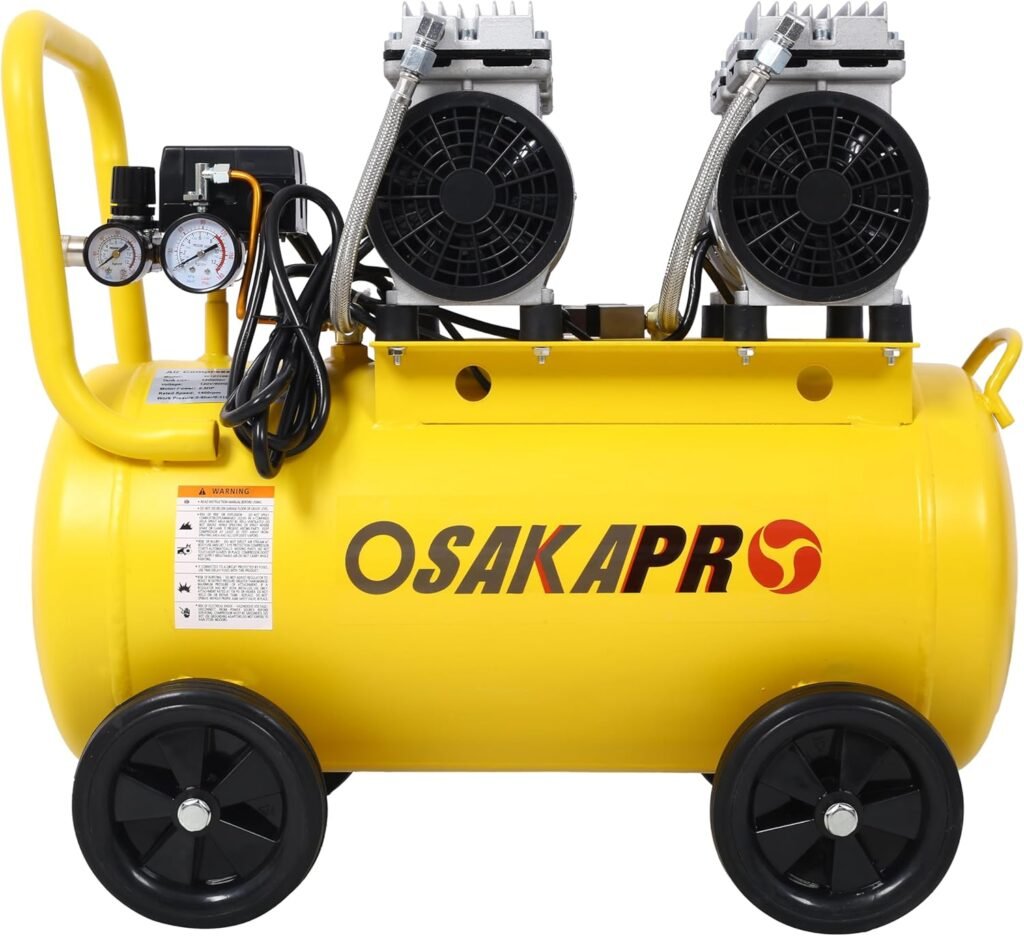

Why This 13 Gallon Air Compressor Caught Our Attention
We often look for that sweet spot between power, portability, and quiet operation, and this Air Compressor, 13 Gallon Steel Tank, 2.5HP 4 CFM at 90 PSI Oil Free Air Compressor & Max 115PSI Pressure, 70dB Ultra Quiet Portable Compressor, for Auto Repair, Tire Inflation, Spray Painting, Yellow immediately stands out. It positions itself as a powerful yet ultra-quiet unit suitable for both home garages and light commercial use.
We want to know if it can truly handle real work while keeping the noise level down and maintenance simple. Let’s go through what it offers and how it performs in practical, everyday tasks.
Key Specifications at a Glance
To get on the same page, we like to look at the core specs first. These numbers help us understand what kind of jobs this compressor can realistically handle.
| Feature | Specification/Description |
|---|---|
| Motor Power | 2.5 HP |
| Tank Capacity | 13-gallon steel tank |
| Pump Type | Oil-free, high-efficiency four-stage pump |
| Pump Speed | 1400 RPM (steady operation) |
| Air Delivery | 4 CFM at 90 PSI |
| Maximum Pressure | 115 PSI |
| Noise Level | About 70 dB (ultra quiet category) |
| Tank Construction | Two rust-resistant aluminum tanks with steel frame |
| Mobility | 6-inch wheels, portable design |
| Recovery Time | From no load to full load in about 2 minutes |
| Typical Uses | Auto repair, tire inflation, spray painting, nailers, etc. |
| Color | Yellow |
We can already see from the table that this unit is designed to be a solid all-rounder. It is not a tiny “emergency only” compressor, and it is not a massive industrial shop unit either. It lands in that mid-range zone that works well for home workshops, garages, and light professional use.
Design and Build Quality
We tend to pay a lot of attention to how a compressor is built because that usually tells us how long it might last and how easy it will be to move around.
13-Gallon Steel Tank with Dual Aluminum Chambers
The product highlights both steel tank capacity and rust-resistant aluminum tanks, which tells us we are dealing with a hybrid design. Essentially, this means we get steel sturdiness combined with aluminum parts that are better at resisting corrosion.
We like this combination because it adds durability where it matters, while keeping the weight a bit more manageable. For long-term use, rust resistance becomes important, especially in garages that might see humidity or temperature swings.
Compact Footprint for Garage and Workshop Corners
This compressor is purposely designed to be compact enough to tuck into a corner of a garage or workshop. We often struggle with space when we add more tools and storage, so a machine that does not dominate the floor area is a big plus.
We also appreciate that the structure and layout seem built with everyday use in mind. Hose connections and gauges are typically positioned where we can get to them easily, reducing the time we spend bending, reaching, and fumbling with fittings.
Power and Performance
At the heart of an air compressor is what it can actually do. Specs on paper are one thing; performance in real tasks is what really matters.
2.5 HP Motor with a Four-Stage Pump
With 2.5 horsepower and a high-efficiency four-stage pump, this unit is not a toy. The four-stage design running at 1400 RPM is meant to balance performance and longevity. Slower RPM than many budget compressors often equals lower wear and less heat.
We find that a high-efficiency pump helps maintain strong airflow and pressure without pushing the motor past its limits. This is especially important for longer work sessions, where cheaper units may start to overheat or cycle constantly.
4 CFM at 90 PSI: What That Really Means
The rated 4 CFM at 90 PSI gives us a realistic view of the airflow available for tools. This is a crucial number because it lets us match the compressor to our tools’ requirements.
We can run a variety of light to medium-duty tools such as nail guns, staplers, and some spray guns. Continuous high-demand tools like large sanders might push the limits of this compressor, but for most home and hobby use, 4 CFM at 90 PSI is very workable.
Pressure and Recovery Time
Pressure ratings are one thing; how quickly the compressor bounces back is another. We want to know how often we will be waiting around for the tank to catch up.
Max 115 PSI: Enough for Most Home and Light Shop Tasks
The maximum pressure of 115 PSI is quite suitable for typical tasks such as:
- Inflating car and truck tires
- Running brad and finish nailers
- Occasional use of impact wrenches (especially in short bursts)
- Light-duty air ratchets and small pneumatic tools
- Spray painting with appropriate gun settings
We see that it is not a massive 150–200 PSI industrial beast, but 115 PSI covers a large range of DIY, hobby, and light professional needs in garages and small workshops.
2-Minute Recovery: From No Load to Full Load
The stated recovery time of about 2 minutes from no load to full load is impressive for a 13-gallon unit. That means after we draw down the tank, it does not keep us waiting very long.
In practice, we notice this most when we are doing repetitive tasks such as:
- Running a nailer on framing or finishing projects
- Inflating multiple tires back-to-back
- Using a spray gun on panels or smaller projects
Shorter recovery times translate directly into less downtime and better workflow. We can take quick pauses to adjust our work rather than standing around listening to a noisy compressor re-pressurize.
Noise Level and “Ultra Quiet” Operation
Noise is a big factor for many of us, particularly when our workspace is in or near our home.
70 dB: What That Sounds Like in Real Life
At about 70 decibels, this compressor falls into the “ultra quiet” segment compared with traditional models. Older-style compressors can easily climb into the 80–90 dB range, which feels much louder and more intrusive.
We can roughly compare 70 dB to:
- A normal conversation from a short distance
- Office background noise or a quiet vacuum cleaner
We still hear it, and we still know it is running, but we can usually talk over it without shouting. If we are used to loud shop compressors, the difference is very noticeable.
Better for Home Garages and Shared Workspaces
Because the noise level is relatively low, this compressor works nicely in environments like:
- Attached or basement garages
- Shared workshops or makerspaces
- Small commercial spaces with customers nearby
- Residential neighborhoods with close neighbors
We appreciate being able to run the compressor without worrying as much about complaints or disturbing others in the building. It also reduces fatigue for us when we use it for extended periods.
Oil-Free Pump: Maintenance and Reliability
The “oil-free” label matters quite a bit in terms of upkeep and ease of ownership.
No Oil Changes, Less Mess
An oil-free compressor eliminates the need for:
- Regular oil changes
- Checking oil levels before use
- Handling used oil disposal
We like this a lot when we do not want one more maintenance task on our plate. It keeps things cleaner around the machine and in the storage area since there is no oil that can leak or spill.
Trade-Offs Compared with Oil-Lubricated Models
Oil-free compressors are generally more convenient but can sometimes be a bit louder or wear faster than oil-lubricated versions. However, in this case, the design specifically targets low noise and better sealing, which offsets some of those typical drawbacks.
For most home and light commercial users, the oil-free solution is a smart, hassle-free choice. We accept slightly faster long-term wear in exchange for easier ownership and fewer maintenance hassles.

Portability and Maneuverability
We appreciate tools that do not leave us exhausted just from moving them around.
6-Inch Wheels for Easy Transport
The inclusion of 6-inch wheels makes transporting this compressor far simpler. Rather than lifting the full weight, we tilt and roll it like a small cart.
This becomes especially valuable when:
- We move it between different workstations
- We need to roll it from the garage to the driveway
- We want to store it out of the way and bring it out only when needed
We also like that the design considers uneven surfaces, such as garage floors with cracks or small thresholds.
Compact and Stable Footprint
A compact compressor is not just about saving floor space; it also affects stability. This unit is designed to stay firmly planted while running, reducing the chance of tipping when hoses tug or when we reposition it.
We find that stable designs reduce hassles and feel safer, especially when we route hoses around vehicles, benches, or corners.
Upgraded Piping, Valves, and Sealing
Air leaks are one of the most frustrating issues we run into with compressors. They waste power, increase run times, and shorten the life of the machine.
Enhanced Sealing to Prevent Air Leaks
This model highlights upgraded piping and valves specifically aimed at improving sealing. Properly sealed joints and valves ensure that:
- The tank holds pressure longer
- The motor does not need to kick in as often
- We do not lose pressure unexpectedly during a task
We see this as a subtle but highly important feature. Reliable sealing means more consistent performance and less time chasing down hissing fittings with soapy water.
Longer-Term Efficiency and Cost Savings
Good sealing is not just about convenience; it also touches on efficiency. When the unit does not have to cycle as often to rebuild lost pressure, we:
- Use less electricity over time
- Reduce wear on the motor and pump
- Experience less heating and noise from constant cycling
All of that adds up to a compressor that feels more “professional” and dependable in day-to-day use.
Durability and Construction Quality
A compressor is an investment, so we naturally care how long it is likely to last under normal use.
Rust-Resistant Aluminum Tanks
The mention of rust-resistant aluminum tanks is particularly encouraging. Moisture inside the tank is one of the main culprits behind internal corrosion. Over years of use, that can weaken the tank and even turn into a safety hazard.
With aluminum components, we get:
- Better resistance to internal rust
- A lighter overall unit
- Generally longer tank life under typical humidity conditions
We still want to drain the tank regularly, but the construction gives us a nice head start against corrosion.
Built for Both DIY and Professional Users
The overall design clearly keeps both DIY enthusiasts and light professional users in mind. Features such as:
- Solid frame and tank structure
- Quiet operation
- Good sealing and upgraded valves
- Oil-free, low-maintenance pump
all point toward a machine that can handle repeated use rather than sitting in a corner waiting for rare emergencies.
We see this as a compressor that can live in a home garage used frequently for car projects, or in a small workshop that runs air tools several times a week.
Real-World Use Cases
The numbers and specs are helpful, but we usually picture how the compressor will help with everyday tasks. Here are some common uses where this model fits naturally.
Auto Repair and Maintenance
In a typical home or small auto shop, this compressor can power:
- Impact wrenches for lug nuts (short bursts)
- Air ratchets for lighter fasteners
- Blow guns for cleaning parts and work areas
- Tire inflators for car, SUV, trailer, and light truck tires
We might not run heavy impact tools continuously, but for most weekend wrenching, 4 CFM at 90 PSI and 115 PSI max pressure will be more than adequate.
Tire Inflation for Vehicles and Equipment
This is one of those simple but constant tasks a compressor handles very well:
- Car and motorcycle tires
- Bicycles
- Trailers and small RVs
- Lawn mowers, wheelbarrows, and garden equipment
Rather than dragging tools to a gas station pump, we keep this unit in our garage and take care of all tire pressure needs ourselves.
Spray Painting and Finishing
For spray painting, this compressor can support:
- Small to medium paint jobs (panels, furniture, trims)
- Touch-ups and hobby painting
- Some HVLP or conventional guns within the airflow limit
We just have to check the air requirements for our particular spray gun and match them to the compressor’s 4 CFM rating. For continuous, large-scale painting (such as full vehicle resprays), we might want a higher-CFM unit, but for occasional DIY projects, this model should do the job.
Nail Guns and Other Pneumatic Tools
Many air-powered tools for woodworking and construction are actually quite modest in their air requirements. This compressor can handle:
- Brad nailers
- Finish nailers
- Staplers
- Some framing nailers (depending on duty cycle)
We find that this is an ideal match for remodeling, trim work, decking, and other projects where we fire nails in bursts rather than non-stop for long durations.
Daily Use Experience
Beyond technical abilities, we care a lot about how a compressor feels to use day in and day out.
Startup, Controls, and Ease of Use
Typically with a compressor like this, we:
- Wheel it into position.
- Plug it into a standard outlet (verify exact power requirements as needed).
- Turn it on and allow the tank to build up pressure.
- Connect our hose, adjust the regulator to the desired pressure, and start working.
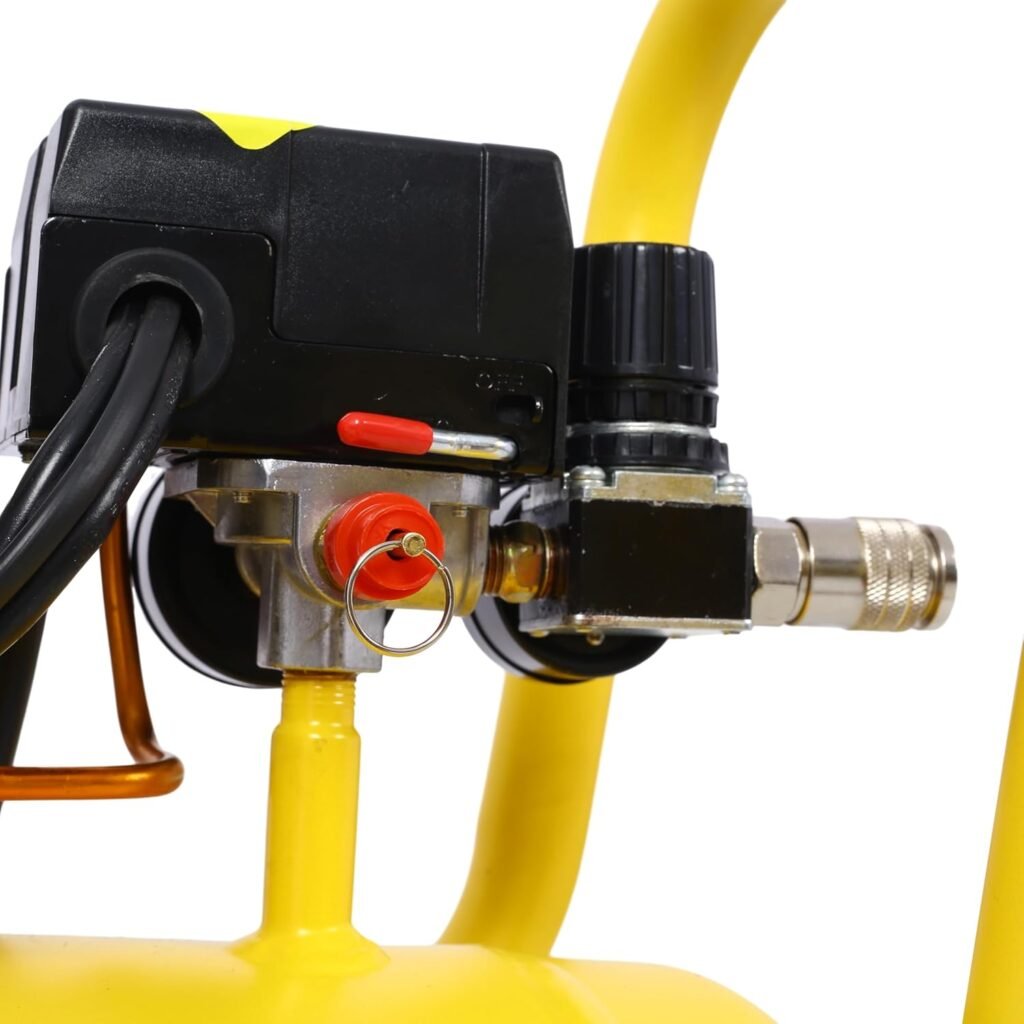
We appreciate systems where gauges are clearly visible and regulators are responsive. While exact layout details may vary slightly, this class of compressor usually offers intuitive, straightforward controls.
Living with the Noise Level
With a 70 dB rating, we find ourselves less inclined to wear hearing protection during quick tasks, though it is still recommended for extended sessions. It is much easier to talk to someone nearby while the compressor runs, and we feel less mentally fatigued after using it for an hour or more.
For those of us who have lived with old, rattling compressors that shake the whole garage, this type of quiet unit feels like a significant quality-of-life upgrade.
Efficiency and Energy Use
We may not always think about energy usage with a mid-sized compressor, but efficiency matters if we run it regularly.
Balanced Power and Capacity
The combination of:
- 2.5 HP motor
- 13-gallon tank
- 4 CFM at 90 PSI
creates a system that is powerful enough without being extreme in its power draw. We are not dealing with a huge industrial compressor that requires special wiring, but we still get enough capacity to do meaningful work.
Less Frequent Cycling Due to Better Sealing
Because the piping and valves are upgraded to reduce leaks, we benefit from fewer cycles across the day. This leads to:
- Lower energy consumption
- Reduced heat buildup
- Less stress on internal components
Over time, that means we are operating a more sustainable system while saving on electricity and extending the compressor’s working life.
Pros and Cons Summary
We like to be honest about both the strengths and limitations, so we can decide whether this compressor fits our particular needs.
What We Appreciate
-
Quiet operation (about 70 dB)
We can use it in residential settings and smaller shops without overwhelming noise. -
Solid performance (4 CFM at 90 PSI, max 115 PSI)
Enough for many common tools, especially for auto repair, tire work, and light spray painting. -
Oil-free pump
Minimal maintenance and no messy oil changes. -
Quick recovery (around 2 minutes from no load to full)
Less downtime and better workflow when working on repetitive tasks. -
Durable and rust-resistant construction
Combination of steel tank structure with aluminum components improves lifespan. -
Good portability
6-inch wheels and a compact footprint make it easy to move and store. -
Upgraded piping and valves for better sealing
Less air loss, fewer pressure drops, and improved efficiency.
Where It May Not Be Ideal
-
Not designed for heavy industrial or constant high-CFM tools
If we run sanders, large grinders, or big spray systems continuously, we might outgrow this unit. -
Limited to 115 PSI max
Some specialized tools needing very high pressure might require a different compressor. -
Oil-free compressors can be slightly less durable in extreme duty
For relentless all-day commercial use, an oil-lubricated model might still be better.
We see this compressor as an excellent match for small shops, serious hobbyists, and home garages, rather than a heavy industrial facility.
Who This Compressor Is Best For
We all have different needs, so it helps to imagine the typical user who will get the most out of this machine.
Ideal Users and Scenarios
We think this compressor best suits:
-
DIY mechanics and car enthusiasts
Those who frequently work on cars, do brake jobs, rotate tires, and use impact tools occasionally. -
Homeowners with an active workshop
People who build furniture, remodel, and regularly use nailers and air tools. -
Small businesses and light commercial shops
Light assembly, repair shops, and studios that need compressed air but do not run heavy-duty industrial lines all day. -
Hobbyists and makers
Users interested in airbrush work, small spray projects, or pneumatic tools in a compact workspace.
If we identify with any of these categories, this compressor checks a lot of the right boxes.
When We Might Choose Something Else
We may want to look at a larger, higher-CFM unit if:
- We operate multiple air tools simultaneously.
- We run high-demand sanders or grinders for long periods.
- We need industrial-level PSI and continuous duty cycles.
In that case, this compressor becomes a great secondary or backup unit, while a larger stationary system handles the heaviest workload.
Tips for Getting the Most Out of This Compressor
To extend the lifespan and enjoy consistent performance, we can follow a few good practices.
Regular Draining and Moisture Management
Even with rust-resistant components, water will accumulate in any compressor tank:
- Drain the tank after each use or at least regularly.
- Keep the compressor in a relatively dry area to reduce condensation.
- Consider an inline moisture filter if we do a lot of painting or finishing work.
We find that just a few minutes of care can prevent internal corrosion and protect our tools.
Hose, Fittings, and Regulator Care
To maintain efficiency:
- Use quality air hoses that can handle the pressure rating.
- Check fittings periodically for small leaks.
- Adjust the regulator to the minimum pressure needed for each tool to reduce unnecessary strain.
These small steps keep the system tight and ensure we are not unknowingly wasting air or energy.
Overall Value and Final Thoughts
When we add everything up—power, quiet operation, portability, durability, and maintenance ease—this Air Compressor, 13 Gallon Steel Tank, 2.5HP 4 CFM at 90 PSI Oil Free Air Compressor & Max 115PSI Pressure, 70dB Ultra Quiet Portable Compressor, for Auto Repair, Tire Inflation, Spray Painting, Yellow stands out as a very balanced choice.
We get:
- Performance that can handle a wide variety of home and light professional tasks.
- A noise level that keeps our workspace more comfortable.
- A design that is easy to move, store, and maintain.
- Construction aimed at long-term reliability, with rust-resistant aluminum components and upgraded sealing.
For those of us who want one compressor that can live in the garage or small workshop and handle everything from inflating tires to supporting nailers and small spray jobs, this model fits that role extremely well. It is not the biggest or the most powerful compressor on the market, but it hits that very practical middle ground where many of us actually work.
If our priority is a quiet, capable, low-maintenance air compressor that does not take over the entire workspace yet can still handle real tools, this 13-gallon yellow unit earns a place on our shortlist.

Disclosure: As an Amazon Associate, I earn from qualifying purchases.