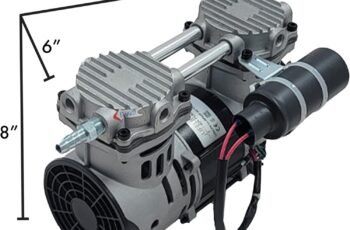
Have we ever wished our workspace could stay quiet while we use powerful pneumatic tools or inflate equipment quickly and reliably?
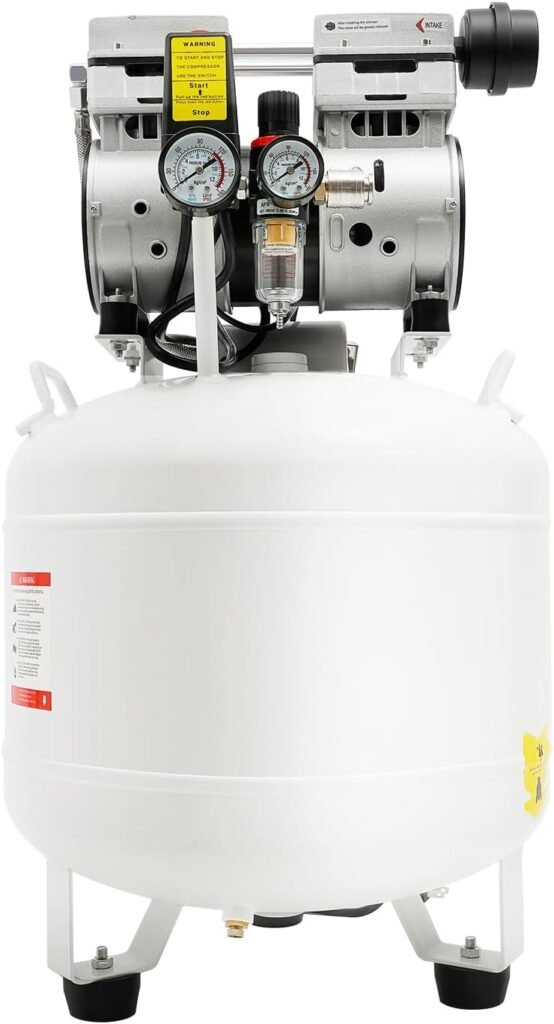

What Is the Air Compressor Silent Air Compressor Oilless 115PSI 0.75KW 110V?
This air compressor is designed for people who want solid performance without the constant roar of a typical compressor or the mess of oil maintenance. It combines an oilless design, relatively quiet operation, and a compact build that suits home workshops, garages, and small professional setups.
We see it as a practical, everyday workhorse: enough power for many light-to-medium tasks, but far more pleasant to live with than a loud, oil-lubricated unit.
Key Specifications at a Glance
It helps to understand the essentials before we think about suitability for our projects. Below we summarize the core specs in a simple table for quick reference.
| Feature | Detail |
|---|---|
| Product Name | Air Compressor Silent Air Compressor Oilless 115PSI 0.75KW 110V |
| Maximum Pressure | 115 PSI (approx. 0.8 MPa) |
| Motor Power | 0.75 kW (approx. 1 HP) |
| Voltage | 110 V (suitable for standard US household circuits) |
| Design | Oilless, low-maintenance |
| Main Materials | Copper, iron, aluminum, plastic |
| Motor Type | All-copper motor |
| Cooling System | Large-diameter cooling fan |
| Safety Features | Solenoid valve, oil-water separator |
| Operation | Single switch on/off, simple control |
This set of specs positions the unit as a compact, user-friendly compressor, aimed at general shop and home use rather than heavy industrial duty.
Build Quality and Materials
We always care a lot about how robust a compressor feels, especially in busy or shared workspaces. This model leans heavily on durable metals with only essential plastic components.
Sturdy and Durable Construction
Made from copper, iron, aluminum, and plastic, the compressor is built to handle bumps, knocks, and everyday wear. The use of metals like iron and aluminum on core structural and mechanical parts gives us confidence that it is meant to last, not just look good out of the box.
We appreciate that this combination of materials not only improves impact resistance but also helps with rust resistance, especially when stored in garages or basements where humidity can fluctuate.
Impact and Rust Resistance
The impact resistance matters when we move the compressor around or when it lives in a busy workshop where tools and materials are constantly on the move. The rust-resistant nature of the components, especially when made from aluminum and treated metals, means less worry about corrosion eating into critical parts.
In short, we get the feeling that this compressor is meant to be used, not babied. We can treat it like a real tool rather than a fragile gadget.
Oilless Design and Maintenance
One of the most attractive qualities of this compressor is its oilless mechanism. For many of us, oil-lubricated models can be intimidating or simply annoying to maintain.
What Oilless Operation Means for Us
An oilless compressor uses materials and internal coatings that reduce friction without needing engine oil lubrication. That means we are not checking oil levels, not topping up, and not dealing with potential oil leaks on the floor or in the air lines.
We also avoid sending oil mist into the air stream—which is a big plus when we use air tools for painting, cleaning, or any job where we do not want oily residue on surfaces.
Reduced Maintenance and Mess
Because this compressor does not require oil, routine maintenance is minimal. We do not have to schedule oil changes or store extra compressor oil. That reduces both running costs and time spent on upkeep.
We still need to care for basics like draining moisture from the tank (if applicable), checking hoses, and keeping vents clear, but there is no lubrication maintenance that usually scares off first-time compressor owners.
Performance and Power (0.75 kW / 115 PSI)
Performance is where we decide if this is the right fit for our tasks. With 0.75 kW (around 1 HP) and a maximum pressure of 115 PSI, this unit is designed for general-purpose work rather than heavy industrial loads.
What 115 PSI and 0.75 kW Really Mean
A maximum pressure of 115 PSI is enough for a broad range of tools and tasks: inflating tires, running brad nailers, small impact tools with intermittent use, airbrushes, and cleaning dust out of crevices. The 0.75 kW motor provides solid power for building up and maintaining that pressure without constant strain.
We should remember that while PSI tells us how much pressure it can reach, the airflow (CFM) determines how well it runs certain tools continuously. Even without explicit CFM listed here, we can reasonably place this in the light-to-medium duty range.
Suitable Applications for Everyday Work
For many home users and small shops, this compressor can handle:
- Tire inflation (cars, bicycles, lawn equipment)
- Nail guns and staplers (trim work, woodworking, small construction tasks)
- Blow guns for cleaning surfaces and equipment
- Airbrushes and light spraying tasks
- General pneumatic tasks that do not demand a constant, industrial-level air supply
We probably would not choose this model as the only compressor in an auto body shop with multiple tools running simultaneously, but for the average garage or project bench, it is more than capable.
All-Copper Motor and Stable Performance
The motor is the beating heart of any air compressor, and this one uses an all-copper design, which carries advantages over cheaper options.
Why an All-Copper Motor Matters
Copper windings handle heat better and conduct electricity more efficiently than many mixed or aluminum-based options. That translates to better energy efficiency, stronger performance at a given power level, and generally longer motor life.
We like knowing that the manufacturer did not cut corners here: an all-copper motor is usually a sign that they expect the compressor to be used regularly, not just occasionally pulled out of storage.
Consistent Output and Fewer Stalls
Stable performance also means we are less likely to deal with frequent tripping, stalling, or temperature-related cutouts under normal use. With proper ventilation and reasonable duty cycles, the compressor should reach and hold working pressure reliably.
That kind of consistency matters when we are in the middle of a project; we want our tools powered as expected without waiting overly long for the tank to refill.
Cooling and Safety Features
Air compressors generate heat naturally, and managing that heat is key to long life and reliable operation. This unit incorporates a large-diameter cooling fan and a safety-oriented solenoid valve.
Large-Diameter Cooling Fan for Heat Dissipation
The cooling fan helps move heat away from critical components, especially the motor. Designing it with a large diameter allows it to push more air at a lower speed, which can reduce noise and improve cooling efficiency.
We like that the manufacturer highlights this detail, because overheating is a common cause of early compressor failures. With better heat management, we can run the compressor longer within its intended duty cycle without fear of damaging the motor.
Solenoid Valve Protection
The solenoid valve is a smart safety feature that protects the motor, especially in tricky situations like sudden power failures. In basic terms, it helps relieve pressure appropriately and prevents the motor from trying to restart under heavy load conditions that could burn it out.
We appreciate this layer of protection, particularly if our workshop power situation is not perfect or if we experience occasional power interruptions.

Oil-Water Separator and Air Quality
Moisture and contaminants in compressed air can cause multiple issues: rust inside tools, blemishes in painted finishes, and shortened tool life. This compressor includes an oil-water separator, which is a valuable addition.
What the Oil-Water Separator Does for Us
The oil-water separator’s role is to separate oil and water from the compressed air stream, helping purify the air that reaches our tools. Even in an oilless compressor, moisture from the ambient air can condense inside the tank and lines, and this separator helps reduce that problem.
We end up sending cleaner, drier air to our tools, which is especially valuable for painting, airbrushing, and other fine, finish-oriented work.
Better Protection for Tools and Workpieces
By reducing water content and potential oil residue, we protect our investment in pneumatic tools and preserve the quality of our work. Rust inside air tools is a slow, silent killer, and moisture on a painted surface can ruin an otherwise perfect job.
This small component can save us from a lot of frustration and unexpected repairs in the long run.
Noise Level and “Silent” Operation
The product name calls it a “Silent Air Compressor,” which always catches our attention. While no compressor is truly silent, this type is usually much quieter than traditional loud, oil-lubricated models.
How Quiet Is It Likely to Be?
Although we do not have a specific decibel rating here, compressors marketed as “silent” or “ultra-quiet” often operate in a range suitable for indoor or shared-space use without hearing protection for casual work. The combination of an oilless pump and efficient cooling fan design typically lowers overall noise output.
We should not expect library-level quiet, but we can reasonably expect a sound level that is more of a background hum than a constant roar.
Benefits of Lower Noise
A quieter compressor is far easier to live with at home and in small shops. We can work early in the morning or late at night without disturbing family members or neighbors as much. Long sessions in the workshop also become less fatiguing when we are not fighting against the sound of a very loud motor.
For those of us who do creative work, like airbrushing or detailed woodworking, a lower noise floor helps us stay focused and less stressed.
Ease of Use and Controls
The design is meant to be straightforward, even for users who are not familiar with air compressors. That simplicity is a big plus when we just want a tool to work without studying a long manual.
Single Switch Operation
Starting the compressor is as easy as flipping the switch button. There are no complex control panels or multi-step start procedures. We simply connect the power, attach our air hose and tools, and turn it on.
This is especially friendly for beginners or for occasional users who do not want to re-learn complicated steps every time they use the compressor.
Minimal Setup and Learning Curve
With an oilless design and built-in safety and air-quality features, there are fewer extras to install before we can get to work. We do not need to:
- Prime oil systems
- Adjust complex regulators (beyond normal pressure settings)
- Add extra filtration for basic tasks
That makes it especially suitable as a first compressor or as a convenient, “grab-and-go” unit in a small workshop.
Practical Use Cases
To decide if this model fits our needs, it helps to visualize specific tasks we might perform. With its 0.75 kW power and 115 PSI capability, there are several everyday uses where it shines.
Home and Garage Projects
In a typical garage or home workshop, we might use this compressor for:
- Inflating car, bike, and trailer tires
- Powering nail guns for trim, baseboards, or small framing jobs
- Cleaning sawdust or metal shavings from tools and benches
- Occasional use with small impact tools or ratchets
These are exactly the kinds of tasks this compressor is well-suited for, and we can expect it to handle them reliably without excessive noise or maintenance.
Light Professional and Creative Work
For light professional use—such as woodworking shops, small repair shops, or creative studios—it can support:
- Airbrush work for models, crafts, or fine art
- Light upholstery tasks with staplers
- Detail cleaning for electronics and mechanical components
- Occasional pneumatic tool use for repair work
We might outgrow it if we run multiple heavy air tools all day, but for intermittent and moderate use, it fits nicely into a professional environment that values comfort and quiet operation.
Benefits and Advantages
To bring everything together, we find it helpful to outline what we gain by choosing this particular model.
Low-Maintenance Operation
Because it is oilless, we avoid oil changes, oil storage, and the mess of leaks. That alone removes a common barrier for many potential compressor owners who do not want an extra maintenance chore.
We can focus on our work instead of constantly monitoring and servicing the compressor.
Safer and More Reliable Design
Safety features such as the large cooling fan and solenoid valve protect against overheating and sudden power-related issues. By taking some of the worry out of compressor ownership, these features let us use it more confidently.
When a tool is easy and safe to use, we are far more likely to reach for it regularly, which is exactly what we want from a key piece of workshop equipment.
Cleaner Air for Better Results
The oil-water separator improves the quality of the compressed air, which in turn improves our results and tool longevity. Clean air is crucial for painting, finishing, and precision tasks where contaminants would otherwise show up quickly.
We get more professional outcomes without needing a complex add-on filtration system.
Potential Limitations to Consider
No tool is perfect for every scenario, and it is important for us to understand where this compressor’s limits might appear.
Not Designed for Heavy Industrial Use
With a 0.75 kW motor and a maximum of 115 PSI, this compressor is not intended for continuous, multi-tool operation in a heavy industrial environment. If we run large impact wrenches, sandblasters, or multiple spray guns nonstop, this unit will likely struggle to keep up.
We would then need a larger compressor with higher CFM and more robust duty-cycle capabilities.
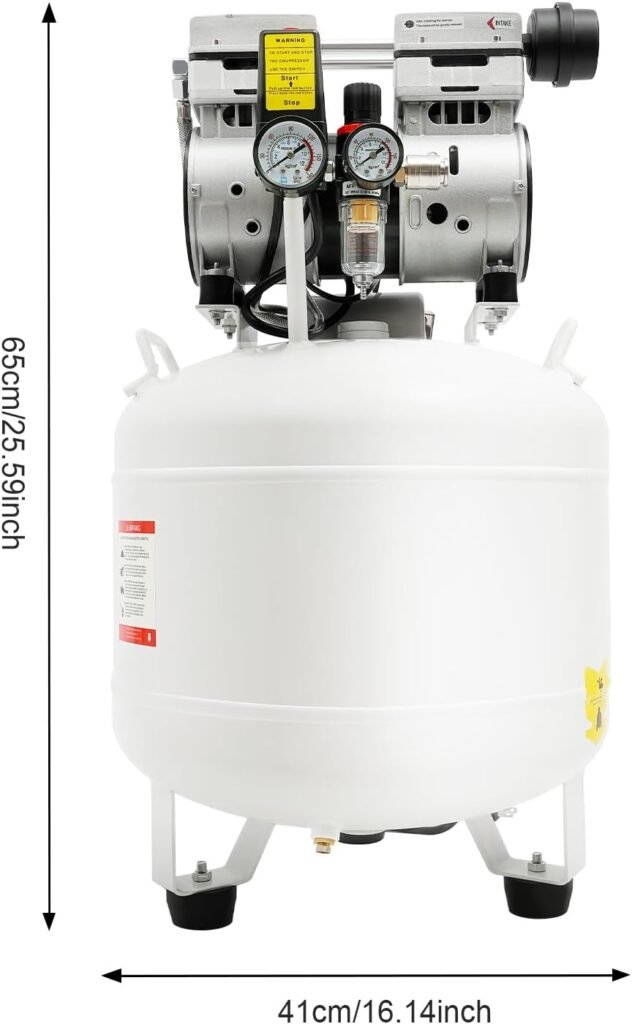
Space and Portability Factors
While the materials and structure are robust, that can mean a bit of weight compared with very small, plastic-heavy portable compressors. This is usually a fair trade-off for durability, but it is something to keep in mind if we plan to carry it frequently between job sites.
We might want to position it in a semi-permanent spot in the workshop or garage and use long hoses if we do not want to move it often.
Comparison with Traditional Oil-Lubricated Compressors
To appreciate the strengths of this model, we can contrast it briefly with more traditional oil-lubricated units.
Maintenance vs. Longevity
Oil-lubricated compressors often shine in heavy-duty, continuous-use scenarios, and they can sometimes last longer in those environments—if we keep up with oil changes and careful maintenance. They are also often louder and messier.
In contrast, this oilless compressor offers:
- Fewer user-maintenance tasks
- Cleaner operation
- Lower noise levels
- Slightly less favor in extreme, non-stop industrial usage
For most home and light professional users, the reduced maintenance and lower noise easily outweigh the potential benefits of a heavy-duty, oil-lubricated machine.
Air Quality and Cleanliness
Oil-lubricated models can send traces of oil into the air stream, which is not ideal for painting, fine woodworking, or any use where we want clean, dry air. While additional filters can mitigate that, it adds cost and complexity.
This oilless model, especially with an oil-water separator included, gives us cleaner air with less hassle—one of the key reasons we would choose it for creative and finish-oriented work.
User Experience and Day-to-Day Ownership
We find that long-term satisfaction with a compressor does not only come from specs; it also comes from daily usability, noise levels, and how often we feel compelled to maintain it.
Simplicity Encourages Frequent Use
Because it powers on with a simple switch and requires little ongoing attention, we are more likely to use it even for small tasks. Need to inflate a tire or blow dust off a tool? We are not thinking twice about checking oil or fiddling with complicated settings.
That convenience adds real value over time as the compressor becomes a regular part of our workflow rather than an occasional specialty tool.
Confidence in Durability
The combination of strong materials, an all-copper motor, and proper cooling gives us confidence that everyday bumps and regular use will not shorten its life dramatically. We expect it to become a long-term part of our workshop or garage lineup.
Especially for those of us investing in our first serious compressor, that sense of reliability matters a lot.
Pros and Cons Summary
Sometimes it is helpful to have a quick recap of strengths and trade-offs in one place. Here is a straightforward overview from our perspective.
| Aspect | Pros | Cons / Considerations |
|---|---|---|
| Design | Oilless, clean operation, minimal maintenance | Not aimed at extreme, continuous industrial loads |
| Performance | 0.75 kW motor, 115 PSI suitable for many home and light shop tasks | Airflow (CFM) likely limited for multiple heavy tools |
| Build Quality | Copper, iron, aluminum construction; impact and rust resistance | Metal build may be heavier than small plastic-portable units |
| Motor | All-copper motor for efficiency and stability | Requires proper ventilation space for best cooling |
| Safety | Large cooling fan, solenoid valve protection | Still needs basic user awareness about duty cycles and usage |
| Air Quality | Oil-water separator for cleaner, drier air | For ultra-critical painting, additional filtration may still help |
| Noise | Quieter “silent” style design compared with many standard units | Not completely silent; still audible during operation |
| Ease of Use | Single-switch operation, low learning curve | Not packed with advanced digital controls (simple by design) |
This snapshot helps us see that the product leans strongly toward user-friendliness, cleanliness, and everyday durability.
Who Is This Compressor Best For?
We want to be clear about the kind of user who will benefit the most from this particular model.
Ideal Users and Environments
This compressor is a strong match for:
- Homeowners who want a reliable, low-maintenance compressor for routine tasks
- Hobbyists and DIY enthusiasts in woodworking, crafting, or light automotive work
- Small shops where noise control and air quality are important
- Creative studios needing compressed air for airbrushing or light pneumatic tools
If we prioritize quiet operation, clean air, and simple maintenance over industrial-level airflow output, this unit makes a lot of sense.
When to Consider a Different Model
On the other hand, we might want to look for a bigger, possibly oil-lubricated model if:
- We run multiple heavy air tools all day (e.g., automotive repair shops, sandblasting)
- We need very high CFM for large spray guns or continuous grinding
- We are willing to trade quietness and maintenance simplicity for maximum output
In those cases, a more powerful compressor with a larger tank and higher airflow specs would be a better investment.
Our Overall Impression and Verdict
After looking at the design, materials, performance, and user-friendly features, we see the Air Compressor Silent Air Compressor Oilless 115PSI 0.75KW 110V as a well-balanced choice for many real-world workshops and homes.
We gain:
- A sturdy, rust-resistant build from copper, iron, and aluminum
- An efficient all-copper motor with stable, dependable power
- An oilless, low-maintenance design that keeps our workspace cleaner
- Safety features like a large cooling fan and solenoid valve for peace of mind
- An oil-water separator that helps deliver cleaner, drier air to our tools
- Convenient, simple operation with a single switch and minimal setup
We trade away only the extreme, constant-duty power of large industrial units, which most home users and small shops do not truly need. For many of us, the quiet, clean, and easy nature of this compressor is exactly what we want.
In our view, if we are looking for a dependable everyday compressor that balances performance, safety, cleanliness, and ease of use—without saddling us with complex maintenance routines—this model deserves serious consideration as a central part of our workshop or garage setup.

Disclosure: As an Amazon Associate, I earn from qualifying purchases.