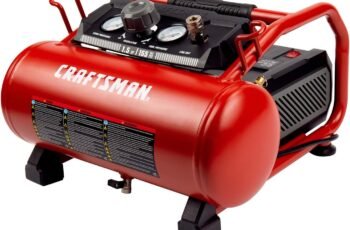
Are we tired of loud, high‑maintenance air compressors that disrupt our work?
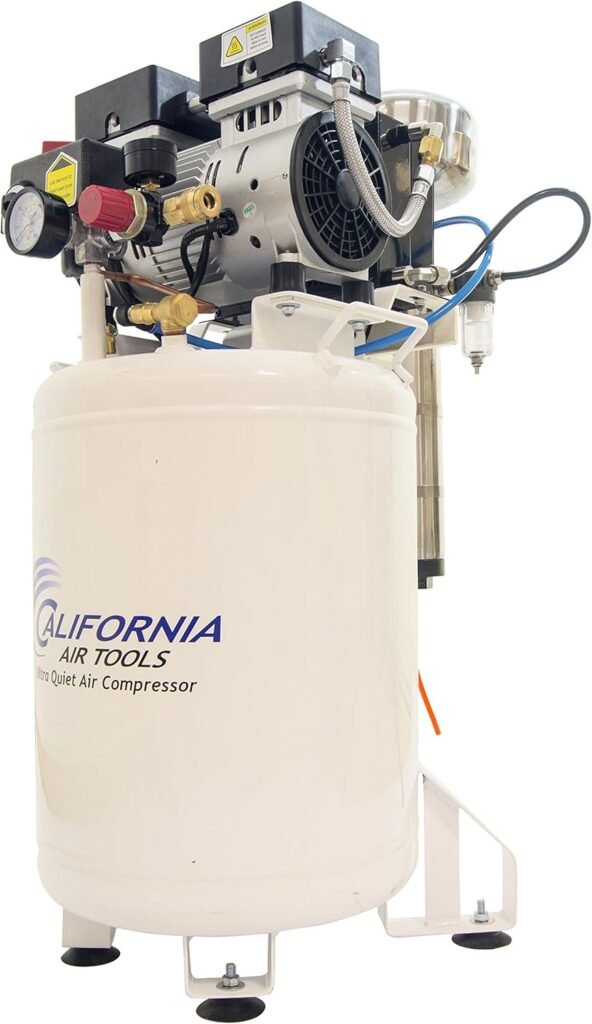
If we work in a shop, garage, studio, or small industrial space, we know how frustrating a noisy, unreliable compressor can be. The California Air Tools 10010LFDCAD Ultra Quiet & Oil-Free 1 hp Industrial Tank Air Compressor with Drying System & Auto Drain Valve, 10 gallon aims to solve a lot of those headaches in one shot: quieter operation, cleaner air, less maintenance, and a decent-sized tank for continuous tasks.
In this review, we walk through what this unit does well, where it falls short, and whether it fits our kind of work. We frame everything from a practical user perspective—what it actually feels like to live with this compressor day to day.

Overview of the California Air Tools 10010LFDCAD
The 10010LFDCAD is designed as a compact industrial-style compressor meant for users who need clean, dry air and low noise. We get a 10-gallon steel tank, a 1 hp oil-free pump, and a built-in air dryer with aftercooler plus an automatic drain valve. Noise is a big selling point here: it operates at about 60 decibels, which is remarkably quiet for a compressor with this capacity.
At a high level, this model is built for applications where sound, moisture, and ongoing maintenance have all been problems in the past. It’s not a huge shop compressor, but it packs several “premium” features into a relatively compact package.
Key Specifications and Features at a Glance
Sometimes it helps to lay everything out clearly so we can compare this to units we might already own or are considering. Here’s a concise breakdown of the main features and specs.
| Feature | Details |
|---|---|
| Brand / Model | California Air Tools 10010LFDCAD |
| Motor Power | 1 hp (electric) |
| Pump Type | Oil-free, low-maintenance |
| Noise Level | Approx. 60 dB (ultra quiet) |
| Tank Capacity | 10.0 gallon steel tank |
| Air Delivery | 3.00 CFM at 90 PSI |
| Drying System | 80% air dryer with aftercooler for dry air delivery |
| Drain System | Auto drain valve on the tank |
| Intended Use | Industrial / professional / serious DIY applications |
| Maintenance Needs | Minimal (no oil changes; periodic filter and system checks) |
| Primary Advantages | Quiet operation, dry air, lower maintenance, reasonable capacity |
This table doesn’t capture every nuance, but it helps us quickly see what category this compressor fits into: quiet, medium-capacity, shop-grade unit with moisture control built in.
Build Quality and Design
When we look at an air compressor that labels itself “industrial,” we want to see sturdy construction and components that can handle frequent use. The 10-gallon steel tank gives us a durable foundation that can withstand the pressures and occasional bumps we expect in a workshop or garage.
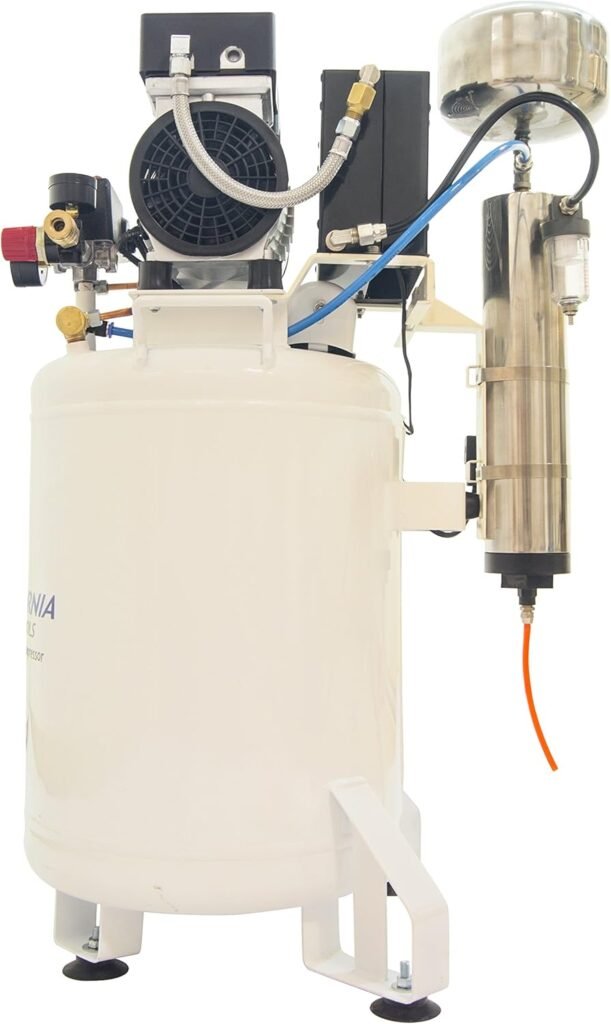
The overall design of the 10010LFDCAD is practical and straightforward. The compressor integrates the pump, dryer, aftercooler, and auto drain in a relatively compact footprint. Controls and gauges are generally placed for easy access, allowing us to check pressure and connections quickly. The steel tank gives it a solid, stable feel, not flimsy or cheap.
Noise Level: Ultra Quiet at 60 dB
One of the standout claims of this compressor is its ultra quiet operation at about 60 decibels. For context, many traditional shop compressors run somewhere closer to 80–90 dB or more, which can make a small space feel like a construction site. A unit around 60 dB is usually comparable to a normal conversation or a quiet office.
In practice, this level of noise reduction can make a huge difference to our day. We can actually stand next to the compressor and hold a conversation without shouting. That alone makes it more pleasant for:
- Home garages in residential neighborhoods
- Shared workspaces and small shops
- Indoor studios (e.g., woodworking, airbrushing, finishing)
If we work early mornings or late evenings, the quieter operation also helps us stay on better terms with neighbors or family members. We still hear it, but it becomes background hum instead of a major disturbance.
Oil-Free Pump: Less Mess, Lower Maintenance
The oil-free pump is another key feature, especially if we’re tired of oil changes, messy leaks, and worrying about oil vapor in our air lines. Oil-free compressors use special materials and design in the pump to eliminate the need for lubricating oil in the traditional sense.
For us, this translates into several practical benefits:
- Less maintenance: No oil changes, no checking oil levels, no buying compressor oil.
- Cleaner air: Reduced risk of oil contamination in the compressed air.
- Simpler ownership: Fewer steps to remember and fewer supplies to keep on hand.
There are trade-offs with oil-free pumps—historically they could be louder or have shorter lifespans than oiled models—but California Air Tools has built a reputation around quiet oil-free designs. For most workshops, the convenience and cleanliness outweigh those older drawbacks.

Tank Size and Capacity: 10-Gallon Sweet Spot
The 10-gallon tank on the California Air Tools 10010LFDCAD sits in a middle ground between portable pancake-style compressors and large stationary shop units. We’re not dealing with a tiny tank that cycles constantly, but we also don’t need a dedicated corner to park a giant 60-gallon vertical unit.
With 3.00 CFM at 90 PSI, we get enough airflow for:
- Nailers and staplers (finish, brad, roofing, framing within reason)
- Light to moderate impact wrench use
- Air ratchets, blow guns, and smaller air tools
- Detailing, cleaning, and light spray work with compatible tools
This CFM rating means it’s not intended to run heavy sanders, large grinders, or industrial spray guns continuously, but for many professional and serious DIY tasks, it provides a comfortable balance of airflow and recovery time.
Drying System and Aftercooler: Tackling Moisture in the Lines
For many of us, moisture is one of the most frustrating parts of working with compressed air. Condensation in the lines can ruin finishes, introduce rust, and shorten tool life. That’s where this unit’s 80% air dryer and aftercooler system becomes a much bigger deal than it may sound at first glance.
The manufacturer describes this as an 80% air dryer—meaning it significantly reduces the moisture content of the air. Combined with an aftercooler, which cools the air after compression, water vapor has a better opportunity to condense and be separated before it ever reaches our tools.
What this means in everyday use:
- We get much drier air compared with basic compressors that have no drying system.
- Coatings, paints, and finishes are less likely to be affected by moisture.
- Air tools and lines are less prone to internal corrosion and rust.
For anyone who has dealt with water spitting out of a spray gun or dripping from a blow gun, having built-in moisture control makes a measurable difference in work quality.
Auto Drain Valve: Convenience and Protection
Condensation in the tank is unavoidable with compressed air, but draining that moisture is one of those tasks we all know we should do regularly and often forget. The automatic drain valve on the 10010LFDCAD is meant to remove that daily chore from our checklist.
Here’s why this matters:
- Automatically removes accumulated water from the tank at intervals or under set conditions.
- Helps prevent internal rust and corrosion of the steel tank.
- Reduces the chances we’ll forget to drain the tank after heavy use.
Instead of bending down and opening a manual drain every time we finish a job, the system manages it for us. It’s not just convenient; it also contributes to the long-term health of the tank and the air quality we get out of it.
Performance: Airflow and Pressure in Real-World Use
With a rating of 3.00 CFM at 90 PSI, this compressor is clearly positioned for moderate air demands. Let’s map that to some real-world examples so we have a concrete sense of what it can handle.
We can reasonably expect good performance for:
- Finish carpentry tools: brad nailers, finish nailers, staplers.
- General-purpose tasks: blowing off dust, inflating tires, using light air tools.
- Automotive light work: some impact wrenches, air ratchets, and small air tools, as long as we’re not using them continuously under heavy load.
- Hobbyist spraying and airbrushing: as long as the tool’s air requirements fall near or under that CFM rating and we’re not running full-duty all day.
Where we’ll hit limits:
- Continuous-use air sanders and grinders.
- High-volume spray guns that expect larger CFM (especially HVLP guns at sustained usage).
- Industrial-scale production environments needing many tools running at once.
The compressor will still reach and hold typical workshop pressures, but when tools demand more air than the pump can replenish, we’ll notice more frequent cycling and possible pressure drop during extended use.
Ease of Use and Setup
Ease of use is one of the strengths of modern oil-free compressors, and the 10010LFDCAD fits that pattern well. Once we connect it to an appropriate power source and air line, most of the daily operation is straightforward.
What we experience in terms of usability:
- Simple controls: On/off switch, pressure gauges, and regulated output are designed to be intuitive.
- Oil-free operation: No checking oil levels means fewer steps during setup and startup.
- Automatic drain: Reduces manual tasks and keeps the tank healthier.
- Integrated dryer: No separate dryer unit to mount and connect, which simplifies our plumbing.
We still need to follow standard safety practices—using proper hoses, fittings, and regulators, and keeping within the rated pressure and duty cycle—but the compressor is not intimidating to operate, even for someone stepping up from a smaller DIY unit.
Maintenance: What We Still Need to Do
Although the oil-free design and auto drain valve reduce our maintenance load, they don’t completely eliminate the need for care. We still should plan to:
- Inspect and clean or replace air filters to keep the pump breathing easily.
- Monitor hoses, fittings, and seals for wear or leaks.
- Check the dryer components and any associated filters for clogging or wear, especially in humid environments.
- Keep the compressor in a well-ventilated area and clean around it to prevent dust buildup.
The good news is that these are relatively simple tasks. We don’t need to learn how to change oil or drain moisture manually after every use, which already places this unit ahead of many traditional compressors in terms of ease of ownership.
Use Cases: Who This Compressor Is For
To decide whether this model fits us, it helps to think through different typical users and where the California Air Tools 10010LFDCAD stands out.
Small Workshops and Garages
For a small woodworking shop, cabinet shop, or home garage doing regular but not extreme air tool work, this compressor can be an excellent match. We get:
- Enough air capacity for intermittent use of multiple tools.
- Lower noise, making it much easier to work near the compressor.
- Drier air, which benefits finishes and protects tools.
If our shop is in a basement, shared building, or small outbuilding close to neighbors, the low noise becomes even more valuable.
Professional Trades and Mobile Work
Contractors or tradespeople who need clean air—like finish carpenters, trim installers, and small repair crews—may appreciate the quieter operation and reduced maintenance. The 10-gallon size gives decent portability while still offering more reserve than a tiny portable unit.
We do need to consider power availability on job sites and whether the airflow (3.00 CFM at 90 PSI) suits all the tools we want to run. For a couple of nailers and light tools, it’s a strong candidate.
Hobbyists and Makers
Makers, hobby woodworkers, automotive enthusiasts, and DIYers often want a compressor that “just works” without constant fussing. The oil-free design, quiet motor, and dryer system all contribute to a smoother experience for:
- Wood finishing and light spray work.
- Detail work using airbrushes or smaller pneumatic tools.
- Occasional automotive repairs, tire inflation, and shop cleaning tasks.
We do want to confirm that any air-hungry tools we use fall within the compressor’s capabilities, but for a lot of hobby scenarios, it offers a comfortable balance of performance and convenience.
When This Compressor Might Not Be Ideal
We should also be clear about situations where this model may not be the best choice:
- High-CFM industrial tools running continuously.
- Large body shops or manufacturing environments where multiple heavy air tools operate at once.
- Settings where extreme portability (like a tiny pancake unit) is more important than all-day performance and noise control.
In those cases, stepping up to a higher CFM, larger tank, or fully industrial multi-stage unit is likely a better fit.
Pros and Cons of the California Air Tools 10010LFDCAD
To summarize the main strengths and limitations, let’s lay them out more directly so we can see how they line up with our priorities.
Advantages
-
Ultra quiet operation (~60 dB)
We can use it in small or shared spaces without overwhelming noise. -
Oil-free pump
Lower maintenance, no oil changes, and reduced risk of oil contamination in the air. -
10-gallon steel tank
Solid build and enough capacity for many workshop and garage tasks. -
3.00 CFM at 90 PSI
Adequate for a wide range of light to moderate air tool applications. -
Integrated 80% air dryer and aftercooler
Delivers drier air for better finishes and longer tool life. -
Auto drain valve
Less manual work, better protection against corrosion inside the tank. -
Good fit for small shops and serious DIYers
Offers many “big shop” features while still being compact and manageable.
Limitations
-
Not designed for very high-demand tools
Continuous-use sanders, grinders, or large-body spray guns may overwhelm its capacity. -
Industrial branding can be a bit optimistic
It’s robust, but still in the mid-range of air delivery; not a replacement for full-scale industrial compressor systems. -
Requires care with power circuits
As with any compressor of this size, we should ensure the electrical circuit can handle startup draw and operating load.
Understanding these trade-offs helps us decide whether this model fits our actual workflow, not just our wish list of specifications.
Comparing with Traditional Compressors
Many of us come from using older, louder, oiled compressors. Comparing the California Air Tools 10010LFDCAD to that typical experience clarifies the benefits.
Noise and Work Environment
Traditional piston compressors can be extremely loud, to the point where we may turn them off between tasks just to get some peace. With this model, we can leave it running without feeling like we’re standing next to a jackhammer. That can change how we organize our work, because we’re not constantly planning around noise.
Air Quality
Older compressors often require add-on moisture traps and separate dryers to get reasonably dry air. Here, the built-in dryer and aftercooler already move us much closer to controlled air quality out of the box, which reduces the number of external accessories we need.
Maintenance and Cost of Ownership
Oiled compressors may appear simpler at first, but over time we spend money on oil, filters, and sometimes repairs due to neglected maintenance. The oil-free, auto-drain configuration of this unit keeps the maintenance curve gentler and easier to manage.
User Experience: Day-to-Day Living With the 10010LFDCAD
When we think about whether a compressor feels “right” in our space, we’re usually considering more than just specs. We’re thinking about the startup experience, how it sounds, how often it cycles, and whether it creates extra tasks.
With this model, daily use tends to feel more relaxed:
- We switch it on and notice the muted startup sound compared with traditional units.
- It comes up to pressure and then idles until pressure drops, all without dominating the environment.
- The dryer works quietly in the background, and we don’t have to remember to drain the tank manually.
- Cleaning up the workspace is as simple as using a blow gun, with reduced worry about water spraying out with the air.
We still need to respect its limits, especially with tool choice, but the overall interaction with the compressor becomes less of a chore and more of an integrated part of the workflow.
Safety Considerations
Even with all the convenience features, we still need to treat the compressor with the same respect as any pressure system. That means:
- Confirming hoses and fittings are rated for the pressures we plan to use.
- Avoiding use near flammable vapors or explosive atmospheres.
- Ensuring adequate ventilation, as the motor and pump need airflow.
- Periodically checking the integrity of the tank and components for any signs of damage or corrosion.
Because of the dryer and auto drain, the risk of internal tank corrosion is reduced, but not completely eliminated over a long enough period. Keeping an eye on the system pays off in long-term reliability.
Cost and Value Considerations
While pricing can fluctuate depending on retailer and region, compressors with built-in dryers and auto drain systems generally cost more than basic models. The question for us becomes: does the added cost translate to real value?
We’re essentially paying for:
- Quieter work environment
- Reduced maintenance effort and supplies
- Improved air quality out of the box
- Longer-term protection of tools and tank due to dryness and automated draining
If we care about our ears, our finishes, and our tools, these features can save us money and frustration over time. For purely occasional tire inflation or one-off nail jobs, this might be more compressor than we need. But for regular workshop use, the balance of features against cost is compelling.
Practical Tips for Getting the Most from This Compressor
If we decide to use the California Air Tools 10010LFDCAD, we can squeeze even more benefit out of it with a few simple habits.
Tip 1: Match Tools to the CFM Rating
Before we plug in an air-hungry tool, we should check its CFM requirement at the pressure we intend to run. If we repeatedly use tools that demand more than 3.00 CFM at 90 PSI, we’ll be disappointed and put extra strain on the compressor.
Tip 2: Keep Hoses Short and Appropriate
Using shorter, correctly sized hoses where possible helps reduce pressure drop and keeps tools working efficiently. If we need long runs, choosing higher-quality, larger-diameter hoses can mitigate performance losses.
Tip 3: Maintain the Dryer and Filters
The built-in dryer and aftercooler are major selling points, but they still need some care. Cleaning or replacing filters and ensuring good airflow around the unit helps the dryer do its job more effectively.
Tip 4: Respect Duty Cycle
Even though the unit is sturdy, no compressor is meant to run non-stop at maximum load indefinitely. If we notice it running continuously for long stretches, that’s a cue to reassess the tools we’re using or our workflow.
How This Compressor Changes Our Workspace
When we introduce a quieter, cleaner, more automated compressor into our environment, the effect goes beyond technical specifications. We may find ourselves more willing to use air tools for short tasks because starting the compressor isn’t such a noisy event.
Also, the mental load of remembering to drain the tank, check oil, or switch on a separate dryer is reduced. That gives us more bandwidth to focus on the actual work: building, repairing, finishing, or creating.
In a small or shared workspace, noise reduction has another subtle benefit: less fatigue over a long day. Constant loud noise can be draining, even if we don’t notice it immediately. Working with a compressor in the 60 dB range can genuinely make our shop feel more human-friendly.
Final Verdict: Is the California Air Tools 10010LFDCAD Right for Us?
If we want a compressor that:
- Runs remarkably quiet compared with traditional shop units
- Provides drier, cleaner air thanks to an integrated 80% dryer and aftercooler
- Reduces hands-on maintenance with an oil-free pump and automatic drain valve
- Offers a 10-gallon tank and 3.00 CFM at 90 PSI, suitable for many workshop and garage tasks
then the California Air Tools 10010LFDCAD Ultra Quiet & Oil-Free 1 hp Industrial Tank Air Compressor with Drying System & Auto Drain Valve, 10 gallon stands out as a strong candidate. It’s not designed to power large industrial tools continuously, but for small shops, serious DIY users, and professionals who prioritize low noise and clean air, it’s a very compelling package.
Ultimately, our decision should come down to the kind of work we do. If we’re running high-demand air tools all day, we may need a heavier-duty system. If, however, we want a reliable, quiet, low-maintenance compressor that makes our workspace more pleasant while still handling a wide range of everyday pneumatic tasks, this model offers an appealing balance of performance, convenience, and long-term value.

Disclosure: As an Amazon Associate, I earn from qualifying purchases.