Have we finally found an air compressor that’s powerful, quiet, and low‑maintenance enough for real everyday use in the shop or garage?

What Makes This Air Compressor Stand Out?
When we look at air compressors for our workspace, we rarely get everything we want in one unit. Usually, we have to choose between power and noise, or capacity and portability. The California Air Tools CAT-20015HPAD Ultra Quiet & Oil-Free 1.5 hp, 20 gallon 175 PSI Two Stage Air Compressor with Automatic Drain Valve tries to give us a very balanced package.
This model is built for people who need higher pressure, a good-sized tank, and relatively quiet operation. It’s aimed at serious DIYers, small shop owners, and contractors who care about noise and reliability as much as performance.
Key Specifications at a Glance
To get a clear picture, it helps to break the specs down in a simple table. That way we can quickly see what this compressor promises on paper before we talk about real-world use.
| Feature | Specification |
|---|---|
| Brand / Model | California Air Tools CAT-20015HPAD |
| Motor Power | 1.5 HP |
| Pump Type | Oil-free, two-stage |
| Maximum Pressure | 175 PSI |
| Tank Capacity | 20 gallon steel tank |
| Noise Level | 70 dB (ultra quiet category) |
| Air Delivery (CFM) | 3.80 CFM at 90 PSI / 4.00 CFM at 90 PSI (manufacturer listing quirk) |
| Voltage / Amperage | 110V (typical household), Low Amp Draw – 12 Amps |
| Drain Type | Automatic drain valve |
| Intended Use | Shop, garage, light professional use, home projects |
We notice a few highlights right away: the 175 PSI rating, the 20-gallon tank, and the ultra-quiet 70 dB operation. Combined with an oil-free design and automatic drain valve, this unit clearly focuses on user convenience and reduced maintenance.
Noise Level: How Quiet Is “Ultra Quiet”?
Noise is often the number-one complaint about air compressors. Traditional units can be so loud that we need ear protection and annoyed neighbors are practically guaranteed. With this model rated at 70 dB, the brand positions it as “ultra quiet.”
In practical terms, 70 dB is roughly comparable to a loud conversation or a vacuum cleaner. That may not sound “silent,” but for an air compressor—especially one with a 20-gallon tank and 175 PSI capability—it is impressively restrained. We can hold a conversation nearby without shouting, which makes long work sessions far more pleasant.
We also appreciate how lower noise means we’re more likely to use the compressor when we need it, without worrying about disturbing others. For shared workspaces, basement shops, or attached garages, that quieter operation can make a meaningful difference to our daily routine.
Power and Performance: What Can 1.5 HP and 175 PSI Do for Us?
On paper, 1.5 horsepower might not sound huge compared to big industrial compressors, but paired with a two-stage pump and 175 PSI max pressure, it delivers more “usable” performance than the raw HP number suggests.
The two-stage design allows the compressor to achieve higher pressures more efficiently. We’re not limited to just basic nailers or small tools; we can power a broader range of air tools as long as we respect the CFM limits. The combination of 3.80–4.00 CFM at 90 PSI with high tank pressure gives us solid support for short bursts of higher-demand applications.
In everyday use, this means we can comfortably run:
- Nail guns and staplers
- Blow guns for cleaning dust and debris
- Light impact wrenches for occasional lug nuts or bolts
- Airbrushes and small spray guns (within modest CFM limits)
For continuous use tools that demand very high CFM, such as sandblasters or large HVLP spray guns, this unit can still help, but we should expect cycling and recovery times. We see this compressor as an excellent all-rounder for general shop and garage work rather than a full industrial workhorse.
Air Delivery (CFM) and Real-World Tool Usage
The manufacturer lists 3.80 CFM at 90 PSI and also 4.00 CFM at 90 PSI, which looks like a strange duplication. The key point is that we are in the roughly 4 CFM at 90 PSI category. That’s the real benchmark we should use when matching air tools to this compressor.
We always want to compare tool requirements to this CFM rating:
- Many brad nailers and finish nailers require around 1–2 CFM at 90 PSI. This compressor handles them easily, even in bursts.
- Small impact wrenches usually list around 4 CFM average, but their peak or “at load” usage can be higher. Short, intermittent use is fine here; constant hammering will force the compressor to cycle more frequently.
- Light-duty paint spraying might fall anywhere from 3–8 CFM depending on the gun. At the lower end, we’re in good shape; at the higher end, we’ll need to manage expectations.
For general home and small shop work, 4 CFM at 90 PSI is genuinely useful. We just have to remember that this is not a high-volume industrial machine, but a smart balance between noise, power, and portability.

Tank Size and Design: Why 20 Gallons Matters
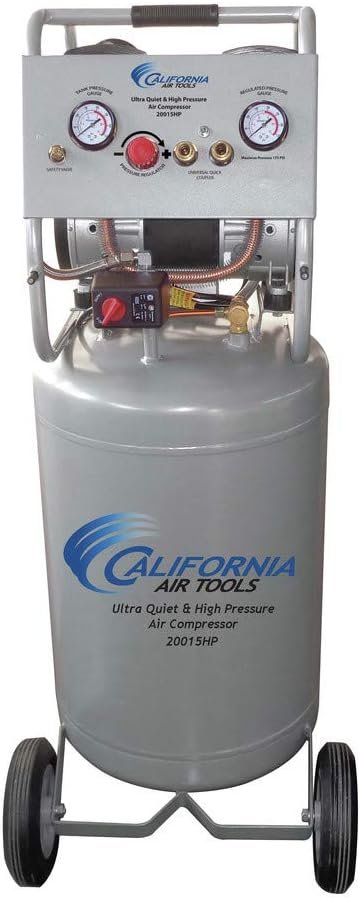
A 20-gallon steel tank strikes a nice middle ground. It’s large enough to buffer the airflow so that the compressor doesn’t need to run constantly during short tool bursts, but it’s not so huge that it becomes impossible to move or store.
With a high max pressure of 175 PSI, the tank holds more usable air compared to a 125–135 PSI unit of the same capacity. The extra pressure effectively increases the stored energy, which helps extend runtime between cycles under light-to-moderate loads.
We also appreciate the steel construction from a durability standpoint. Yes, it adds weight, but for stationary or semi-mobile use in a shop or garage, that trade-off is generally worth it. The design is meant to be tough enough to handle repeated pressurization and daily use.
The Advantage of an Oil-Free Pump
Oil-free compressors like this one have become increasingly popular, and for good reason. We’re not dealing with oil changes, potential oil carryover into air lines, or the risk of spilling lubricant in the shop. That’s a big plus for many of us who prefer lower-maintenance equipment.
Here are the key benefits of the oil-free pump on this model:
- Reduced maintenance: No regular oil checks or changes.
- Cleaner air: Ideal if we occasionally use it for light spraying, inflation, or tasks where oil contamination would be a problem.
- Easy startup: Oil-free pumps often perform better in cold starts because we’re not fighting thick oil.
The trade-off with many oil-free compressors is that they can be louder and wear out more quickly. However, California Air Tools is known for designing quieter, longer-lasting oil-free systems compared to many basic consumer units. This combination of oil-free and ultra-quiet is part of their brand identity.
Automatic Drain Valve: Small Feature, Big Convenience
The automatic drain valve on the California Air Tools CAT-20015HPAD might sound like a small detail, but it has a big impact on day-to-day ease of use and long-term tank health.
Moisture naturally accumulates inside any air compressor tank as we compress air. If we ignore it, water can lead to internal rust and reduce tank life. With a manual drain, we have to remember to open the valve regularly—something many of us forget after a long workday.
With the automatic drain valve:
- The unit periodically clears out moisture on its own.
- We drastically cut down on the chance of neglecting maintenance.
- The tank’s internal condition is better preserved over time.
We still want to occasionally inspect and ensure the drain is working properly, but overall this feature saves us one more maintenance chore and adds to the product’s appeal for busy users.
Electrical Requirements and Low Amp Draw
The compressor has a low amp draw of 12 Amps, which is a significant advantage for most of us working in a standard home or small commercial setting. Many garages and shops still rely on typical 15-amp circuits for their outlets.
With a 12-amp draw:
- Startup is less likely to trip breakers.
- We can run the unit on common household circuits without special wiring.
- We have a bit more overhead to run a few smaller tools or lights on the same circuit (though we should still be mindful).
This approachable electrical demand makes the compressor much more flexible. We can roll it into different parts of the house or job site without worrying about specialized power infrastructure.
Build Quality and Durability
Looking at the construction and design of this unit, we can tell it’s meant for more than just occasional weekend projects. The steel tank, reinforced components, and overall profile give a sense of sturdiness.
While we can’t physically touch it here, user and brand history suggest:
- Welded steel tank designed for repeated pressurization cycles
- Stable frame and base that helps reduce vibration
- Quality fittings that are less prone to leaks when properly assembled
We should still treat it with basic care—avoid dropping it, use it on relatively level surfaces, and follow the recommended duty cycle—but this is not a flimsy “throwaway” compressor. The brand is known for reliable, long-lasting tools when used within their rated limits.
Portability and Footprint
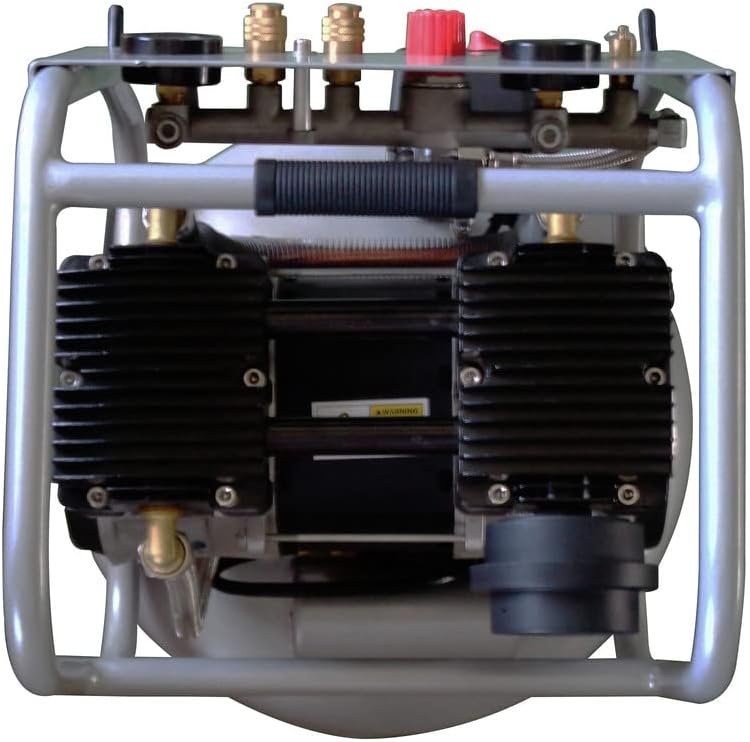
We always have to balance tank size and power against portability. A 20-gallon compressor will never be as easy to carry around as a tiny pancake unit, but it’s also much more capable.
This model typically comes in a vertical or semi-vertical form factor that aims to:
- Reduce floor space footprint compared to a horizontal tank
- Make rolling and positioning the unit easier
- Provide a more compact profile for corner storage
We should expect it to be wheeled rather than hand-carried, especially once the tank is full. For most shop or garage users, this is perfectly acceptable. We can move it as needed, then park it in a corner when not in use.
Usability and Everyday Workflow
The real test of a compressor is how it feels to use day after day. With this model, several features come together to simplify our workflow:
- Quick start-up: Oil-free design and low amp draw get us going fast.
- Moderate noise: 70 dB means we’re not immediately reaching for hearing protection for quick jobs.
- Automatic drain: Less maintenance effort and worry about moisture.
- High pressure: 175 PSI gives us solid buffer and tool compatibility.
If we’re working on a car project, doing trim work, or handling small painting or cleaning tasks, this compressor can stay in the background instead of dominating our senses. That’s a major upgrade from older loud units that felt like they took over the whole shop whenever they cycled on.
Suitability for Different Users
Not all users need the same kind of compressor, so it helps to think about how this model fits different scenarios. We can break it down by user type to see where it shines most.
For Homeowners and Serious DIYers
For homeowners and DIY enthusiasts who frequently work with air tools, this compressor may hit a great sweet spot. It’s powerful enough for regular projects, quieter than many alternatives, and doesn’t demand constant hands-on maintenance.
We can use it for:
- Framing and finishing work on home projects
- Seasonal tire changes and automotive tinkering
- Garage cleanup with blow guns and attachments
- Light paint and finish work with compatible spray tools
If we’re upgrading from a small portable unit that runs out of air constantly, this 20-gallon 175 PSI setup feels like a major improvement in convenience and capability.
For Small Shops and Light Professional Use
In a small woodworking shop, detailing garage, or light mechanical workspace, this compressor can serve as a primary or backup unit. The quiet operation is especially valuable where multiple people are working in close quarters.
We might rely on it for:
- Running nailers and staplers during cabinetry or trim installation
- Supporting light pneumatic tools for repairs and maintenance
- Occasional paint touch-ups or small spray tasks
If we’re running multiple high-demand tools simultaneously all day, we might eventually outgrow this compressor. But for light-to-moderate daily professional tasks, it offers a compelling mix of reliability and comfort.
For Hobbyists and Makers
For those of us who work on hobbies like woodworking, metalwork, or crafting, compressed air often becomes indispensable. This unit provides a solid backbone for:
- Cleaning sawdust and chips off machines
- Powering small pneumatic sanders or die grinders intermittently
- Supporting airbrushes or small spray guns for finishes
The quieter operation is especially useful in shared spaces or late-night sessions when we don’t want to disturb family members or neighbors.
Maintenance and Longevity
Even with an oil-free design, we still want to treat this compressor well to maximize its lifespan. Fortunately, the ongoing maintenance tasks are relatively simple.
Routine Maintenance Tasks
We can keep a regular routine like this:
- Check filters periodically: Ensure the intake filter stays clean and free of large dust buildup.
- Inspect hoses and fittings: Look for leaks or loose connections that could stress the compressor.
- Monitor the automatic drain: Occasionally confirm that moisture is indeed being released properly.
- Observe duty cycle: Avoid running the compressor continuously past its designed on/off cycle; let it rest appropriately.
By keeping up with these simple checks, we help protect the pump, motor, and tank from unnecessary wear or damage.
Addressing Moisture and Air Quality
Even with an automatic drain, moisture in the air lines can still be a concern, especially for painting or sensitive tools. We might want to add:
- A basic inline moisture separator
- A regulator and filter system if we’re doing any finish work
Combined with the cleaner, oil-free output, these additions can give us a very respectable air quality setup for most hobby and light professional needs.
Pros and Cons Overview
Every product has strengths and weaknesses, and this compressor is no exception. It’s helpful to summarize them so we can decide if it fits our particular needs.
Major Advantages
- Ultra-quiet operation (70 dB): Much more pleasant to be around compared to many traditional compressors.
- High pressure (175 PSI): More stored air in the tank and better compatibility with a range of air tools.
- 20-gallon tank: Good balance between capacity and manageable size.
- Oil-free pump: Less maintenance and cleaner air output.
- Automatic drain valve: Reduces the risk of internal rust and saves us a regular manual task.
- Low amp draw (12 Amps): Easy to run on standard circuits without frequent breaker trips.
All of these points make the CAT-20015HPAD particularly attractive if we’re looking for a long-term, general-purpose compressor for a garage or small shop.
Potential Drawbacks
- Limited CFM for heavy industrial use: Around 4 CFM at 90 PSI is not enough for constant operation of high-demand tools like large sanders or big spray guns.
- Weight and size: As a 20-gallon steel unit, it’s heavier than small portables; it’s meant to be rolled, not carried.
- Cost vs. basic units: Ultra-quiet and oil-free designs often carry a higher price tag than louder, simpler compressors with similar CFM.
These are not flaws so much as natural trade-offs. If we understand them, we can decide whether the strengths of this model line up with our typical projects.
Comparing to Typical Alternatives
We often compare a compressor like this to two broad categories: small portable units and larger stationary shop compressors. Each comparison highlights a different set of trade-offs.
Compared to small 6-gallon “pancake” or 8-gallon units:
- We gain much more storage capacity (20 gallons) and higher pressure (175 PSI vs ~125–135 PSI).
- Noise levels may be similar or even better with this ultra-quiet design.
- The footprint is bigger, but usability and performance are significantly improved.
Compared to large 60-gallon stationary shop units:
- We give up substantial CFM and storage capacity.
- We gain portability, lower electrical demands, and reduced noise.
- We avoid the need for dedicated electrical circuits or permanent installation.
In essence, the CAT-20015HPAD sits in a “prosumer” sweet spot: more serious than entry-level home compressors, but more user-friendly and accessible than heavy industrial shop systems.
Workflow Scenarios Where This Compressor Shines
Sometimes it helps to imagine what our actual workday looks like with this compressor. We can picture a few realistic scenarios to see how it fits our style.
Automotive and Garage Work
For car maintenance and light repair tasks, this unit feels like a very good match. We can:
- Inflate tires quickly and reliably
- Use impact wrenches for wheel changes in short bursts
- Run blow guns to clean parts or dry surfaces
- Power small air ratchets or other intermittent-use tools
We’re not running a full tire shop with multiple workers, but for one or two vehicles and a hobbyist or part-time tech, it offers a comfortable level of performance and noise.
Woodworking and Carpentry
In a woodworking shop or on interior finishing projects, we can rely on this compressor to:
- Feed multiple nail guns in an intermittent fashion
- Keep dust off surfaces and machines with blow guns
- Occasionally assist in small spraying applications for finishes
The reduced noise helps keep the overall shop environment calmer. We can listen to podcasts, music, or conversations without a deafening compressor cutting in all the time.
General Household and Renovation Tasks
For ongoing renovations or frequent improvement projects around the house, having a compressor like this on hand changes what we’re willing to tackle. We can:
- Frame walls, install trim, and attach molding efficiently
- Clean up work areas with compressed air
- Handle pressure-demanding tasks like certain texture sprayers within the unit’s CFM limits
The fact that it can plug into a standard circuit and run quietly enough for an attached garage makes it much easier to integrate into household workflows.
Safety Considerations
Any time we work with compressed air, we should keep safety in mind. This compressor includes basic safety features, but we still have our part to play.
We want to:
- Use rated hoses and fittings to handle 175 PSI safely.
- Avoid pointing air blow guns at skin or eyes.
- Drain moisture properly (the automatic drain helps, but we still verify).
- Check the tank condition over the years for signs of external damage or corrosion.
Following basic safety practices ensures that we can reap the benefits of this compressor for a long time with minimal risk.
Long-Term Value and Cost of Ownership
When we think beyond the purchase price, this compressor’s long-term value depends on:
- Maintenance savings: Oil-free pump and automatic drain lower both work and potential repair costs.
- Durability: Quality components and design typically translate into more years of service.
- Daily comfort: Quiet operation and reduced hassle make it easier for us to use the compressor regularly.
If we’re upgrading from a cheap, loud, low-capacity unit, the difference in comfort and capability can feel dramatic. That makes the investment easier to justify, especially if we frequently rely on compressed air.
Who Should Seriously Consider This Compressor?
Based on all the factors we’ve covered, the California Air Tools CAT-20015HPAD is an excellent candidate if we fall into one of these groups:
- We are serious DIYers who work on cars, woodworking, or home renovations regularly.
- We run a small shop or studio where noise and clean air matter as much as power.
- We share our space with family, neighbors, or coworkers and want to minimize disruption.
- We prefer lower-maintenance equipment and are willing to pay a bit more for convenience and durability.
If our needs revolve around constant, heavy-use industrial tools, we may want a higher CFM, larger stationary compressor. But for most garage, shop, and small-business settings, this model strikes a very practical balance.
Final Thoughts: Is It Worth It for Our Workspace?
When we put everything together—ultra-quiet 70 dB operation, 175 PSI max pressure, 20-gallon steel tank, oil-free design, automatic drain valve, and 12-amp low draw—we end up with a thoughtfully engineered compressor that focuses on real user comfort and reliability.
We’re not buying the biggest or most powerful unit on the market; instead, we’re choosing a compressor that respects our ears, our time, and our typical electrical setup. For many of us who work in garages, small shops, or home studios, that combination matters more than raw industrial output.
If our projects demand a capable, quieter, low-maintenance air compressor that can handle a broad range of tools without turning the workspace into a noisy, high-maintenance zone, the California Air Tools CAT-20015HPAD Ultra Quiet & Oil-Free 1.5 hp, 20 gallon 175 PSI Two Stage Air Compressor with Automatic Drain Valve is a very strong contender for our next upgrade.

Disclosure: As an Amazon Associate, I earn from qualifying purchases.