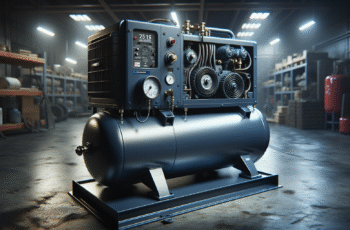
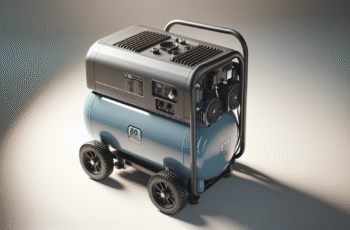
Are we tired of waiting forever for our air tank to fill?
When we are serious about air suspension, onboard air, or air horns, slow and weak compressors can really test our patience. The VIAIR 380C Dual Air Compressor for Air Suspension (2 Pack) 12V Continuous Duty Cycle Compressor for Air Tanks, Bags, Air Horns 200 PSI (Pewter) promises fast fill times, high pressure, and real-world durability. In this review, we share how this kit performs, where it shines, and what we should know before installing it in our setup.

What Is the VIAIR 380C Dual Air Compressor Kit?
The VIAIR 380C Dual Pack is a matched pair of 12V air compressors designed for high-pressure air suspension and onboard air systems. Instead of a single compressor struggling to keep up, we get two units working together for faster fills and better efficiency.
These compressors aim at enthusiasts who want 200 PSI capability, continuous performance at 100 PSI, and solid reliability under demanding use. They are not generic budget units; they sit firmly in the “serious hardware” category for those of us who depend on our air system every day.
Key Features at a Glance
To get a quick snapshot of what we are dealing with, here is a simple breakdown of the main specs and features of the VIAIR 380C Dual Pack:
| Feature | Specification / Description |
|---|---|
| Compressors in Pack | 2 (dual pack) |
| Model | VIAIR 380C Pewter |
| Voltage | 12V DC |
| Max Working Pressure | 200 PSI |
| Duty Cycle | 100% at 100 PSI (continuous), 55% at 200 PSI |
| Fill Time (2.5 gallon tank) | 0 to 200 PSI in about 3 minutes 13 seconds |
| Thermal Overload Protection | Built-in automatic protection against overheating |
| Recommended Applications | Air suspension, air tanks, air bags, air horns, onboard air tools (light/medium use) |
| Finish | Pewter (durable, clean metallic look) |
This kit is engineered to give us a strong mix of speed, power, and durability that supports demanding air suspension systems and more.
Build Quality and Design
Materials and Construction
These compressors feel solid and purpose-built. VIAIR is known for using robust components, and the 380C series continues that pattern. Each unit features a tough metal body with a pewter finish that resists corrosion and looks clean in an engine bay, trunk, or frame-mounted install.
The overall design emphasizes durability: stout mounting feet, rugged housing, and quality threads on the ports. We can tell they are meant for real automotive environments, not just showroom photo ops.
Pewter Finish and Aesthetic
The pewter color is more than just cosmetic. It helps the compressors blend neatly with most under-hood or chassis setups, avoiding that cheap, flashy look we get with some off-brand options. The finish also helps protect against wear from road grime, moisture, and heat.
When we wire and mount everything neatly, the finished system looks professional and well integrated, which is always satisfying for us as enthusiasts.
Performance: Power, Pressure, and Speed
200 PSI Capability
Having a 200 PSI max working pressure opens the door to a wide range of setups. For air suspension, we get more usable pressure for quick lifts and reliable operation even with higher spring rates or heavier vehicles. For air horns and small air tools, 200 PSI gives us that extra punch many lower-rated compressors cannot provide.
We should keep in mind that running at the upper limits pushes any compressor harder, but the 380C is specifically designed to live in this 200 PSI world, not just touch it occasionally.
Duty Cycle Details
The duty cycle tells us how long we can run the compressors without needing a cooldown. For the VIAIR 380C dual pack, we are looking at:
- 100% duty cycle at 100 PSI – continuous operation at 100 PSI
- 55% duty cycle at 200 PSI – recommended to run about 55% of the time at 200 PSI with rest periods
In real-world terms, this means we can run both compressors continuously at mid-range pressures without worrying about babying them. At maximum pressure, we still have impressive runtime before we should let them rest.
This is a big difference from cheaper compressors that might claim high PSI but quickly overheat or fail. With these, we gain actual working endurance.
Fill Time: 2.5 Gallon Tank in ~3 Minutes
VIAIR rates this dual setup as capable of filling a 2.5-gallon tank from 0 to 200 PSI in about 3 minutes and 13 seconds. That is seriously fast for a compact 12V system.
In practical use, we rarely dump a tank from 200 all the way down to 0. Most of us will hover within a working range, so top-offs are significantly faster than full fills. This means:
- Air suspension adjusts quickly between ride heights
- Air horns recharge fast after use
- We are not stuck waiting around for the tank to be usable
If we run a larger tank (5 gallons or more), the fill time scales accordingly, but having two compressors instead of one still keeps things efficient.
How This Dual Pack Helps Air Suspension Users
Consistent Pressure for Air Bags
For air suspension systems, consistent pressure is everything. We want to hit our preset ride heights without hesitation or sag. By using two compressors, we get:
- Better recovery when raising the vehicle
- Steadier supply to maintain system pressure
- Less strain on each compressor, improving longevity
Our bags benefit from quick and consistent adjustments, which directly impacts comfort, handling, and stance.
Faster Response for Daily Driving and Shows
If we daily our vehicle or frequently change ride height (for shows, speed bumps, different loads, etc.), the difference between a single sluggish compressor and this dual VIAIR setup is night and day.
We can air up from a low show height to drive height much faster, and we do not feel like we are waiting around or listening to compressors drone forever. The system recovers quickly, which makes our air suspension feel more like a refined factory system and less like a “project.”
Suitability for Air Horns and Onboard Air
Strong Air Supply for Horns
Air horns are some of the most pressure-hungry accessories we can run. They demand fast bursts of high-pressure air, and then we want the tank to refill quickly. With a dual 380C pack at 200 PSI, we have more than enough punch for most air horn kits.
Instead of struggling to get back to usable pressure after a blast, our tank recovers quickly thanks to the dual motors pushing air in tandem. That means consistent horn volume and performance, not a sad, fading honk.
Light to Medium Air Tool Use
While this is not a full shop-grade compressor, we can comfortably use basic air tools in a pinch:
- Inflating tires
- Running small impact wrenches briefly
- Operating blow guns and similar accessories
For heavier, continuous tool use (like grinding or long sanding sessions), we would still want a traditional shop compressor. But for roadside work, trail support, or light-duty jobs, this VIAIR system has us covered.
Thermal Protection and Reliability
Built-In Thermal Overload Protector
Inside each 380C is a thermal overload protector that monitors the compressor’s temperature. If things get too hot, the protector automatically shuts the unit off to prevent permanent damage.
This matters a lot in harsh environments:
- Under-hood installations where temperatures soar
- Long midsummer runs where we are airing up frequently
- High-demand usage at or near maximum pressure
The protector is like a safety net for our investment. Instead of burning coils or cooking internal components, the compressor intelligently protects itself and, by extension, our wallet.
Real-World Durability Expectations
With proper wiring, a good mounting location, and an appropriate air filter or intake setup, these compressors can last for years. VIAIR has a solid reputation in the air suspension community, and many users rely on their units in daily-driven and show vehicles alike.
We should still respect the duty cycle, keep our wiring clean, and make sure airflow to the compressors is not heavily restricted. If we treat the system well, it reliably returns the favor.
Installation Considerations
Mechanical Mounting
We have several mounting options: frame rails, trunk mounts, or under-seat compartments depending on our vehicle. Each compressor uses standard mounting feet that can be bolted to metal surfaces.
When installing, it is smart to:
- Use rubber isolators or grommets to reduce vibration noise
- Mount in a position where water and road salt are minimized
- Ensure we have space around the compressors for airflow and maintenance
A clean, thoughtful mounting job pays us back with quieter operation and easier servicing down the road.
Electrical Wiring
Because we are dealing with two compressors, electrical demand is higher than a single unit. We should plan for:
- Proper gauge wiring based on VIAIR’s recommendations
- A quality relay (or relay setup) capable of handling the combined current draw
- Adequate fuses or circuit breakers to prevent electrical issues
- A solid ground connection on clean, bare metal
Many dual compressor setups tie into a pressure switch on the tank so that the system automatically shuts off at a set PSI and restarts when the pressure drops below a lower threshold. That automation gives us a “set-and-forget” experience.
Air Lines and Tank Placement
We want to keep our plumbing as efficient as possible:
- Use appropriately sized air lines for the flow we need
- Minimize unnecessary bends or long routes that restrict airflow
- Position the tank to serve both our suspension and any supplemental accessories like horns or tools
The faster air can move between compressors and tank, the less work each compressor has to do for the same results.
Noise Levels and Everyday Usability
Sound Characteristics
All piston-style compressors make noise, and the VIAIR 380C is no exception. With two units running, we should expect a noticeable sound while the system is filling. However, VIAIR compressors tend to be more refined than many cheaper alternatives.
We might hear a steady chugging or humming sound rather than a nasty rattling or buzzing. When mounted properly with damping, the noise level becomes acceptable for daily use.
Placement to Manage Noise
If we want to keep cabin noise down, trunk or rear compartment installs usually work best. Under-hood installations are convenient but may transmit more sound through the body if not isolated.
Some of us also choose to trigger compressors only when the key is on or engine is running, which helps mask the sound and preserves battery life.
Pros and Cons of the VIAIR 380C Dual Pack
Advantages We Get
Let us clearly lay out what stands out on the positive side:
- High Max Pressure (200 PSI): Suitable for demanding air suspension and air horn setups.
- Strong Duty Cycle: 100% at 100 PSI and 55% at 200 PSI is excellent for 12V automotive compressors.
- Fast Fill Times: About 3 minutes to take a 2.5-gallon tank from 0 to 200 PSI.
- Dual Compressors: Better redundancy, faster fills, and less stress on each unit.
- Thermal Overload Protection: Automatic safeguard against overheating.
- Solid Build Quality: VIAIR’s reputation and construction methods inspire confidence.
- Versatility: Works for air suspension, horns, bags, light air tool use, and more.
Limitations to Keep in Mind
No product is perfect, and there are some trade-offs worth noting:
- Higher Cost Than Budget Options: Performance and reliability come at a premium compared to generic compressors.
- Increased Electrical Demand: We need to make sure our wiring, relays, and fuses match the current draw of two compressors.
- Noise Still Present: While not extreme, we should expect audible operation, especially with both units running.
- Not a Heavy Shop Compressor: Good for onboard and automotive use, not a replacement for a dedicated garage compressor for large, continuous tools.
Who Benefits the Most from This Kit?
Air Suspension Enthusiasts and Stance Builders
If we are building a vehicle with air bags, custom ride heights, or a show-worthy stance, this dual 380C setup hits a sweet spot. We get speed, reliability, and enough power to keep our tank and bags ready for action.
Those of us running heavier vehicles—trucks, SUVs, or fully loaded builds—especially benefit from the extra flow rate the dual configuration provides.
Air Horn and Utility Users
For those of us who rely on loud air horns, auxiliary air for tire inflation, and occasional roadside tools, this VIAIR dual pack delivers robust performance. We get:
- Enough pressure for serious horn volume
- The convenience of onboard air for tire changes or off-road adjustments
- Confidence that the system will keep up without constant overheating
If we frequently travel or off-road, this setup becomes more of a necessity than a luxury.
Comparison with Single Compressor Setups
Why Go Dual Instead of Single?
A single compressor might seem cheaper and simpler, but dual systems offer real, tangible benefits:
- Faster fills: Two compressors move more air, so tanks reach pressure far more quickly.
- Redundancy: If one unit fails, the other can sometimes carry us through temporarily.
- Reduced Strain: Each compressor works less hard when sharing the load, which can extend service life.
For serious air suspension or horn users, a dual setup often ends up feeling more like an essential part of the system rather than an optional extra.
When a Single Might Be Enough
If we only occasionally inflate tires or use a modest horn on a weekend vehicle, one compressor and a smaller tank could suffice. However, for daily-driven air suspension or frequent horn use, a single smaller compressor seems slow and underpowered once we experience the 380C dual pack.
Maintenance and Longevity
Routine Checks
To keep our VIAIR 380C duo at its best, we should perform some periodic checks:
- Inspect all wiring connections for corrosion or looseness.
- Check mounting hardware to ensure nothing has loosened due to vibration.
- Verify air lines and fittings for leaks using soapy water.
- Clean or replace intake filters if our setup includes them.
These simple tasks help prevent issues before they become expensive problems.
Respecting the Duty Cycle
Even though we have a 100% duty cycle at 100 PSI, it makes sense to avoid unnecessary continuous operation at maximum load if we can. At 200 PSI, sticking close to the recommended 55% duty cycle helps ensure our compressors stay healthy for years.
In everyday use, this usually translates to letting the compressors complete their work, then giving them a brief rest during long sessions if we ever find ourselves constantly cycling the system.
Real-World Scenarios Where This System Shines
Daily-Driven Air Ride Sedans and Trucks
Picture our bagged sedan or truck that we drive to work, to meets, and to shows. With this VIAIR dual pack:
- We air up from parking height to drive height quickly every morning.
- Adjustments for passengers, cargo, or trailer loads happen without long waits.
- The system auto-maintains pressure so we are not constantly monitoring it.
We gain a smooth, confident daily experience instead of dealing with sluggish or unreliable compressors.
Off-Road and Overland Rigs
For off-roaders and overlanders, onboard air is extremely practical. The 380C dual pack lets us:
- Air tires down on the trail for traction, then air them back up for highway driving.
- Support air lockers, helper bags, or other suspension aids.
- Use air tools for quick repairs or adjustments at camp.
Here, speed and reliability matter even more because we may be far from shops or support.
Work and Utility Vehicles
If we operate work trucks with:
- Onboard air horns for safety or awareness
- Helper bags for varying loads
- Occasional tire or equipment inflation needs
then having a robust system like this gives us professional capability directly on the vehicle. We reduce downtime and stay more self-sufficient on the job.
Energy and Battery Considerations
Current Draw
Any dual compressor system naturally draws more current than a single unit. While VIAIR publishes detailed electrical specs for the 380C in its documentation, we should assume:
- The compressors must be fed with proper gauge power and ground cables.
- Our vehicle’s charging system needs to be in good condition, especially if we use the compressors often.
- In some builds (heavily accessorized vehicles), upgrading the alternator or adding an auxiliary battery may be wise.
We want to avoid long runtimes with the engine off, which could drain the battery quickly. Running the compressors while the engine is on helps maintain voltage and system health.
Value for Money
Cost Versus Benefits
We are not buying the cheapest possible air compressors when we choose the VIAIR 380C Dual Pack. Instead, we are paying for:
- Trusted brand quality
- High-pressure capability
- Excellent duty cycle
- Strong performance and fill speeds
- Built-in thermal protection
When we weigh those benefits against the cost of repairing or replacing cheap compressors—and the frustration of poor performance—the value proposition becomes much clearer.
Long-Term Investment
For enthusiasts who plan to keep their vehicle’s air system for many years, investing in a quality dual setup like this often ends up cheaper in the long run. We avoid frequent failures, re-installs, and the need to “upgrade later” after a disappointing bargain purchase.

Tips to Get the Most Out of the VIAIR 380C Dual Pack
Plan the System as a Whole
Instead of just dropping the compressors into any random setup, we can think about the entire system:
- Tank size that matches our needs (2.5 gallons works well; larger for more frequent use).
- Proper pressure switch range to control compressor run time.
- Adequate air line sizing, valves, and fittings to avoid bottlenecks.
By tuning everything to work together, we maximize performance and reduce unnecessary wear.
Keep Things Cool and Protected
Heat is the enemy of any compressor. We can:
- Avoid mounting too close to exhaust components.
- Ensure airflow reaches the compressors, especially in closed compartments.
- Use shielding or strategic placement to keep road debris and water away.
These steps help the thermal protection work as a safety margin instead of something we rely on constantly.
Our Overall Experience and Verdict
After looking closely at the VIAIR 380C Dual Air Compressor for Air Suspension (2 Pack) 12V Continuous Duty Cycle Compressor for Air Tanks, Bags, Air Horns 200 PSI (Pewter), we come away impressed with how well it balances performance, durability, and real-world practicality.
We get:
- Genuine 200 PSI capability
- Fast filling of a 2.5-gallon tank in around 3 minutes
- A robust duty cycle that supports continuous use at 100 PSI
- Protection against overheating for longer life
- Flexibility to handle air suspension, horns, and light tool use
It is not a budget-oriented kit, and it does demand proper electrical and mechanical installation. However, for those of us serious about air systems—whether for stance, off-road utility, work, or everyday convenience—this dual pack feels like the right kind of overkill.
We would recommend this VIAIR 380C dual compressor setup to anyone who wants a dependable, powerful, and thoughtfully engineered solution for 12V air suspension and onboard air. It earns its place in our build by turning air from a weak point into a real strength.

Disclosure: As an Amazon Associate, I earn from qualifying purchases.