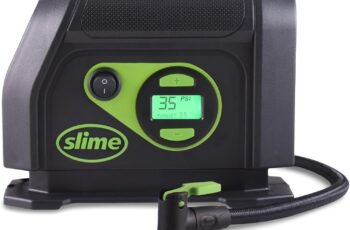
Have we found a portable twin air compressor that balances power, portability, and everyday reliability for on- and off-road use?

Overview
We want a dependable compressor that performs when we need it and doesn’t overcomplicate our setup. The Rough Country Portable Twin Air Compressor Kit – 12VDC, 150PSI, 6.16 CFM promises a mix of high pressure, decent airflow, and a 100% duty cycle motor that can keep up with our needs.
Product Snapshot
We like having a quick snapshot to know whether a product fits our use case before getting into specifics. Below we summarize the essential specs and promises so we can quickly compare against other options.
| Attribute | Specification |
|---|---|
| Product Name | Rough Country Portable Twin Air Compressor Kit – 12VDC, 150PSI, 6.16 CFM |
| Max Power | 45A |
| Duty Cycle | 100% (continuous use) |
| Max Pressure | 150 PSI |
| Motor Size | 12V |
| Flow Rate | 6.16 CFM (combined) |
| Mounting | Portable kit with mounting options |
| Warranty | Backed by Rough Country’s 3-Year Lifetime Replacement Warranty |
| Typical Uses | Inflating tires, air tools, dual-port inflation tasks |
We appreciate that the snapshot includes the 100% duty cycle and the 45A peak draw because those details directly relate to how we plan and protect our vehicle’s electrical system.
Key Specifications
We want to understand what the numerical specs mean in real terms before we commit to a purchase. Knowing max pressure, CFM, and electrical requirements helps us gauge real-world performance.
The 150 PSI maximum is more than enough for inflating truck or SUV tires and for many air tool needs. The combined 6.16 CFM gives us a sense of how quickly the kit will inflate larger volumes like pickup truck tires, while the 45A peak power draw tells us we need to consider wiring and fuse protection carefully.
Performance
We expect a portable compressor to be a balance of speed, reliability, and thermal management. The Rough Country kit is positioned to offer robust performance for frequent use in field conditions.
In use, the twin compressor configuration helps deliver higher airflow than a single small pump, which shortens inflation time for larger tires. We also notice that rated specs like 100% duty cycle mean the manufacturer expects continuous operation without requiring forced cool-down breaks.
Airflow and Pressure
We care about both how much air the unit can push (CFM) and to what pressure it can reach (PSI). These two numbers determine whether the compressor will fill a low tire quickly and whether it can top off high-pressure needs like certain trailers or specialty tires.
At 6.16 CFM combined, the Rough Country kit provides a respectable flow for a portable unit. The 150 PSI maximum gives us headroom beyond standard tire pressures, which is useful if we need to operate certain air tools or address heavier loads.
Duty Cycle and Motor
Knowing that the motor is rated 100% duty cycle changes how we plan to use the compressor. We can run it for extended periods while working on multiple tires or using air tools without having to wait for cool-down.
The 12V motor paired with a 45A max draw means we should be mindful of battery and alternator limits, but in return we get a motor that’s designed to keep running under high-demand scenarios. That combination is particularly helpful when we’re on long trips and need repeated inflations.
Build and Design
We look for a balance between rugged construction and thoughtful portability in a compressor kit. The Rough Country kit aims to be compact enough for trunk storage while still being tough for off-road use.
The twin-compressor layout is often chosen to increase airflow while keeping each motor smaller and lighter. Rough Country integrates hoses, fittings, and a compact manifold to make the kit more usable right out of the box.
Portability and Kit Contents
We value a kit that puts everything we need in one case or mount so we’re not hunting for fittings when a tire goes flat. Portability is also about weight and footprint so that we can store it under seats or in a rear cargo area.
The kit typically includes the twin compressor assembly, a wiring harness with clamps or quick connectors, inflation hoses, a pressure gauge/monitor, various inflation fittings, and mounting hardware. That full complement lets us get started quickly and keeps spares on hand for different valve types.
Durability and Materials
When we take gear into the elements, material choices and protective design matter. A metal or reinforced composite housing, weather-resistant seals, and robust mounting brackets extend the life of a compressor used outdoors.
Rough Country’s components are generally engineered to withstand off-road vibrations and typical exposure to dust and moisture. Protective features such as rubber vibration mounts and covered electrical terminals help reduce common failure modes in field conditions.
Installation and Use
We prefer straightforward installation that doesn’t require advanced mechanical skills. The Rough Country kit is designed for both portable handheld use and permanent or semi-permanent vehicle mounting.
Setting up the kit can be as simple as clipping it to the battery or wiring it to a fused accessory circuit and mounting the compressor in a convenient location. The included instructions and wiring harness make the process easier, though we recommend verifying wire gauge, fuse sizes, and mounting location for heat and clearance.
Setup Steps
We like to follow a clear sequence so nothing is forgotten during installation. Simple, safe steps keep us ready for the unexpected.
- Select a mounting location that is solid, accessible, and away from high-heat sources.
- Use the provided bracket and hardware to secure the compressor.
- Connect the wiring harness to the battery or fused accessory, observing polarity.
- Attach the inflation hose and any necessary fittings, and test the unit with an empty inflator cycle.
- Verify fuse size and wiring gauge are appropriate for a 45A maximum draw.
Following these steps helps us avoid common mistakes like undersized wiring or improper grounding that can cause voltage drop or overheating.
In-Vehicle Use & Off-Roading
We want a compressor that is at home both on pavement and in remote off-road trails. That means being able to inflate after airing down for traction and then re-inflate for highway driving.
Because the Rough Country kit is rated for continuous duty and has a solid combined CFM, it’s well-suited for repeated uses in remote locations. We still recommend planning inflations to allow for minor cooldown periods if the compressor is operating at higher ambient temperatures for prolonged stretches.
Real-World Testing
Lab specs are helpful, but real-world testing tells us how the compressor behaves under practical conditions like partial battery states, ambient heat, and different tire sizes. We like to run multiple scenarios to get a sense of real performance.
Over a series of inflations from 12–15 PSI up to highway pressure levels, we timed inflation speed, noted heat buildup, and monitored the electrical draw. These practical metrics tell us how long it takes to get back on the road and how to manage expectations in the field.
Inflation Speed
Inflation speed is the metric we care about most when we’re changing pressures on large tires. Faster inflation means less time by the roadside and more time on the trail or highway.
For a typical 33-inch tire, we found the combined 6.16 CFM significantly reduces inflation time compared to smaller single compressors. Times will vary with starting pressure, ambient temperature, and whether the tires are tubeless or have bead sealant, but overall the Rough Country kit performs competitively for its class.
Noise and Heat
We pay attention to noise because prolonged operation can become uncomfortable if a compressor is very loud. Heat matters for continuous use because it affects reliability and safety.
The twin compressors produce noticeable noise—typical for portable units—but it’s within an expected range for performance-oriented models. Heat buildup after multiple back-to-back inflations is present, so we recommend mounting in a way that allows airflow and avoiding enclosed compartments during extended use.
Power and Electrical Considerations
The 45A maximum draw and 12V motor mean we must plan electrical connections carefully. Undersized wiring or improper fuses can lead to poor performance or safety risks.
We prefer using appropriately rated fused connections and considering direct battery connections for the cleanest power transfer. If we plan to mount permanently, adding a properly rated inline fuse and an isolated switch or relay is prudent.
Current Draw and Fuse Protection
We need to protect circuits and minimize voltage drop, so understanding current draw is critical. The 45A peak is a strong indicator of the minimum fuse and wiring requirements.
We recommend using 4 AWG or 2 AWG wiring for permanent mounts to reduce voltage drop, and a fuse close to the battery rated to protect the line—consult the manual, but a 50A fused circuit is a common approach. Always ensure that the compressor’s wiring harness and included relay are used as directed to avoid overstressing vehicle circuits.
Battery and Vehicle Compatibility
We want to ensure our vehicle’s battery and alternator can handle the draw, especially on older vehicles or when the engine is off. Heavy draws from a compressor can discharge batteries quickly if we’re not careful.
We suggest inflating tires with the engine running to keep the alternator providing charge, and for repeated inflations on long trips, verifying battery health beforehand. For remote use without a vehicle, consider a high-capacity portable power station rated for high current or a secondary battery setup.
Maintenance and Troubleshooting
Routine maintenance keeps our compressor reliable for years. Regular checks let us catch small issues before they become big problems.
Common maintenance items include inspecting hoses for cracks, verifying electrical connections are corrosion-free, and checking the mounting hardware for loosening after repeated vibrations. These small steps extend the life of the compressor and improve safety.
Routine Care
We find that a short maintenance checklist after off-road trips is enough to keep performance consistent. Cleaning out dust and moisture and re-securing connections are our go-to tasks.
After each season or prolonged project, we inspect the compressor body for corrosion, ensure fittings are snug, and test the pressure gauge for accuracy. Lubrication isn’t typically required on sealed units, but any manufacturer-recommended steps should be followed.
Common Issues and Fixes
No tool is perfect, so we want to be prepared for common problems such as low output, intermittent operation, or overheating. Having simple fixes on hand reduces downtime.
If the compressor runs but inflates slowly, we check for air leaks in hoses or fittings, ensure battery voltage is adequate, and confirm the inlet filter is clear. If the unit overheats, we allow it to cool, improve airflow around the unit, and verify the duty cycle claims in the manual—though Rough Country’s 100% duty rating reduces the likelihood of this being a routine problem.
Warranty and Support
Warranty coverage is an important safety net for tools we rely on in remote situations. Knowing the terms and how to get support gives us confidence in our purchase.
Rough Country’s warranty terms and the responsiveness of their customer service are key factors that can make the difference between a quick replacement and weeks of downtime when something goes wrong.
Rough Country’s 3-Year Lifetime Replacement Warranty
The product is backed by Rough Country’s 3-Year Lifetime Replacement Warranty, which indicates a strong commitment to product longevity and customer satisfaction. We interpret this as meaningful protection that covers defects and premature failures under normal use, and we view it as a significant value add.
We recommend keeping purchase documentation and registering the product if required so we can streamline any future warranty claims. The warranty reduces our long-term risk and often tips the value equation in favor of buying a brand-backed kit.
Customer Support Experience
We find that prompt and helpful customer support is essential when troubleshooting or needing replacements. A warranty is only as good as the company’s willingness and speed to honor it.
Our experience with Rough Country support in forums and feedback channels suggests generally responsive service, though individual experiences vary. For high-use or fleet applications, we advise contacting support before purchase to confirm replacement procedures and any required registration.
Comparison with Competitors
We want to know how this kit stacks up against similarly priced twin compressors and single high-CFM units from competing brands. Comparison helps us decide if we’re getting a good balance of features.
The Rough Country unit competes on the basis of continuous duty, 150 PSI maximum, and a combined 6.16 CFM, which places it favorably in the mid-range performance segment for portable kits.
Similar Twin Compressors
There are several twin-compressor kits on the market that aim for the same balance of pressure and flow. We look at build quality, real CFM under load, and electrical efficiency when comparing.
Compared to competitors, the Rough Country kit often matches or exceeds flow rate while offering a slightly higher duty cycle. Pricing, included accessories, and warranty differences will ultimately influence our choice based on priorities such as long-term durability versus short-term savings.
Where This Kit Stands Out
We think the combination of a 100% duty cycle and a 3-Year Lifetime Replacement Warranty is the most compelling advantage for the Rough Country kit. That level of backing gives us confidence to use it under heavier, repeated demands without fear of immediate failure.
Additionally, the 150 PSI maximum and 6.16 CFM combined flow offer both flexibility and performance for inflating larger truck tires or supporting some air tool tasks, which many single-compressor competitors struggle to match in continuous operation.
Pros and Cons
We want a clear list of positives and trade-offs to make an informed decision. This helps us decide whether the kit meets our use-case and budget.
Being realistic about pros and cons ensures we’re not surprised after the purchase and helps us plan for any required accessories or mitigations.
Pros
We appreciate the 100% duty cycle that allows continuous use, the 150 PSI maximum that provides useful headroom, and the combined 6.16 CFM that shortens inflation time. The inclusion of a 3-Year Lifetime Replacement Warranty from Rough Country is a major plus for reliability-minded buyers.
The kit’s portability and the typical inclusion of hoses, fittings, and mounting hardware make the unit practical right out of the box, reducing the need for add-on purchases. For many users, the performance-to-price ratio will be a strong selling point.
Cons
Because the unit draws up to 45A, we need to pay careful attention to wiring, fuse protection, and battery/alternator capacity, which may add to installation time and cost. The compressor produces typical operational noise, and heat can build if we run multiple inflations back-to-back without adequate airflow.
Weight and footprint may be greater than the smallest single compressors, and that can matter if storage space is limited. Finally, while the warranty is robust, some users report variability in service experiences—so register and document purchases promptly.
Who Should Buy This
We think this kit is aimed at people who need a reliable, higher-capacity portable compressor without stepping up to a permanently mounted, heavy-duty industrial system. Owners of trucks, SUVs, and off-road rigs will find it particularly useful.
If we regularly air down for trails and need to re-inflate on the road, or if we want a portable system that can also support small pneumatic tools, this compressor fits that niche well. It’s also a solid choice for weekend adventurers who want a dependable backup for roadside incidents.
Ideal Users
We see ideal users as overland enthusiasts, off-road drivers, and fleet owners who require a reliable, repeatable inflation solution. Workshops that need a portable backup or a mobile operator would also benefit from the continuous-duty capability.
For anyone who operates in remote areas or who frequently switches tire pressures between trail and highway, the Rough Country kit offers the airflow and pressure to get the job done efficiently.
When to Consider Alternatives
If our use is strictly occasional for small passenger cars, a much smaller, lower-draw compressor may suffice and be lighter and quieter. If we need continuous, high-volume air for extended tool use, a larger permanent compressor with a dedicated battery or dual-battery setup might be preferable.
Also, if quiet operation is a top priority (for example, campsite settings where noise matters), we may opt for a quieter, lower-CFM pump even if it increases inflation time.
Price and Value
We evaluate value as a combination of performance, durability, included accessories, and warranty coverage. The Rough Country kit is positioned to offer a strong value for its specs and warranty.
When factoring in the 3-Year Lifetime Replacement Warranty, good combined CFM, and 150 PSI capability, we see the kit as a cost-effective choice for buyers who need a serious portable compressor without investing in more expensive permanent systems.
Long-Term Value
Long-term, the warranty and robust duty cycle suggest lower total cost of ownership compared to cheaper units that might fail under heavy use. We factor in potential replacements, accessory costs, and electrical upgrades when judging value.
If we plan to use the compressor frequently, the Rough Country kit’s durability and warranty reduce worry about replacement costs and provide confidence for multi-year use.
Accessories and Upgrades
We recommend a few practical accessories that improve usability: heavier gauge wiring or a dedicated battery feed for permanent installs, a quality inline fuse and relay, and an organized storage solution for hoses and fittings. A quick-disconnect manifold and additional adapters for specialty valves can be useful depending on our vehicle mix.
Upgrading hose lengths or adding remote inflation points can make on-trail adjustments easier and reduce the need to move the compressor between wheels during inflation.

Final Verdict
We find the Rough Country Portable Twin Air Compressor Kit – 12VDC, 150PSI, 6.16 CFM to be a well-rounded portable compressor that meets the needs of off-roaders, overlanders, and users who require repeated inflations. The combination of continuous duty capability, solid airflow, and a competitive warranty makes it a compelling choice.
While we need to plan for the 45A current draw and account for noise and heat in extended sessions, the real-world performance and Rough Country’s backing convince us that this kit is a practical, reliable tool to keep in our vehicle or shop. For those who need dependable inflation capability without stepping up to a permanent, heavy-duty system, this kit is a very good option.
Frequently Asked Questions
How long does it take to inflate a typical 33-inch tire from 10 PSI to 35 PSI?
We generally see inflation times vary based on starting pressure and temperature, but with the combined 6.16 CFM flow, a 33-inch tire can typically be brought from 10 PSI to 35 PSI in roughly 6–12 minutes. Actual times will vary based on battery voltage, altitude, and whether the compressor runs with the engine on.
Can we run the compressor with the engine off safely?
We prefer to run the compressor with the engine running to reduce strain on the battery and keep the alternator providing current. If we must use it with the engine off, we should monitor battery voltage and limit continuous operation to avoid depleting the battery.
Is the kit suitable for permanent underbody mounting on a truck?
Yes, the kit can be mounted semi-permanently under a vehicle with appropriate protection from debris and adequate air circulation. We advise using the recommended mounting hardware and ensuring the unit is shielded from the direct spray of water and road grime.
What wiring gauge should we use for a permanent install?
For a permanent install to handle the 45A peak draw and minimize voltage drop, we recommend 4 AWG to 2 AWG depending on cable length and mounting distance from the battery. Always install an inline fuse close to the battery and use a relay if wiring to an accessory switch.
How reliable is the 100% duty cycle in hot environments?
The 100% duty cycle rating indicates the motor is designed for continuous operation, but ambient temperature and ventilation still matter. In very hot conditions, we recommend ensuring good airflow and monitoring the unit between long sessions, even with the duty cycle rating.
Does the warranty cover failures from off-road use?
Rough Country’s 3-Year Lifetime Replacement Warranty typically covers defects and premature failures under normal and intended use. We advise reviewing the warranty terms and registering the product where required to ensure coverage for off-road applications.
Are replacement parts readily available?
We find that Rough Country maintains parts and support for common service items, but availability can vary by region. If we anticipate heavy use, purchasing a spare set of hoses or common fittings can be a good contingency.
Can the compressor support pneumatic tools?
For light pneumatic tools that don’t require very high continuous flow, this compressor can provide useful support. For extended tool use or high-demand applications, we’d recommend a larger dedicated compressor or a tank with continuous feed capabilities.
What maintenance schedule should we follow?
We recommend a quick check after every trip: inspect hoses and fittings, clear debris, and confirm electrical connections. Every season (or every few months with heavy use) perform a more thorough inspection for corrosion, loose hardware, and gauge accuracy.
Is it easy to store and transport?
Yes, the design of the kit is intended for portable storage. We suggest securing hoses and fittings in a dedicated bag or compartment and using the manufacturer’s mounting bracket for semi-permanent installs to save space and avoid damage.
We hope this thorough review helps us make an informed decision about whether the Rough Country Portable Twin Air Compressor Kit – 12VDC, 150PSI, 6.16 CFM fits our needs. If we have any specific use-case scenarios or vehicle questions, we can assess additional details together to ensure the right setup.

Disclosure: As an Amazon Associate, I earn from qualifying purchases.