Would this compressor meet our shop’s needs for performance, durability, and value?

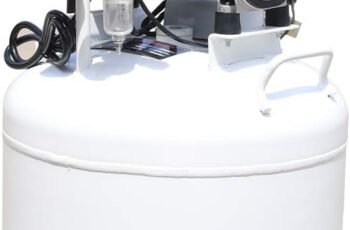
Puma Industrial PK-7060V Single Stage Belt Drive Air Compressor, 60-Gallon Vertical Tank, 208-230VAC, 3450 RPM Motor, 182 Frame, Cast Iron Pump, 135 PSi Max Working Pressure — Quick Overview
We want to summarize what this unit brings to the table before getting into specifics, and we’ll highlight the features that matter most to us. This model is a heavy-duty, vertical 60-gallon compressor designed for workshop and light industrial applications, combining a cast iron single-stage pump with a belt-driven 3450 RPM motor.
What this model is best suited for
We see this compressor fitting well in small machine shops, automotive garages, and construction shops where multiple users need reliable compressed air. Its 60-gallon vertical tank offers a good balance between storage capacity and floor space savings, while the 135 PSI max working pressure handles most pneumatic tools.

Detailed Specifications
We will lay out the key specs so we can quickly reference capacity, motor, pump, and electrical requirements. This table breaks down the primary technical details for easier comparison and planning.
| Specification | Detail |
|---|---|
| Model | Puma Industrial PK-7060V Single Stage Belt Drive Air Compressor |
| Tank Type | Vertical |
| Tank Capacity | 60 gallons |
| Pump Type | Single stage, cast iron, W-type pump design |
| Motor | 3450 RPM, 182 frame |
| Voltage | 208-230 VAC |
| Max Working Pressure | 135 PSI |
| Starter | Combination pressure switch starter rated at 30 amperages |
| Discharge Tube | Stainless braid flexible discharge tube |
| Outlet | 1/2″ outlet ball valve |
| Drain Valve | 1/4″ extended drain ball valve |
| Drive | Belt driven |
| Applications | Auto shops, woodworking, light industrial, multi-user environments |
Why these specs matter for us
We find that motor speed, pump construction, and tank capacity directly impact tool compatibility and run time between motor cycles. The 3450 RPM motor and the cast iron single-stage pump design indicate a traditional, robust construction that is both serviceable and familiar to most maintenance technicians.
Key Features and How They Benefit Us
We will walk through the standout features and explain how each one translates to daily use in a workshop. Understanding how features match our workflows helps us evaluate value beyond headline numbers.
Single Stage Cast Iron W-Type Pump Design
We appreciate the cast iron construction because it usually means better heat dissipation and longer life than aluminum pumps. The W-type pump layout tends to be compact yet efficient, and cast iron parts handle the stress of frequent cycling.
Combination Pressure Switch Starter Rated at 30 Amperages
We like that the pressure switch starter is rated at 30 amps since it supports heavy-duty starts and reduces electrical wear. This makes the system more reliable when it’s powering tools that cause frequent motor starts during a busy day.
Stainless Braid Flexible Discharge Tube
A stainless braid flexible discharge tube provides durability and reduces the chance of rupture at the pump-to-tank junction. For us, this adds a layer of protection against vibration and thermal expansion, which can otherwise crack rigid connectors over time.
1/2″ Outlet Ball Valve for Multiple Users
The 1/2″ outlet ball valve is sized to deliver continuous airflow to multiple users without too much pressure drop. When we run two or three tools simultaneously, this larger outlet is noticeably more forgiving than a smaller 1/4″ connection.
1/4″ Extended Drain Ball Valve
The extended 1/4″ drain makes it easier to remove condensate without crouching or undoing tight fittings. We appreciate the accessibility for routine maintenance because regular draining prevents corrosion inside the tank.
Performance: Air Delivery and Pressure
We will focus on how much usable air this compressor supplies and how the pressure characteristics match our toolset. Performance is the deciding factor for most of our purchases.
Maximum Working Pressure and Usable PSI
With a max working pressure of 135 PSI, this compressor covers the needs of most pneumatic tools, from impact wrenches to sanders and spray guns. The useful operating band is broad enough for high-demand tasks while remaining safe for continuous use.
Airflow and Duty Cycle Considerations
We should consider that single-stage pumps typically deliver solid CFM (cubic feet per minute) at moderate pressures but aren’t optimized for very high-pressure, high-volume industrial demand. For our shop, we need to match the CFM at the tool’s operating PSI to avoid frequent motor cycling that shortens component life.
Typical Tool Compatibility
We can run nailers, impact wrenches, paint sprayers, ratchets, and grinders, usually with one or two tools at once depending on their CFM draw. If we have jobs requiring continuous high-flow output (like large sanders or simultaneous multi-tool setups), we might need to monitor whether the compressor keeps up during peak loads.
Build Quality and Materials
We will examine the materials and construction because longevity and repairability are crucial to total ownership cost. A robust build reduces downtime and long-term expense.
Cast Iron Pump Durability
The cast iron pump shows that the manufacturer prioritized longevity and reparability. Cast iron stands up to higher temperatures and abrasions better than many alloys, which is important when the pump runs frequently and for extended durations.
Frame, Motor, and Belt Drive Assembly
A belt drive gives us the benefit of reduced direct motor heat transfer to the pump and easier adjustments for belt tension or replacement. The 182 frame motor is a common industrial frame size, making replacement motors or parts easier to source if needed.
Tank Construction and Vertical Design
The vertical tank saves footprint space and allows us to position the unit against a wall for efficient shop layout. We’ll want to verify the tank’s paint/coating and any certification markings to ensure it meets pressure vessel standards and corrosion resistance.
Noise and Vibration
We will consider noise and vibration because they affect workplace comfort and compliance with local noise regulations. Understanding expected noise levels helps us decide on placement and whether we need sound attenuation.
Typical Noise Expectations
Belt-driven compressors with single-stage pumps tend to run quieter than direct-drive models under similar loads, but they are not silent. We expect moderate noise during motor run cycles and possible higher-frequency sounds from the belt and bearings.
Vibration Dampening and Mounting
We should mount the unit on a stable surface and use vibration pads if we’re in a small workspace or near sensitive equipment. The flexible stainless discharge tube helps reduce transmitted vibration to the tank, which is a meaningful design choice for longevity and noise reduction.
Installation and Electrical Requirements
We will detail what we need to get this compressor up and running safely and efficiently. Proper installation reduces setup time and prevents common issues.
Electrical Supply and Circuit Needs
This unit runs on 208-230 VAC and requires a starter rated at 30 amps, so we must ensure our shop’s electrical panel supports a dedicated circuit. We recommend consulting an electrician to confirm breaker sizing, wire gauge, and grounding for safety and code compliance.
Physical Footprint and Placement
The vertical 60-gallon tank reduces floor space but increases height, so we need sufficient ceiling clearance and room for service access. Placing the compressor against a wall is convenient, but we should leave enough clearance for belt adjustments and pump maintenance.
Piping and Air Delivery Layout
We will plan pipe layout to minimize pressure drops and keep the 1/2″ outlet useful for multiple users. For distributed systems, consider adding a dedicated air receiver or a larger-diameter main line to preserve pressure at remote hookups.
Maintenance and Serviceability
We will cover routine maintenance tasks and what to expect in terms of service intervals, since regular maintenance directly affects reliability and lifespan.
Routine Maintenance Tasks
Regular oil checks, belt inspections, drain valve operation, and filter elements are basic tasks we need to schedule. Draining condensate regularly using the 1/4″ extended drain ball valve helps prevent tank corrosion and maintains air quality.
Parts Availability and Common Replacements
Since the motor frame and pump are standard industrial sizes and cast iron parts are common, replacement parts like belts, valves, and starter components should be accessible. We should keep a spare belt and basic seals on hand to reduce downtime.
Troubleshooting Tips
If we see excessive cycling, we should check for air leaks, pressure switch settings, and correct tank PSI. If the motor struggles on start, verifying voltage at the motor and starter performance can quickly identify electrical problems.
Safety Features and Considerations
We will emphasize safety because compressed air systems must be managed to prevent accidents and comply with regulations. Proper safety practice reduces both risk and liability.
Pressure Relief and Valves
We need to verify that a pressure relief valve is installed and regularly tested to prevent over-pressurization. The combination pressure switch starter helps regulate operation, but relief valves are our final safety backup.
Tank Inspection and Certification
We should ensure the tank is stamped or certified per applicable codes and schedule inspections for integrity. If the tank is vintage or lacks proper documentation, consider having it pressure-tested or replaced.
Safe Operation Practices
We will always drain the tank after use, secure fittings properly, and avoid makeshift modifications that compromise safety. Wearing hearing protection and eye protection around pressurized air work remains essential.
Pros and Cons
We will present a balanced view of strengths and weaknesses to help us decide whether this compressor suits our needs.
Pros
- Robust cast iron single-stage pump design for long service life and heat management.
- 60-gallon vertical tank provides substantial storage without a large footprint.
- 135 PSI max working pressure handles a wide variety of tools.
- Combination 30-amp starter supports heavy-duty starts.
- Stainless braid flexible discharge tube increases reliability at the pump-to-tank junction.
- 1/2″ outlet ball valve supports multiple users and continuous airflow.
- 1/4″ extended drain ball valve simplifies maintenance.
Cons
- Single-stage compressors are less ideal for very high-volume industrial applications requiring continuous high CFM at high pressures.
- Motor and pump noise may still be significant in confined spaces, requiring sound mitigation.
- The vertical tank height may limit placement in low-ceiling environments.
- Requires a 208-230 VAC dedicated circuit, which might need electrical upgrades in some shops.
Comparative Analysis: Where This Model Fits
We will compare this unit to common alternatives to clarify which scenarios favor this compressor over others. Comparing helps us choose the most cost-effective and functional option.
Compared to Smaller Portable Compressors
This 60-gallon vertical model offers far greater storage and sustained output than small portable compressors. We get longer run times between starts and better support for multiple simultaneous users, which is beneficial for a multi-person shop.
Compared to Two-Stage or Larger Industrial Compressors
Two-stage compressors typically produce higher pressure and improved efficiency at high pressures, making them better for continuous production use. However, for most general shop tasks, a single-stage 135 PSI-capable unit is more than adequate and is often simpler to maintain.
Compared to Horizontal Tank Models
Horizontal tanks can be lower to the ground and sometimes easier to move on mobile setups, but the vertical 60-gallon saves floor space and can be tucked against a wall. We’ll choose vertical when space footprint matters and we have the headroom.
Use Cases and Recommended Applications
We will list practical use cases for the compressor, so we can match it to tasks and avoid overcommitting it to jobs it won’t sustain.
Automotive Repair and Body Shops
We can run impact wrenches, ratchets, paint guns, and sanders in a body shop environment with this compressor. The 135 PSI max pressure and 1/2″ outlet make it possible to support multiple bays with moderate simultaneous use.
Woodworking Shops
For air tools, spray finishing, and pneumatic nailers, this compressor provides consistent pressure and storage to reduce finish issues and tool lag. We should ensure proper filtration for finish-critical tasks.
Small Manufacturing and Light Industrial
Small production lines or assembly benches that require intermittent compressed air can rely on this model for dependable performance. For continuous, high-volume operations, a larger or two-stage compressor may be better.
Home Garages and Serious Hobbyists
If we’re serious about automotive or woodworking at home and have a 208-230 VAC circuit, this compressor brings professional-level capacity that’s hard to match with smaller portable units.
Installation Checklist
We will provide a simple checklist to streamline the setup process and help avoid common pitfalls during installation.
- Verify 208-230 VAC, 30-amp dedicated circuit available and confirm breaker and wire gauge with an electrician.
- Choose a location with adequate ceiling height and clearance for service access.
- Place on a level, stable surface and consider vibration isolation pads.
- Connect piping with appropriately sized fittings to minimize pressure drop from the 1/2″ outlet.
- Install safety relief valve and confirm pressure switch settings before operation.
- Check oil levels, belts, and fasteners before initial start and follow the manufacturer’s break-in procedure.
- Drain condensate after first few cycles and verify drain valve operation.
Accessories and Upgrades We Recommend
We will suggest accessories that enhance performance, longevity, and air quality in our facilities.
Filtration and Drying
For painting or finishing, add a moisture separator and desiccant or refrigerated dryer to prevent finish defects. A particulate filter will protect pneumatic tools and downstream processes.
Pressure Regulators and Secondary Receivers
Use local regulators for different workstations to fine-tune pressure for specific tools. Adding a secondary receiver near the work area can stabilize pressure for multi-user setups.
Remote Shutoff and Monitoring
Consider adding a remote pressure gauge or digital controller for large shops so we can monitor compressor status and runtime without being at the unit. This can prevent downtime and improve maintenance scheduling.
Frequently Asked Questions (FAQ)
We will answer common questions we have before buying, which helps us set realistic expectations.
What maintenance intervals should we follow?
We recommend checking oil and belts every 50 to 100 operating hours initially, then following the manufacturer’s schedule. Drain the tank daily in humid conditions and inspect valves monthly.
Can this compressor run multiple tools at once?
Yes, within reason. The 1/2″ outlet and 60-gallon tank allow multiple users, but the total CFM demand at the tools’ operating PSI will determine whether it holds pressure during peak use.
Is this compressor suitable for painting?
Yes, for most painting tasks it is suitable, particularly when paired with proper filtration and drying equipment. We should ensure steady pressure and moisture control for the best finish results.
What electrical work will be required?
You’ll likely need a dedicated 208-230 VAC circuit and a breaker capable of handling the 30-amp starter rating. An electrician should confirm wire gauge and breaker type for safe installation.
Troubleshooting Common Issues
We will include practical solutions to problems we might encounter, so we can quickly get back to work without unnecessary service calls.
Excessive Cycling
Check for air leaks, improper pressure switch settings, or undersized piping causing pressure drops. Tightening fittings, repairing leaks, and verifying switch setpoints usually resolve cycling.
Overheating Pump or Motor
Ensure adequate ventilation, verify oil levels, and confirm the belt is not loose. Overheating can occur in enclosed spaces or from heavy-duty cycles beyond the compressor’s duty rating.
Low Air Delivery
Inspect the intake filter for blockage, check belt condition, and ensure the discharge tube and fittings are intact. A clogged filter or slipping belt reduces CFM output noticeably.
Warranty and Support Considerations
We will mention warranty expectations and how to approach support if issues arise. Knowing warranty terms helps us mitigate resolution time for failures.
Typical Warranty Coverage
Check the manufacturer’s warranty for the pump, motor, and tank; coverage can vary between parts and timeframes. Keep purchase records and register the unit if required to preserve warranty benefits.
Finding Service Parts and Technical Help
We should verify local dealer support or online parts availability for belts, valves, and filters. Having access to local service reduces downtime and can be crucial for commercial users.
Final Verdict
We will summarize our conclusion based on capacity, durability, and overall value for the intended applications. This helps us decide whether to proceed with purchase or consider alternatives.
We find the Puma Industrial PK-7060V Single Stage Belt Drive Air Compressor, 60-Gallon Vertical Tank, 208-230VAC, 3450 RPM Motor, 182 Frame, Cast Iron Pump, 135 PSi Max Working Pressure to be a strong contender for workshops and small industrial environments that need robust, reliable compressed air. Its cast iron pump, substantial tank capacity, heavy-duty starter, and practical features like the stainless braid discharge tube and accessible drain valve make it a practical long-term investment for professional users.
We recommend this compressor to teams that need dependable multi-user capability and are prepared to provide the required electrical service and routine maintenance. If our needs shift toward continuous, very high-CFM usage or we lack the 208-230 VAC infrastructure, we would compare larger two-stage models or consider a different voltage configuration. Overall, for balanced performance, build quality, and serviceability, this unit is a solid choice for many workshops and light industrial applications.

Disclosure: As an Amazon Associate, I earn from qualifying purchases.