Are we looking for a reliable, powerful air compressor that will keep our shop running without taking up too much floor space?
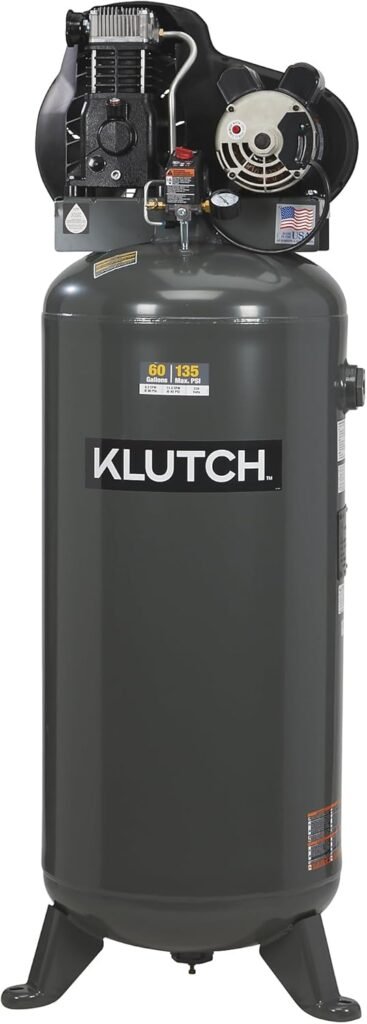

Overview of the Klutch 60-Gallon Single-Stage Vertical Air Compressor, 3.7 HP, 230 Volts
We see this unit as a heavy-duty option for professionals and serious hobbyists who want a solid blend of power and tank capacity in a vertical footprint. The Klutch 60-gallon single-stage vertical air compressor brings a 3.7 HP dual-induction motor, a reported 9.3 CFM at 90 PSI, and a maximum pressure of 135 PSI, combined with a cast iron oil-lubricated pump and stainless steel valves to improve longevity.
We appreciate that the design prioritizes steady delivery and durability without sprawling across the floor, which helps smaller shops or garages stay organized. Below, we break down how those specs translate into everyday use, maintenance, and overall value for our workshop.
Key Specifications
We like to start with a clear summary of what the machine offers so we can match it to our needs. The table below captures the headline specs that matter most when choosing a compressor like this.
| Specification | Detail |
|---|---|
| Product | Klutch 60-Gallon Single-Stage Vertical Air Compressor, 3.7 HP, 230 Volts |
| Motor | 3.7 HP dual-induction motor |
| Voltage | 230 Volts |
| Air Delivery | 9.3 CFM @ 90 PSI |
| Maximum Pressure | 135 PSI |
| Tank Capacity | 60 gallons (vertical) |
| Pump Type | Single-stage, cast iron |
| Lubrication | Oil-lubricated |
| Valves | Stainless steel valves |
| Intended Use | Workshop, garage, shop tools, spray finishing, medium construction tools |
| Orientation | Vertical (saves floor space) |
We find this specification block useful for quick comparisons with other units and for verifying whether the compressor will meet the demands of our typical tools and workflows. The combination of 9.3 CFM at 90 PSI and a 60-gallon tank places this model squarely in the category of compressors suitable for a wide range of professional and semi-professional applications.

Performance
We care most about how a compressor performs under load and over time, and the Klutch model brings a robust motor and pump configuration that is designed to deliver consistent air. Performance-wise, it is engineered to support tools that require steady airflow without frequent motor cycling.
We will go deeper into motor characteristics, air delivery and recovery, and pressure behavior so we can determine whether the unit fits our particular toolset or shop demands.
Motor and Pump Performance
We appreciate the dual-induction 3.7 HP motor for its ability to deliver consistent torque and run harder loads than many lower-horsepower motors. The motor rating supports the pump so that it can produce the 9.3 CFM at 90 PSI that many heavy-duty tools require.
The cast iron single-stage pump contributes to durability and heat dissipation, and the oil-lubrication reduces wear and helps the pump run smoothly over time. Stainless steel valves add resistance to corrosion and fatigue, which is an important detail for longevity when the compressor is cycled frequently.
Air Delivery and Recovery Time
We pay attention to CFM and recovery because they determine how often the motor runs and how well the compressor keeps up with continuous or intermittent tool usage. At 9.3 CFM at 90 PSI, this unit is capable of handling high-demand tools like impact wrenches, spray guns (with proper technique), and some grinders when used in typical intervals.
With a 60-gallon tank, recovery time is reasonable; the larger reservoir gives us a buffer so tools run smoother between pump cycles. In practice, we can expect fewer on/off cycles than with smaller tanks, which translates to less wear and quieter operation during idle periods.
Pressure and Versatility
A maximum pressure rating of 135 PSI provides headroom beyond the working pressure of 90 PSI for most pneumatic tools. That additional pressure range can be useful for specialty tools or operations that require higher initial pressure, and it gives us leeway to set regulators where needed for different tasks.
The single-stage pump is optimized for the 135 PSI ceiling in vertical 60-gallon configurations, making the unit versatile for finishes, nail guns with high recovery demand, and certain air-driven machinery. We find that the combination of CFM and pressure makes the compressor adaptable to many workshop scenarios without oversizing our electrical infrastructure.
Build Quality and Durability
We evaluate build quality by looking at the materials used, how serviceable the unit is, and whether common wear items are designed to be replaced or serviced. This Klutch compressor leans toward a heavy-duty build with cast iron components and stainless parts in key places.
That said, overall durability will also depend on routine maintenance and how we install and operate the unit in our environment. Proper setup and timely oil changes will help this compressor live up to its design life.
Materials and Construction
We like that the pump housing is cast iron, which normally handles heat and mechanical stress better than lighter castings or aluminum. Cast iron pumps typically last longer under continuous duty, and they often fare better in harsher environments.
The use of stainless steel valves means we’re less likely to see valve corrosion and premature failure from moisture or contaminants in the compressed air — a small but meaningful difference in long-term reliability. The vertical tank saves footprint at the expense of slightly taller installation height.
Oil-Lubricated Pump Advantages
Oil-lubricated pumps generally have a lifespan advantage over oil-free pumps because the oil reduces friction and wear on moving parts. We expect smoother operation, better heat control, and more consistent compression with an oil-lubricated design.
The trade-off is that we must perform regular oil maintenance, monitor oil levels, and be attentive to potential leaks or contamination. Still, for heavy or frequent use, oil-lubricated pumps are typically the better choice for longevity and stable performance.
Maintenance Considerations
We plan to check oil levels regularly, perform oil changes at manufacturer-recommended intervals, and replace air filters as needed to keep the pump running efficiently. Draining condensate from the tank after use is essential to prevent internal corrosion and to maintain air quality for tools and finishes.
Keeping spare seals, drain valves, and a basic tool kit on hand will make routine servicing faster, and scheduling periodic inspections — especially of the stainless valves and fittings — will help us catch issues before they become costly repairs.
Noise and Vibration
We consider noise a significant factor, especially in smaller shops or attached garages. Compressors with larger motors and cast iron pumps are often louder than small pancake compressors, but oil-lubricated designs typically run smoother and can be less harsh-sounding.
We recommend placing the compressor on anti-vibration pads and locating it in a slightly isolated area when possible to minimize transmitted vibration and noise into the workspace. While exact decibel ratings vary with installation, usage pattern, and floor mounting, the Klutch unit will generate a noticeable but manageable noise level if installed and maintained properly.
Noise Levels in Workshop Use
When operating at higher loads, the motor and pump together will produce a consistent sound that’s typical of powerful shop compressors. We find it less harsh than some small, high-revving compressors, but louder than quiet, low-power models designed specifically for quiet operation.
If we plan to work in the immediate vicinity of the compressor for long periods, using hearing protection during heavy use is a good practice. For nearby workstations and customer-facing areas, consider a sound enclosure, dedicated compressor room, or remote mounting to keep the environment comfortable.
Vibration Management
Vibration pads, rubber mounts, or a small concrete pad can significantly reduce transmitted vibration to the floor and nearby tool stands. We like to secure vertical units to a stable surface and ensure the mounting feet are level to avoid rocking, which reduces wear on fittings and provides steadier operation.
Periodic checks of mounting bolts and feet help prevent creeping, and keeping the unit plumb prevents undue stress on pipe connections and tank fittings.
Usability and Controls
Ease of use matters to us when we want to focus on projects, not fiddling with complex controls. The Klutch model typically offers straightforward controls and is user-friendly for both professional and hobbyist workflows.
We appreciate a clear pressure gauge, an accessible drain valve, and straightforward power and safety switches to make operation intuitive and fast.
Installation and Setup
Installation is relatively straightforward but requires attention to electrical requirements: 230 volts, appropriate amperage, and a dedicated circuit to avoid tripping breakers or damaging the motor. We recommend confirming circuit capacity and having an electrician install or verify the hookup if we’re unsure.
Vertical installation saves footprint but requires vertical clearance; select a spot with enough headroom and space for valve access. We also consider proximity to work areas — too far and we lose efficiency; too close and noise becomes an issue.
Controls and Safety Features
We find typical controls on compressors like pressure regulators, pressure switches, and safety valves intuitive and easy to operate. Familiarizing ourselves with the pressure settings and regulator adjustment ensures tools receive the correct pressure for safe and effective operation.
Safety-wise, we always verify the presence of an accessible drain valve, safety relief valve, and proper wiring to minimize hazards. Regularly checking these features and following the safety instructions in the manual keeps our shop safer and our compressor performing reliably.
Applications and Use Cases
We choose equipment based on the tasks we want to complete, and this unit is broad in its intended applications. The Klutch 60-gallon vertical compressor is suited for a range of jobs from automotive work to medium finishing and light production use.
We’ll highlight specific use cases and how well the unit supports them so we can decide whether it fits our shop’s primary needs.
Workshops and Garages
In a general workshop or garage, we can run air tools like impact wrenches, ratchets, sanders, and grinders with a good balance of power and runtime. The 60-gallon tank helps prevent frequent starts when using intermittent tools or performing sequences of tasks.
For tasks that require continuous airflow, such as sustained sanding or some pneumatic finishing applications, the 9.3 CFM rating gives a usable window for operation without immediate pressure drop.
Automotive and Mechanical Work
For automotive work where impact guns, air ratchets, and moderate sanders are common, this compressor provides the necessary CFM and pressure to operate tools effectively. Tire inflation and shop air tasks are straightforward with the available pressure range.
When multiple tools are in use simultaneously or for sustained high-demand operations, we should plan tool sequencing or reserve air for critical tools to maintain consistent performance.
Painting and Finishing
The 60-gallon capacity and near-9.3 CFM output make this compressor a viable choice for spray painting and finishing projects, assuming proper gun selection and pressure tuning. For larger scale production painting, a secondary receiver or an additional compressor might be desired, but for smaller shop and custom finishing work, this compressor is well matched.
We recommend using an inline moisture filter and regulator to protect finishes and ensure consistent spray patterns.
Construction and Jobsite Use
This unit is heavier and designed more for stationary shop installation than daily jobsite transport. For fixed workshop areas on construction sites or semi-permanent job trailers with 230V supply, the compressor will serve well for nailers, staplers, and occasional power tools.
For fast-paced, high-volume framing jobs that require nonstop high CFM usage with multiple tools at once, a larger or additional compressor may be needed.
Pros and Cons
We want to balance strengths and limitations so we can make an informed purchase decision. Below are the primary pros and cons we see with this Klutch model based on its design and specifications.
Pros:
- Robust 3.7 HP dual-induction motor delivers strong, consistent power for workshop tasks. We appreciate the capacity to run a variety of air tools without constant stalling.
- 60-gallon vertical tank provides good reserve capacity for intermittent high-demand work while saving floor space. This is great for smaller shops that need runtime without sacrificing footprint.
- Cast iron, oil-lubricated pump with stainless steel valves improves longevity and wear resistance. We value the reduced maintenance frequency and improved durability with these materials.
- 135 PSI maximum pressure gives flexibility for tools needing higher pressure and provides tuning room for different tasks. That extra pressure helps for specialty tools and applications.
Cons:
- Heavier and bulkier than portable compressors, so it’s not intended for daily transport to job sites. We need to plan for a dedicated location.
- Requires a 230V electrical supply and likely a dedicated circuit, which adds installation complexity if our shop doesn’t already have that. We should budget for electrician work if needed.
- Oil-lubricated pumps require regular maintenance and oil changes, adding to long-term upkeep responsibilities. We find maintenance worthwhile, but it is a commitment.
- Potentially louder operation compared to smaller, low-power models; sound mitigation might be necessary for noise-sensitive environments. We prefer placing it in a separate area or using pads to reduce noise transfer.
Comparison with Similar Models
We find it useful to see how this compressor stacks up against common alternatives so we can weigh trade-offs correctly. The table below compares the Klutch model to two common categories: a typical belt-drive two-stage 60-gallon unit and a portable 60-gallon single-stage (hypothetical average units).
| Feature | Klutch 60-Gallon (This Unit) | Typical 60-Gal Belt-Drive Two-Stage | Portable 60-Gal Single-Stage (Average) |
|---|---|---|---|
| Motor HP | 3.7 HP | 5.0 HP (typical) | 3.0–3.5 HP |
| CFM @ 90 PSI | 9.3 CFM | 12–14 CFM | 6–9 CFM |
| Max PSI | 135 PSI | 175–200 PSI (two-stage) | 135 PSI |
| Pump Type | Single-stage, cast iron, oil-lubricated | Two-stage, cast iron, belt-drive, oil-lubricated | Single-stage, cast iron or aluminum, oil-lubricated |
| Orientation | Vertical | Horizontal (common) | Vertical or horizontal |
| Portability | Stationary | Stationary | More portable but heavy |
| Best for | Balanced shop use, vertical footprint | Heavy industrial continuous use | Occasional heavy use, mobile needs |
We think the Klutch is a smart middle-ground for shops that want solid CFM and decent pressure without investing in a much larger, two-stage industrial system. If our work requires nonstop, multi-station air use, a larger two-stage belt-drive may be more appropriate. For those needing portability, smaller single-stage units are easier to move but usually compromise on continuous CFM.
Setup Tips and Best Practices
We want our compressor to last and to deliver consistent performance, so we follow a few key setup best practices to get the most from the unit. Proper placement, electrical preparation, and initial break-in matter a lot.
We’ll provide actionable tips that help reduce headaches during installation and day-to-day operation.
Electrical Requirements and Safety
Verify a stable 230V supply and the required breaker size before installation, and use a dedicated circuit to avoid nuisance tripping or overheating wiring. We recommend involving a qualified electrician if there’s any doubt about the existing wiring or breaker capacity.
Install a heavy-duty plug and receptacle designed for the compressor’s amperage and use proper gauge wiring to minimize voltage drop. Voltage stability helps protect the motor and ensures consistent performance.
Location and Ventilation
Position the compressor in a dry, well-ventilated area with adequate headroom for the vertical tank and pump. Avoid placing it directly against walls; allow access to valves and controls and enough space to service the unit.
Keep the compressor away from direct dust sources and ensure any exhaust or heat dispersal doesn’t affect flammable materials. Ventilation helps the motor and pump run cooler and preserves oil life.
Break-In and First-Time Running
When running the compressor for the first time, observe the manufacturer’s break-in recommendations if provided and run the unit unattended for a short period to stabilize oil distribution and seating of moving parts. Check for leaks, odd noises, or abnormal vibration during initial operation.
Change or top off oil after the initial break-in period if the manual suggests it, and record the first service date so we stay on schedule for future maintenance.
Regular Maintenance Schedule
We set up a maintenance schedule that includes daily drain checks, monthly oil level verification, quarterly oil changes as needed, and annual comprehensive inspections. Keeping a log of oil changes, filter replacements, and repairs helps us track wear patterns and plan for parts replacement.
Replace air filters and check hoses and fittings periodically to prevent contaminants from reaching tools or the pump. Clean the cooler fins and maintain clear airflow around the motor and pump.
Troubleshooting Common Issues
We like being prepared for common problems so we can get the compressor back to work quickly when issues arise. Troubleshooting often centers on starting issues, pressure loss, leaks, or elevated noise levels.
We’ll outline common symptoms and practical steps to diagnose and resolve them.
Compressor Fails to Start
If the unit won’t start, we check the breaker and power supply first, ensuring the 230V circuit is delivering stable power. Next, inspect the motor starter or contactor, wiring connections, and any thermal overload protection that may have tripped.
If electrical checks pass, a worn motor capacitor or internal motor issue could be the culprit; at that point we would consult a technician or the support line.
Short Cycling or Poor Pressure Hold
Short cycling can indicate a pressure switch fault, a leaking check valve, or a worn tank drain causing rapid pressure loss. We examine fittings and hoses for leaks, listen for hissing, and verify the check valve function by isolating pump discharge and observing whether pressure holds.
Replacing a faulty pressure switch or check valve usually corrects short cycling, and tightening or replacing leaking fittings improves pressure retention.
Unusual Noises or Excess Vibration
Rattles or a loud knocking noise may point to loose mounting bolts, worn bearings, or internal pump issues. We begin by securing all bolts and checking for loosened brackets, then inspect mounting pads and feet for wear.
If noises persist, examining the pump bearings and motor mounts is the next step; scheduled lubrication and maintenance can prevent many of these issues.
Value and Warranty
We assess value by weighing the initial cost against expected lifespan, maintenance requirements, and how well the compressor fits our workflow. The Klutch 60-gallon compressor offers a compelling mix of performance and durability for its class, making it a sound investment for many shops.
We advise checking the manufacturer’s warranty details and support policies so we can plan for any possible defects or service needs. Knowing warranty length, what is covered, and how to obtain service helps protect our purchase over time.
Accessories and Add-Ons to Consider
We often find that a few well-chosen accessories improve performance, protect tools, and make life easier. For this compressor, consider adding an inline water/oil separator, a quality regulator with gauges, and hose reels or quick-connect fittings to speed tool changes.
We also recommend anti-vibration feet, a dedicated tank drain accessory for easier condensate management, and a remote-mounted pressure regulator if the compressor will sit distant from main workstations.
Recommended Filters and Regulators
Using a good inline filter and regulator combination helps protect finishes and pneumatic tools from moisture and particulate. We prefer filters with replaceable cartridges and a bowl drain or auto-drain for convenience.
For painting and finishing work, adding a high-quality regulator with a moisture trap and fine filtration makes a dramatic difference in final results.
Hose and Fittings Choices
Investing in properly rated hoses and quick-connect fittings reduces pressure drop and improves tool performance. We select hoses with adequate internal diameter for the CFM demands of our tools and avoid undersized hoses that can undermine the compressor’s capacity.
Quick-connects rated for the pressure and CFM help maintain secure, fast connections without leaks and minimize downtime.
Final Verdict
We see the Klutch 60-Gallon Single-Stage Vertical Air Compressor, 3.7 HP, 230 Volts as a strong option for serious hobbyists, small to medium shops, and professionals who need dependable air delivery with a relatively small footprint. The combination of a 3.7 HP motor, 9.3 CFM at 90 PSI, 135 PSI maximum, and a 60-gallon tank is well balanced for a wide array of tools.
We recommend this compressor when our priorities include durability, consistent airflow, and space efficiency. For shop environments that require continuous, multi-station high-flow usage, we might consider larger two-stage systems, but for most workshop and finish-oriented needs, this Klutch unit is a solid, friendly workhorse that gives us a good return on investment when paired with proper setup and maintenance.

Disclosure: As an Amazon Associate, I earn from qualifying purchases.


