Considering a heavy-duty single-stage compressor for sustained shop use, is this the right one for our needs?

Product at a glance
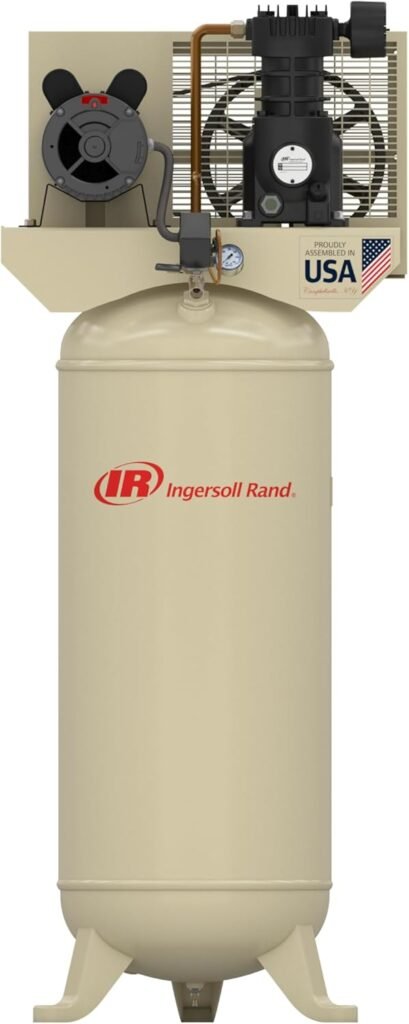
We want a concise snapshot before committing to a longer read, so we’ll summarize the essentials here. The Ingersoll-Rand Ingersoll Rand SS3L3 3hp 60 gal Single-Stage Compressor (230/1) 32334005 is positioned as a rugged, continuous-duty shop compressor designed to handle demanding tasks without frequent downtime. We’ll highlight what stands out and what to watch for as we move through this review.
What the model promises
The manufacturer promotes long life, high power output, ease of operation, and safety features designed for continuous industrial or heavy-shop use. We appreciate when a unit states specific metrics like 10.3 CFM at 90 psi, 100% continuous duty, and up to 135 psig maximum pressure because those numbers make it easier for us to match a compressor to our tools. The declared use of All Season Select synthetic lubricant and a 60-gallon ASME receiver tank also signals a design focus on longevity and consistent performance.
Key specifications
We’ll lay out the primary specs in a table so we can quickly reference performance, motor, and maintenance details. This helps us compare units and decide whether it meets our shop’s demands.
| Specification | Detail |
|---|---|
| Model | Ingersoll-Rand SS3L3 3hp 60 gal Single-Stage Compressor (230/1) 32334005 |
| Motor | 3 HP, 230V / 1 phase / 60 Hz, thermal overload with manual reset |
| Delivery/Flow | 10.3 CFM @ 90 psi |
| Maximum Pressure | Up to 135 psig |
| Duty Cycle | 100% continuous duty |
| Pump Construction | Cast iron pump for extended life (designed for 5,000+ hours) |
| Tank | 60 gallon vertical ASME receiver tank |
| Lubricant | All Season Select synthetic lubricant; 2,000 hours between changeouts |
| Controls | Auto start/stop pressure switch; fully assembled and pre-wired |
| Safety | Manual thermal overload protection; totally enclosed belt guard |
| Maintenance | Oil sight gauge; easy to fill oil port; easy to change filter; manual drain |
| Drain System | Manual drain |
| Intended Use | Heavy-duty shop and industrial applications |
We find tables like this useful because they give us a grounded sense of what the compressor can do and what routine maintenance will look like.
First impressions and build quality
Our initial impression is that this compressor is built to last. The cast iron construction of the pump gives us confidence that the maker intended this as a long-term shop asset rather than a temporary or occasional-use tool. The 60-gallon ASME receiver tank and the overall heft of the unit convey solidity and suitability for demanding applications.
Materials and construction
Cast iron pump construction is a major plus for durability. We know that cast iron handles heat and wear better than many light alloy pumps, which translates into extended pump life and fewer unscheduled rebuilds. The unit’s components feel industrial grade, and the totally enclosed belt guard adds a level of physical protection for the drive system that we appreciate for safety and longevity.
Visual and fit-and-finish notes
The compressor arrives fully assembled and pre-wired, which cuts down our initial setup time. We also like that commonly serviced points are accessible: the oil sight gauge, easy-fill oil port, and the filter location. For a machine that expects regular preventive maintenance, these small conveniences matter a lot to our daily and weekly shop routines.

Performance and power delivery
Performance is crucial, so we focus on the CFM and pressure capabilities and how those translate into practical tool operation for our shop. The SS3L3’s 10.3 CFM at 90 psi is a strong baseline for a wide range of pneumatic tools. Paired with a 100% continuous duty cycle, this compressor promises to sustain workloads that lesser compressors would struggle with.
CFM and pressure in practice
Rated at 10.3 CFM at 90 psi, this unit covers most air tools used in automotive and industrial shops: impact wrenches, air ratchets, grinding and sanding tools, paint guns, and some pneumatic nailers and staplers. When we need higher pressure, the stated capability up to 135 psig gives the flexibility for applications that require more force or for systems with pressure drops across long lines. The 100% continuous duty cycle is especially important for tasks that are prolonged or interspersed with short breaks; we don’t have to worry about thermal cutouts forcing cooldowns under normal expected workloads.
Tank capacity and sustained use
The 60-gallon vertical receiver tank provides a large reservoir of compressed air, which helps smooth out demand spikes and reduces pump run frequency. This is beneficial for tools that draw a lot of air in short bursts, and it improves compressor efficiency by allowing longer off cycles while maintaining adequate line pressure. For us, the tank size means fewer interruptions during continuous or multi-tool operations.
Operation and controls
We value straightforward controls that keep the learning curve low. This model’s auto start/stop pressure switch control and pre-wired delivery mean we can get the compressor operational with limited electrician involvement, assuming our shop’s wiring matches the unit’s 230V/1 phase requirement.
Start/stop controls
The auto start/stop pressure switch is dependable for keeping the system pressurized within configured thresholds. We appreciate the simplicity — there’s little to configure and the routine is familiar to anyone who has used shop compressors. The manual reset for thermal overload on the motor is clearly labeled, and its presence is reassuring when a motor trips under an overload condition.
Accessibility and service points
Routine maintenance is easier with visible service points: oil sight gauge, easy to fill oil port, and a filter that’s simple to change. These features reduce the friction of ongoing maintenance and the chance that we’ll neglect oil checks or filter swaps. The manual drain on the tank is straightforward, though it does require scheduled attention to avoid moisture buildup.
Lubrication and maintenance schedule
The SS3L3 ships with All Season Select synthetic lubricant, which greatly extends the interval between changes. That’s a real operational cost and downtime benefit for our shop.
Synthetic lubricant benefits
Using the All Season Select synthetic lubricant, the unit boasts 2,000 hours between lubricant changeouts — roughly four times longer than petroleum-based options. For a busy shop, that translates into fewer maintenance windows, lower long-term lubricant costs, and better protection for internal components across a range of temperatures. We prefer synthetic oils for their stability and deposit control, and this compressor’s spec aligns with that preference.
Routine maintenance tasks
We’ll need to monitor oil level via the sight gauge, change filters periodically, and manually drain the tank to remove condensation. The accessible oil fill and visible gauge reduce guesswork, and the easy-to-change filter design means we can keep intake air clean without significant downtime. Scheduling these tasks into a preventive maintenance plan is straightforward and keeps the unit running at its designed lifespan.
Safety features
Safety is a priority in any shop, particularly with equipment that stores compressed energy. This model includes features that reduce common hazards and make daily operation safer for our team.
Thermal overload protection and manual reset
The motor includes manual thermal overload protection and a manual reset. This gives us a clear indicator when the motor has been pushed beyond safe operating temperatures and prevents automatic restarts that could worsen a fault condition. We prefer manual reset because it forces us to inspect the situation rather than letting the machine restart into the same failure mode.
Belt guard and enclosed components
The totally enclosed belt guard keeps moving parts covered and helps protect personnel from accidental contact while the compressor runs. It also reduces the likelihood of contaminants from the surrounding environment interfering with the belt and pulley system. Small safety features like this make the equipment easier to integrate into a busy shop without creating additional hazards.
Noise, vibration, and working environment
Noise and vibration are typical concerns with cast iron, single-stage compressors. We’ll describe what to expect and how to mitigate unwanted effects in our workspace.
Typical noise profile
Cast iron pumps and larger displacement compressors tend to be louder than smaller portable units. We should expect a noticeable noise level during pump operation. That said, in a typical garage or industrial shop where multiple noisy processes may occur, the sound is often tolerable. If the compressor will live near workstations, adding acoustic barriers or locating it in a dedicated utility room can improve the working environment.
Vibration considerations
The weight and vertical tank design give good stability, but we still recommend placing the compressor on a firm, level surface and, when possible, using vibration-damping pads. These measures reduce transmission to shop floors and nearby equipment. Securing the tank and motor mounts reduces long-term wear and helps prevent loosening of fasteners over time.
Installation and electrical requirements
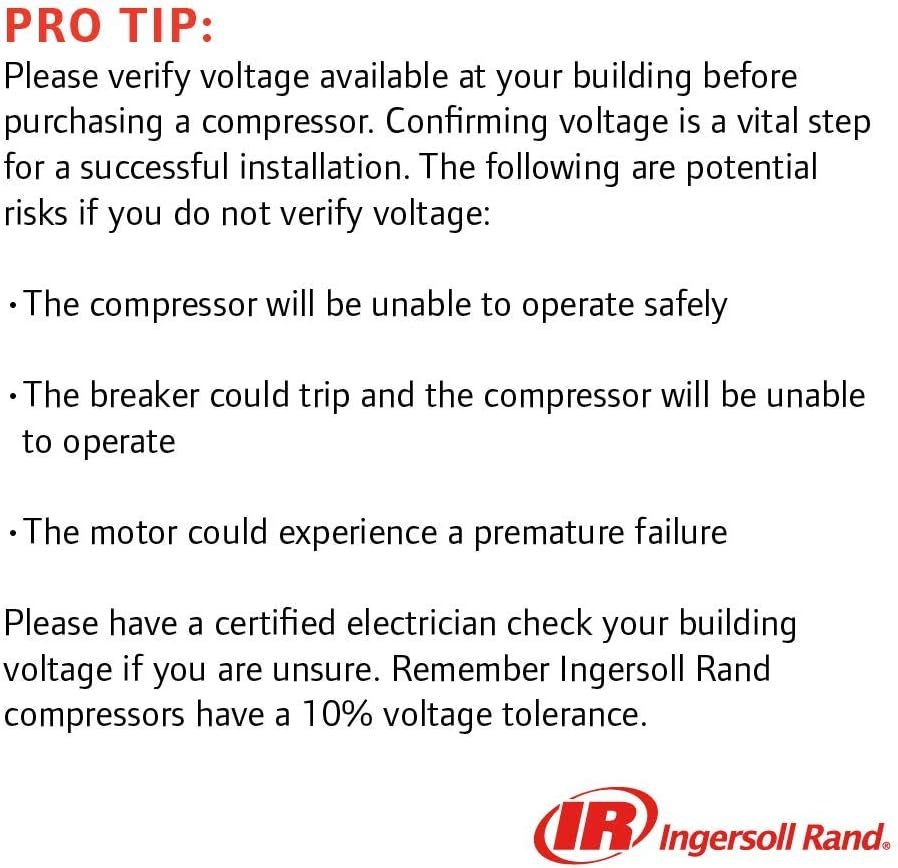
Proper installation ensures safety and reliable operation. The SS3L3 requires a 230V single-phase supply and is pre-wired for straightforward connection in most shop settings.
Electrical needs and wiring
We need a dedicated 230V/1 phase circuit sized appropriately for a 3 HP motor and compliant with local codes. If our shop’s electrical service isn’t already set up for this voltage, we’ll need to involve an electrician. The compressor’s thermal overload protection is helpful, but correct wiring and protective devices are still essential for safe, long-term operation.
Space and placement
The vertical 60-gallon ASME receiver reduces the compressor’s footprint compared to horizontal tanks of similar volume. We should still allot sufficient clearance around the unit for ventilation, service access, and hose routing. Good placement minimizes long run lengths for air lines, which reduces pressure drop and improves tool performance.
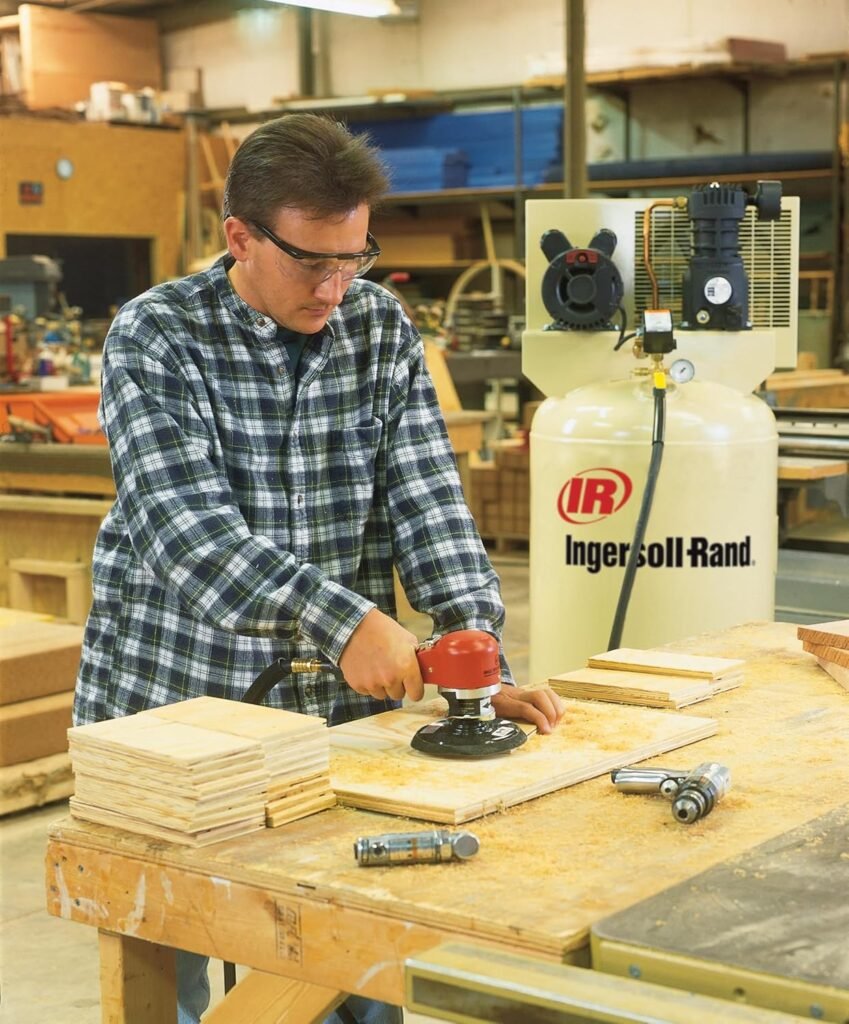
Use cases and compatibility with tools
Understanding which tools and tasks are a good match for this compressor helps us decide if it fits our shop’s needs. We’ll list common use cases and explain how the compressor performs under those loads.
Automotive and heavy shop work
For impact wrenches, ratchets, pneumatic grinders, and paint equipment, the 10.3 CFM at 90 psi and the 60-gallon tank are a solid match. Our experience suggests this compressor can comfortably support one or two heavy tools in continuous use, or multiple intermittent tools in a busy shop environment. The continuous duty rating is particularly valuable during long repair sessions or production tasks.
Painting and finishing
For painting, consistent airflow and pressure are essential. The combination of the tank size and continuous duty cycle provides steady line pressure for paint guns and reduces pulsation that can affect finish quality. We’d still recommend using an inline regulator and moisture trap or dryer for the cleanest results, and we’d pay attention to the tank drain schedule to avoid contamination of the paint process.
Industrial and production applications
Because the unit is designed for 100% duty and boasts a relatively high maximum pressure, it’s suitable for production line tasks where continuous operation is expected. For multi-station or very high-demand setups, we’d assess total system CFM needs and possibly pair this unit with additional storage or a second compressor to prevent pressure dips under peak loads.
Pros and cons
We’ll enumerate strengths and weaknesses so we can weigh them quickly when making a purchasing decision.
Pros
- Robust cast iron construction designed for long pump life (5,000+ hours). We like the durability for long-term ownership.
- 10.3 CFM at 90 psi with a 100% continuous duty cycle, which supports sustained workloads without overheating. We appreciate this for heavy shop environments.
- 60-gallon ASME vertical tank provides considerable storage and helps smooth demand spikes. We see this as valuable during short high-flow bursts.
- All Season Select synthetic lubricant extends oil change intervals to about 2,000 hours, lowering maintenance frequency and cost. We find this particularly attractive for busy operations.
- Safety features such as manual thermal overload and enclosed belt guard reduce risks. We value these for day-to-day shop safety.
- Fully assembled and pre-wired delivery reduces complexity during installation. That convenience saves us time and reduces setup errors.
Cons
- Noise and vibration can be higher compared to smaller, quieter models; we may need to plan for acoustic treatment or remote placement. This is a trade-off for the power and durability.
- Manual tank drain adds a recurring task to our maintenance checklist; an automatic drain would be more convenient in a high-moisture environment. We should plan and document drain intervals to avoid moisture issues.
- The 230V single-phase requirement may necessitate electrical upgrades in some smaller shops. We must factor in potential installation costs if our facility lacks the correct service.
Comparison to similar compressors
When choosing a compressor we compare it to peers in class. We’ll look at similar single-stage, 3 HP, 60-gallon units and note where the SS3L3 stands out or falls short.
Where it excels
Compared to many competitors, the Ingersoll-Rand SS3L3 stands out for the combination of synthetic lubrication intervals, continuous duty rating, and robust cast iron pump construction. Together, these traits position it as a low-maintenance, durable option for high-use environments. In many cases, buyers get longer service intervals and reduced downtime relative to consumer-grade or lighter commercial units.
Where it may lag
Some competitive models offer automatic tank drains, quieter designs, or integrated air dryers and filtration packages. If noise reduction or automatic moisture management is a primary concern, we may need to add aftermarket solutions or select a different model. Additionally, for shops without 230V service, a comparable 115V model might be easier to install despite reduced performance.
Cost of ownership and value
We assess not only purchase price but expected running costs, maintenance schedule, and likely service life to estimate overall value.
Operating costs
The use of synthetic lubricant means fewer oil changes and potentially lower maintenance labor costs. Power consumption for a 3 HP motor on 230V will be a routine operating expense, but the continuous duty capability should minimize wasted energy from frequent starts and stops. With proper preventive maintenance, we expect the unit to reach the 5,000+ hours pump life claimed by the manufacturer, which is an encouraging factor for long-term value.
Long-term maintenance and parts availability
Ingersoll-Rand is a common brand with widely available parts and service documentation, which simplifies long-term maintenance. We should budget for consumables such as filter elements, belts, and periodic lubricant changes, but these are expected costs spread over a long service life. The availability of aftermarket accessories like automatic drains or isolators also makes it easier to tailor the unit to our shop’s needs.
Setup checklist and recommended accessories
We’ll provide a practical checklist to get this compressor up and running safely and efficiently, plus recommended accessories to enhance performance.
Setup checklist
- Confirm 230V/1 phase circuit with appropriate capacity and protective devices.
- Ensure a level, firm foundation for the vertical tank; use vibration-damping pads if needed.
- Allow adequate clearance for ventilation and service access.
- Connect the unit to a properly sized air distribution network using suitable hoses and fittings.
- Perform initial oil check and fill to the correct level per the manual.
- Run the compressor and check for leaks, unusual noises, or vibration before commissioning into regular use.
Recommended accessories
- Inline moisture filter and air dryer for painting or sensitive pneumatic tools.
- Pressure regulator(s) and gauges near point-of-use to optimize tool performance.
- Automatic tank drain if we want to reduce manual maintenance.
- Vibration-damping mounts to decrease noise and protect shop flooring.
- Surge protector or dedicated breaker to protect the motor and electrical circuitry.
Real-world tips and best practices
We’ll share practical tips from our experience to help maximize uptime and efficiency with this compressor.
Daily and weekly routine
Check the oil level via the sight gauge at the start of each shift or every few days depending on usage. Drain the tank manually on a scheduled basis — daily in humid environments, weekly in dry conditions — to prevent moisture accumulation. Replace the intake filter according to hours of operation or sooner if the intake environment is dusty.
Troubleshooting common issues
If the motor trips on overload, let the unit cool and inspect for clogged intake filters, insufficient ventilation, or excessive duty beyond the compressor’s rating. For pressure drops under load, check for leaks in fittings, long hose runs, and clogged filters, and verify that the motor is running at rated speed. For elevated noise or vibration, inspect mounting bolts, belt tension, and pulley alignment.
Environmental and regulatory considerations
We should account for any codes or regulations that relate to compressed air systems and workplace safety in our region. The 60-gallon ASME tank should be handled and inspected according to local regulations for pressure vessels, and we should maintain records for any required inspections.
Pressure vessel inspection and compliance
ASME tanks typically require regular inspection intervals and documentation, especially in commercial environments. We’ll ensure we understand local requirements for certificate of compliance, periodic inspections, and record-keeping, and we will keep maintenance logs for auditability and resale value. Proper labeling and adherence to safety standards are essential for insurance and workplace safety compliance.
Environmental impact
Using synthetic lubricant that lasts longer reduces waste oil volume compared to frequently changed petroleum-based oils. We still need to handle oil changes responsibly and recycle used oil and filters according to local regulations. Efficient compressor operation and proper maintenance also reduce power consumption over time, which benefits both the environment and our utility costs.
Who should buy this unit?
We’ll identify the ideal buyer profile so we can match needs to capability. The SS3L3 suits heavier users who need reliable, continuous air delivery with minimal downtime.
Ideal scenarios
- Professional automotive shops that run air tools for extended periods. We find this unit well-matched to repair bays and high-throughput service shops.
- Small production shops with continuous or repeated pneumatic operations that require steady pressure and uptime. The 100% duty rating is a key selling point here.
- Home shops with sufficient electrical service and a need for industrial-grade capacity — if we have 230V supply and want lasting durability, this unit is attractive.
Situations where alternatives may suit better
If we need ultra-quiet operation for a noise-sensitive environment, or if our facility lacks 230V power, other models or configurations may be more appropriate. Light-duty hobbyists who use small airbrushes and occasional nailers might be overpaying for features they don’t need.
Final verdict and recommendation
We’ll summarize our findings and offer a clear recommendation based on balanced evaluation. Overall, we find the Ingersoll-Rand SS3L3 3hp 60 gal Single-Stage Compressor (230/1) 32334005 to be a robust, dependable choice for demanding shop environments that require continuous air delivery and reduced maintenance intervals.
We recommend this compressor for professional shops, small production environments, and serious hobbyists who have the electrical infrastructure to support a 230V single-phase motor. The combination of cast iron pump durability, a large ASME tank, continuous duty rating, and long synthetic-lube intervals provides a compelling package for long-term ownership. If noise, automatic draining, or 115V power are absolute requirements for our setup, we should consider either additional accessories or alternative models.
Frequently asked questions (FAQ)
We’ll answer common questions that surface when assessing this class of compressor so we can be practical about ownership.
How often do we need to change the oil?
With All Season Select synthetic lubricant, the manufacturer recommends about 2,000 hours between changeouts. We’ll still check the oil level regularly and change more frequently if we notice contamination or heavy use in dirty environments.
Is this compressor suitable for continuous use?
Yes. The unit is rated for 100% continuous duty and designed for sustained operation in heavy-use environments. We should still monitor motor temperature and maintenance items to keep it running smoothly.
Does it require a dedicated electrical circuit?
Yes. The 3 HP motor requires a properly sized 230V single-phase circuit and the correct breaker and wiring per code. We should consult a qualified electrician if we don’t already have the required service.
Can it support multiple tools at once?
It can support multiple tools, depending on their combined CFM requirement and duty cycles. For simultaneous heavy-tool operation, we recommend calculating total demand and considering additional storage or a second compressor if peak demand exceeds the unit’s output.
Is there a warranty or support?
Warranty terms vary by seller and region; we should verify warranty duration and coverage with the retailer at purchase and register the product if required. Ingersoll-Rand typically provides robust support and parts availability, which helps long-term maintenance.
We’ve covered the physical build, performance characteristics, maintenance needs, and practical considerations for integrating this compressor into a real shop environment. If we have specific applications, tool lists, or shop layouts we want to match to this compressor, we can run more detailed load calculations and layout recommendations to ensure optimal performance.

Disclosure: As an Amazon Associate, I earn from qualifying purchases.