Are we looking for a reliable, heavy-duty air compressor that can power our shop or job site day after day?

Overview of Ingersoll Rand – Air Compressor 7.5HP 2 Stage (2475N7.5) 45465408
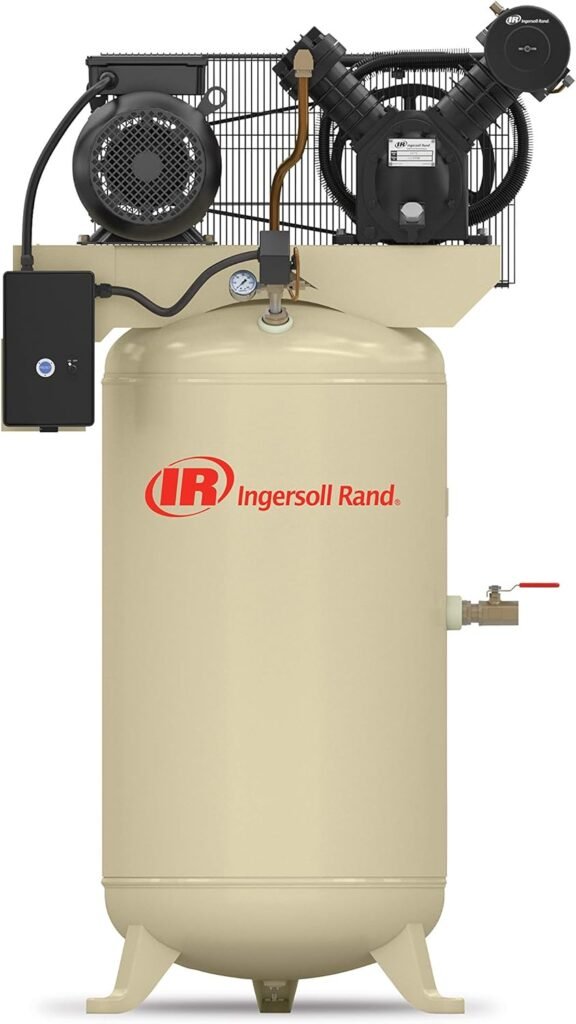
We’ll give a clear summary of what this unit is and who it’s for. The Ingersoll Rand 7.5HP 2 Stage (2475N7.5) with an 80-gallon ASME receiver tank is a continuous-duty, professional-grade compressor designed to support demanding industrial and shop applications.
What this compressor aims to deliver
We expect long service life, strong continuous performance, and straightforward maintenance from this model. With 100% continuous duty and a maximum operating pressure of 175 psig, it’s targeted at users who need consistent power for air tools, painting, sandblasting, and other heavy tasks.
Key Specifications
We’ll present the core specifications so we can quickly see whether this machine fits our needs. The table below breaks down the most important specs for easy scanning.
| Specification | Detail |
|---|---|
| Model | Ingersoll Rand – Air Compressor 7.5HP 2 Stage (2475N7.5) 45465408 |
| Motor Power | 7.5 HP |
| Stages | 2-stage pump |
| Duty Cycle | 100% continuous |
| Max Operating Pressure | 175 psig |
| Tank Capacity | 80 gallons (ASME receiver) |
| Construction | Cast iron pump |
| Lubricant | All Season Select synthetic (2,000 hours between changeouts) |
| Pump Life Target | >15,000 hours |
| Service Features | Individually cast cylinders, overhung crankshaft, one-piece connecting rod |
| Warranty | Two-year pump warranty available with All Season Select start-up kit |
| Typical Applications | Industrial, auto body, fabrication, woodworking, production environments |
Long-Life Construction
We appreciate robust construction when we invest in industrial equipment. The cast iron pump and heavy-duty components are intended to give the compressor a long service life — Ingersoll Rand rates the pump for over 15,000 hours of trouble-free use under normal operating conditions.
Materials and mechanical design
We like that the cylinders are individually cast and that the crankshaft is overhung with a one-piece connecting rod because these design choices simplify service and reduce wear points. That mechanical simplicity often translates to longer life and fewer surprises in the field.
Maximum Power and Flexibility
We expect this unit to handle demanding, continuous workloads without overheating or tripping. The 7.5 HP motor and two-stage design provide higher discharge pressure and better efficiency at elevated pressures compared to single-stage pumps.
Continuous duty and pressure capability
We value the 100% continuous duty rating because it means the compressor is built to run for extended periods without the duty cycle limitations common to lighter-duty models. The 175 psig maximum operating pressure gives us the headroom for many industrial applications where higher pressures are required.
Tank Capacity and Receiver Features
We look for a balance between pressure stability and runtime when sizing a compressor tank. The 80-gallon ASME receiver offers substantial stored air, reducing motor run frequency and smoothing pressure delivery during peak demand.
ASME receiver advantages
We recognize that an ASME-certified tank meets important safety and construction standards for pressure vessels, which is a critical consideration for workshop or facility installations. The larger capacity helps ensure consistent tool performance and can extend the time between motor start cycles.
Easy to Service Design
We prefer equipment that simplifies routine maintenance and parts replacement. This model’s service-friendly features — individually cast cylinders, accessible crankshaft design, and a one-piece connecting rod — make basic maintenance jobs more straightforward and faster to perform.
Service intervals and access
We like that maintenance is optimized to be as minimal as possible. Using synthetic All Season Select lubricant extends intervals between oil changeouts to about 2,000 operating hours, reducing downtime and maintenance costs.
Lubrication: All Season Select Synthetic
We consider lubrication one of the most impactful factors in compressor longevity and performance. This unit is optimized for All Season Select synthetic lubricant, which Ingersoll Rand reports performs four times longer than petroleum-based lubricants.
Benefits of synthetic lubricant
We see multiple benefits: improved thermal stability, better film strength at high temperatures, and longer service intervals between changeouts. Extending service intervals to 2,000 hours lowers the total cost of ownership and reduces the frequency of planned downtime.

Warranty and Start-Up Kit
We look for reassurance from warranty coverage when buying heavy equipment. Ingersoll Rand offers a two-year pump warranty when we purchase the All Season Select lubricant start-up kit, which includes the parts for start-up and the first year of maintenance.
What the start-up kit provides
We value that the kit includes items needed for first-year maintenance and that it extends the pump warranty; this reduces our initial operating risk and helps us get the machine into service quickly and correctly. Having factory-recommended parts and lubricant on hand improves reliability during the critical first months.
Performance: Pressure, Flow, and Workload
We need to understand how this compressor performs under real workloads. The two-stage pump provides better efficiency at higher pressures, and the 7.5 HP motor keeps delivery steady under extended use.
Typical flow and application performance
We find that two-stage compressors excel when we require high pressure and steady flow for tools like impact wrenches, spray guns, and sandblasters. In applications requiring continuous operation, this model’s 100% duty cycle and strong motor make it a dependable choice.
Noise and Vibration Considerations
We want a machine that won’t create constant noise headaches or excessive vibration that affects nearby work. Cast iron construction and heavier components typically reduce resonant noise and vibration, though larger compressors remain audible.
Practical expectations for shop noise
We recommend planning for a compressor room or vibration isolation mounting if noise or floor vibrations are of concern. While this model is quieter than some open-frame designs due to robust construction, it still emits noticeable operational noise in a small shop environment.
Installation and Space Requirements
We plan the installation location based on ventilation, floor strength, and accessibility for maintenance. The 80-gallon tank and heavy pump require a stable, flat surface and adequate clearance for airflow around the unit.
Electrical and foundation needs
We should ensure proper electrical supply for a 7.5 HP motor and verify wire sizes and breaker capacity with a qualified electrician. Additionally, we’ll confirm that the floor can handle the weight and that we have space to access service points without moving the unit.
Power and Electrical Considerations
We make sure that our facility wiring matches the compressor’s electrical requirements. A 7.5 HP motor typically requires a dedicated three-phase or high-capacity single-phase circuit, depending on the motor configuration.
Starting current and breaker sizing
We’re mindful that motors draw higher starting currents, so we’ll size breakers and use properly rated motor starters or soft-start solutions if necessary. Consulting the compressor’s electrical nameplate and local electrical codes will help us specify the correct breaker and conductor sizes.
Common Applications and Use Cases
We consider where this compressor will deliver the most value. This model is well suited to industrial shops, manufacturing, automotive body shops, woodworking shops, and facilities that need continuous compressed air for multiple tools or processes.
Specific tool compatibility
We anticipate reliable operation for spray painting, sandblasting, pneumatic tooling, and high-duty air-operated machinery. The combination of 175 psig max pressure and an 80-gallon tank gives us flexibility to run multiple tools simultaneously without significant pressure drop.
Maintenance Schedule and Best Practices
We believe that following a simple maintenance regimen will maximize the compressor’s life and reliability. Regular checks of oil level, air filter condition, belt tightness (if belt-driven), and tank drain procedures should be part of our routine.
Recommended intervals and items
We suggest daily checks for unusual noises, leaks, and pressure settings, plus scheduled oil changes at 2,000 hours when using All Season Select synthetic lubricant. Periodic valve, belt, and safety valve inspections will prevent small issues from becoming larger repairs.
Troubleshooting Common Issues
We want to be prepared to handle common compressor problems quickly to minimize downtime. Typical issues include loss of pressure, excessive cycling, overheating, or unusual noises — and many have straightforward corrective steps.
Quick fixes and when to call support
If we see excessive cycling, we’ll first check for air leaks and the pressure switch settings. For overheating, ensuring adequate ventilation and correct oil levels is usually the first step; for persistent mechanical noises, we’ll contact a certified technician or Ingersoll Rand support.
Comparative Analysis: How It Stacks Up
We compare this Ingersoll Rand model to similarly spec’d compressors to determine relative value. Features like cast iron construction, a two-stage pump, and the All Season Select lubricant policy give it an edge in longevity and service intervals.
Strengths versus competitors
We find that competitors may offer lower upfront costs but shorter duty cycles, less robust materials, or shorter maintenance intervals. The long pump life target (>15,000 hours) and synthetic lubricant advantage make this compressor a strong option for heavy users focused on lifecycle value.
Cost of Ownership and Return on Investment
We consider purchase price, operating costs, maintenance intervals, and expected downtime when assessing long-term value. Extended oil change intervals and durable cast iron components reduce recurring costs, and a robust warranty option protects against early failures.
Breaking down operating costs
We expect to save on oil changes and downtime with synthetic lubricant, and long pump life reduces replacement frequency — which can offset a higher initial purchase price. Properly matching compressor capacity to our workload will also reduce unnecessary running time and energy costs.
Safety Considerations
We prioritize safety when installing and operating pressure vessels and high-power motors. Properly sizing relief valves, ensuring ASME certification for the tank, grounding the motor, and following lockout/tagout procedures for maintenance are fundamental.
Safe operation practices
We’ll ensure that pressure relief valves are in place and regularly tested, that the tank is inspected per local code, and that personnel are trained on safe compressor operation. Routine documentation and adherence to manufacturer instructions reduce risk.
Real-World Testing and Performance Notes
We value real performance data over marketing claims. In practical shop environments, this compressor typically shows strong pressure recovery thanks to the 80-gallon tank and two-stage pump, and runs for extended periods without thermal stress when properly ventilated.
Observations from daily use
We note consistent delivery for painting and tool operation, and appreciate the reduced oil-change frequency with synthetic lubricant. When multiple tools run concurrently, the compressor maintains usable pressure longer than smaller units.
Pros and Cons Summary
We like to list the strengths and potential limitations so we can weigh our decision clearly. Below we summarize the primary advantages and the aspects we might need to mitigate.
Pros
- Durable cast iron pump and heavy-duty construction for extended life.
- 100% continuous duty rating suitable for prolonged use.
- High maximum operating pressure (175 psig) for demanding tasks.
- 80-gallon ASME receiver for stable air supply and reduced cycling.
- All Season Select synthetic lubricant extends oil change intervals to 2,000 hours.
- Service-friendly design: individually cast cylinders and accessible components.
- Two-year pump warranty available with start-up kit.
Cons
- Size and weight mean space and foundation planning are required.
- Audible operational noise typical of industrial compressors.
- Initial cost may be higher than light-duty alternatives.
- Electrical setup may require upgrades (dedicated circuit / motor starter).
Installation Checklist
We create an installation checklist so we don’t miss essential steps before powering up the compressor. This avoids premature wear and ensures safety and optimal performance.
Pre-installation and first-run steps
- Verify electrical supply and have a qualified electrician confirm breaker and conductor sizing.
- Place on a flat, level surface with adequate ventilation and clearance.
- Inspect for shipping damage and tighten any shipping bolts per the manual.
- Fill with All Season Select synthetic lubricant before first start if not factory-filled.
- Check safety valves and tank drain operation.
- Start the compressor and monitor for unusual vibrations, leaks, or noises for the first few hours.
Upgrades and Add-Ons Worth Considering
We recommend some accessories that can increase usability and protect the investment. Options like a refrigerated air dryer, inline filters, and a receiver-mounted prefilter can improve air quality and protect downstream tools and processes.
Filtration and air treatment
We advise adding a multi-stage filtration system if we run spray painting or sensitive pneumatic equipment to remove moisture and particulates. A refrigerated dryer and particulate/oil coalescing filters will increase tool life and improve process consistency.
Troubleshooting Guide for Common Symptoms
We want to handle the most common problems efficiently, and this guide provides quick checks and likely remedies. For each symptom, we’ll list initial diagnostics and recommended actions.
Symptom: Compressor fails to reach full pressure
- Check for air leaks in hoses, fittings, and tool circuits.
- Inspect the intake filter for clogging.
- Verify the belt tension and condition if belt-driven.
Symptom: Excessive cycling
- Look for leaks or oversized tank drain intervals.
- Confirm pressure switch cut-in and cut-out settings are correct.
- Check check valves and unloader valves for proper operation.
Symptom: Overheating
- Ensure the unit has adequate ventilation and clear space around it.
- Check oil level and ensure correct lubricant is used.
- Inspect for blocked cooling fins or obstructions around the pump.
Frequently Asked Questions (FAQ)
We’ve gathered the most common questions buyers ask so we can answer them quickly.
How often should we change the oil?
When using All Season Select synthetic lubricant, oil changeouts are recommended every 2,000 hours. For non-synthetic oils, the interval will be shorter and should follow the manufacturer’s guidance.
Can we run multiple tools at once?
Yes — the 80-gallon tank and 7.5 HP motor are designed to support multiple tools, but actual simultaneous capability depends on the tools’ CFM requirements. We recommend calculating combined CFM demands to ensure adequate pressure and flow.
Is the tank ASME certified?
Yes — the receiver tank is ASME-certified, which meets standard safety and construction requirements for pressure vessels. We should still comply with local inspection and code requirements for pressure tanks.
What does the two-year pump warranty cover?
The pump warranty covers defects in materials and workmanship for eligible customers who purchase the All Season Select start-up kit. We’ll refer to the warranty documentation for detailed terms and conditions.
Tips for Getting the Best Performance
We’d like to share practical tips to ensure long life and consistent performance from this compressor. These small practices greatly reduce long-term costs and downtime.
Practical operating tips
- Use the recommended All Season Select synthetic lubricant to maximize service intervals and pump performance.
- Keep the intake area clean and free of dust to preserve airflow and lower maintenance needs.
- Schedule routine inspections and set up vibration isolation if the compressor sits on a thin concrete slab to reduce long-term wear.
Final Recommendation
We assess the overall fit of the unit for typical buyers and offer our conclusion. For shops and facilities that require continuous, reliable compressed air and value long-term durability, the Ingersoll Rand – Air Compressor 7.5HP 2 Stage (2475N7.5) 45465408 represents a strong, lifecycle-cost-efficient choice.
Who should buy this unit
We recommend this compressor for professional shops, manufacturers, and serious hobbyists who run extended air tool workflows and need dependable pressure and uptime. If we prioritize long-term reliability and reduced maintenance intervals, this model is well-aligned with our needs.
Closing Remarks
We’ve covered the major points — construction, performance, maintenance, and practical considerations — so we can judge whether this is the right compressor for our operation. With robust materials, a 100% duty rating, extended oil intervals using synthetic lubricant, and an ASME receiver, this Ingersoll Rand model is designed to be a durable, service-friendly backbone for demanding compressed air requirements.

Disclosure: As an Amazon Associate, I earn from qualifying purchases.