Have we ever wished our air compressor felt more like a dependable shop partner and less like a noisy, frustrating machine we just put up with?
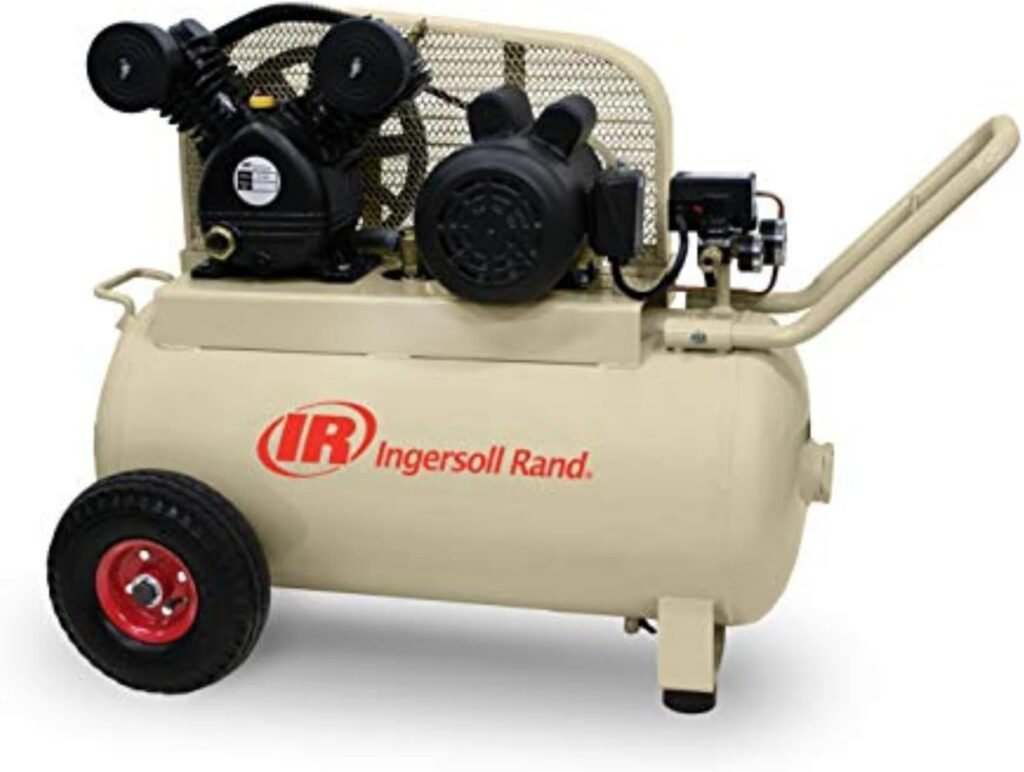

Overall Impression of the Ingersoll Rand 47708908001 P1.5IU-A9-H Garagemate
We see the Ingersoll Rand 47708908001 P1.5IU-A9-H Garagemate 20 Gallon Horizontal Air Compressor as a serious step up from the typical big-box store compressor. It is clearly built with both demanding DIY users and light professional use in mind, giving us a blend of mobility, durability, and quieter operation that stands out in this size range.
This unit is not the cheapest 20-gallon compressor we can buy, and it is not trying to be. Instead, it focuses on long life, reliability, and user comfort. If we want a compressor we can rely on for years in a garage, small workshop, or jobsite environment, this model sits in a very attractive sweet spot.
Key Features at a Glance
Before going deeper into our experience-style review, it helps to see the main features laid out clearly. We like to think of this Garagemate as a compact, portable version of a shop compressor, rather than a simple consumer tool.
| Feature Category | What It Offers | Why It Matters to Us |
|---|---|---|
| Tank Size | 20-gallon horizontal tank | Good air capacity without being too bulky or hard to move |
| Portability | Heavy-duty ergonomic handle, semi-pneumatic tires | Easier to roll around a garage, driveway, or small jobsite |
| Noise Level | Approximately 80 dBA | Noticeably quieter than many similar compressors, more comfortable for regular use |
| Lubrication | All Season Select synthetic lubricant (2,000 hours between changeouts) | Longer intervals between maintenance and better protection |
| Durability | Cast iron cylinder and frame, enclosed belt guard, manual overload motor protection | Built to handle frequent use over many years |
| Controls | Automatic start/stop pressure switch, easily accessible drain valve | Simple to operate, easier to maintain the tank and prevent moisture issues |
| Intended Users | DIY enthusiasts and professional trades or small shop environments | Versatile enough for home garages yet robust enough for light commercial use |
Looking at this table, we can already see this compressor is aimed at users who care about quality construction and predictable performance. Now we can walk through what all of that means in daily use.
Portability and Design
Portability is where many compressors in this size and performance category start to feel like a chore, but this Garagemate makes movement surprisingly manageable. The design is centered around a horizontal 20-gallon tank, a solid, ergonomic handle, and semi-pneumatic tires.
We appreciate that the handle is not just an afterthought; it actually allows us to keep decent control while rolling the unit over concrete, asphalt, or even slightly uneven shop floors. The semi-pneumatic tires absorb a bit of vibration and make it easier to cross small cracks or gaps.
Horizontal Tank and Balance
The horizontal layout keeps the center of gravity low. We notice this when we tug the compressor across the floor; it does not feel tippy or unstable like some tall vertical units can. This balance matters when we are moving it frequently between different work areas.
The 20-gallon capacity gives us enough reserve air for tasks like impact wrenching, ratcheting, general automotive work, and intermittent spraying without having to constantly wait for the compressor to catch up. In our view, it is a nice midpoint between small portable pancake units and big stationary shop tanks.
Noise Level and User Comfort
Noise is one of those things we notice as soon as we turn on an air compressor. The Garagemate is rated around 80 dBA, which might not sound extremely quiet on paper, but in real use it is significantly more comfortable than many oil-lubricated compressors of similar size.
We would not call it whisper-quieter than small “ultra-quiet” consumer units, but for a cast iron, belt-driven air compressor, 80 dBA is very reasonable. That means we can actually carry on a brief conversation nearby without yelling, and we can comfortably work in the same area for a longer period.
Why 80 dBA Makes a Difference
Most of us who have spent time in a garage or small shop know how fatiguing constant compressor noise can be. Even if we always wear hearing protection, there is still the mental fatigue of a loud, harsh sound that keeps cycling on and off.
With this Ingersoll Rand model, the noise profile feels more “industrial hum” than “harsh whine.” The belt drive and cast-iron pump absorb some of the sharpness, so the sound is more muted. That helps us stay focused on the actual work and feel less worn down at the end of a long session.

Performance and Power for Real-World Tasks
While the detailed CFM and horsepower ratings are not in the text we have, it is clear from the design and brand reputation that this is intended as a serious air source for tools, not just for topping off tires. We would position it in the range where we can comfortably run:
- Impact wrenches for automotive work
- Ratchets and air hammers for general mechanical tasks
- Nailers and staplers for carpentry and framing
- Blow guns for cleanup and drying
- Light to moderate spray painting (with attention to CFM demands of specific guns)
We find that where cheap, smaller compressors often cycle constantly or struggle to maintain pressure for tools like impact wrenches, the 20-gallon Garagemate holds its own much better. The automatic start/stop pressure switch ensures the compressor kicks on when needed, so we do not end up babysitting the pressure gauge.
Automatic Start/Stop Pressure Switch
The automatic start/stop pressure switch is one of those features we might not think much about at first, but it makes operation almost effortless. We simply set our regulator for the desired pressure, and the compressor takes care of cycling itself. We do not have to flip it on and off every few minutes or worry that it will over-pressurize.
This is especially helpful when we are in the middle of a job and our hands are busy. The compressor just does its thing in the background, ensuring the tank pressure stays within its set limits.
Build Quality and Materials
This air compressor is built with cast iron for the cylinder and frame, and that shows up in both its weight and its sense of solidity. We can feel that it is not a light-duty stamped metal shell; it has the heft and structure of a machine built for repeated, heavy use.
We also see thoughtful touches like a protective enclosed belt guard and manual overload motor protection. These are not cosmetic features; they contribute directly to safety and longevity.
Cast Iron Cylinder and Frame
Cast iron is more expensive and heavier than aluminum, but it has long been the material of choice for durable compressors. It tolerates heat well, expands slowly with temperature changes, and handles repeated cycles under pressure without deforming.
In our daily use, this translates to:
- More stable operating temperatures
- Reduced wear on internal surfaces
- Longer pump life before we even need to think about rebuilds
When we pair that with Ingersoll Rand’s track record, we are confident we are not buying a “disposable” compressor. We are investing in a piece of equipment meant to last.
Enclosed Belt Guard
The enclosed belt guard does more than just look neat and finished. It shields the moving belt and pulley from accidental contact, stray objects, or clothing. This is an essential safety feature, particularly in busy multi-user environments or shops where others may pass near the compressor while it is running.
We also like that the guard helps keep dust and debris somewhat away from the belt area, which can contribute to cleaner operation and less wear over time.
Manual Overload Motor Protection
The manual overload protection is like a built-in safeguard against pushing the motor beyond its comfort zone. If we run the compressor extremely hard, or if ventilation is poor, the motor may heat up and trigger this protection. Instead of burning out, it shuts down, letting us address the issue before damage occurs.
We see this as a sign that Ingersoll Rand assumes the compressor could be used in demanding conditions and has built in a defensive layer for those situations.
Lubrication System and Maintenance
One of the stand-out features in the product description is the use of All Season Select synthetic lubricant, which is paired with an impressive claim: 2,000 hours of service between changeouts, and performance four times longer than petroleum-based lubricants.
For us, this is a major value-add. Oil-lubricated compressors are often more durable and run cooler, but they also require consistent maintenance. Extending oil change intervals without sacrificing protection means less downtime and fewer interruptions.
All Season Select Synthetic Lubricant
This synthetic lubricant is designed to handle:
- Wide temperature ranges (ideal for garages that get hot in summer and cold in winter)
- High-load, continuous-use scenarios
- Internal wear reduction over the long term
When we think about the cumulative hours many of us put on a compressor over the years, having a lubricant that stays stable and protective for up to 2,000 hours before replacement is a serious advantage. That is many workdays of use before we need to schedule an oil change.
Long-Term Cost and Convenience
While synthetic lubricants may cost more upfront, the extended intervals can actually save money and time in the long run. We change the oil less often, use fewer consumables, and spend more time actually using the compressor instead of maintaining it.
For DIY users, this means we can often go years before an oil change, depending on usage. For light professional use, it means we can plan maintenance intervals more like we do for other shop equipment, rather than constantly thinking about oil every few months.
Tank Drain Valve and Moisture Management
Compressed air always carries moisture, and that moisture condenses inside the tank. Over time, it can cause rust, contamination, and reduced tank life if not properly managed. That is why we are glad this Garagemate includes an easily accessible drain valve.
We know from experience that many users neglect tank draining simply because the valve is hard to reach or awkward to operate. When the design makes it simple, we are far more likely to stick to a healthy routine.
Why a Good Drain Valve Matters
By making the drain valve easy to reach and operate, the compressor encourages proper maintenance. We can quickly open the valve at the end of a work session and let out accumulated water without having to wrestle with tools, tip the tank, or crawl underneath.
This small feature contributes to:
- Longer tank life due to reduced corrosion
- Cleaner air supply (fewer water droplets in our lines)
- Better performance if we are running tools sensitive to moisture
Good air hygiene starts with tank draining, and this compressor lowers the barrier to doing it right.
Ease of Use and Controls
In addition to the automatic start/stop pressure switch and accessible drain valve, the overall control layout is user friendly. We do not have to guess where things are or fumble around just to get it running.
Our typical workflow with this unit feels straightforward:
- Roll the compressor to where we need it using the handle and wheels.
- Confirm power, connect the air hose and tool.
- Power it on and let the tank build pressure automatically.
- Adjust the regulator to our desired working pressure.
- Work as needed; the compressor cycles on and off automatically.
- When done, shut it off, bleed the line, and open the tank drain.
User-Friendly Design Touches
The combination of:
- Clear controls
- Automatic pressure management
- Reasonable noise levels
- Easy draining
creates an experience that feels closer to using a “shop-grade tool” rather than wrestling with a temperamental machine. We come to trust it as a reliable partner, not a constant source of frustration.
Durability and Long-Term Ownership
One of the main reasons we look at Ingersoll Rand for air compressors is longevity. With the cast iron construction, synthetic lubricant, overload protection, and enclosed belt drive, this Garagemate is intentionally positioned as a long-term tool.
We see this reflected in:
- Better materials instead of thin, lightweight shortcuts
- Designed-in protection for critical components
- Long service intervals that indicate confidence in internal engineering
If we are planning to keep a compressor in our garage or small shop for a decade or more, these traits matter far more than shaving a few dollars off the purchase price.
Who Benefits Most from This Kind of Durability
Users who get the most value from this compressor tend to fall into a few categories:
- Enthusiast DIY mechanics who regularly work on cars, motorcycles, or equipment.
- Small shops and tradespeople who need reliable air for tools but do not require a massive, stationary system.
- Serious hobbyists in woodworking, metalworking, or fabrication who appreciate quality equipment.
If we only use a compressor once every few months to inflate an occasional tire, this unit may be more machine than we really need. But if we expect frequent use and care about a machine that will stay with us for years, it makes a lot of sense.
Pros and Cons Summary
To make decision-making easier, we find it helpful to step back and summarize the main strengths and potential drawbacks. No tool is perfect for every situation, and this compressor is no exception.
Advantages
- Robust Construction: Cast iron cylinder and frame suggest serious longevity.
- Quieter Operation for Its Class: About 80 dBA, which is quite manageable compared to many alternatives.
- Improved Mobility: Semi-pneumatic tires and a heavy-duty ergonomic handle make moving it realistic, even across less-than-perfect surfaces.
- Excellent Lubricant System: All Season Select synthetic oil with 2,000-hour intervals sets it apart from many competitors.
- Safety and Protection: Enclosed belt guard and manual overload motor protection show that reliability and safety were priorities.
- User-Friendly Maintenance: Accessible drain valve and simple automatic pressure control make upkeep easier.
Potential Drawbacks
- Higher Price Point: As a premium-quality machine, it generally costs more than light-duty consumer compressors.
- Heavier than “portable” consumer units: Cast iron and robust components add weight, so it is portable but not “lightweight.”
- Overkill for Very Occasional Users: If we only need air a few times a year for extremely light tasks, we may not fully leverage its strengths.
We see these trade-offs as consistent with a tool that prioritizes professional-grade durability and performance over absolute budget pricing or ultra-light convenience.
Use Cases: Where This Compressor Shines
To decide whether this model fits our needs, it helps to think about the specific jobs we expect to tackle. The Ingersoll Rand 47708908001 P1.5IU-A9-H Garagemate 20 Gallon Horizontal Air Compressor shines in several typical scenarios.
Automotive and Mechanical Work
For those of us who like to work on cars, trucks, or other vehicles, this compressor supports:
- Impact wrenches for lug nuts and suspension components
- Ratchets for engine and body work
- Air hammers for stubborn fasteners and rusty parts
- Blow guns to clean out engine bays or undercarriages
The 20-gallon capacity and belt-driven cast iron pump provide a solid air supply for these intermittent, often high-demand tasks. We are not stuck waiting forever for the tank to refill after every use.
Carpentry, Construction, and Home Improvement
In a remodeling or carpentry context, we can use this compressor for:
- Framing nailers
- Finish nailers and brad nailers
- Staple guns
- General air cleanup
The mobility of the horizontal tank and wheels makes it realistic to roll it between rooms, or from garage to driveway to backyard project sites. Knowing that we can use it day after day without worrying about burning it out is a real plus for small contractors or serious DIY renovators.
Hobby and Craft Applications
For hobbyists who need compressed air, we might use this Garagemate for:
- Light spray painting or finishing work (with appropriate tools and filtration)
- Airbrushes (with regulators and moisture control)
- Cleaning and maintaining workshop tools
- Small pneumatic tools for metal or wood projects
While we always need to match the compressor’s CFM rating to the specific tools we use, the general construction of the Garagemate tells us it is well suited for moderate-duty continuous use, not just quick bursts.
Comparing to Other Types of Compressors
To understand what makes this compressor distinctive, it helps to compare it with a few common alternatives we often see in garages and small shops.
Versus Small Pancake or Hot-Dog Compressors
Small, low-cost pancake or hot-dog compressors usually offer:
- Much smaller tank sizes (often 3–6 gallons)
- Direct-drive, oil-free pumps
- Very light, carry-handle portability
Those can be great for:
- Occasional tire inflation
- Small brad nailer tasks
- Very light workshop use
But when we start needing more air for tools like impact wrenches or for longer sessions, they fall short quickly. The Garagemate’s 20-gallon tank, oil-lubricated pump, and heavier-duty construction position it several steps above those entry-level units in terms of capability and durability.
Versus Large Stationary Compressors
On the other end of the spectrum, big stationary compressors often feature:
- 60–80 gallon vertical tanks
- Higher horsepower motors
- Significant installation requirements
They provide massive air capacity but are absolutely not portable. The Garagemate sits in the middle: large enough to run meaningful tools, yet mobile enough to roll around a shop or jobsite and plug into standard power where appropriate.
If we do not have the space, power infrastructure, or budget for a full stationary system, this Ingersoll Rand model offers many of the same quality cues in a more accessible package.
Practical Tips for Getting the Most from This Compressor
Owning a quality compressor like the Ingersoll Rand 47708908001 P1.5IU-A9-H Garagemate 20 Gallon Horizontal Air Compressor is only part of the story; how we use and care for it will influence how long it serves us and how happy we are with it.
Setup and Placement
We want to:
- Place the compressor on a level, solid surface to ensure stability.
- Provide good ventilation around the motor and pump to help with cooling.
- Avoid very dusty or extremely damp environments when possible.
A well-ventilated corner of a garage or shop usually works best. If noise is a concern, we can position it a bit farther from our main workbench or partially shield it with a sound-absorbing barrier, while still keeping airflow.
Maintenance Habits
Even with synthetic oil and long intervals, basic habits still help:
- Periodically check oil level and condition according to the manual.
- Drain the tank regularly to prevent moisture buildup and rust.
- Inspect hoses, fittings, and the belt area for wear or leaks.
- Keep an eye on the air filter (if present) to ensure adequate intake airflow.
These small habits extend the already substantial life expectancy of a compressor like this.
Matching Tools to Compressor Capacity
We should always check the CFM requirements of our air tools and compare them with the compressor’s output specs (usually given at 90 PSI and sometimes at 40 PSI in the manual or product listing). As long as we match or stay within those limits and understand that very high-demand tools may require more recovery time, we will have a smooth experience.
Who This Compressor Is Best Suited For
To sum up the user profile clearly, we see this compressor as best for:
- Users who want a reliable, long-term investment, not a disposable tool.
- People who do regular mechanical, construction, or hobby work that genuinely needs compressed air power.
- Small shops or independent tradespeople who want professional-grade equipment without stepping up to large stationary systems.
- Enthusiast DIYers who are ready to move past the limitations of small, noisy, consumer-level compressors.
If we find ourselves fitting any of those descriptions, this Garagemate starts to look very compelling.
On the other hand, if our use is limited to rare, low-intensity tasks, we might be better served by something smaller and less expensive. This model earns its keep through repeated, sustained use over years.
Final Thoughts on the Ingersoll Rand 47708908001 P1.5IU-A9-H Garagemate
When we consider everything—build quality, noise level, lubrication system, safety, and user-friendly design—the Ingersoll Rand 47708908001 P1.5IU-A9-H Garagemate 20 Gallon Horizontal Air Compressor stands out as a serious, long-term solution for garages and small shops.
We especially appreciate:
- The quiet-for-its-class 80 dBA operation
- The cast iron cylinder and frame that promise many years of reliability
- The All Season Select synthetic lubricant with long service intervals
- The thoughtful touches like the ergonomic handle, semi-pneumatic tires, drain valve, and protective guards
In our view, this compressor is less about short-term bargains and more about owning a dependable, professional-grade machine we will trust for a long time. If we value durability, steady performance, and comfort during use, the Garagemate makes a very strong case to be our compressor of choice.

Disclosure: As an Amazon Associate, I earn from qualifying purchases.