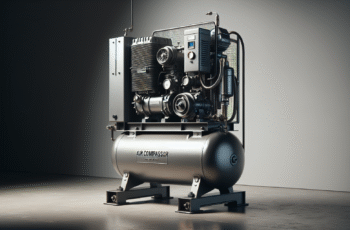
Are we ready to see whether the EMAX E350 Stationary Air Compressor – 7.5hp 80 Gal. 2 Stage Single Phase Industrial Compressor with Pressure Lubricated Pump & Whisper Quiet System – ES07V080V1 will fit our shop’s needs?

Overview
We find that the EMAX E350 is marketed as a robust industrial compressor built for continuous or heavy intermittent use. It pairs a 7.5hp motor and a two-stage pump with a large 80-gallon tank and noise-reduction features that make it feel more like workshop equipment than a loud factory machine.
We want to be clear: this is a single-phase, belt-driven compressor designed for industrial applications where steadier airflow and longevity matter. The lineup emphasizes quieter operation, precise lubrication, improved filtration, and the flexibility to tune pump speed through pulley changes.
Key Specifications
We like to lay out the headline numbers so we can quickly see whether the unit matches the tools and processes we run.
| Specification | Value | Notes |
|---|---|---|
| Model | EMAX E350 Stationary Air Compressor – ES07V080V1 | Full product name |
| Motor Power | 7.5 hp | Industrial-grade motor for demanding use |
| Air Delivery | 31 CFM | Measured at a specified pressure (manufacturer rating) |
| Tank Capacity | 80 gallons | Large reserve for sustained demand |
| Electrical | Single phase | Confirm local voltage (typically 230V single-phase for this class) |
| Pump Type | 2-stage, pressure lubricated | Two-stage pump for higher pressure efficiency |
| Drive | Belt-driven (V-belt) | Allows pump speed adjustment via pulley change |
| Noise Reduction | Whisper Quiet / Silent Air Technology | Advertised up to 50% noise reduction; conversation-level operation |
| Filtration | Low-profile, 4 levels | Multi-stage air filtration for cleaner air |
| Application | Industrial / heavy-duty | Automotive, fabrication, spray booths, etc. |
| Maintenance | Pressure lubrication; accessible filters | Designed for longer service intervals with proper care |
We recommend verifying the exact voltage for the unit as sold in our region, and checking the manual for precise CFM ratings at specific pressures (e.g., 90 psi vs 100 psi) before sizing the compressor for particular tools.
Performance
We expect the 7.5hp motor paired with a two-stage pump to deliver steady, usable airflow for demanding tasks. The 31 CFM output places this compressor in a class suitable for medium-to-heavy industrial work, and the 80-gallon tank helps smooth demand spikes so tools see consistent pressure.
In practical terms, a 31 CFM rating means we can run multiple mid-to-high-demand pneumatic tools in parallel or keep high-draw tools running without frequent motor cycling. For example, we can run finish spray guns, medium-sized sanders, and grinders more comfortably than with a smaller single-stage compressor. The two-stage pump improves efficiency at higher pressures, so if we need 100+ psi for certain applications, this design helps maintain that pressure with less stress.
Noise and Comfort
We appreciate that EMAX emphasizes Silent Air Technology, advertising up to a 50% reduction in noise compared to conventional compressors. This aims to bring operation down to roughly conversation-level sound, which improves worker comfort and reduces reliance on hearing protection in nearby areas.
In practice, we’ll still want to place the compressor in a well-ventilated mechanical area or a sound-mitigated room if absolute quiet is critical. Reducing noise at the source makes the workspace more pleasant and can reduce fatigue on long jobs, and the reduced acoustic footprint often helps compliance with workplace noise policies.
Lubrication and Longevity
We like the advanced pressure lubrication system because it actively delivers oil to critical moving parts, which helps reduce wear and stabilize temperatures during long runs. This approach generally extends pump life and reduces the frequency of serviceable interventions compared with splash-lubricated or poorly designed oiling systems.
From our maintenance standpoint, this means oil levels and oil quality are still something we monitor, but proper pressure lubrication also improves oil recycling and decreases the chance of premature bearing or ring wear. When we follow recommended oil-change intervals and use the specified lubricant, the unit should deliver many reliable service hours.
Filtration System
We value the low-profile filtration with four stages because contaminants are the enemy of pneumatic tools and finishing work. The multi-level filtration reduces particulates, oil aerosols, and moisture that can otherwise cause tool wear, poor paint finishes, and blocked lines.
For applications like painting or sensitive instrument work, cleaner compressed air directly improves outcomes. We also find that a robust filtration system reduces downstream maintenance on fittings, regulators, and tool air motors, saving time and expense over the long term.
Drive System and Customization
We enjoy the belt-driven flexibility: using a V-belt and pulley system means we can tune pump speed by changing pulley sizes if we want to optimize for flow or longevity. Increasing pump speed can raise output for peak demand, while reducing pump speed can extend pump life and lower operating noise.
Practically, this gives us options if our workflow changes—if we add machinery or move to different processes, we can reconfigure the drive ratios rather than replacing the entire unit. We do emphasize following manufacturer guidance when changing pulleys and balancing belt tension to avoid premature belt wear or alignment issues.
Installation and Setup
We recommend planning installation with attention to electrical supply, airflow routing, and vibration isolation. Because this is a single-phase industrial compressor, we should confirm the voltage available in our facility; many shops use a 230V single-phase supply for similar units, but local variants exist.
We place the compressor on a level floor with proper anchoring or anti-vibration pads to reduce movement and noise transmission. We also ensure clearance around the unit for ventilation and servicing—filters, belts, and oil access points need to be reachable without disassembly. For the electrical hookup, we prefer to involve a licensed electrician to assure correct wiring, breaker sizing, and compliance with local codes.
Maintenance and Serviceability
We expect routine checks to include daily drain of condensate, weekly inspection of belts and filters, and periodic oil changes per the manual. Pressure-lubricated pumps reduce some maintenance burden, but we still commit to following the service schedule to maximize life and reliability.
We also recommend keeping a small kit of spare parts on-hand: belts, a replacement filter cartridge, oil, and a basic set of seals. Doing scheduled maintenance and addressing small issues early avoids costly downtime and helps sustain the advertised performance levels.
Applications and Use Cases
We find that the 31 CFM at 7.5hp and the 80-gallon tank make this compressor a solid fit for automotive shops, fabrication shops, medium spray booths, and any shop that runs multiple pneumatic tools simultaneously. It suits shops that need continuous airflow for sanding, grinding, stapling, or finishing tasks.
For paint booths and other applications where air cleanliness matters, the four-stage filtration helps deliver better finishes. Woodworking shops that operate sanders and nailers in parallel will also benefit from the larger tank and stable pressure.
Tool Compatibility and Matching Air Demand
We like to match the compressor’s 31 CFM output to common tool requirements so we know what to expect under real workloads. Below we summarize typical tool needs and how they pair with this compressor.
- Paint Sprayer (HVLP) — 10–20 CFM: We can run one high-demand sprayer continuously, or two light sprayers intermittently, depending on gun type and PSI.
- Sanders (orbital/strip) — 6–10 CFM each: We can often run multiple sanders in parallel for short periods, using the tank buffer to cover spikes.
- Impact Wrenches — 4–10 CFM intermittently: Several impact tools can work concurrently, but continuous high-load use may increase cycling.
- Die Grinders/Grinders — 6–12 CFM: These tools are manageable, but running multiple grinders long-term will push the compressor to cycle more.
- Air Ratchets and Nailers — 2–6 CFM: Low demand, easy to support in parallel.
We should remember that rated CFM is often measured at a specific pressure (e.g., 90 psi). To size correctly, we check tool ratings and account for pressure drop in lines and fittings.
Pros and Cons
We like to weigh strengths and trade-offs so we can make an informed choice.
Pros:
- We get a strong 7.5hp motor and a two-stage pump delivering 31 CFM for industrial use.
- Noise reduction reduces acoustic strain in our workspace.
- Pressure lubrication improves longevity and lowers some maintenance requirements.
- Four-stage filtration produces cleaner air for paint and precision tasks.
- Belt-driven system lets us tune pump speed via pulley changes.
Cons:
- Single-phase power of this size may require verifying or upgrading facility electrical supply.
- Belt systems require periodic tensioning and alignment checks.
- The unit can be large and heavy, requiring careful placement and potentially professional installation.
Performance in Continuous Use
We consider that, for continuous or frequent heavy cycles, the two-stage design and pressure lubrication are significant advantages. They help the pump work more efficiently at higher pressures and manage heat better than single-stage pumps.
In environments where we run extended sanding or spray sessions, the large 80-gallon tank helps reduce motor cycling. However, for absolutely maxed-out continuous flow above 31 CFM, multiple units or a larger compressor would be necessary. For most medium industrial uses, this compressor strikes a balance between sustained flow and reasonable duty management.
Noise Mitigation Strategies
Even with Whisper Quiet features, we like to add simple strategies to reduce transmitted noise:
- Place the compressor on vibration isolators or pads to reduce structure-borne noise.
- Use an acoustic cabinet or an anti-noise enclosures if the workplace requires very low noise.
- Position the unit in a mechanical room with ventilation rather than in direct work areas.
- Keep belts and pulleys properly maintained to avoid additional mechanical noise.
These measures complement the unit’s built-in noise reduction and keep our workspace more comfortable.
Safety Considerations
We prioritize safety when installing and running compressors. We take precautions such as pressure relief valve checks, verifying electrical protections, and ensuring proper ventilation so the motor can cool. We also emphasize regular drain of condensate and using appropriate filters and dryers where moisture could damage tools or finished work.
We install the compressor with enough clearance for servicing filters and oil, and we lock out power when performing maintenance. Protective eyewear and hearing protection remain recommended during nearby operation, even with reduced noise levels.
Installation Checklist
We prefer to follow a checklist to avoid surprises during setup. Here are the items we include:
- Confirm electrical service (single-phase voltage and breaker sizing).
- Prepare a level foundation and anti-vibration pads.
- Confirm clearances for ventilation and maintenance access.
- Plan for condensate drainage and safety valve access.
- Install piping and regulators close to the point of use to minimize pressure drop.
- Verify pulley and belt alignment if pump speed changes are made.
Checking these items ensures a smooth first startup and reduces the chance of early issues.
Maintenance Schedule Suggestions
We find that a predictable maintenance cadence helps keep compressors reliable. Our suggested schedule is conservative and aligns with common industrial practice:
- Daily: Drain condensate from tank and air lines; check for leaks.
- Weekly: Inspect belts and pulleys; check oil level and general cleanliness.
- Monthly: Replace or inspect air filters; check safety valve operation.
- Every 3–6 months: Change oil (or follow manufacturer interval); inspect pump and motor mounts.
- Annually: Full service by qualified technician—valve checks, belt replacement as needed, and overall inspection.
We recommend logging maintenance and keeping a small inventory of spare belts and filters.
Troubleshooting Common Issues
When we see problems, we follow a systematic approach:
- Low output or frequent cycling: Check belt tension, air leaks, and tank drain. Verify inlet filters are not clogged.
- Excessive noise or vibration: Inspect belt alignment and tension, motor mounts, and anti-vibration pads.
- Overheating: Check ventilation, oil level, and whether the compressor is undersized for current demand.
- Oil in discharge air: Inspect separator and filters, and ensure proper oil level and correct oil type.
If issues persist, we contact a qualified service technician or EMAX support to avoid further damage.
Comparison with Similar Units
We compare the EMAX E350 mainly with other 7.5hp two-stage compressors and some 5hp options for smaller shops.
- Versus smaller 5hp compressors: We get significantly more CFM and tank capacity, which reduces cycling and supports heavier tool loads. The 5hp units are lighter and may work for light shops, but they can struggle with simultaneous tool use.
- Versus other 7.5hp competitors: The key differentiators tend to be noise control, filtration stages, and lubrication design. EMAX’s Silent Air Technology and four-stage filtration stand out for shops that value quieter, cleaner air.
We recommend matching actual CFM and duty cycle needs rather than only horsepower. In our experience, 31 CFM with 80 gallons is where many small to medium industrial shops find the sweet spot.
Cost of Ownership
We consider initial purchase price, installation, and ongoing maintenance when calculating total cost of ownership. Components that reduce maintenance—pressure lubrication, quality filtration, and accessible service points—reduce long-term costs. Noise reduction can also save on facility modifications and hearing protection programs.
We also account for energy consumption: a 7.5hp motor will draw significant power during runtime, so correcting motor usage and avoiding unnecessary idling (via proper tank sizing and controls) helps manage operating costs.
Accessories and Add-Ons
We recommend certain accessories to get the most from this compressor:
- Proper-rated air dryer or refrigerated dryer if we need dry air for painting or sensitive equipment.
- Additional point-of-use filtration and regulators to tailor pressure and cleanliness per station.
- Vibration isolation mounts or anti-vibration pads to reduce noise and stress on plumbing.
- A pressure switch and tank-mounted gauges if not included, and checked compressed-air piping sized to handle 31 CFM without excessive pressure drop.
Choosing the right accessories helps us tailor the compressor to our workflow and improves efficiency.
Environmental Considerations
We like to consider condensate disposal and emissions of oil aerosols from compressors. Using the multi-stage filtration reduces oil carryover, and a proper condensate management system ensures compliance with local disposal rules. If we run the compressor heavily, we also consider energy-efficiency practices like scheduling and properly sizing piping to minimize wasted compressed air.
Warranty and Support
We advise reviewing the manufacturer warranty and terms before purchase. Warranty terms often cover defects in materials and workmanship but may require registration or adherence to service intervals. We keep records of all maintenance and any service calls to support warranty claims if needed.
We recommend contacting EMAX or authorized dealers for parts availability and recommended service centers, and we retain contact information for quick reference.
When This Compressor Might Not Be Right for Us
We acknowledge that the EMAX E350 may not suit every shop. If we need continuous airflow well above 31 CFM, have limited space, or lack the appropriate single-phase electrical supply, this unit might not match our constraints. Shops that need multi-phase power or extremely high continuous flow would look at larger models or multiple units in parallel.
If our priority is minimal upfront cost and only occasional handheld tool use, a smaller compressor might be more economical.

Final Thoughts and Recommendation
We find that the EMAX E350 Stationary Air Compressor offers a compelling mix of power, quiet operation, and service-focused design. For medium industrial shops needing steady, cleaner air with lower noise, this model checks many important boxes: a robust 7.5hp motor, 31 CFM output, pressure lubrication for pump life, and a four-stage filtration system to protect tooling and finishes.
We recommend this compressor for automotive shops, small fabrication businesses, and woodshops that require reliable, cleaner air and appreciate reduced noise in their workspace. We also advise confirming electrical compatibility and planning for professional installation to make sure the unit runs optimally from day one.
Frequently Asked Questions (FAQ)
We’ve collected common questions and offered concise answers to help decide if this compressor fits our needs.
What does 31 CFM mean for my shop?
We understand that 31 CFM is the flow rating—how much air the compressor supplies at a specified pressure. This typically supports multiple mid-demand tools in parallel and can run one or two high-demand tools continuously depending on tool specs. To be safe, we match tool CFM needs (with safety margin) to this number and account for pressure losses in long pipe runs.
Is the unit really quiet enough for indoor use?
Silent Air Technology claims up to 50% noise reduction and conversation-level operation. In our experience, that means noticeably lower noise than conventional compressors of similar size, but we still recommend placing the compressor in a mechanical area or using anti-vibration measures for best results.
How often do we need to change oil?
Oil-change intervals vary with usage. With pressure lubrication, we generally follow the manufacturer’s schedule—daily checks, periodic oil changes (often every few hundred hours under heavy use). We keep a maintenance log and adjust intervals based on observed conditions.
Can we change pump speed ourselves by swapping pulleys?
Yes, the V-belt-driven system is designed for adjustable pump speeds via pulley changes. We make such modifications following manufacturer guidance and ensure correct belt tension and alignment. If we’re uncertain, we consult a qualified technician to avoid damage.
What filtration levels mean for paint work?
Four-stage filtration reduces particulates, oil, and moisture, which improves paint finishes. For critical painting, we still recommend final point-of-use filters and possibly an air dryer to ensure completely dry, clean air at the gun.
Is a 1-phase motor sufficient for industrial use?
Single-phase 7.5hp can work well where single-phase 230V service is available. We verify our electrical supply before purchase. In larger industrial settings that typically have three-phase power, confirm the unit’s phase fits our infrastructure.
What spare parts should we keep on hand?
We suggest keeping spare belts, filter cartridges, oil, drain components, and basic seals. Having these parts reduces downtime during routine maintenance or minor repairs.
How do we handle condensate disposal?
We prefer to collect condensate in a proper trap and dispose of it according to local environmental regulations, because condensate can contain oil and contaminants. An inline condensate drain with automatic disposal to an approved container or treatment system helps automate this.
Does the compressor need a special foundation?
A level, stable foundation with anti-vibration pads is usually sufficient. Larger facilities may bolt the unit to a concrete pad. We ensure enough clearance for ventilation and maintenance access.
What if the compressor doesn’t reach advertised CFM?
If we see lower-than-expected output, we check for air leaks, clogged filters, incorrect belt tension, or improper electrical supply. We also verify the CFM rating’s test conditions and psi rating against our measurement points. If discrepancies persist, we contact EMAX support or a service technician.
We hope these FAQs answer practical concerns so we can plan installation and operation confidently.
Closing Recommendation
We conclude that the EMAX E350 Stationary Air Compressor – 7.5hp 80 Gal. 2 Stage Single Phase Industrial Compressor with Pressure Lubricated Pump & Whisper Quiet System – ES07V080V1 is a strong choice for shops that need a reliable, quieter industrial compressor with good filtration and customizable drive options. We encourage checking electrical compatibility, planning for proper installation, and maintaining a consistent service routine to get the best lifetime performance from the unit.
If we have specific tool lists or shop layouts, we can run a quick assessment together to confirm that the 31 CFM and 80-gallon tank meet our exact daily demand and peak loads.

Disclosure: As an Amazon Associate, I earn from qualifying purchases.